
Lens Profile | FE 50-150mm f/2 GM
Philipp Jakesch takes the FE 50-150mm f/2 GM to Antarctica in search of penguins
The Sony FE 50-150mm f/2 GM may not be the first lens you'd think of for wildlife photography, but for Philipp Jakesch, it proved ideal for his recent adventure to Antarctica. “Over there in the sub-Antarctic and Antarctica, you can get really close to the wildlife, and the wildlife will get really close to you."
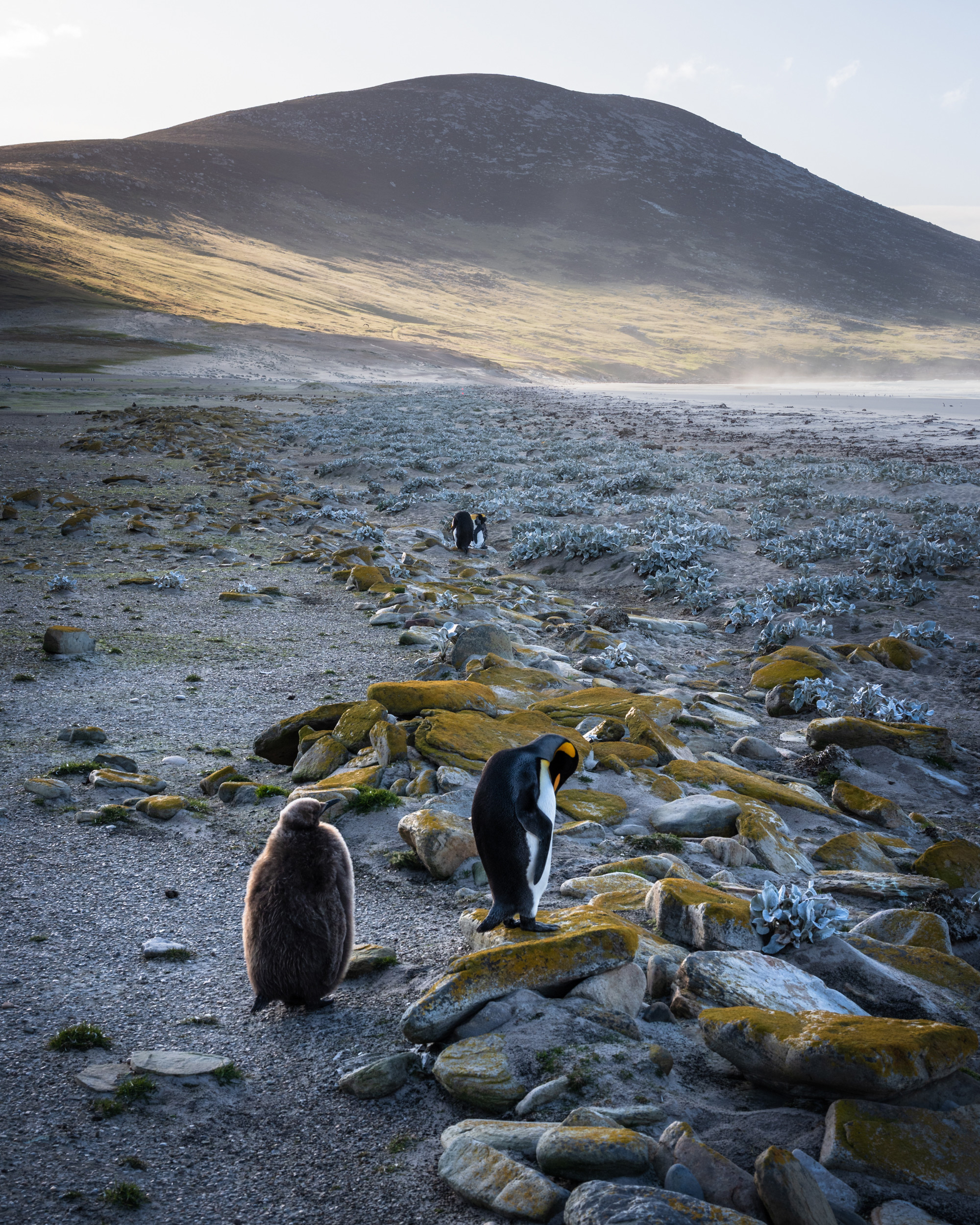 © Philipp Jakesch | Sony α9 III + FE 50-150mm f/2 GM | 1/200s @ f/13, ISO 250
Starting in Puerto Madryn, Argentina, and the Falkland Islands, Philipp set out to explore the region's wildlife, and it was to be his first time seeing penguins in the wild. “There was a huge King penguin colony, one of the biggest in the world”, recalls Philipp. “There were 400,000 penguins in one spot. It's so mind-blowing. There was a King penguin chick about 10 metres away. I bent over to photograph from a low angle to take advantage of the f/2 aperture of the lens. Then I heard the high-pitched sound they make and I looked over - it was standing even closer to me.”
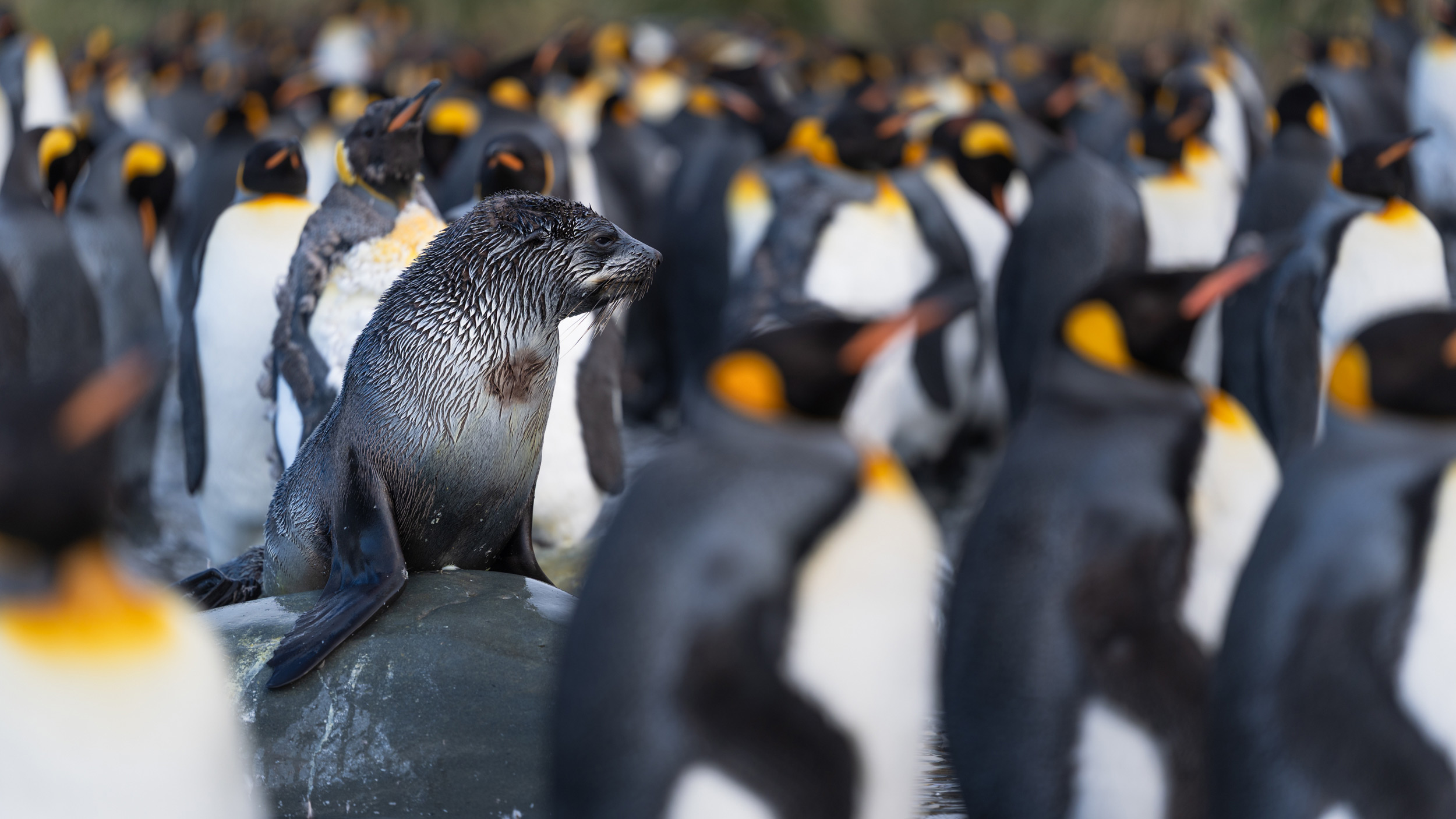 © Philipp Jakesch | Sony α9 III + FE 50-150mm f/2 GM | 1/1000s @ f/2.0, ISO 250
To protect the penguins from diseases such as bird flu, there are rules about being close to the penguins. “I had to keep stepping a few metres back, bending down to take a shot using the articulated screen of the Sony Alpha 9 III. Nothing should touch the ground except the bottom of your boots, to protect the birds from bird flu. The King penguin chick was following me - the cute, fluffy ball was just following me around.”
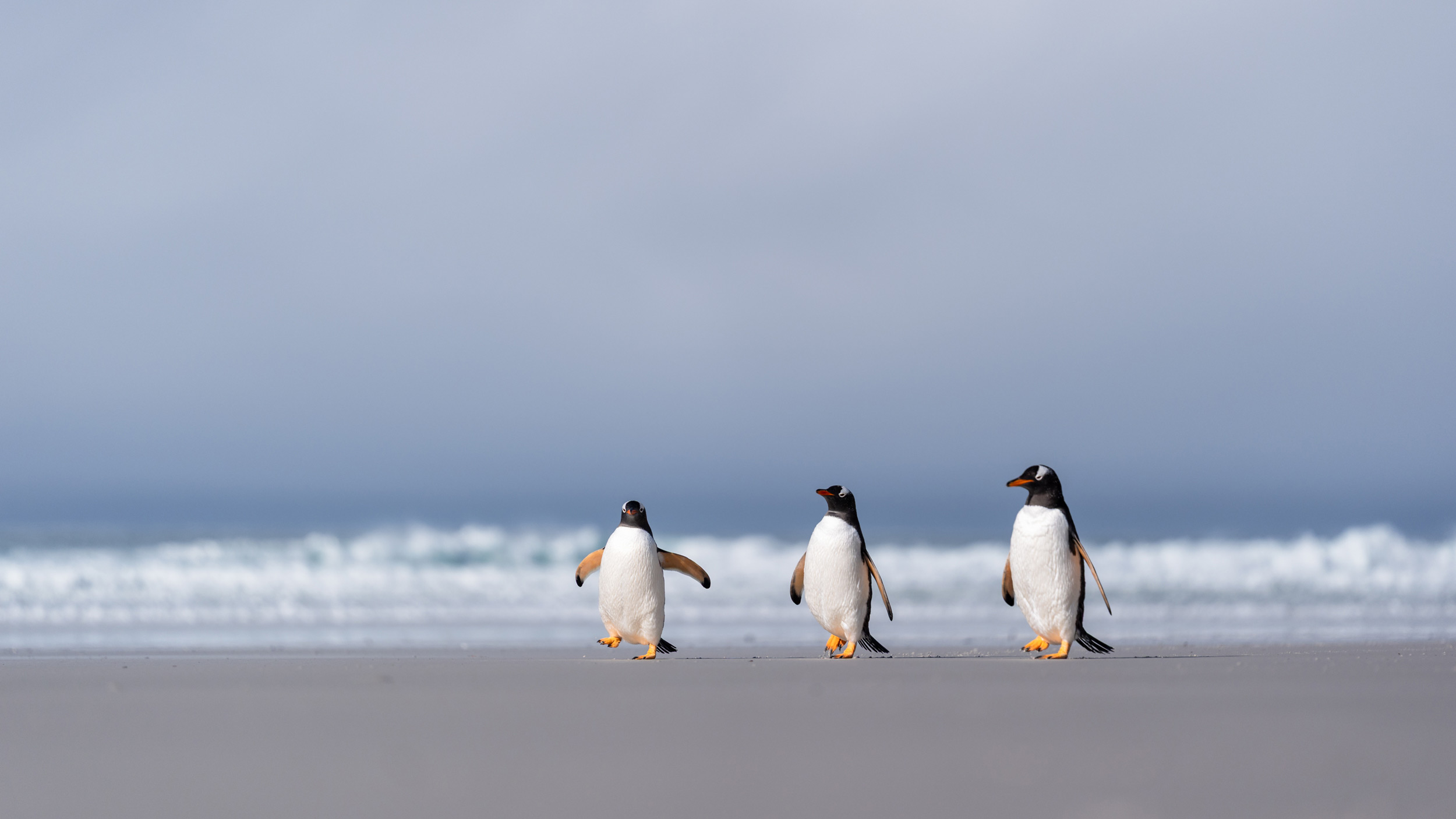 © Philipp Jakesch | Sony α9 III + FE 50-150mm f/2 GM | 1/16000s @ f/2.0, ISO 250
With the inquisitive nature of the animals, the 50-150mm focal length of the lens was perfect for capturing beautiful shots of the individual penguins and other wildlife. “Having the lens start at 50mm makes a big difference. There is a portrait image of two King penguins, a chick with one of its parents, with the landscape in the background. I couldn’t have taken that image with a 70-200mm lens as I would have been too close to get the shot. I also had the Sony Alpha II with me, and with the 50.1 megapixel resolution, I could always crop in, but you cannot make a shot wider.”
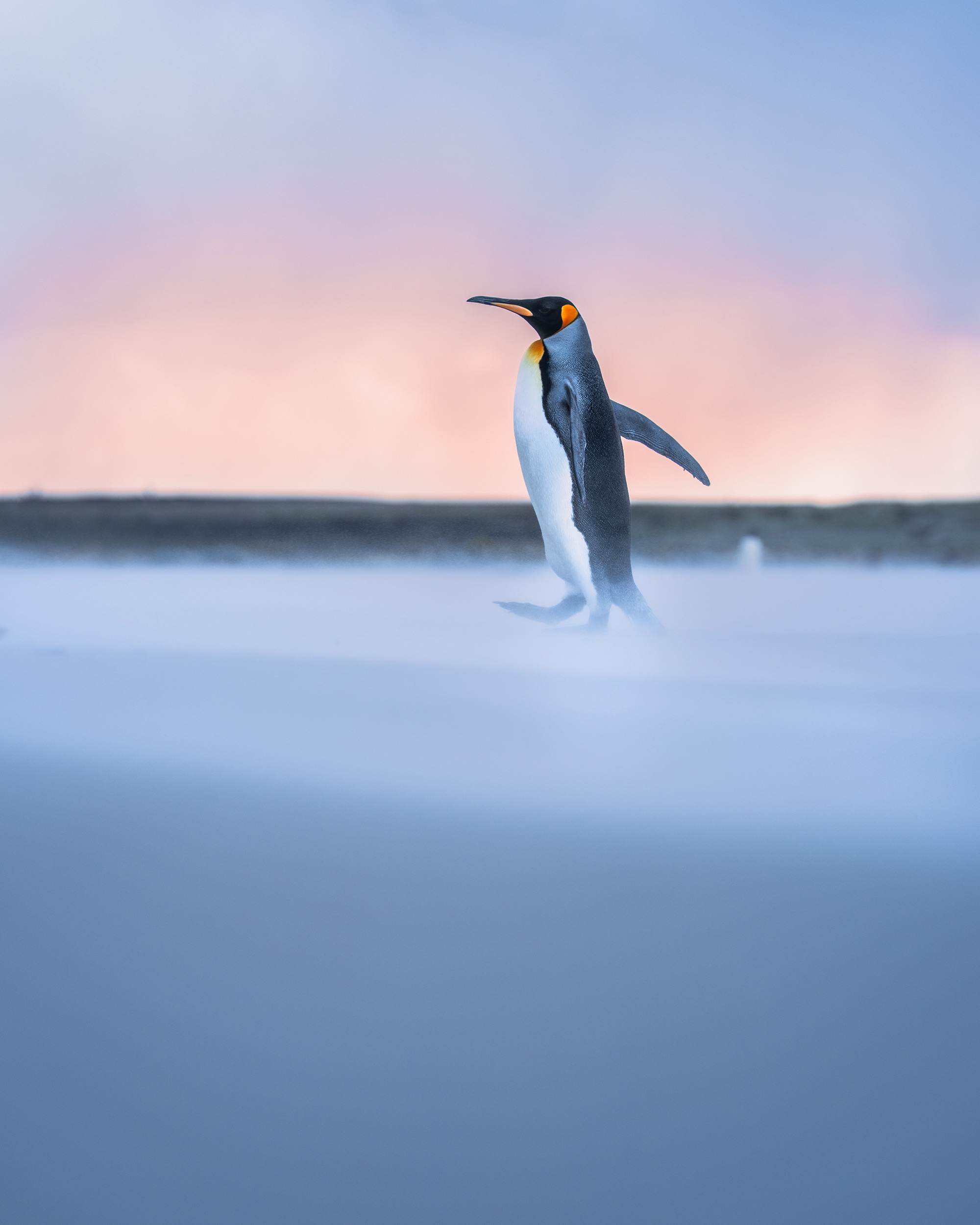 © Philipp Jakesch | Sony α9 III + FE 50-150mm f/2 GM | 1/320s @ f/4.5, ISO 250
Taking shots that serve as just portraits of the wildlife doesn’t appeal to Philipp. “Being honest, you can take close-up portraits in a zoo” he exclaims. “But if you mix up closer, medium and wider shots, you have a better variety of photographs. You tell the story better. The story of the landscape, how nature is and the scale of it all. You can see the depth and get an idea of how huge these landscapes are and where the animals actually live.”
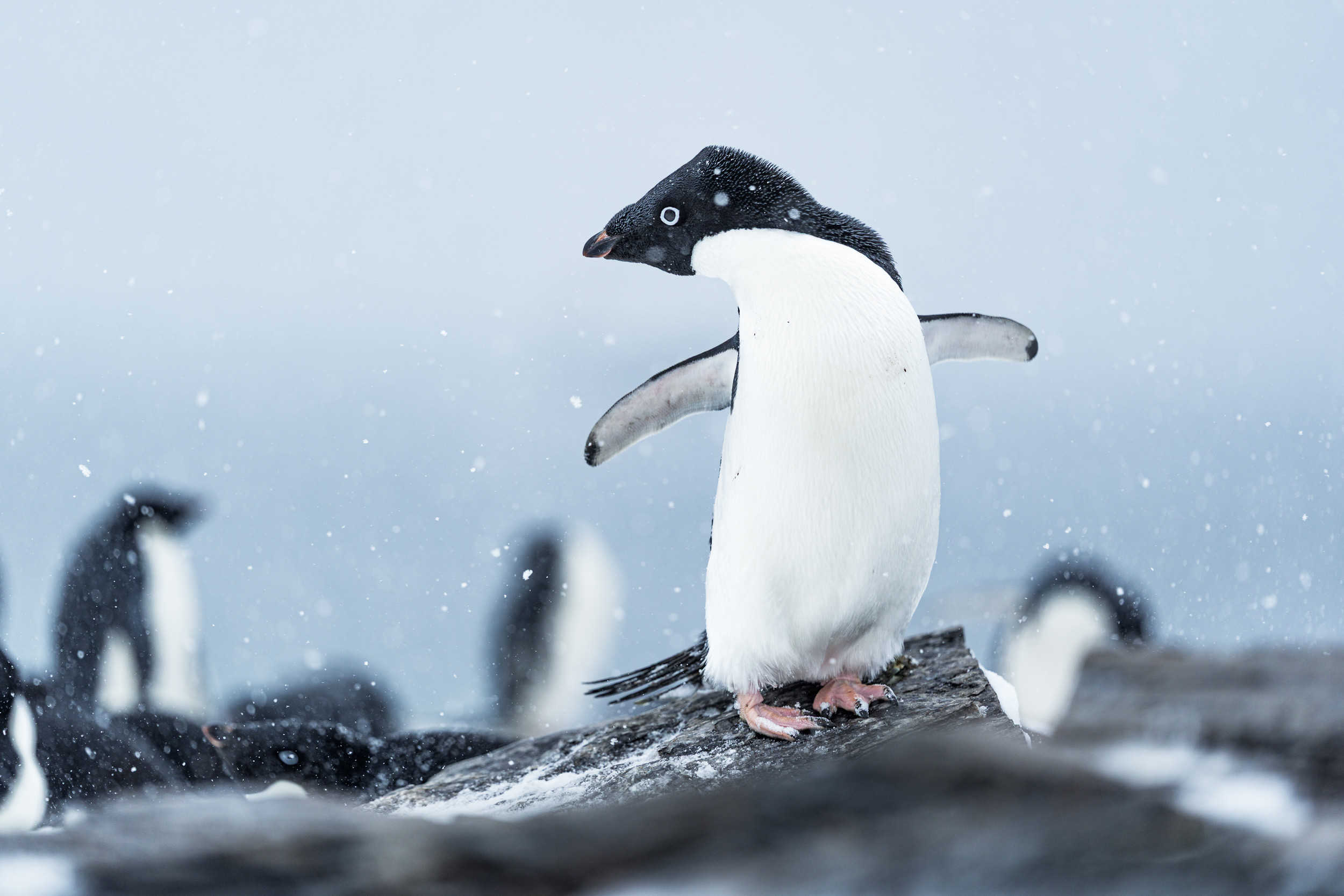 © Philipp Jakesch | Sony α9 III + FE 50-150mm f/2 GM | 1/6400s @ f/2.0, ISO 250
The focal length isn’t the only feature of the FE 50-150mm f/2 GM that Philipp admires. The F/2 aperture opens up opportunities beyond what can be achieved with a f/2.8 lens. “You can take full advantage of the amazing sharpness and shallow depth of field and play with the beautiful backgrounds”, the photographer says. “The f/2 is really amazing with some light in the background. The bokeh is stunning. You can make full advantage of the beautiful bubble background. It's really, really beautiful. The bubbles are spherical so they don't turn into cat's eyes when they're closer to the edge.”
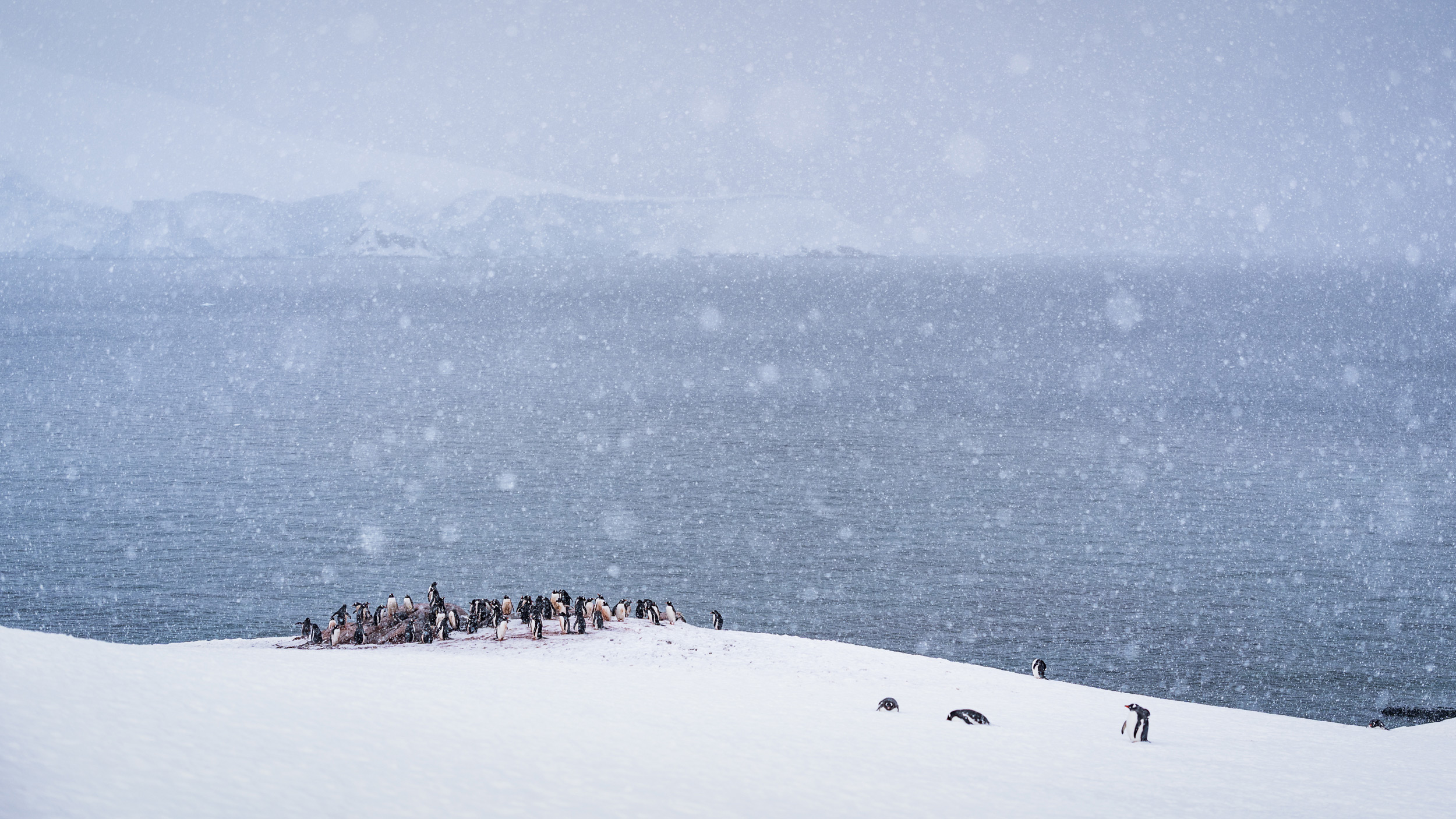 © Philipp Jakesch | Sony α9 III + FE 50-150mm f/2 GM | 1/2000s @ f/2.0, ISO 250
“We were lucky to get some snow at one point,” Philipp continues. “With the snow in the shot, you can see the effect of the aperture even better. Either you have beautiful light in the background, or you have snow in the foreground, where the snowflakes just get huge because they blur out so much. It just fills the frame so well. You couldn't achieve this as easily with another lens.”
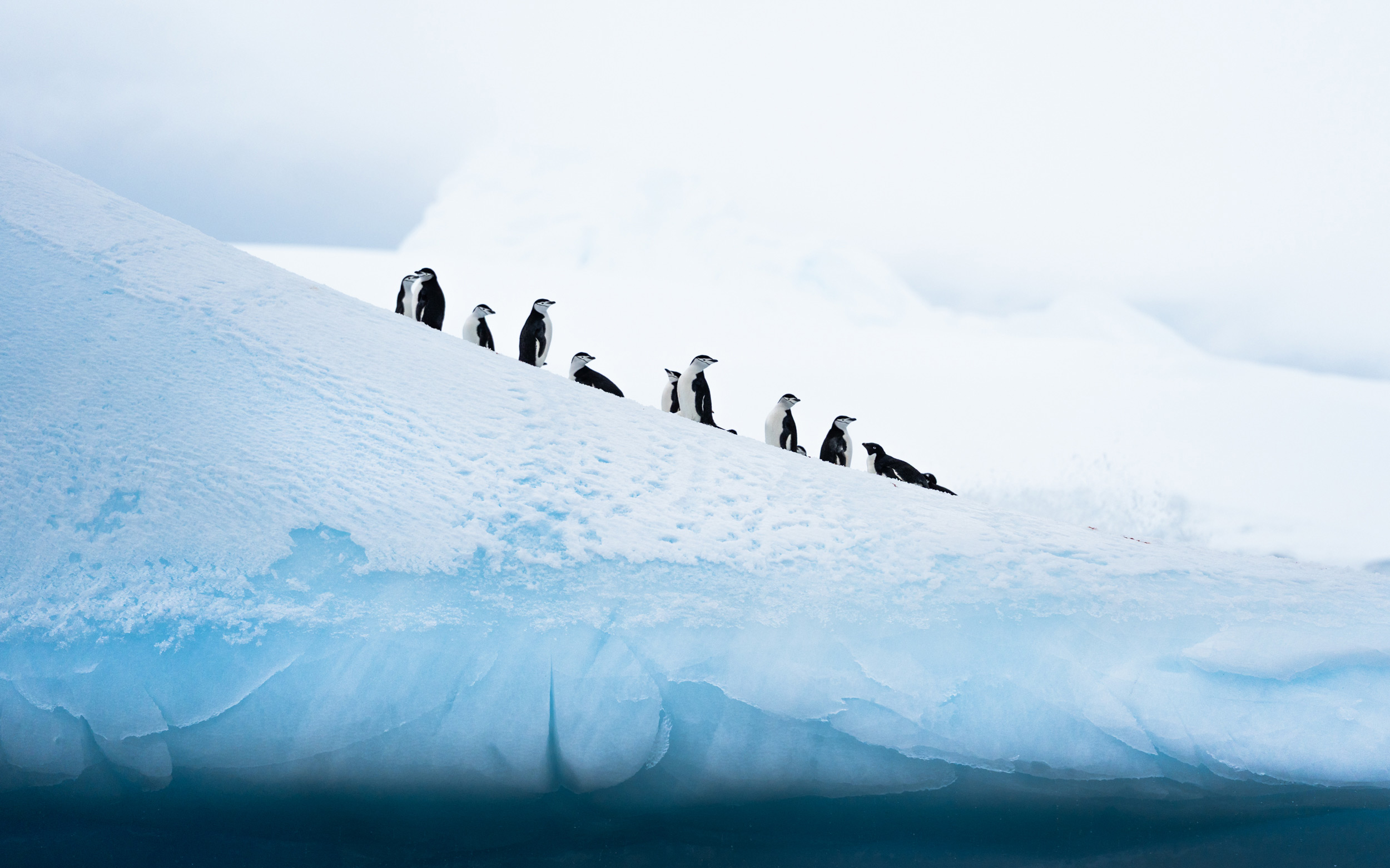 © Philipp Jakesch | Sony α9 III + FE 50-150mm f/2 GM | 1/800s @ f/2.0, ISO 250
The autofocus worked perfectly even in snowy conditions. Philipp recalls one moment where, despite the penguins moving around, the autofocus stayed locked on its subject. “It really stuck to the penguin's eye. Some of them were running around, falling because they were slipping, then getting up again, running, and sliding down the hill. The penguins were often very funny to watch.”
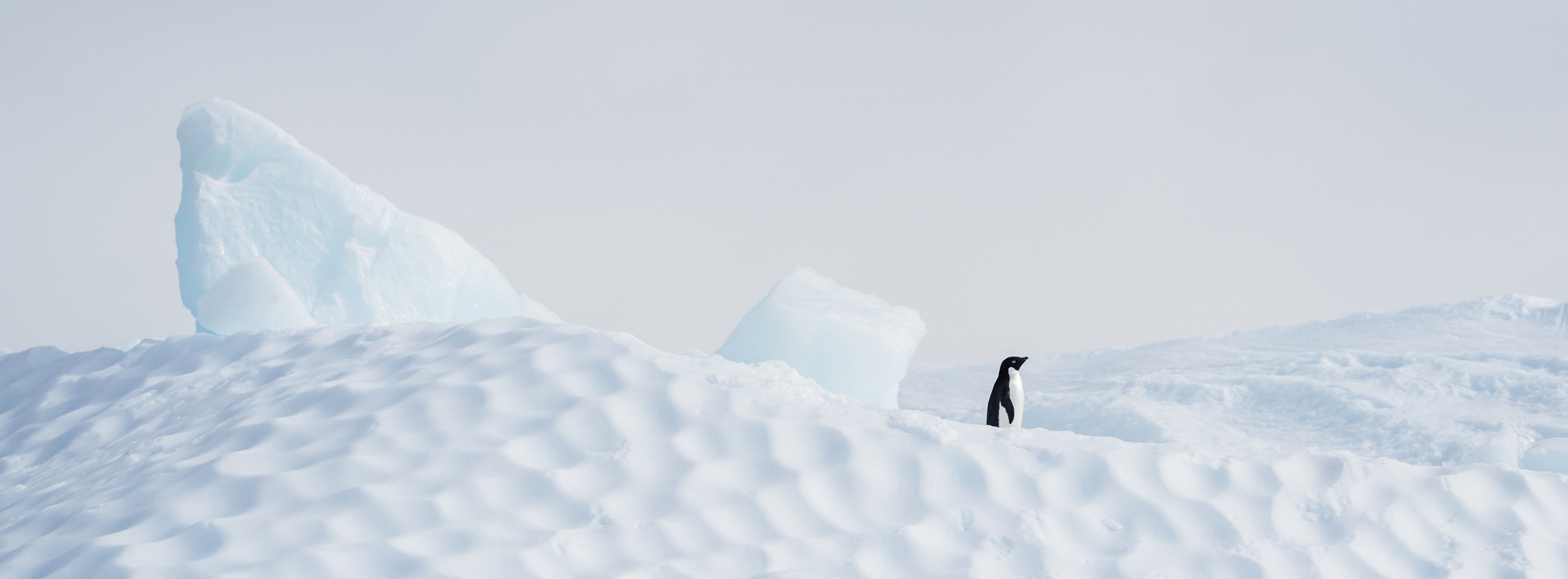 © Philipp Jakesch | Sony α9 III + FE 50-150mm f/2 GM | 1/20000s @ f/2.0, ISO 250
Despite being a 3x zoom lens with a very large maximum aperture, the 50-150mm is deceptively light. “This was one of the things that really surprised me - the lightness of the lens and its handling. It's really lovely to work with because it balances so well in the hand.” The handling is one of the reasons that Philipp was able to explore with the 50-150mm lens, taking it to places where shooting handheld was the only option.
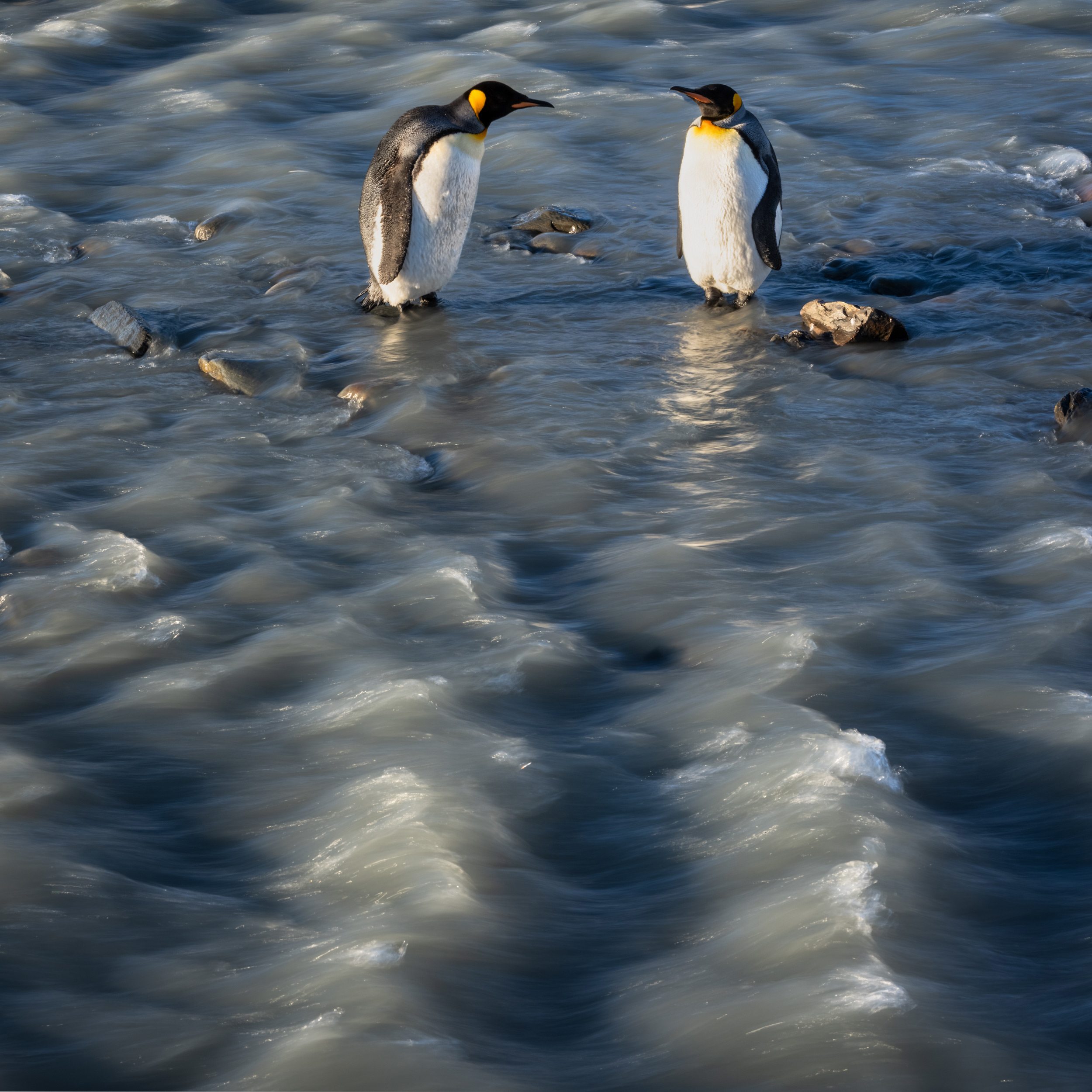 © Philipp Jakesch | Sony α1 II + FE 50-150mm f/2 GM | 1/80s @ f/16, ISO 50
There is this one image where the penguins are standing on a blue iceberg. It was shot from a Zodiac boat, and it was rocking really hard. We had quite a lot of swell - I think it was at least one metre. We were moving up and down all the time, but between the SteadyShot stabilisation and the Eye AF tracking, the autofocus locked, and I was able to get the shots.”
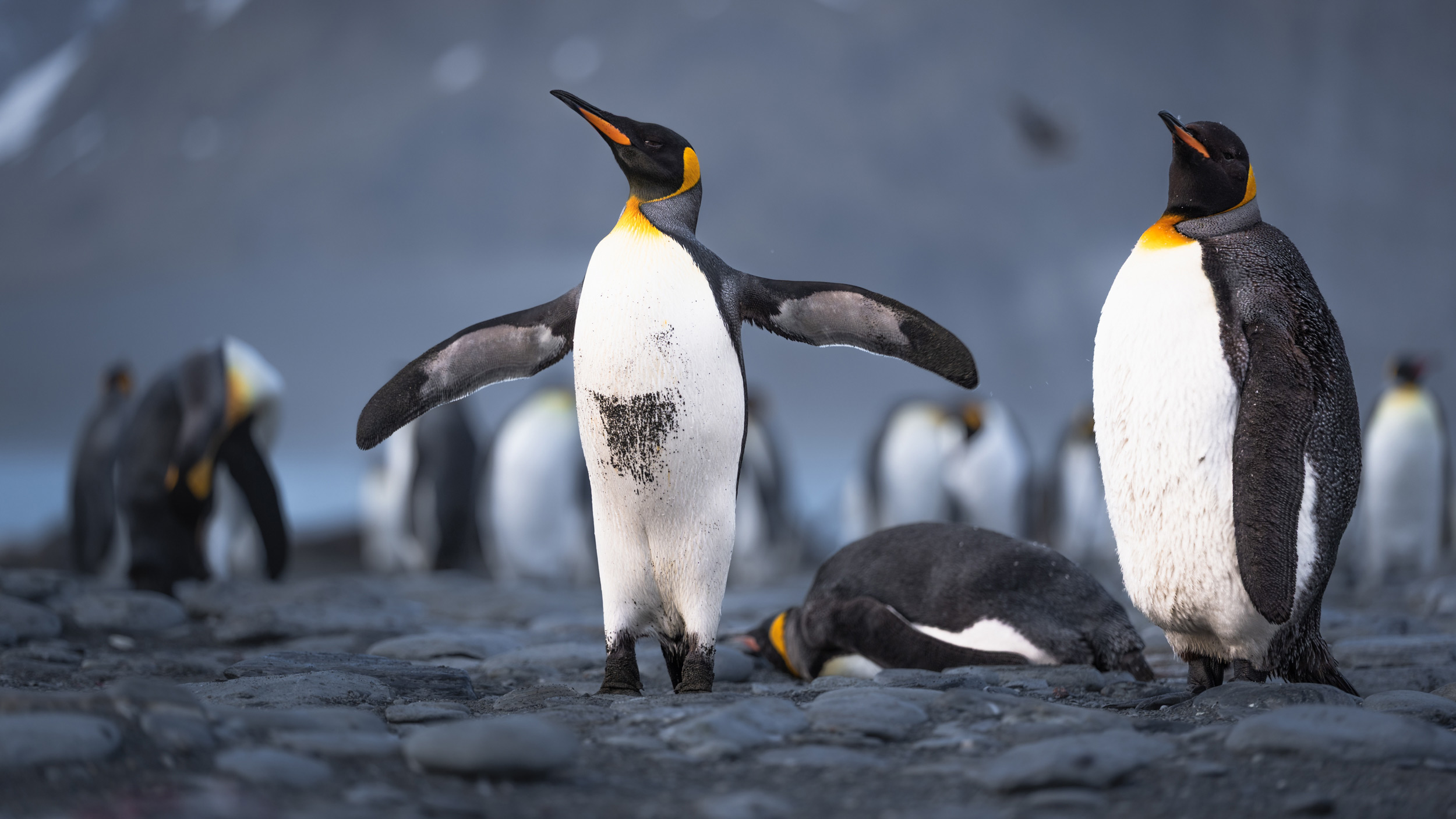 © Philipp Jakesch | Sony α9 III + FE 50-150mm f/2 GM | 1/1000s @ f/2.0, ISO 250
The combination of extraordinary wildlife, a fantastic location, and incredible conditions meant that Philipp captured some amazing photos with his FE 50-150mm f/2 GM. We can’t wait to see where he takes it next.


