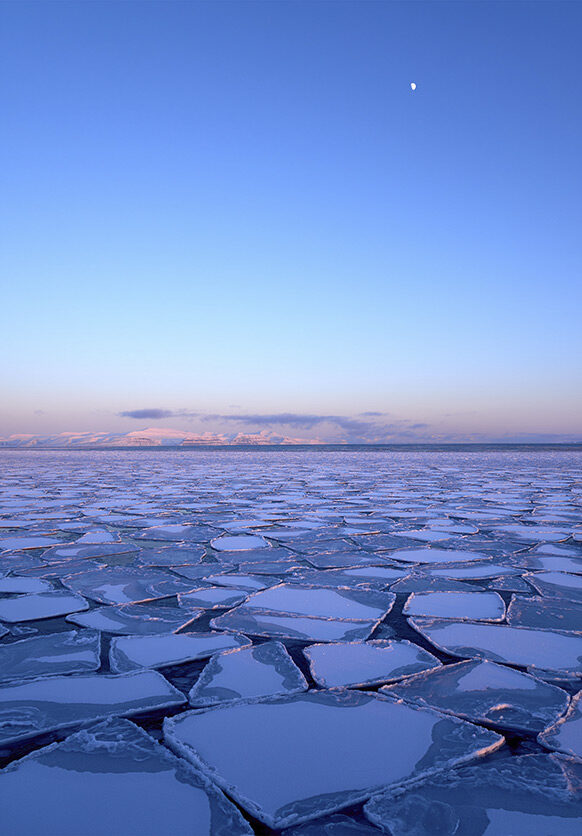
Frozen Frames: Capturing Norway's Wildlife
Ananda Joinet
My name is Ananda Joinet, and I am a passionate nature and wildlife photographer and videographer. For me, photography and travel are about capturing fleeting moments, allowing us to marvel at and preserve unique experiences forever. My approach is rooted in a deep sensitivity and an ongoing quest for beauty and poetry. Each photograph I take is crafted to tell a story - the story of nature in all its magnificent glory.
Through my work, I aim to highlight the beauty of a wild world that we often overlook and it’s this vision that I strive to convey in my images, with both humility and passion.
This time, my companion Alexandre Velluet and I embarked on a 10-day adventure to explore and capture the breathtaking wilderness of Norway, specifically the stunning Vesterålen and Lofoten islands - a dream destination we had long envisioned. These wild, remote landscapes, far removed from the chaos of modern life, truly ignite our passion for nature photography. It was also a good opportunity to try the new Sony FE 400-800mm f/6.3-8 G OSS.
 © Alexandre Velluet
It's a beautifully designed lens that feels solid and robust in the hand without being too heavy. I’m not the tallest person so I was particularly mindful of its weight, and to my surprise, it felt relatively light for a lens boasting such an extensive focal length. I also appreciated its compact size, which is nearly identical to my Sony 200-600mm f/5.6-6.3 FE G OSS, allowing me to use it handheld almost all the time without discomfort.
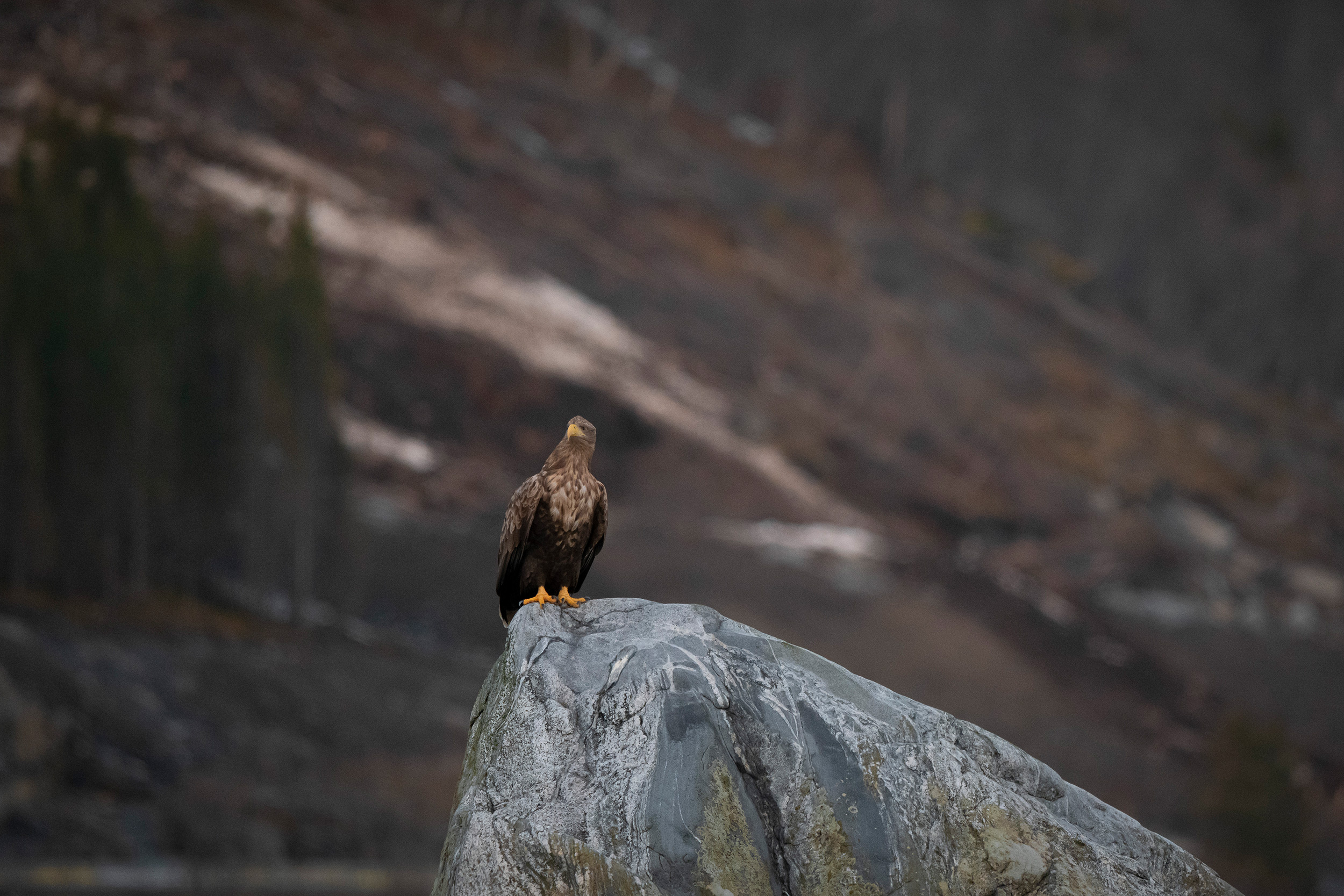 © Ananda Joinet | Sony α1 II + FE 400-800mm f/6.3-8 G OSS | 1/800s @ f/8.0, ISO 4000
I soon realised that using the 400-800mm felt remarkably similar in handling to my 200-600mm. The sharpness and compactness were comparable, but with the added advantage of a longer focal length. Initially, I was concerned that the f/8 aperture might yield less appealing bokeh, but I was pleasantly surprised by the soft, beautiful bokeh it produced, enhancing both foreground and background blur.
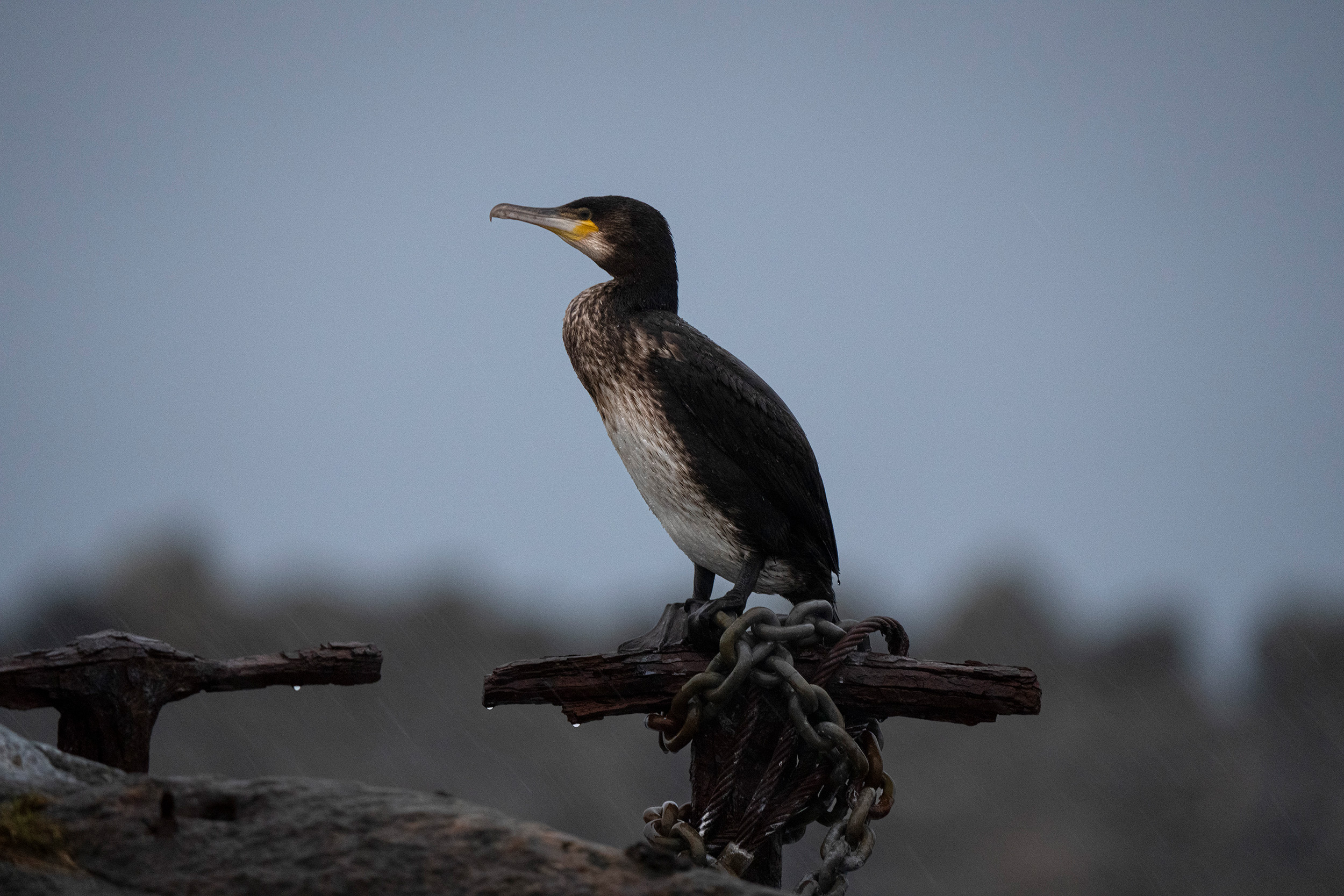 © Ananda Joinet | Sony α1 II + FE 400-800mm f/6.3-8 G OSS | 1/160s @ f/8.0, ISO 3200
The stabilisation and sharpness were also very good, even in challenging weather conditions—strong winds, rain, snow, and limited sunlight. Despite the difficult environment, the autofocus quickly locked onto a moose amidst dense trees and falling snow. Having an internal zoom helped give a pleasing balance with the body, although the weight leans slightly forward due to the lens size.
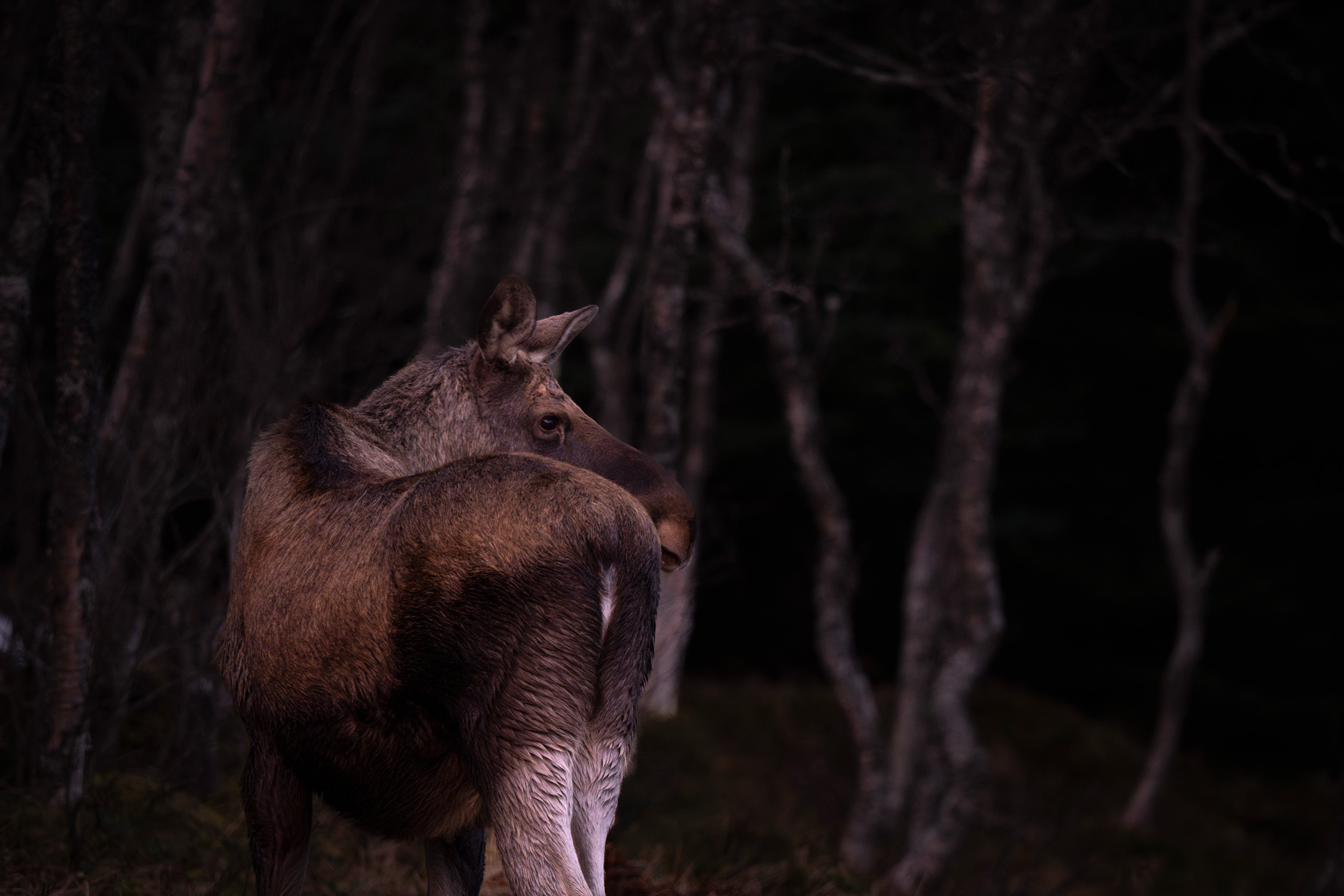 © Ananda Joinet | Sony α1 II + FE 400-800mm f/6.3-8 G OSS | 1/40s @ f/8.0, ISO 4000
At one point, an ermine graced me with its presence, allowing me to test the autofocus and sharpness against a fast-moving, tone-on-tone subject in low light. I was thrilled with this encounter, as the ermine is one of my favourite animals and a true challenge to photograph due to its agility. The images I managed to capture rival those taken with wide-aperture lenses, featuring soft bokeh and sharp details despite the low light and falling snow.
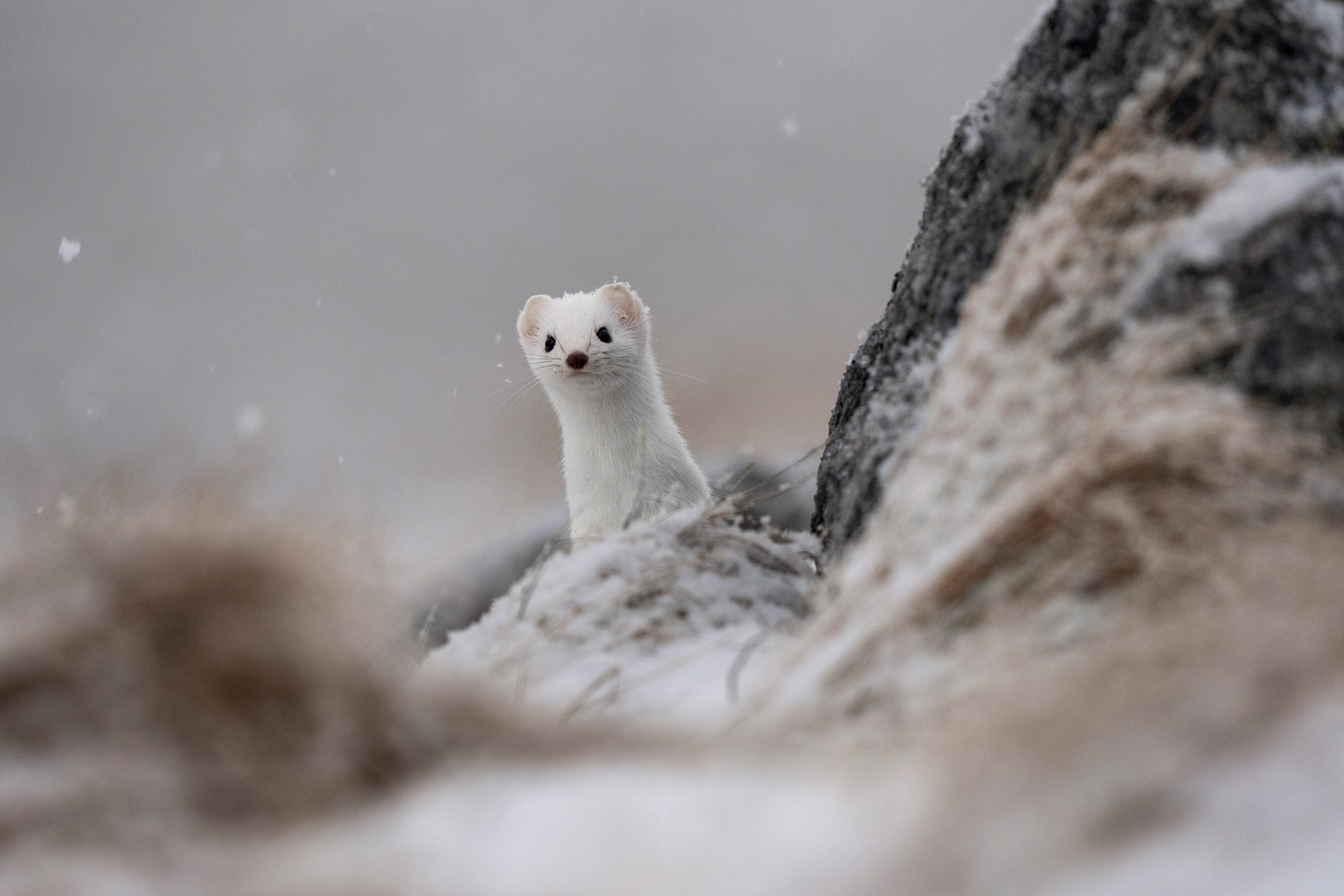 © Ananda Joinet | Sony α1 II + FE 400-800mm f/6.3-8 G OSS | 1/800s @ f/8.0, ISO 1600
Using the Sony Alpha 1 II camera alongside the 400-800mm was a game-changer, thanks to its incredible subject tracking and autofocus speed. I particularly appreciate Sony equipment for its reliable subject tracking and fast autofocus, regardless of the conditions—be it rain, snow, wind, dense branches, or low light. I typically set my camera to AF-C with subject detection and lock when shooting video, and it performs exceptionally well. This is crucial for capturing fast-moving subjects like stoats or birds.
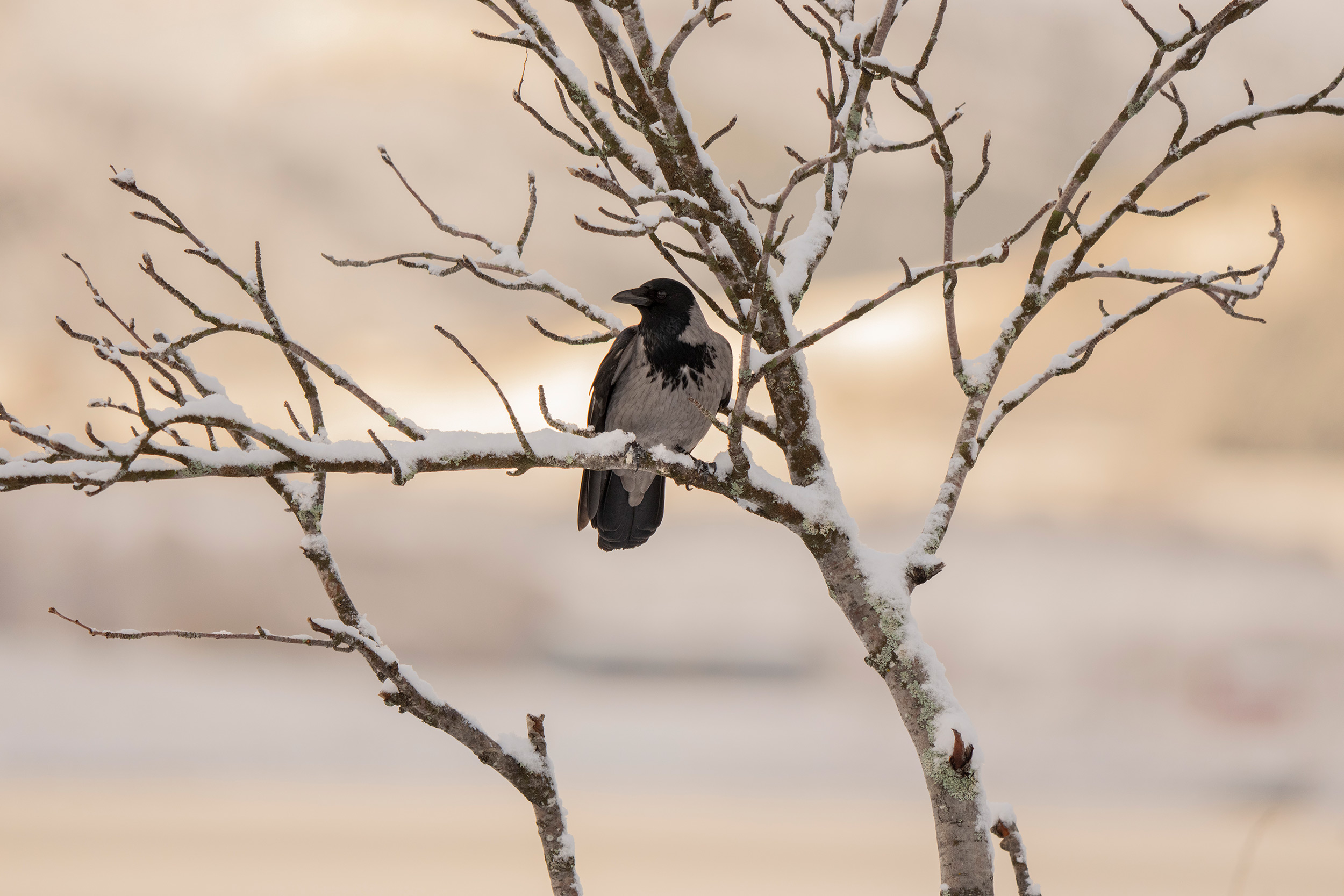 © Ananda Joinet | Sony α1 II + FE 400-800mm f/6.3-8 G OSS | 1/320s @ f/8.0, ISO 1250
For videography, I found the lens invaluable for wildlife documentaries. While the f/8 aperture may not be the brightest in low light, it works beautifully for video, where a lower FPS ratio creates a cinematic blur. I shot extensively with it, and the combination of optical quality and powerful zoom proved to be a significant advantage, allowing me to film animals, especially birds, more easily than with my 200-600mm lens.
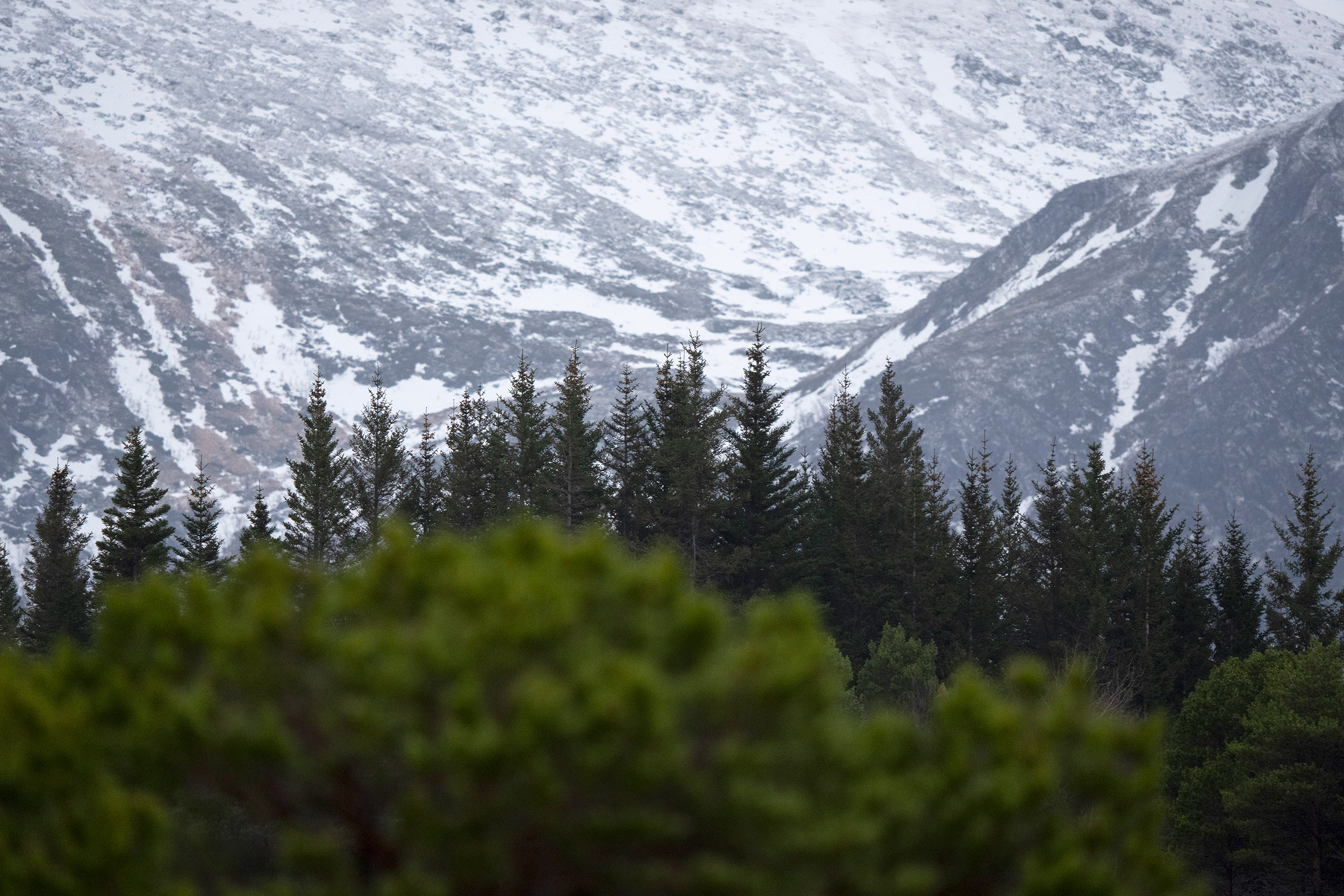 © Ananda Joinet | Sony α1 II + FE 400-800mm f/6.3-8 G OSS | 1/500s @ f/8.0, ISO 2500
And lastly, I think a lens like this can be very useful for landscape photography in some situations. Being able to compress the perspective can make for an interesting composition.