
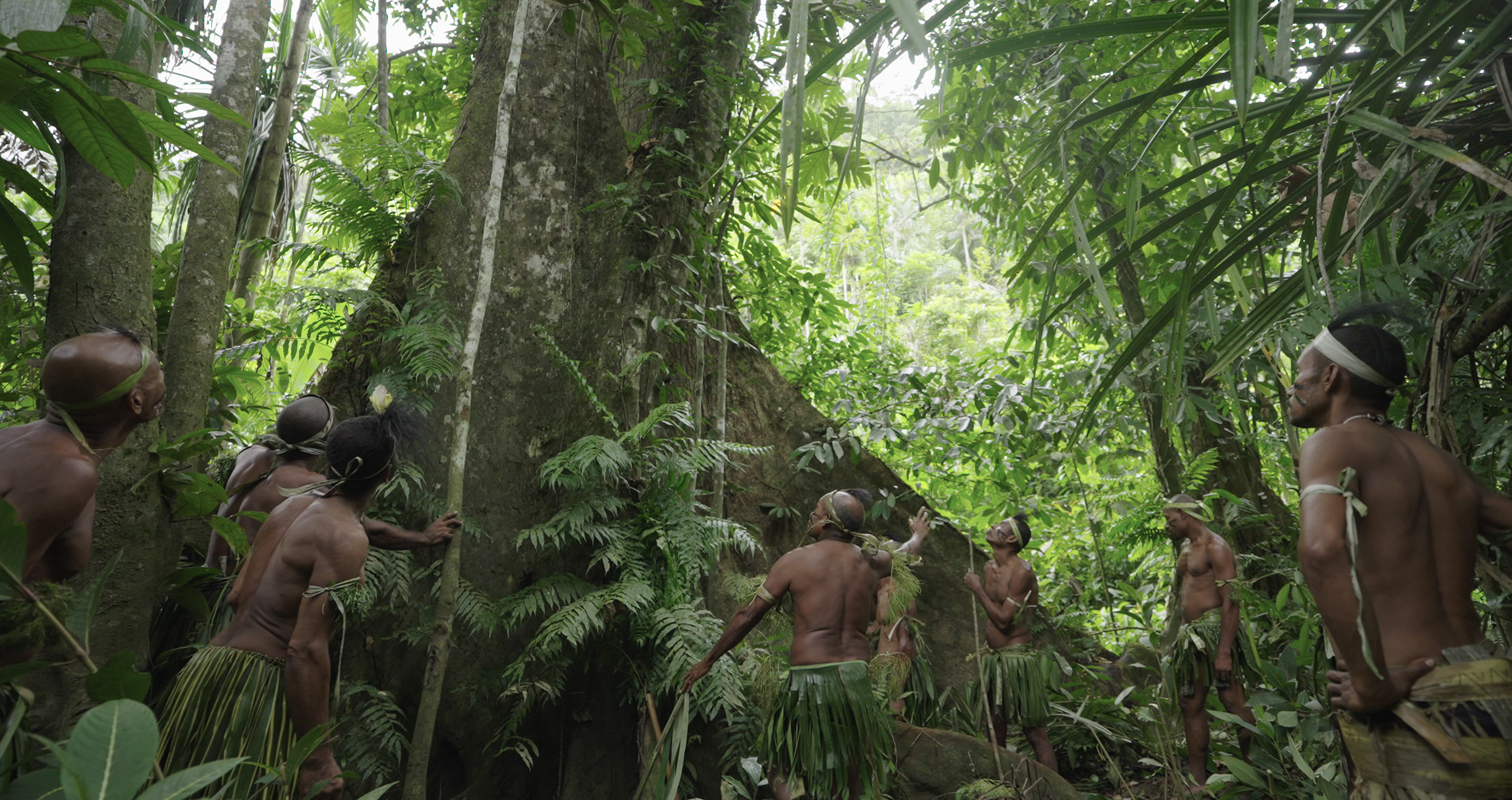
Cloaked in lush forest and mangrove swamps, Papua New Guinea’s bountiful Milne Bay province forms the south-easternmost tip of the country, stretching languidly into the Solomon Sea, where it births a flotilla of more than 600 islands. Rivers and creeks criss-cross the tangle of jungle and fields. As strange as it seems to western eyes, these are Milne Bay’s streets and highways.
 © Paolo Sodi
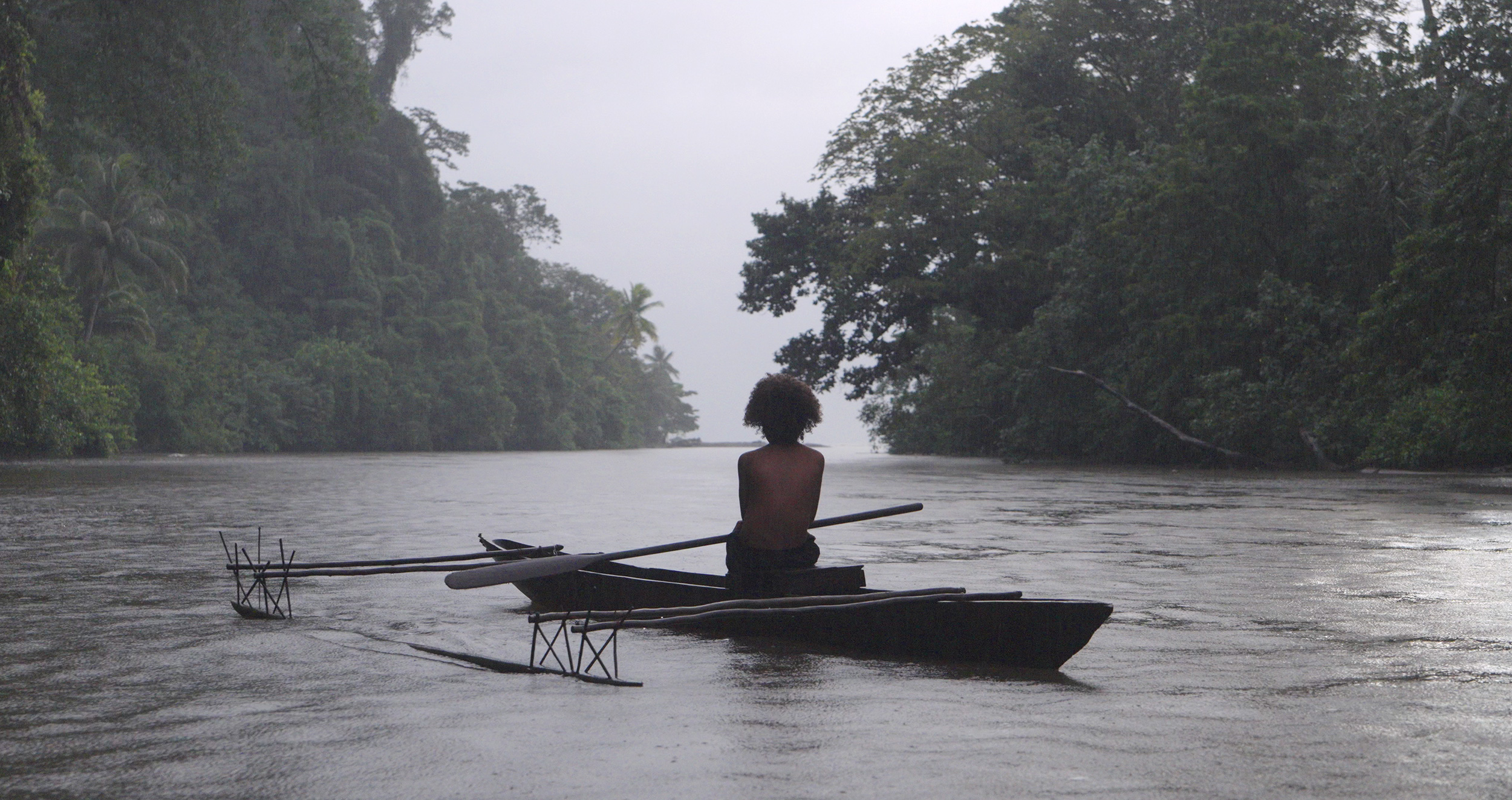
It’s this landscape that forms the backdrop of ‘Echoes’ – Paolo Sodi’s beautiful visual essay which captures a few fleeting days in the life of a local boy called Sereva. The film illustrates the struggles and hopes of Sereva and his family as well as the striking beauty that populates their days.
 © Paolo Sodi
“Not long into the making of ‘Echoes’, I was filming Severa playing with flat stones at the edge of a river,” Paolo remembers. “He was spinning them into the water, and watching them skip, just like children do all over the world, taking immense joy from the simple game. Then he went into the river to swim. At that moment a lot of rain came down. It was magical and his happiness was infectious. It was such pure pleasure from nothing more than being in the world.”
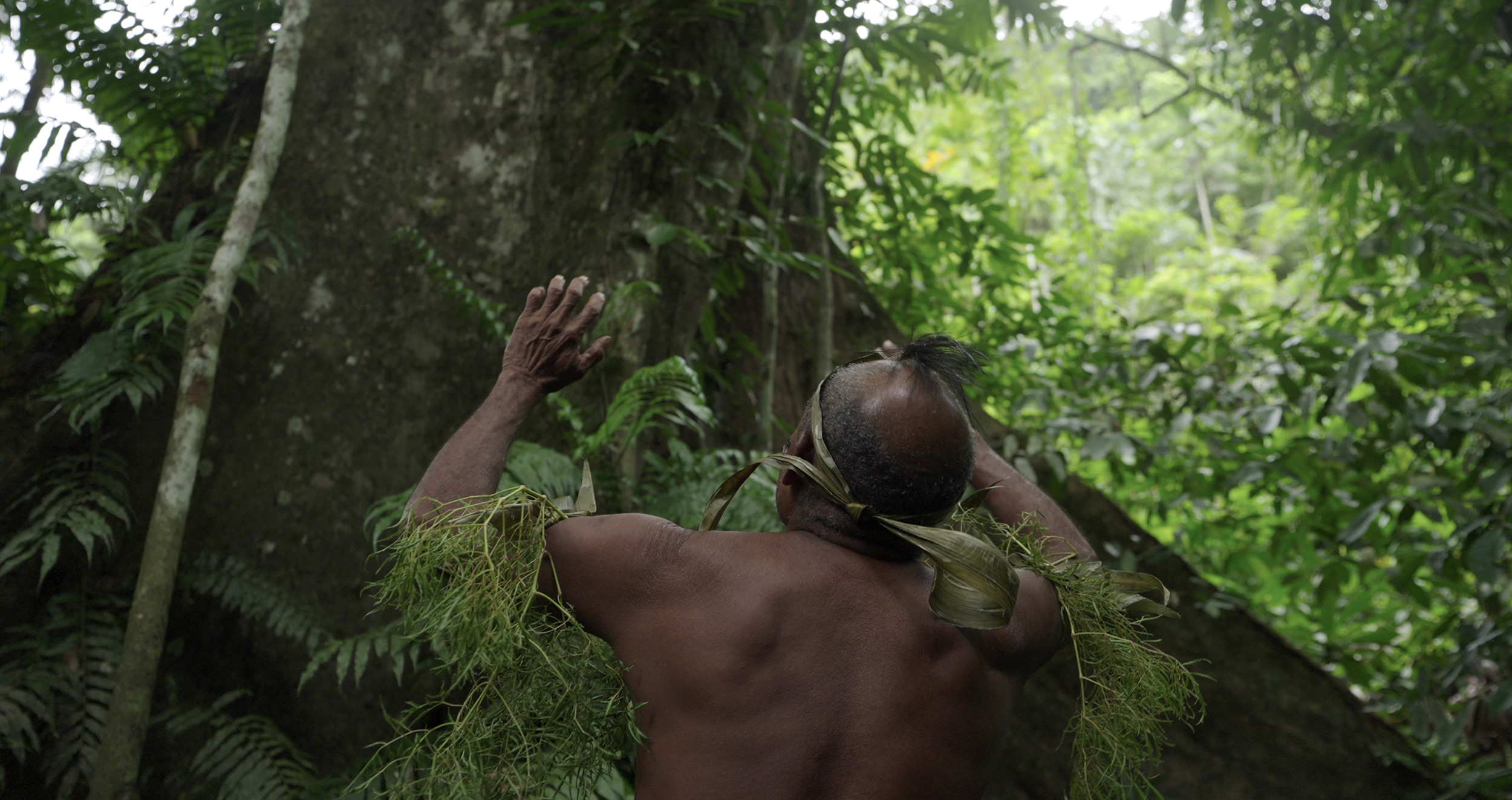
This wasn’t Paolo’s first time in Papua New Guinea, but ‘Echoes’ was a different sort of project for him. “Eight years ago, I travelled there for the first time to make a film about the local people and animals,” he explains, “and found this magical land. When you meet tribes and see the wildlife and the jungle you instantly see how different it is, and how special.”
 © Paolo Sodi
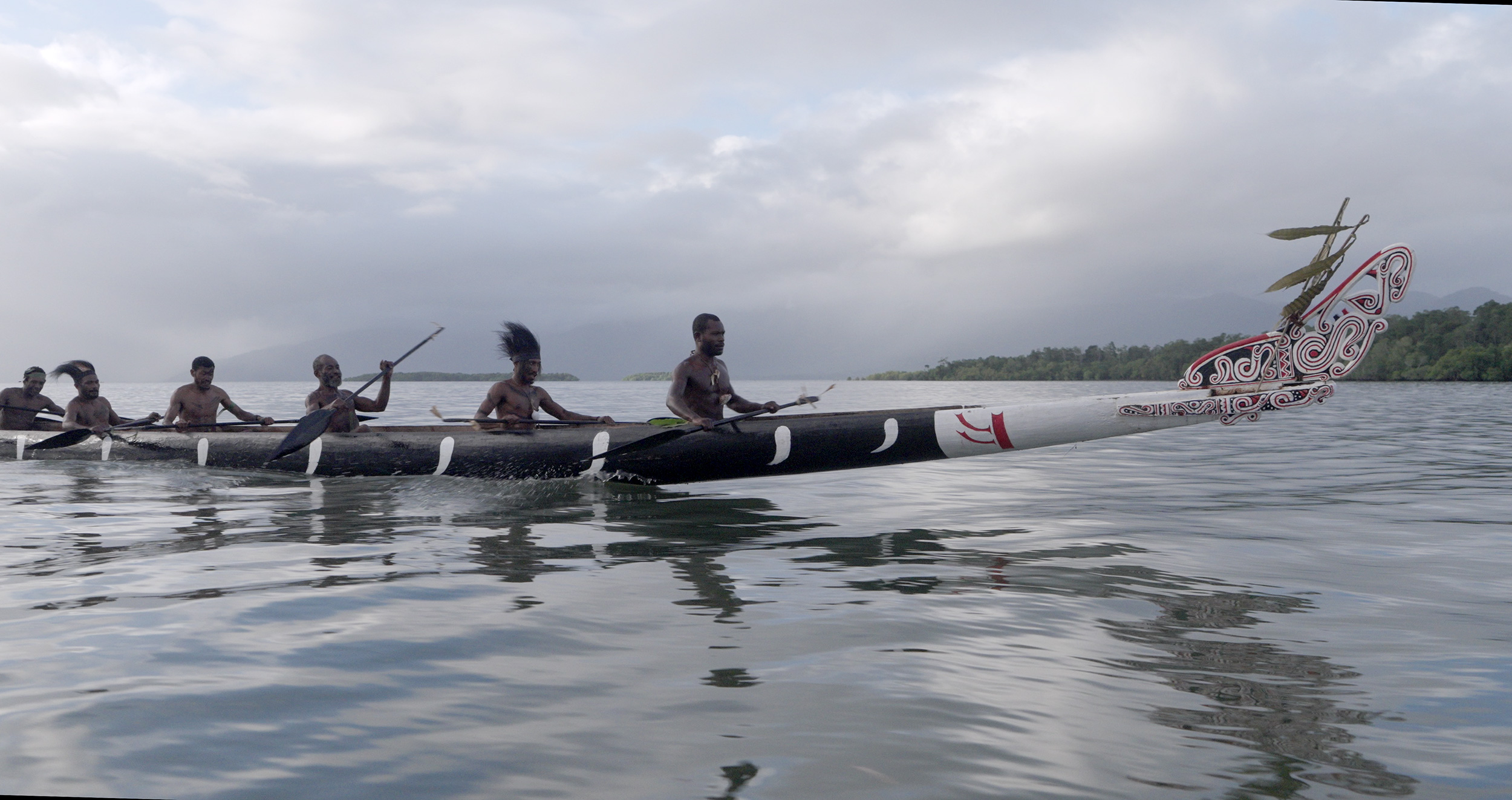
“Ever since, I’d wanted to return and make another,” he continues, “and I’d been talking to my team there about various ideas. One of them was about the canoes that the indigenous people use. There are two kinds – the war canoes are longer and larger and more beautiful, while the fishing canoes are simpler and more functional. As part of the project, I wanted to talk to the people who lived in the rainforest, to see how their canoes are made, and how they’re part of their lives. Obviously, living in Italy, it’s not possible for me to scout these things personally, so my team sent me lots of videos. And when I saw the one with Sereva, my focus shifted at once.”
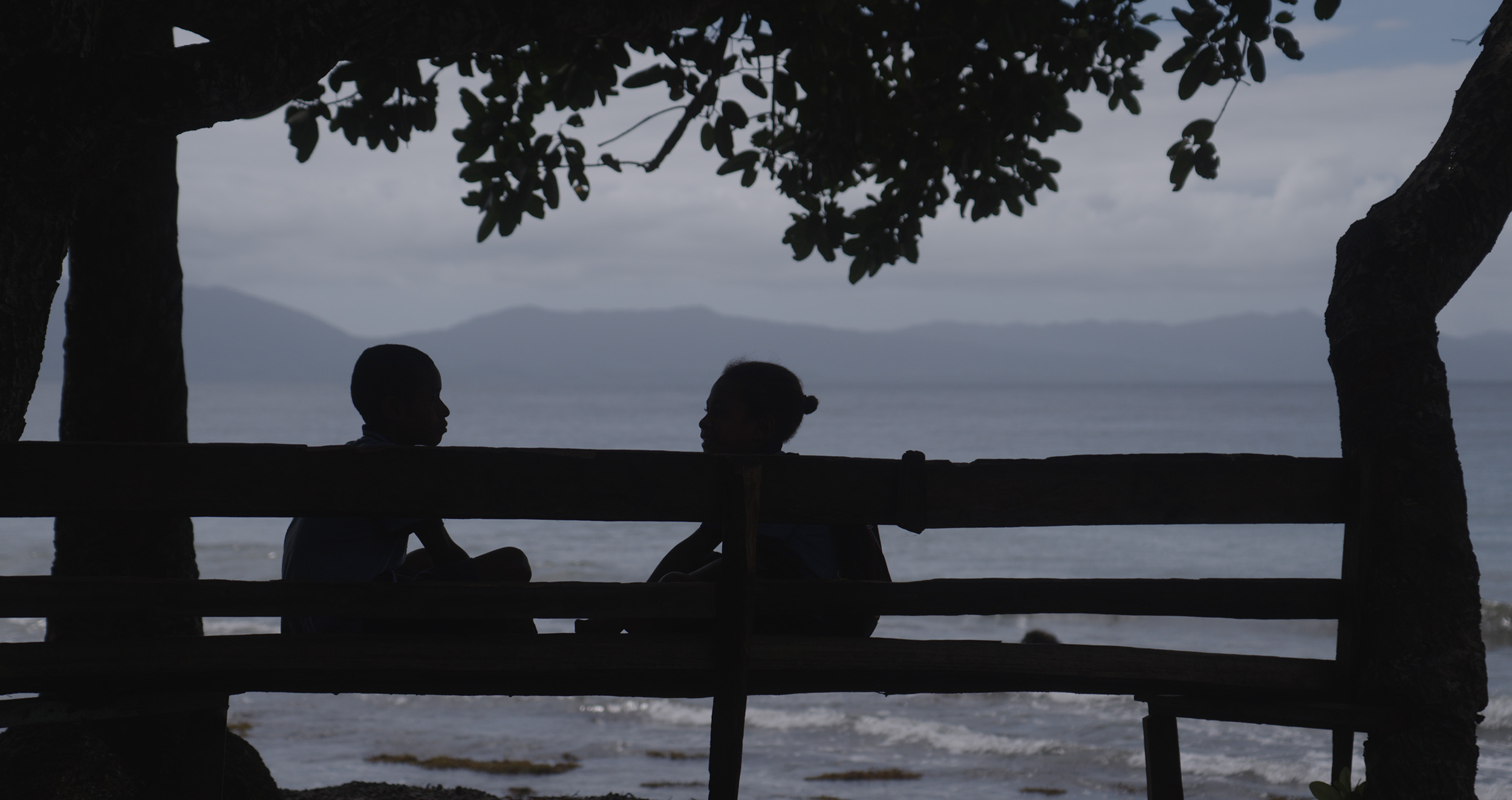
People’s lives change and so does their creative vision. Two years ago, Paolo became a father, so his attention was inevitably drawn to the lives of children in this environment, too. “After my daughter was born, my mind changed. She’s my muse, my inspiration, and I instantly saw the connection with Sereva. So ‘Echoes,’ is his story. He’s the protagonist. It’s about his life and the dreams of his family about what he might become. It’s about what the people lack, but also what they gain.”
 © Paolo Sodi
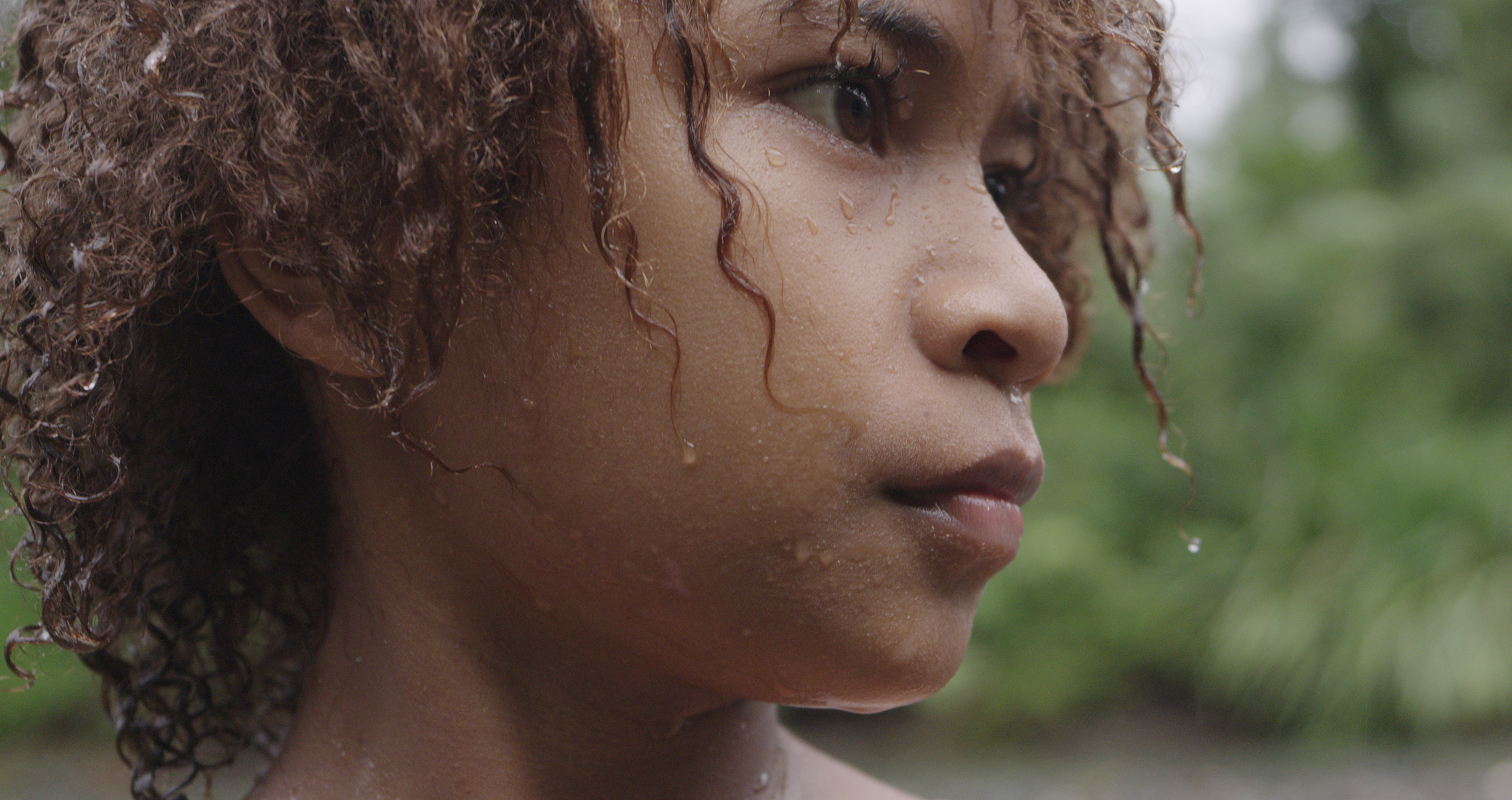
For 12 days, Paolo followed Sereva, documenting his journey to school and his life in the village. “There are so many things that are normal,” he explains, “and so many that are not. Imagine a nine- or ten-year-old boy waking up and brushing his teeth, putting on a pretty regular school uniform and backpack, but then you notice he doesn’t have shoes. And he’s not getting on a bus or being dropped off by his parents. He’s paddling himself there in a fishing canoe through waters that have sea crocodiles, snakes and dangerous insects. He goes alone and he’s never afraid. I thought he was remarkable, but to him it’s normal.”
Sereva quickly built a relationship with Paolo and wasn’t at all fazed by being filmed. “At the very start he was cool with me and quite serious, but in the days that followed we spent all our days together and had a great time. He was very curious about my cameras and the process of copying the footage to hard drives. He’d never had Nutella before either, so we bonded over that! One night before dinner, he even sang a beautiful song for us, which is at the end of the documentary.”
 © Paolo Sodi
Paolo believes that his choice of kit had a big impact on the relationship with Sereva and therefore the success of the project, especially in terms of not overwhelming a sensitive subject. “I mainly used the Sony BURANO for this project,” he explains. “It’s a dream for me and perfect for documentary production.”
“The body is so small and light, you can use it handheld or by shoulder, and there’s no need for a rig,” he continues. “That’s brilliant when you want to record simple, quiet moments like I did with Sereva. It’s just so much more real and authentic to do it by yourself… no focus puller, because I could rely on the camera’s brilliant AF, no lighting assistants… Most of the time it was just me and him, travelling together and telling his story. If there were five or six people all behind the camera he would act differently.”
Reflecting the same desire for authenticity, Paolo relied on the BURANO’s impeccable low-light performance. “I only want to work with natural light,” he explains. “The light in Papua New Guinea is beautiful, so I was happy to use whatever the sun gave me, or work by firelight if I needed. But I could only do that thanks to features like BURANO’s two base ISOs, 800 ISO and 3200 ISO, letting me choose the best sensitivity for the scene I’m documenting with no loss of image quality.”
 © Paolo Sodi
“I didn’t want to use a gimbal either,” he continues, “and so the camera’s built-in IBIS was vital. It meant I could walk with Sereva and get beautifully smooth results, as well as hand holding longer shots when I needed to. Talking of which, although I used regular lenses like the FE 12-24mm f/2.8 GM and FE 24-70mm f/2.8 GM for this film, I also made use of the FE 200-600mm f/5.6-6.3 G OSS for times when Sareva was out in the canoe. It meant I could get closeups of him padding, or shoot the ripples on the water, adding texture to the storytelling.”
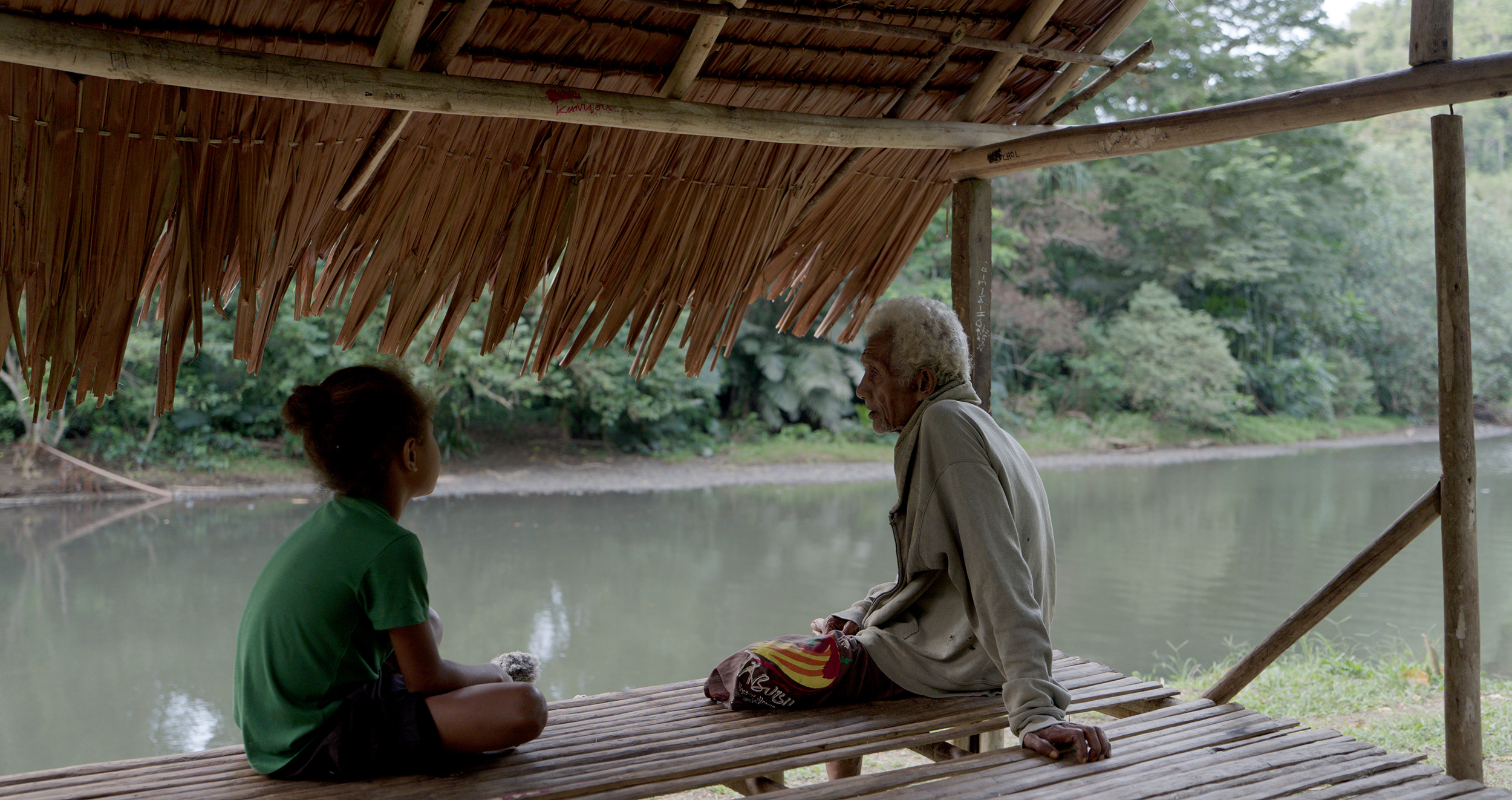
A pivotal moment in the film comes in the shape of Paolo's interview with Sereva’s father. He talks about wanting the best opportunities and outcomes for his adopted son: a canoe of his own, so he can work, and build his own house one day. In making the film, Paolo has found his own echo of that, his own hope.
 © Paolo Sodi
“When I showed some footage of Sereva to a child in Italy, he said he thought it was sad, because those people don’t have all the things that we do. The gadgets and luxuries. I would say they have something more. Yes, it can be a difficult life, but they live with stunning nature, strong family and an appreciation of both. Every child has a dream, and every family should have a dream for their child. They try to build it together. But the simplest things can be the most powerful and rewarding. That’s what I want to teach my daughter.”

"For me the camera, every time I film, becomes an extension of my body, and everything becomes simple and natural.”


