
The Art of Light
İlhan Eroğlu
Whenever I travel, I’m not just searching for a beautiful landscape, I’m searching for a composition.
Before becoming a photographer, I studied painting at university. I studied light, colour harmony, and perspective the way painters have for centuries, observing how shadows shape form and how colours shift with emotion. That foundation shaped my entire visual language. Even today, when I lift a camera, I treat every scene like a blank canvas — building it layer by layer, using light as my brush.
Landscape photography is often described as documentation, but for me it is interpretation. It’s the moment when nature’s structure, mood, and light come together to tell a story. And the new Sony Alpha 7 V gave me a surprising amount of creative freedom to tell that story the way I envision it.
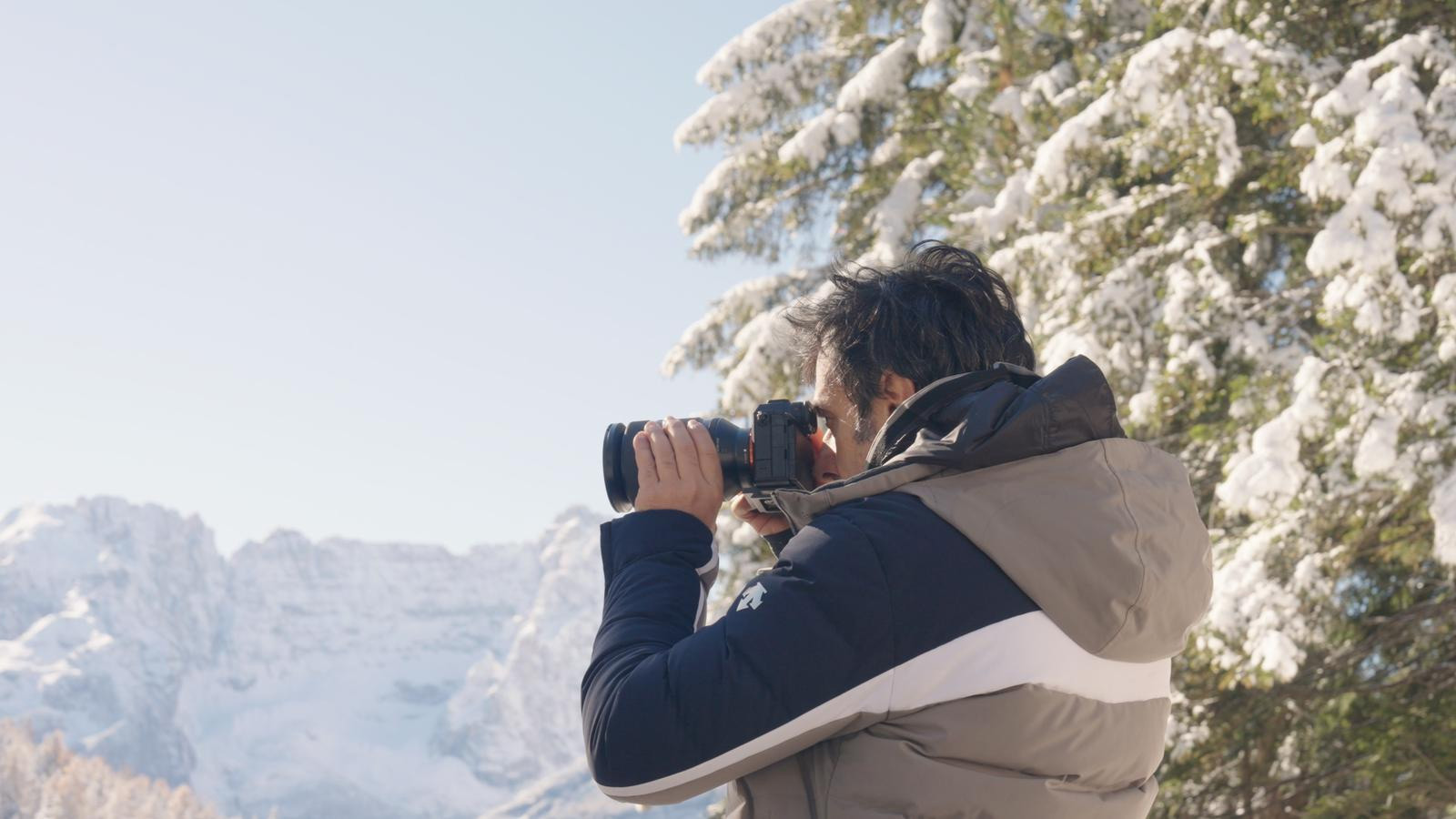
At the heart of the Sony Alpha 7 V is the newly developed 33MP partially-stacked full-frame sensor, and this sensor sits in a perfect sweet spot for landscape work. It offers more than enough resolution to reveal fine textures — the grain of rocks, the delicate structure of snow, distant mountain layers, mist, reflections — while maintaining fast sensor readout for clean motion and minimal distortion.
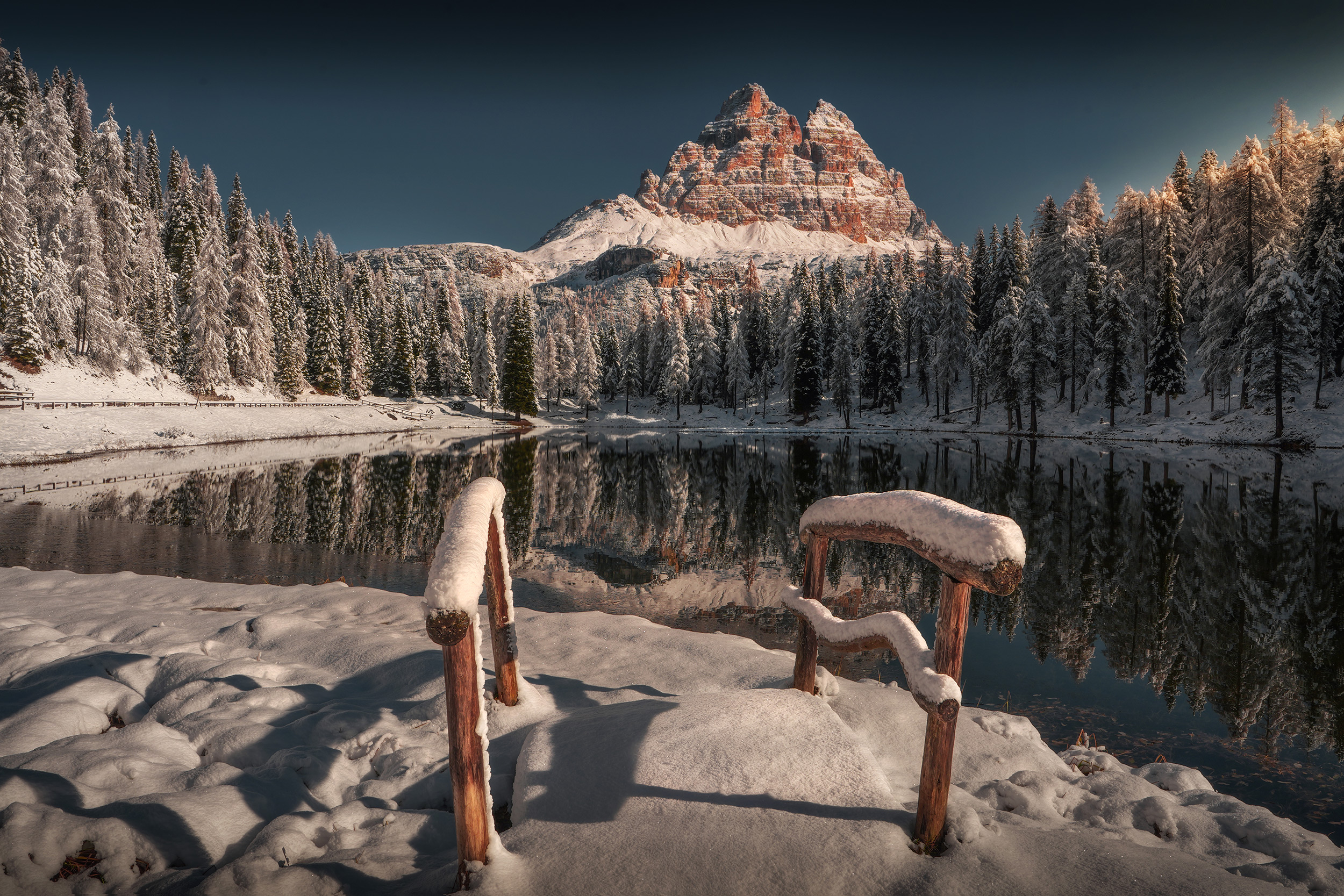 © İlhan Eroğlu | Sony α7 V + FE 28-70mm f/2 GM | 1/320s @ f/13, ISO 100
What truly impressed me is how natural the files look. With its wide dynamic range and low-noise performance, the Alpha 7 V captures the full complexity of a scene: gentle morning pastels, deep valley shadows, soft sunlight transitions, and the subtle gradients that often get lost in difficult light. Even in high-contrast sunrise or sunset situations, highlights stay controlled and shadow detail remains intact.
For distant subjects, the Alpha 7 V includes AI-enhanced extended RAW processing, giving extra flexibility when cropping into faraway cliffs, peaks, or layered ridges - delivering clarity that feels beyond its resolution class.
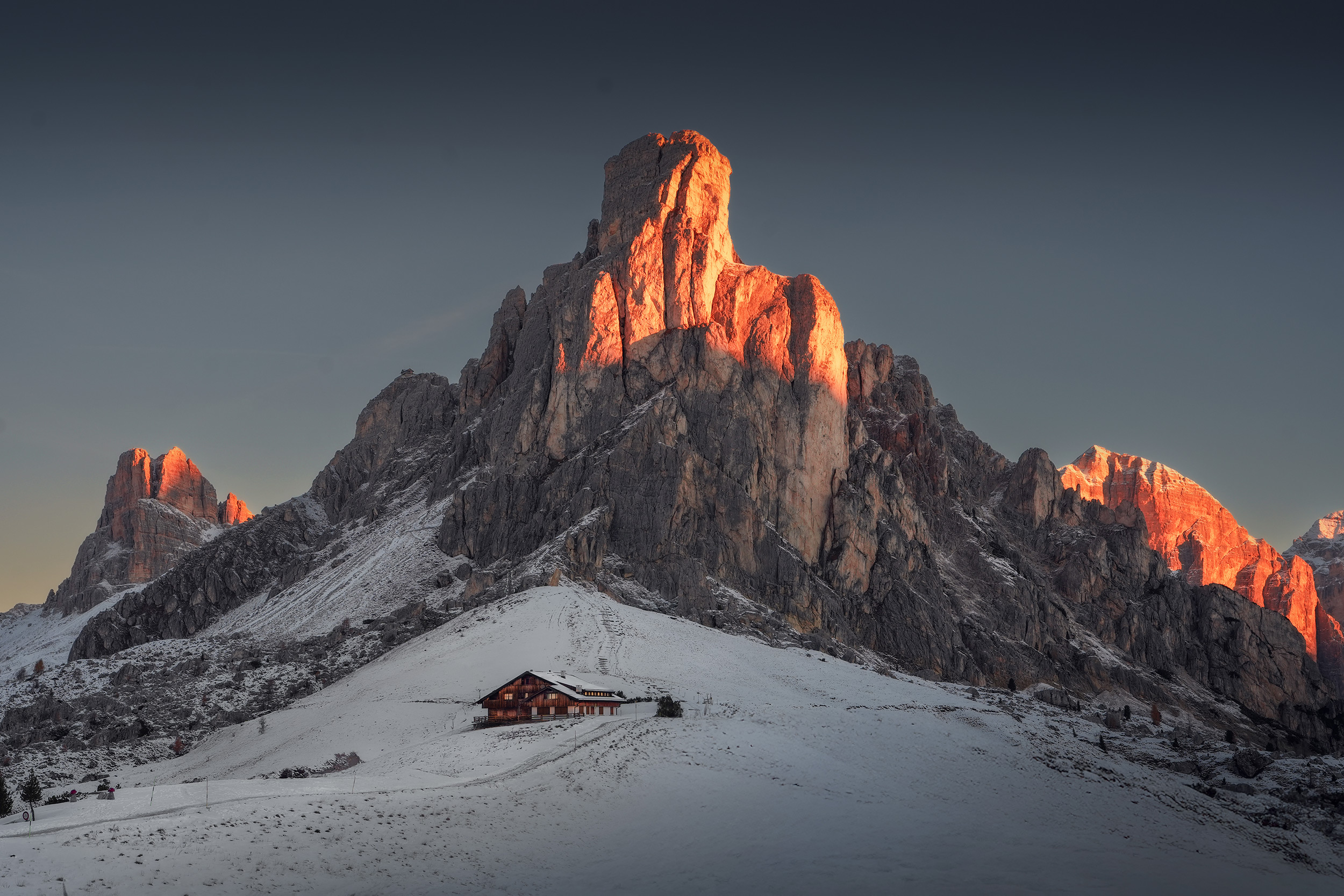 © İlhan Eroğlu | Sony α7 V + FE 28-70mm f/2 GM | 1/100s @ f/7.1, ISO 200
From Sunrise to Starlight: True Tonal Flexibility
Light in nature is never static. It moves, shifts, breaks through clouds, hides behind mountains, or glows softly before dawn. Capturing that dynamic character requires a camera that handles transitions gracefully.
With up to 16 stops of dynamic range, I found that the camera preserves subtle tones that are essential in landscape work. Cloud edges stay textured instead of blown out. Snow retains shape and depth. Forest shadows remain detailed without turning muddy or noisy.
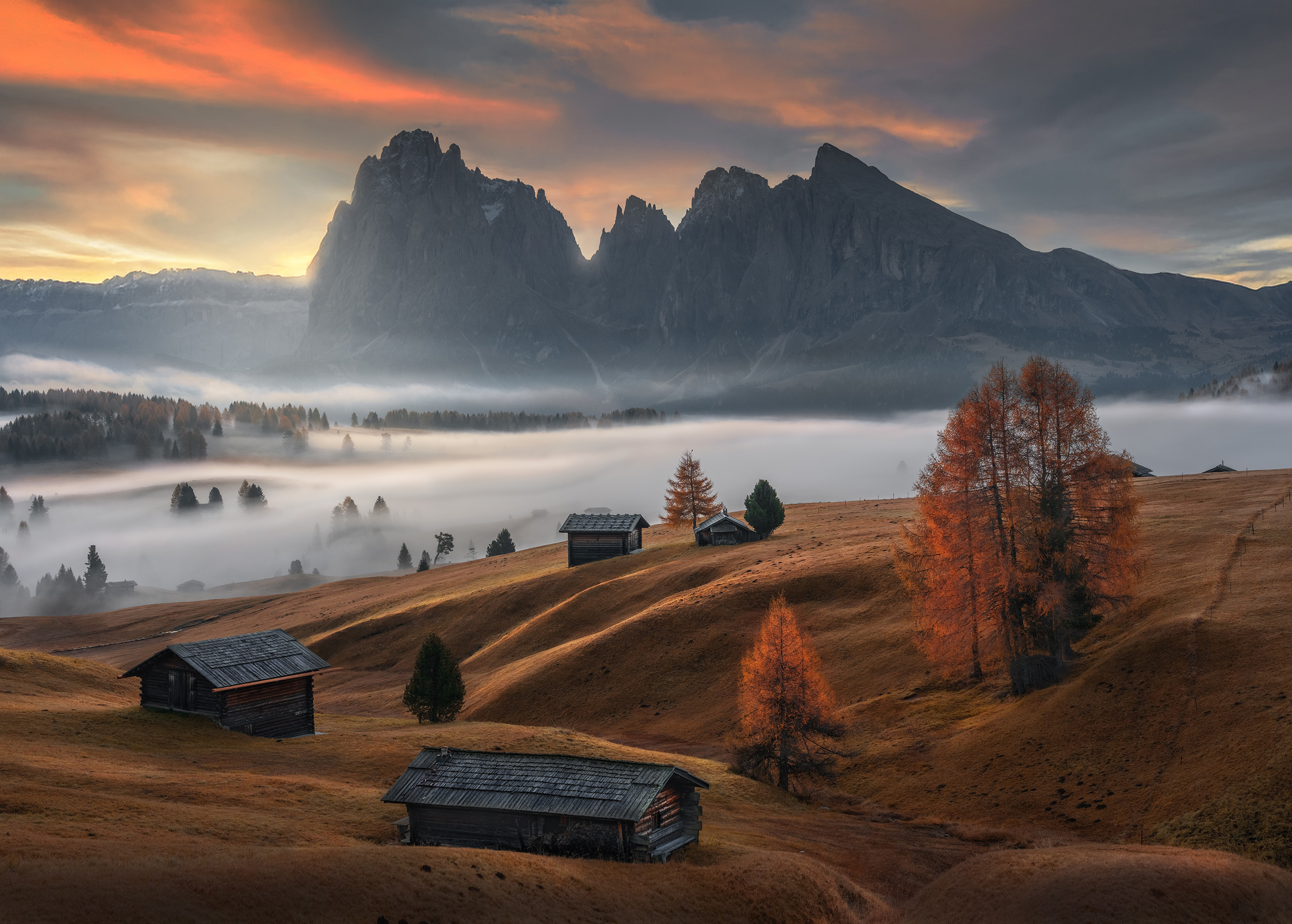 © İlhan Eroğlu | Sony α7 V + FE 50-150mm f/2 GM | 1.3s @ f/9.0, ISO 100
The low-noise performance allows shooting freely during the blue hour or twilight — times of day when mood is strongest, but light is weakest. The images remain clean, natural, and full of depth even before editing. Combined with the resolution, this dynamic range allows true tonal storytelling from sunrise to starlight.
Landscape photography is often slower and more deliberate — but nature itself can be unpredictable and fast. Fog moves rapidly through a valley; a ray of light touches a mountain peak for just a second. Waves form patterns that exist only for a moment.
The 30fps blackout-free shooting, paired with pre-capture, ensures that these moments aren’t missed. Pre-capture records frames even before the shutter is fully pressed, giving a level of timing precision that’s invaluable for scenes with fast-changing light or motion.
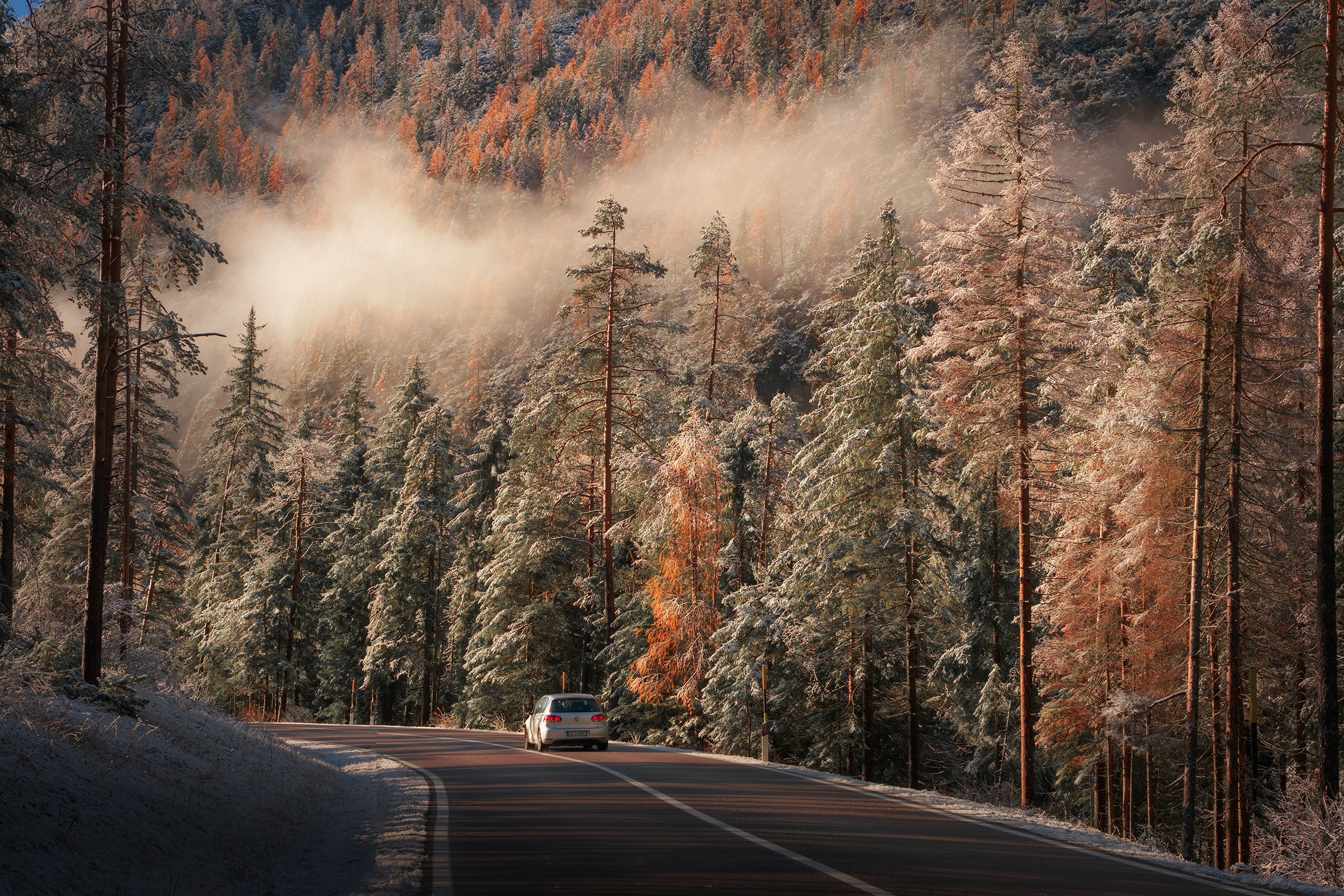 © İlhan Eroğlu | Sony α7 V + FE 28-70mm f/2 GM | 1/320s @ f/9.0, ISO 200
Sony’s AI-assisted autofocus also plays a role here. While it’s known for wildlife and human subjects, in landscape work its ability to accurately detect shapes and maintain consistent focus is equally useful — especially when shooting elements like foreground textures, tree lines, or moving clouds.
Landscape photography often means long hikes, steep climbs, cold mornings, and unpredictable weather. Gear weight and durability matter far more than most people realise.
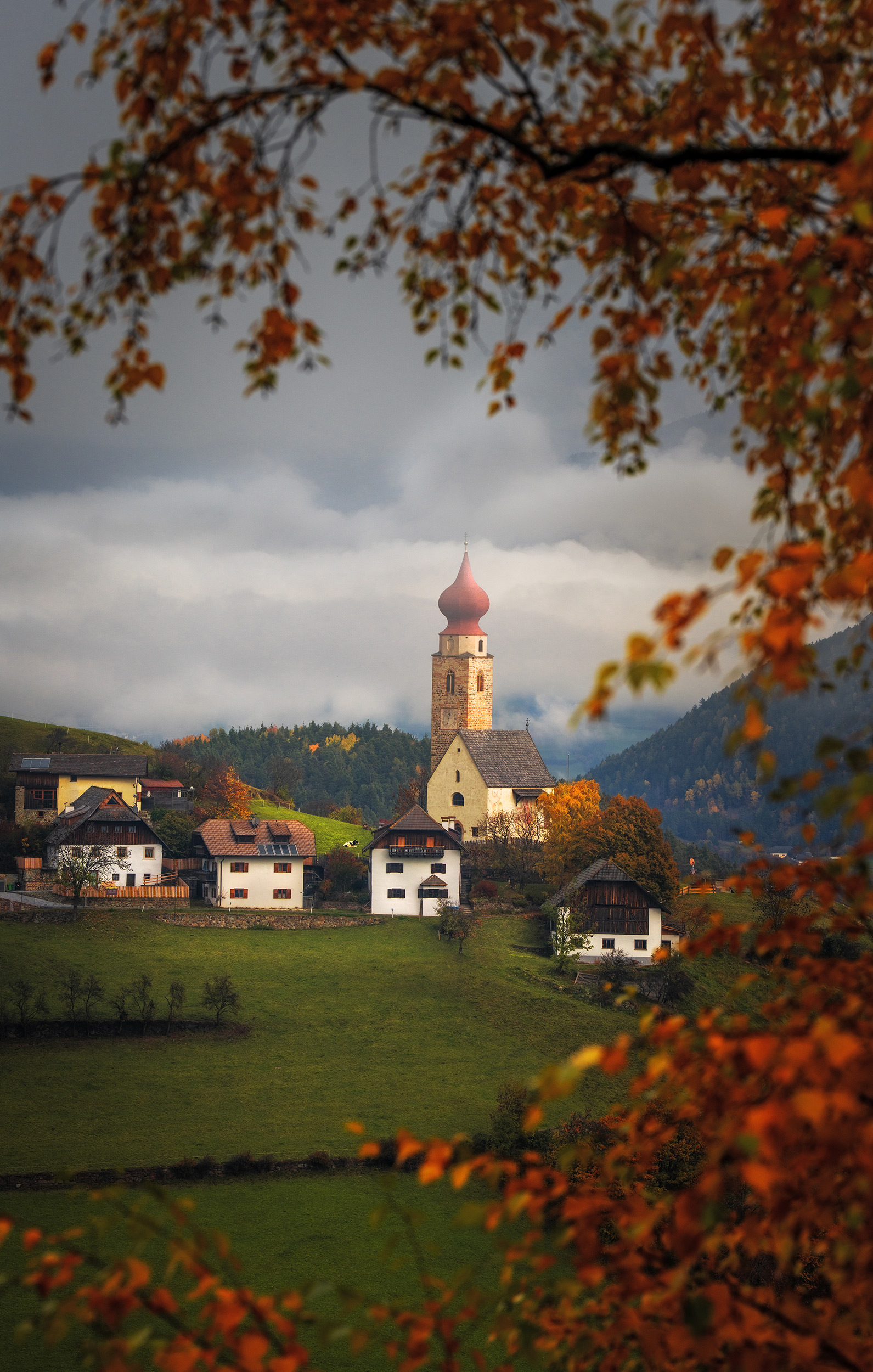 © İlhan Eroğlu | Sony α7 V + FE 70-200mm f/2.8 GM OSS II| 1/250s @ f/9.0, ISO 200
One of the reasons the Alpha 7 V impressed me, is its combination of lightweight portability and robust weather-sealing. During my testing period, I carried it through misty valleys, windy ridgelines, and early morning frost. Instead of worrying about the camera, I could focus entirely on the composition and the shifting light.
One morning, while climbing toward a ridge before sunrise, clouds suddenly rolled in and wrapped the landscape in fog. The path was narrow and rocky, and a tripod would have slowed me down. With the Alpha 7 V, I could shoot handheld with ease, relying on its 7.5-stop IBIS to keep the image sharp. The weather-sealing handled the moisture without hesitation, letting me shoot freely even as the fog thickened.
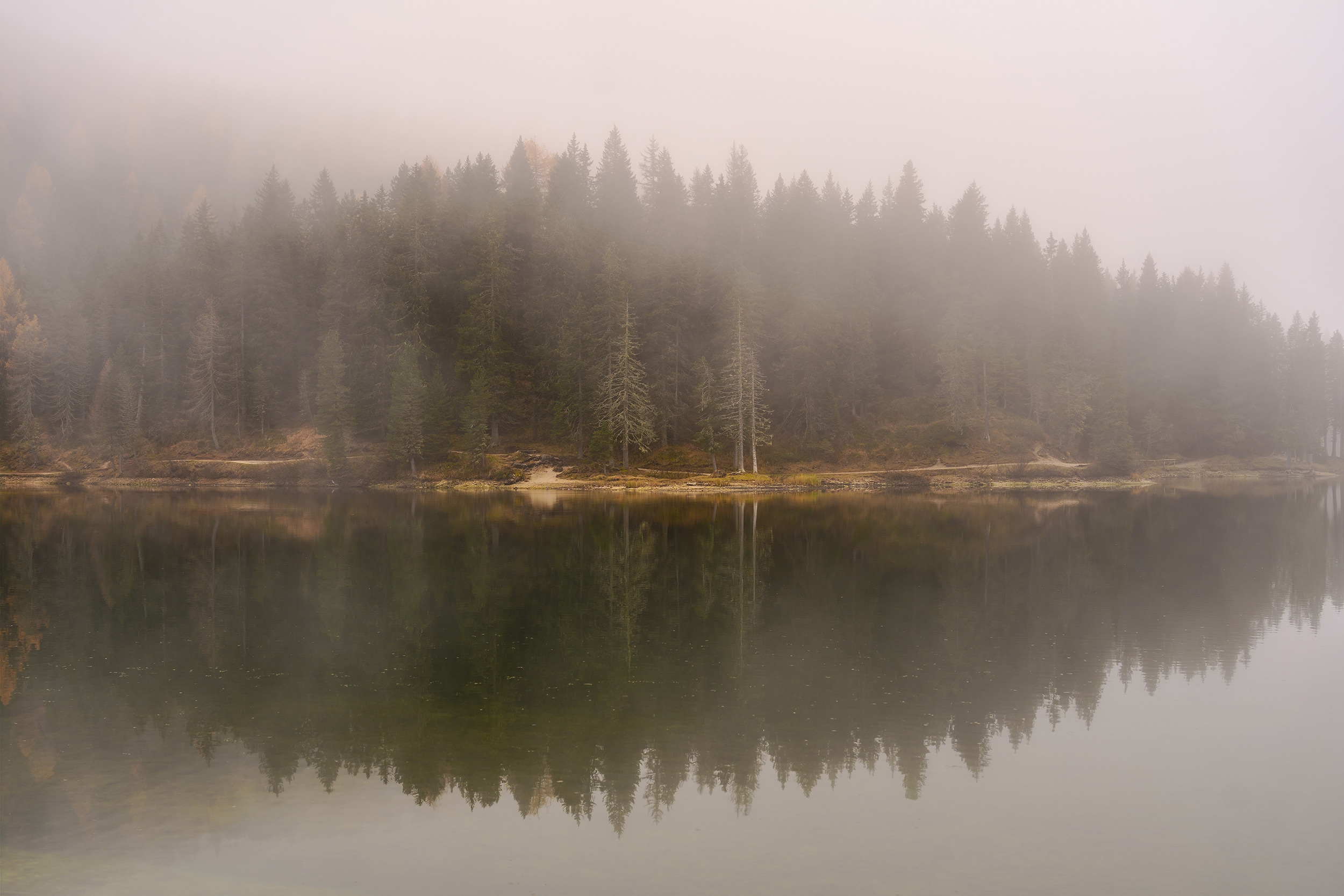 © İlhan Eroğlu | Sony α7 V + FE 50-150mm f/2 GM | 1/20s @ f/4.0, ISO 100
Later that day near a riverbank, water spray hit my hands and gear as I moved close to the surface for a low-angle reflection shot. Again, the camera remained steady and reliable. The strong grip, compact body, and sealed construction allowed me to experiment freely without worrying about safety or durability. For traveling photographers, this mix of lightweight design + weather-resistant build is transformative. It’s the kind of camera you instinctively bring everywhere.
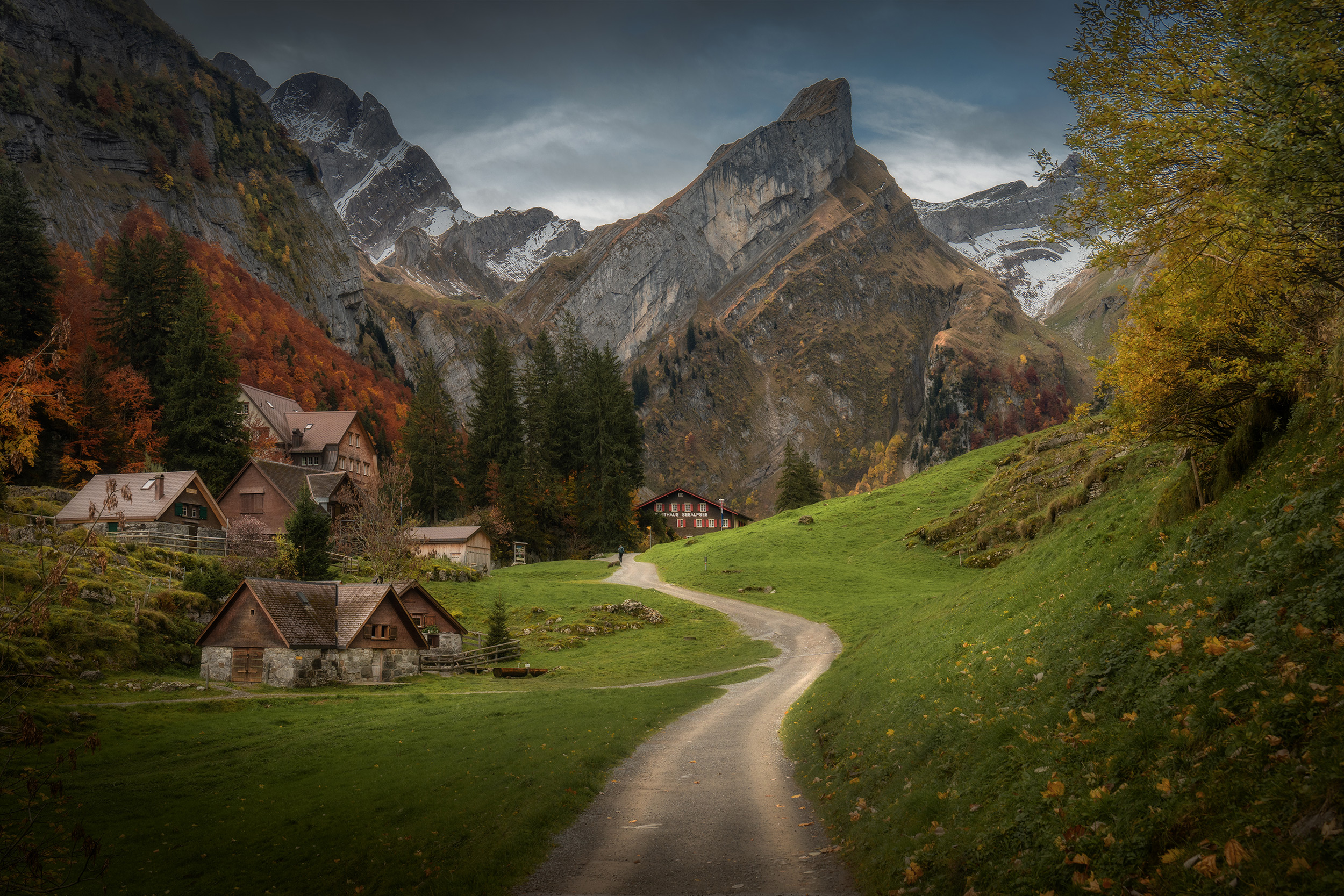 © İlhan Eroğlu | Sony α7 V + FE 28-70mm f/2 GM | 1/80s @ f/7.1, ISO 50
Everything about the Alpha 7 V is designed to support photographers who prioritise mobility, adaptability, and reliability.
Featured products


İlhan Eroğlu | Turkey
"The world is a huge canvas for me. In every country I visit, I paint my own pictures by taking photos"


