
Redefining Cinema Cameras: The Sony FX2
António Morais
For cinematographer and photographer António Morais, his ‘Faixa 002’ promotional film for the Sony FX2, produced by RAW.filmes and directed and edited by the creative duo TWINPAACK, became the perfect embodiment of the camera’s dual nature. “In Portuguese, 'FX2’ is called ‘Faixa Dois’, and ‘Faixa’ is written with an F and X. So basically, it's ‘track 2’ or ‘Faixa 002’. We wanted to explore this concept of duality of things, the idea that you can present one version of yourself to the public but then be something else personally. I think that this camera has this duality.”
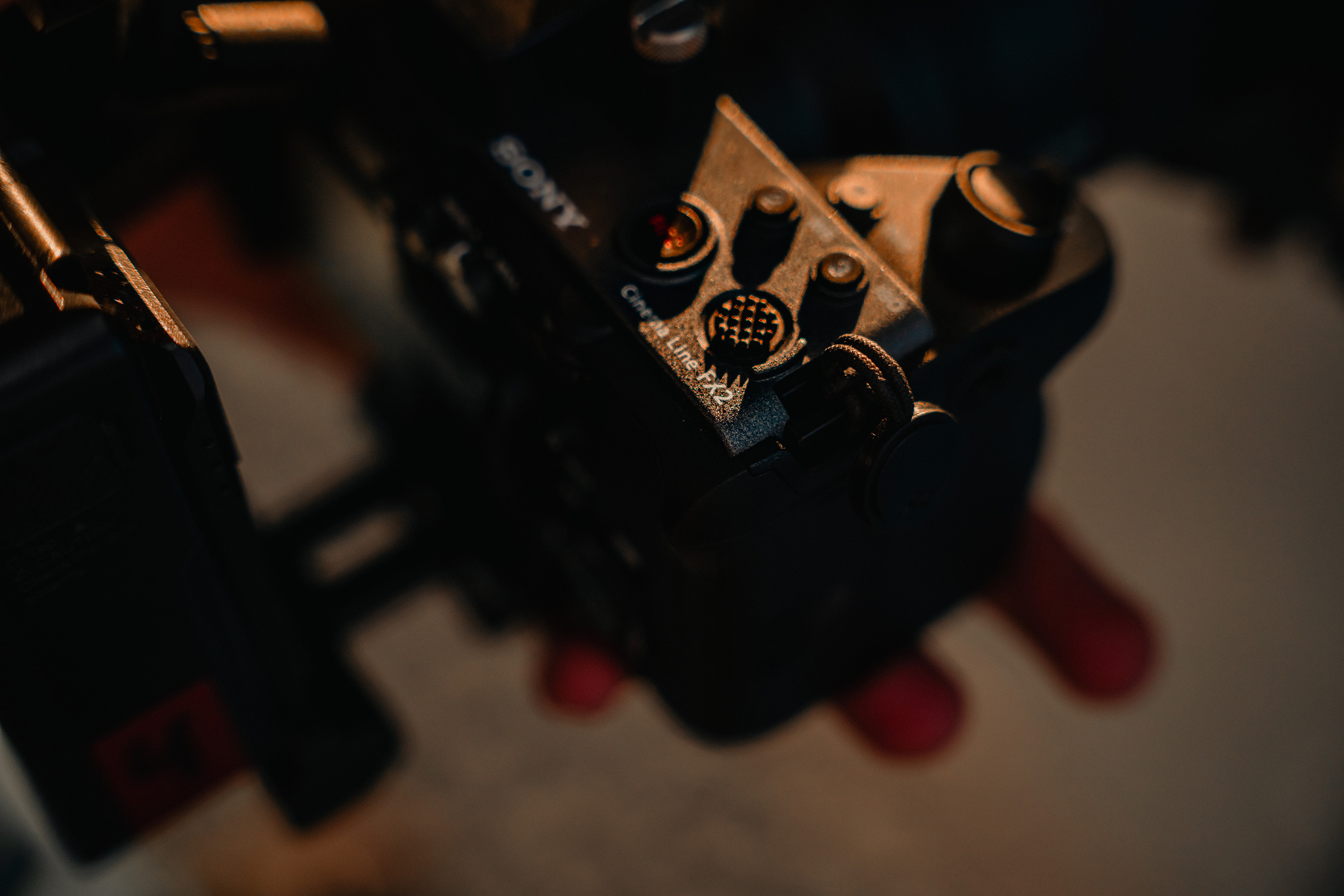
The duality of the Sony FX2 comes from its use of a 33-megapixel full-frame sensor. It can record 4K video from down-sampled 7k footage for incredible detail and image quality. With 4:2:2 10-bit capture, S-Log3, and S-Cinetone, as well as 16-bit raw video over HDMI, it is a fully featured cinema camera yet retains the exact photo resolution of Sony’s best-selling Alpha 7 IV camera.
“I would call the FX2 a reverse hybrid, it's a cinema camera that shoots high resolution photos,” says António.“People say it sits between the FX30 and FX3, but to me it’s a camera that creates a new path.”
 © António Morais
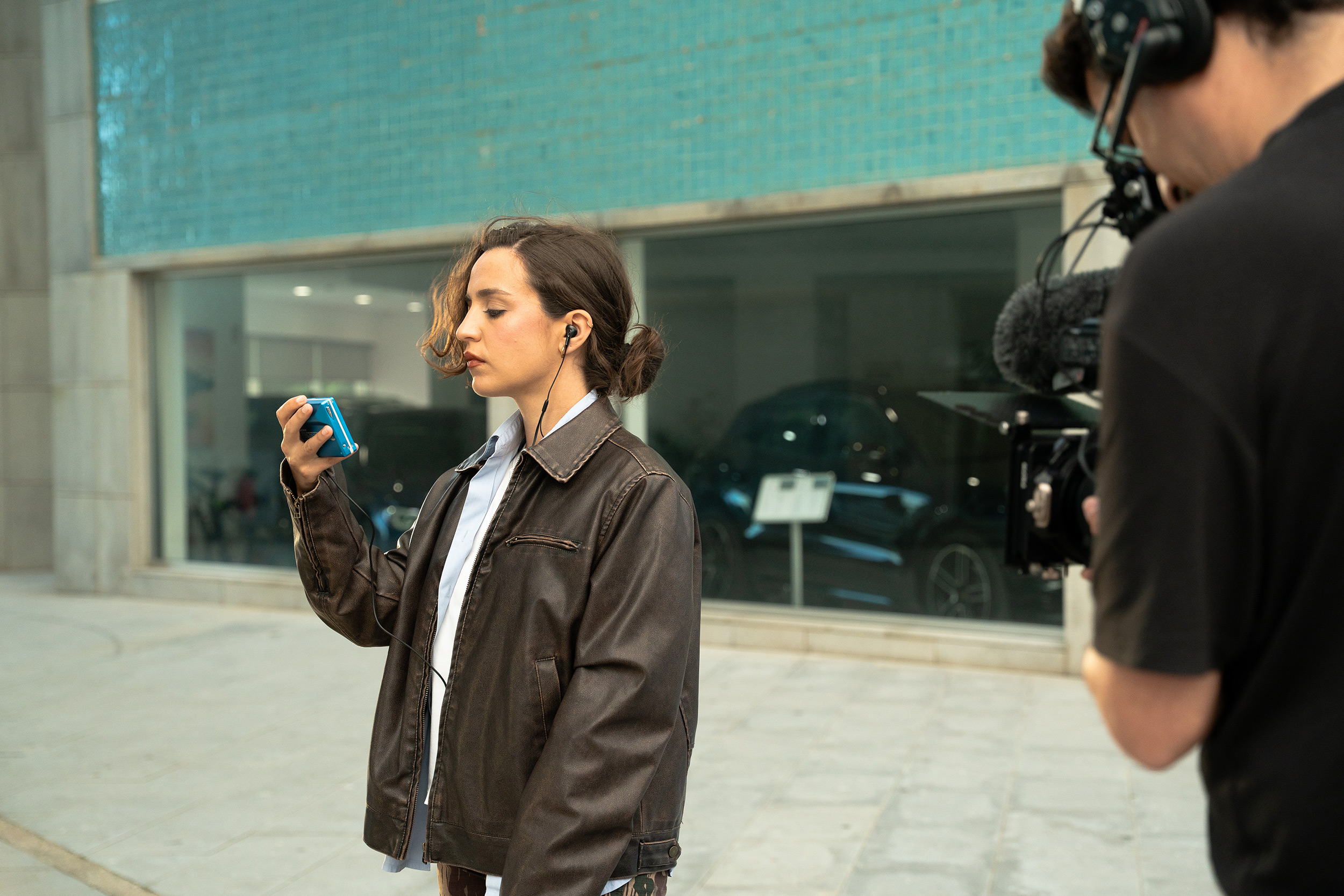
The film pays homage to the 90’s with touches of memorabilia as we follow an aspiring actress caught between her mundane work life and the manifestation of her artistic aspirations. When she hears the music on her Sony Mini Disc player, the adrenaline and power of a motorcycle is the same type of fuel as her ambition and freedom.
 © António Morais
Whilst much of the film is shot on the Sony FX2, there are small sections that were captured with a Sony Mini DV Handycam to get a true 90s aesthetic. “We wanted to pay homage to the digital. For a while, there has been a nostalgia for analogue film, but a generation is now getting a nostalgic feeling for early digital footage and products.”
 © António Morais
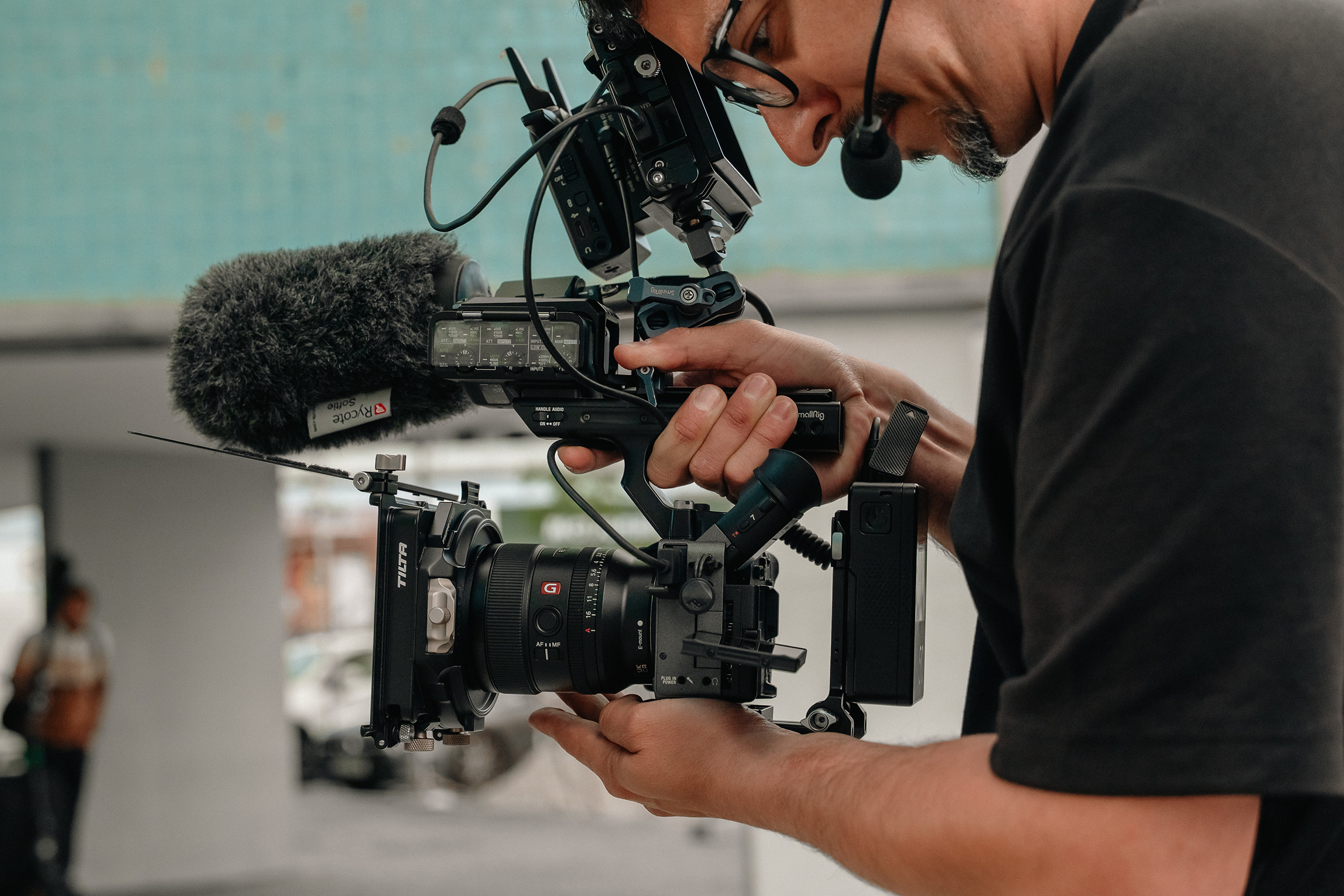
The FX2 itself has an articulate viewfinder, like those found on Handycams of the 1990s, a feature that António sees as showing a generational divide. “A lot of people who were born in the late 90s got used to operating cameras through the screen, either on their compact digital cameras or using their parents' smartphones. People got stuck in the habit of using a monitor, and they don't see the benefits of using a viewfinder.”
For António, the benefit is clear and sold him on the idea of the camera in the first place. “The viewfinder is the most important thing in this camera. I immediately ordered it when I saw the viewfinder for the first time.”
 © António Morais
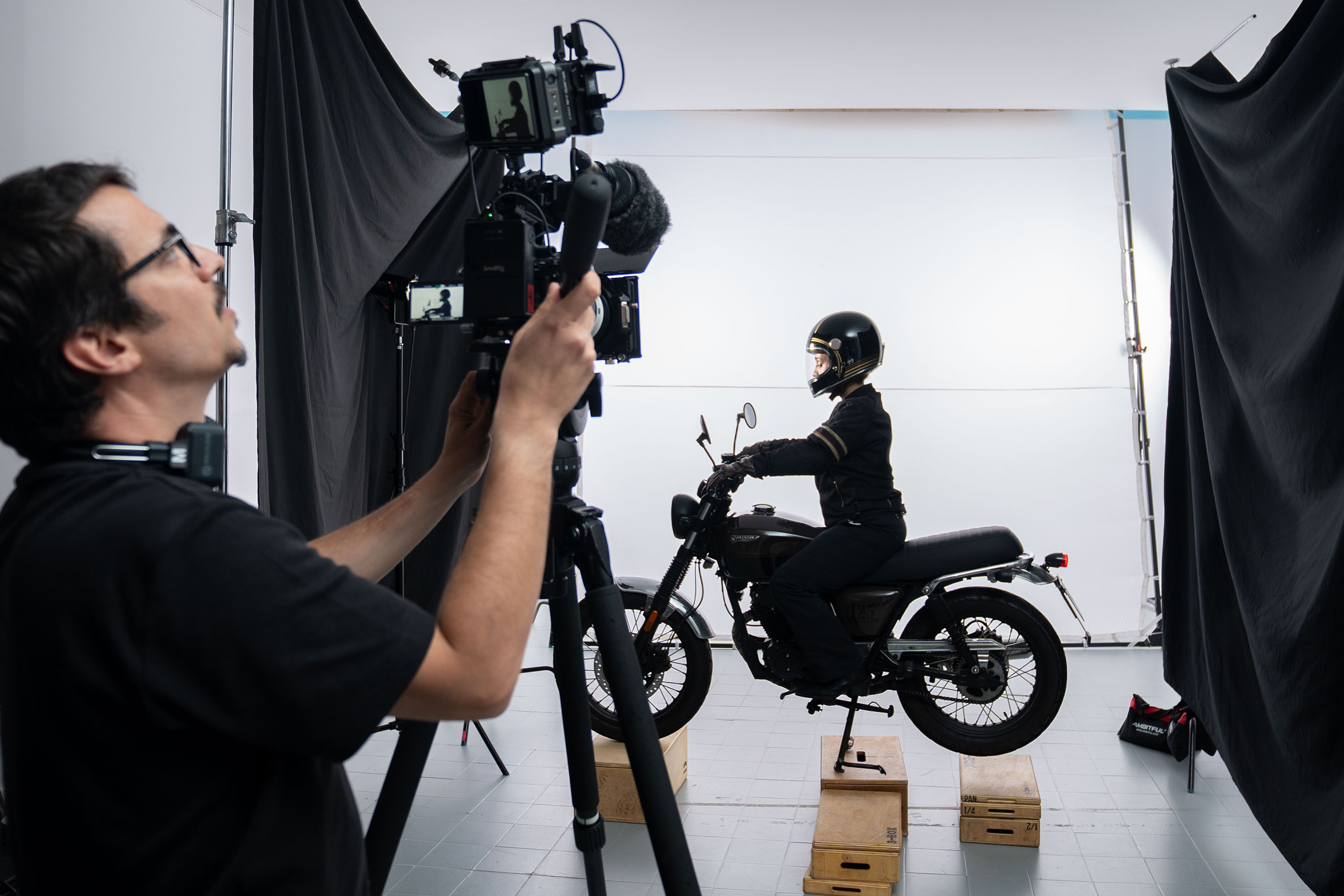
‘Faixa 002’ was shot over a single day, with a whole filmmaking crew, and a variety of scenes in a range of locations. It was when shooting in bright sunlight that the viewfinder proved its worth. “We shot a couple of scenes with the viewfinder because I was shooting during the day. It's always nice to escape the sun by looking through the viewfinder. I love that it comes with a nice silicone rubber eyepiece and that there is a programmable button on the side of the viewfinder. I used this button to turn on and off the LUT preview so I could quickly check exposure and what the final footage would look like.”
António is accustomed to shooting with the Sony FX3 camera, as well as the Burano and Venice CineAlta cameras. The FX2 features the BIG6 (Home) screen, which is featured on those cinema cameras. It allows cinematographers to see and access the six most frequently used settings: FPS, ISO, Shutter Speed/Angle, Aperture/ND Filter, Look, and White Balance. “It helps a lot, as assistants can quickly see the settings and check everything is correct” says António.
The FX2's Dynamic Active SteadyShot particularly impressed António during handheld sequences. “It looks smooth and more natural,” he says, recalling one scene he shot with the Sony FE 24mm f/1.4 GM at f/2.8 with Dynamic Active enabled, achieving gimbal-like stability while walking.
 © António Morais
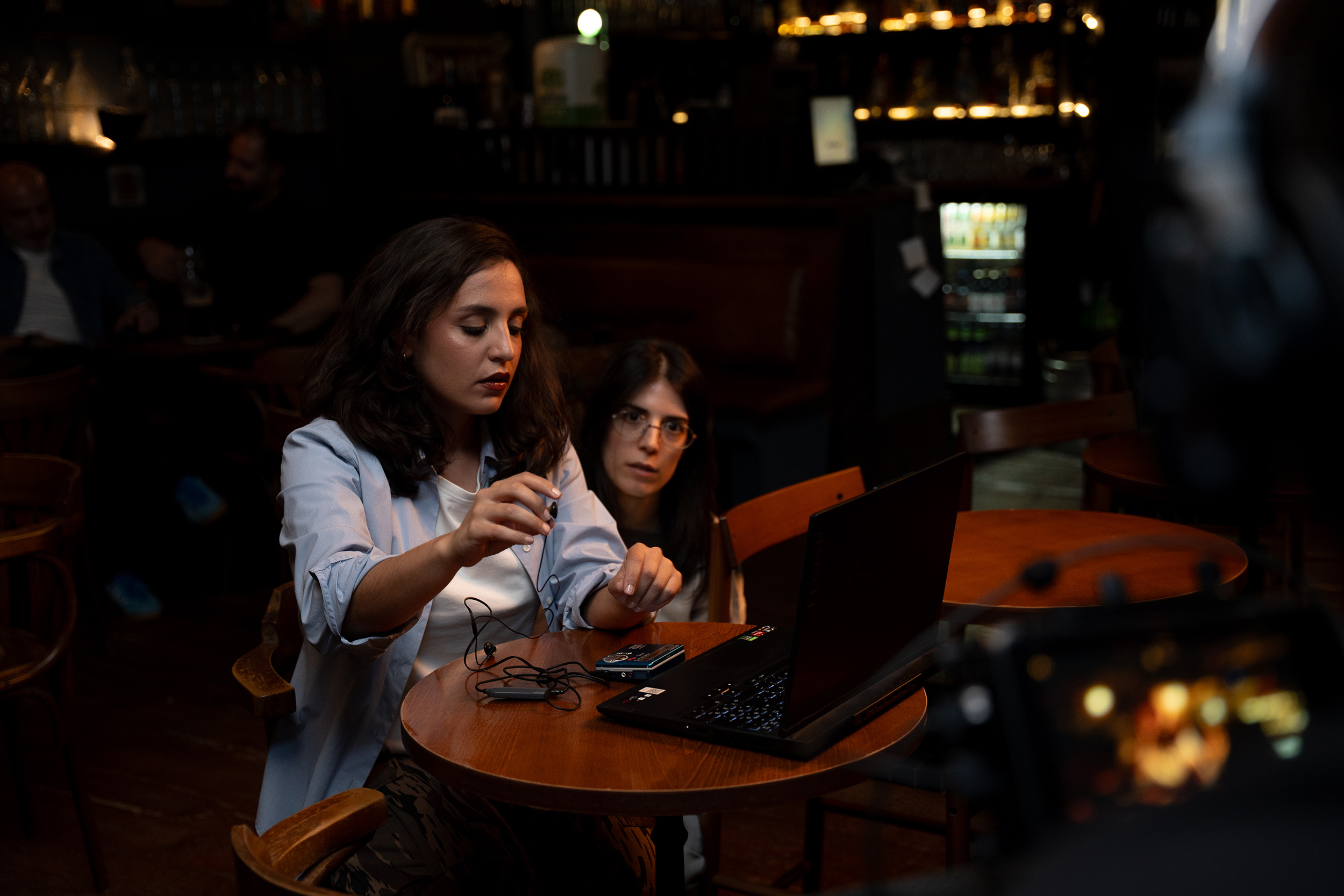
During the one-day shoot, António discovered the creative potential hidden within the FX2's features. One memorable dream-like scene was shot with a shutter speed slower than the frame rate to create blurred footage. “For the scene in the bar, we asked Claudia, the actress, to do all the action very slowly, and everyone around her was moving quite fast. In post-production, we accelerated the footage so that Claudia was moving at normal speed whilst the world sped up around her.”
António began his career as a photographer before transitioning into cinematography, and still images continue to play a significant role in his process. “The FX2 is a cinema camera that shoots photos with no restrictions. It fulfils the wishes that I would have as a photographer on a cinema camera.”
CREDITS
Produced by RAW.filmes and António Morais
Directed by Twinpaack - Rita and Raquel Ferreira
Powered by Sony Portugal Starring Cláudia Gomes
Crew
Cinematographer - António Morais
Production Manager - Ana Sousa
Assistant Camera - Vasco Araújo
Gaffer - Pedro Pimentel
Best Boy - Tomás Costa
Make up & Hairstyling - Tatiana Silva
Editing – Twinpaack
Colour grading - The Blum
Featured products


António Morais | Portugal
"Light is my muse and chance is my greatest ally in telling stories."


