
Nothing but Instinct
Andrea Astarita
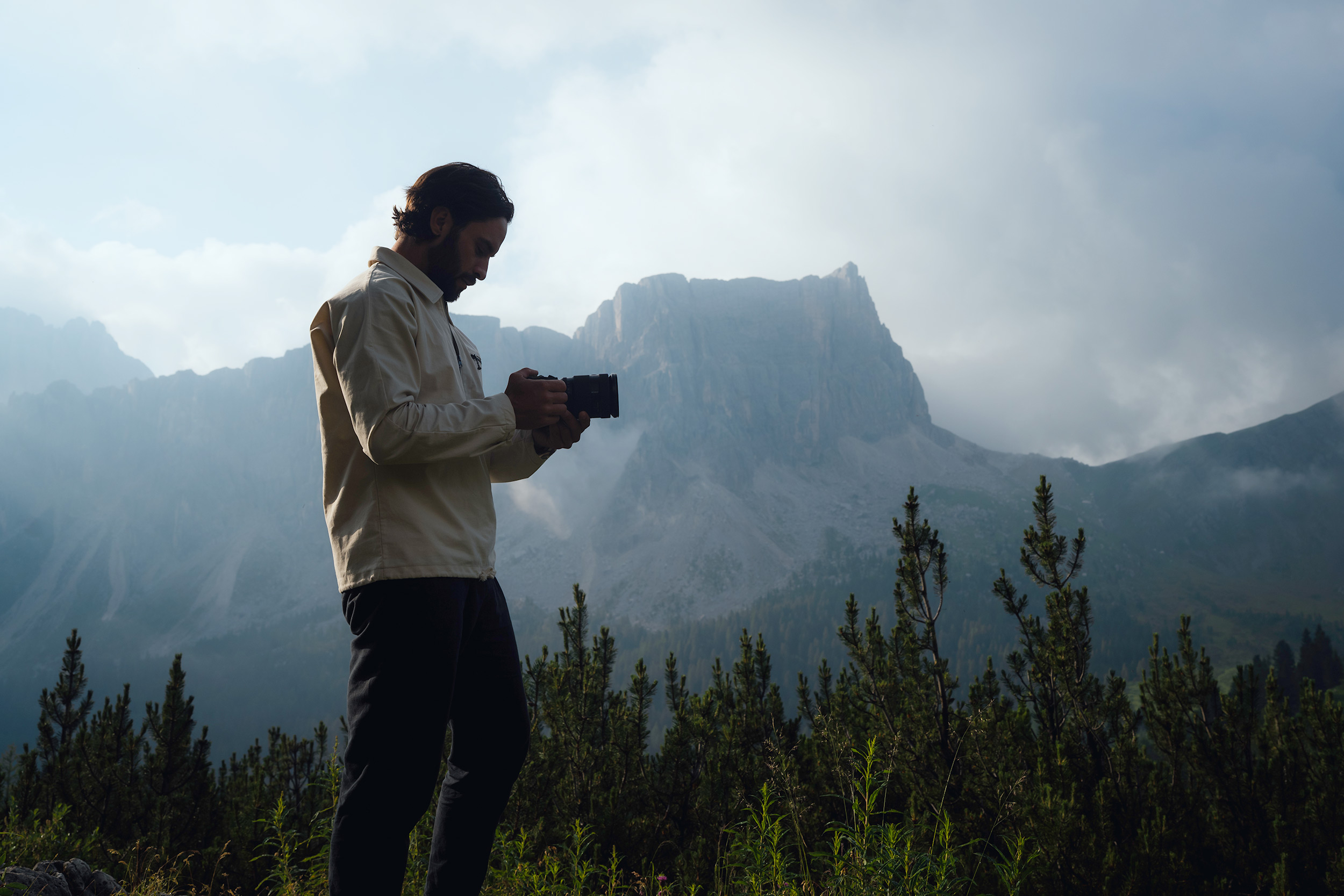
Like every other great creative project, Andrea Astartita’s short film ‘Nothing But Instinct’ began as a spark. “It was all about instinct, about going with your gut feeling regarding content creation and photography, and taking risks,” says the Italian filmmaker. What started as a conversation with his friends and fellow filmmakers, Luca Ruggiero (@imlukez) and Gianluca Armenio (@armen.io), became a dramatic, fast-paced film, shot over four days in the Italian Dolomite Mountains.
 © Andrea Astarita
“We built up the idea over 6 months,” says Andrea. “We had the idea of filming in Italy, as although I am based in the UK, I’m Italian, Luca is Italian, and the whole team that we used were Italian. We wanted to bring it back to Italy and film there - all of it in the Dolomites.”
With just a few days to shoot, Andrea used the Sony FX3, the Sony FE 28-70mm f/2 GM, and the FE 50-150mm f/2 GM. “We challenged ourselves to use those two lenses because of the range they have - it’s quite flexible.” Those two lenses alone were used to shoot more than 80% of the film, with the Sony FE 16-35mm f/2.8 GM II brought in to add some dramatic super-wide-angle shots in a couple of scenes.
 © Andrea Astarita
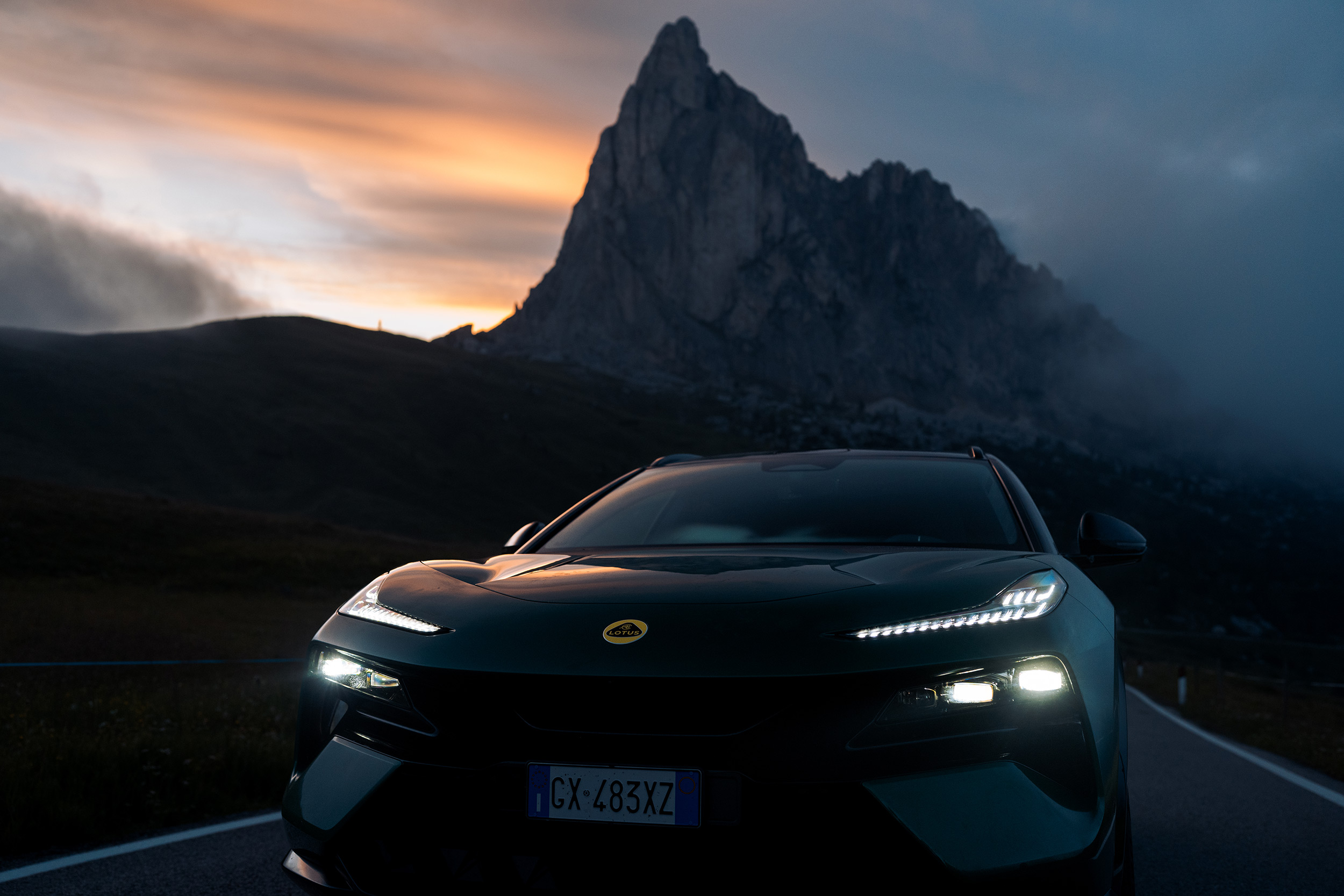
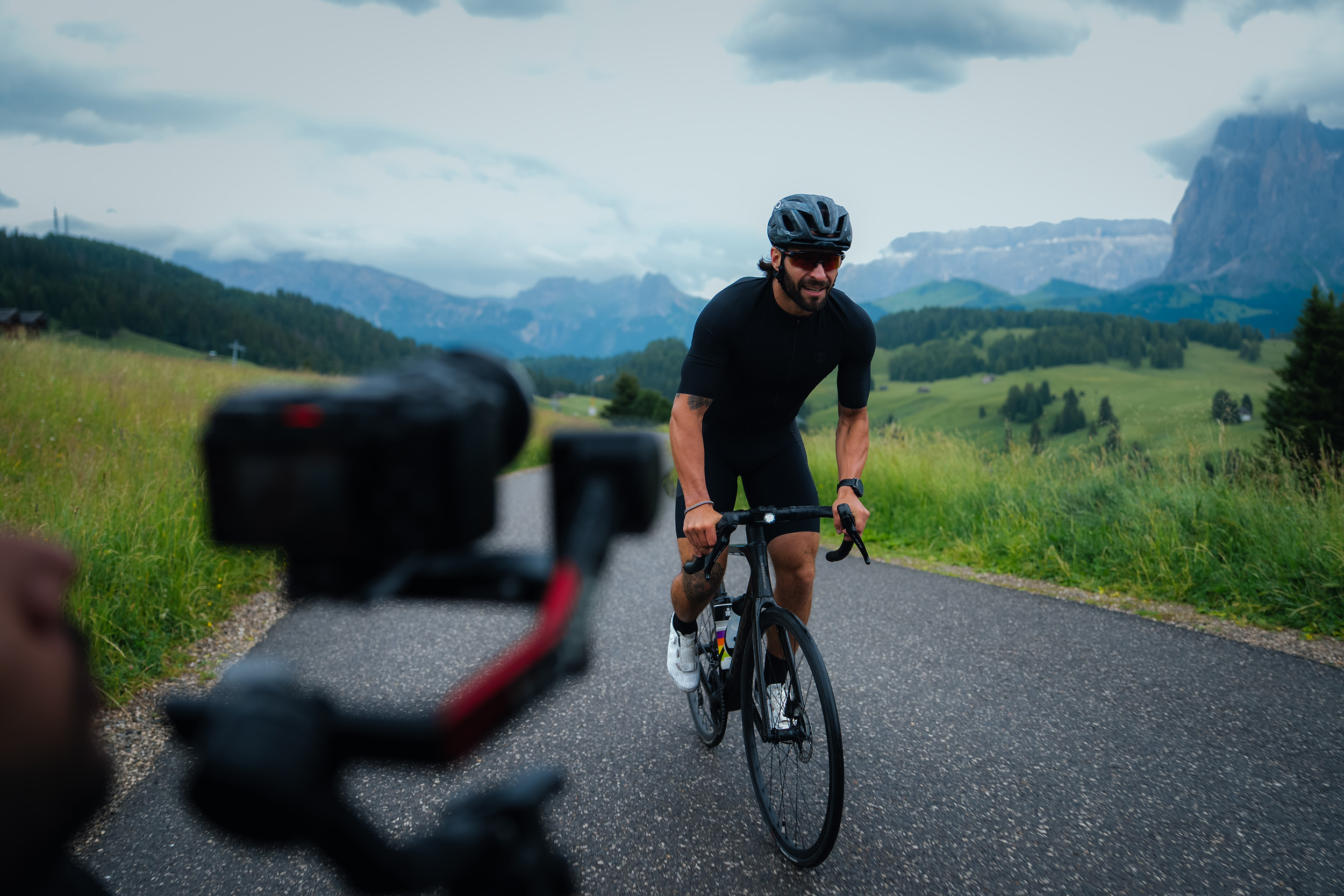
The locations and setups for each scene in the fast-paced, short film varied, from shooting inside a tennis court to dramatic shots of cycling and cars on beautiful mountain roads. And to make the shoot even more complex, Andrea himself was acting in the film - a natural choice given that the whole project was based on his creative struggles.
Having speed and flexibility was key to shooting Nothing But Instinct. Different locations and scenes, combined with the fast action, required filming each part from multiple angles. “Using zoom lenses instead of primes gave us the possibility of shooting the same scene at 28mm and then zooming in to get details during the same sequence. It saved us time compared to having to stop the car and switching lenses and shooting again.”
 © Andrea Astarita
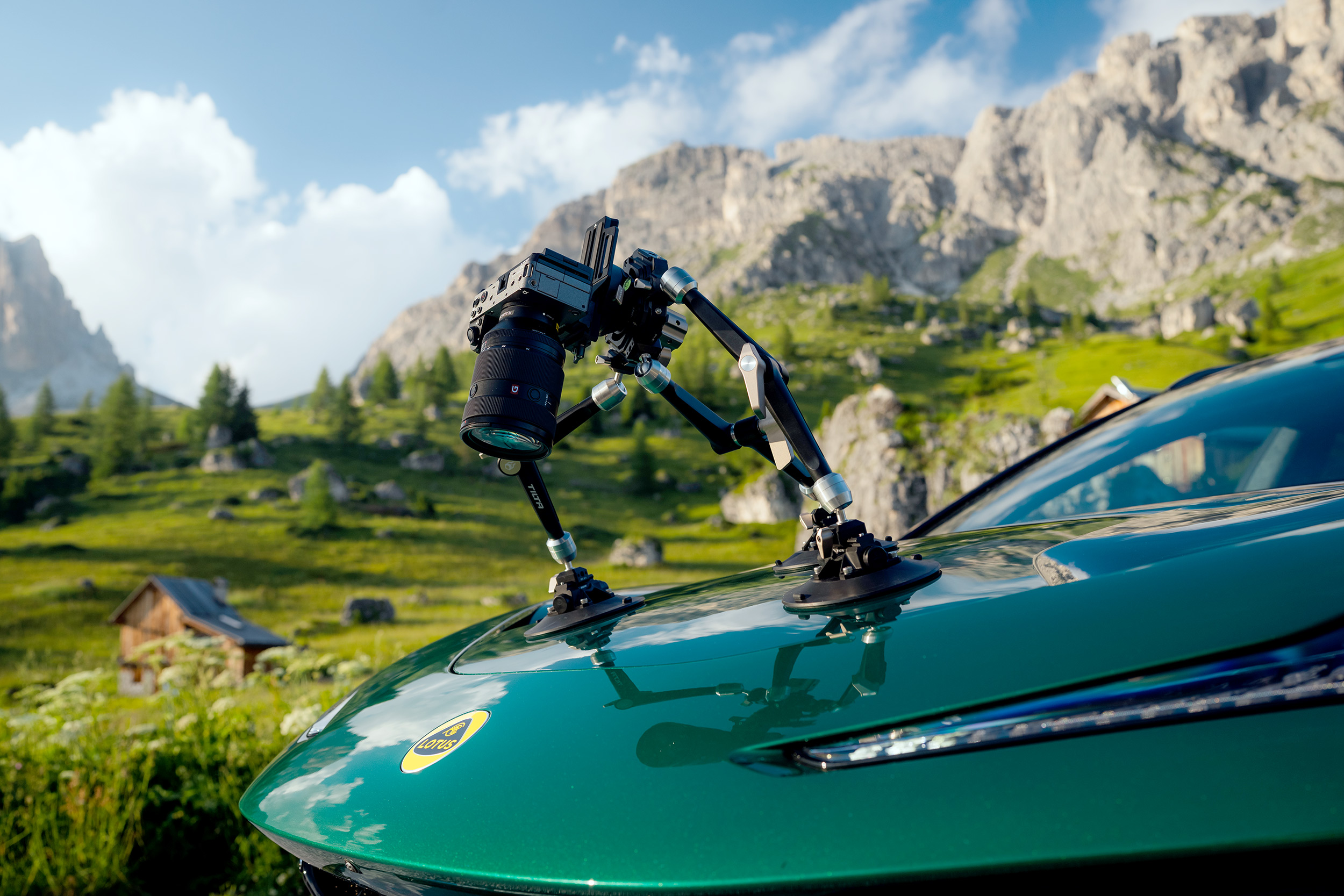
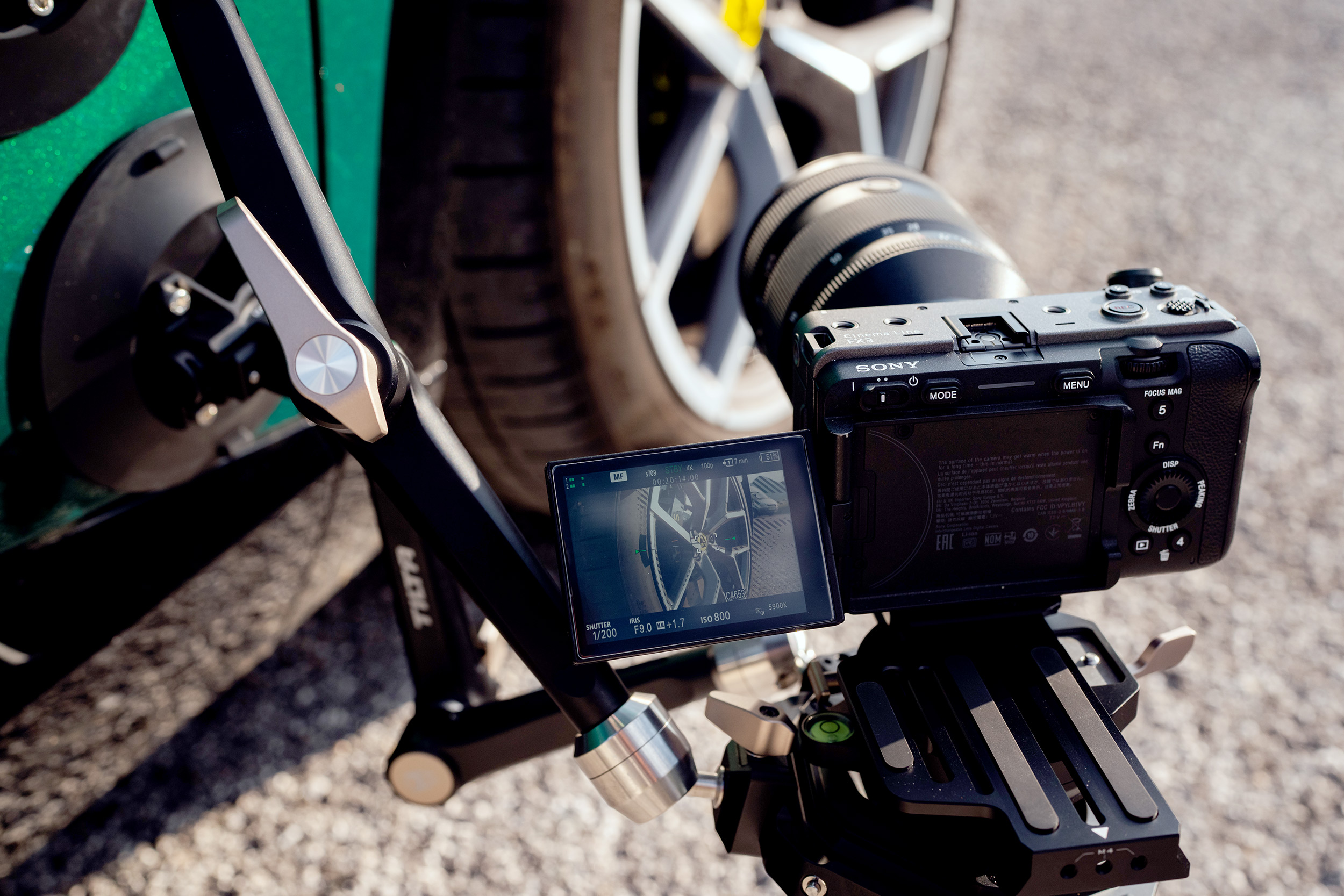
The complexity of the shoot meant that the FX3 was the ideal camera for the project; its size and weight made it easy to shoot handheld, mount on a gimbal, or even to the side of a car using a suction mount. “The fact that the FX3 packs so much capability into a small body was a big advantage for us,” says Andrea. “The FX3 was the perfect size and weight for those shots - you aren’t putting a huge camera on a suction mount. It was a good compact setup.”
 © Andrea Astarita
The image quality was also one of the reasons for shooting with the FX3. Andrea and the team kept everything as simple as possible without compromising image quality. No external monitors were used, and everything was shot in S-Log3 with Gamma Assist on to gauge how the footage would look. “We just didn’t have enough time to also be setting up the camera with monitors and external gear. It was really about trusting Luca and Gianluca, who were the main camera operators.”
The FX3’s dual native ISO allowed the team to capture great footage, whether shots were taken during the day or at night. “During the night, shooting at the higher native ISO was a massive advantage. Paired with the f/2 aperture lenses, it feels like you are getting a lot of extra light.”
In the scenes on the tennis court and cycling down a mountain, the key light was a dramatic spotlight, which became the film’s signature look. “We knew about the spotlight idea before we started shooting, says Andrea ‘One of the spotlight scenes was really tough. I was on a bike, I couldn’t see anything while I was riding, it was cold, and it started to rain.” It was shooting these high-contrast shots that the FX3 came into its own.
 © Andrea Astarita
“For the scenes with the spotlight, you’re exposing for the subject, so you’re not pushing the camera’s image quality that much,” explains Andrea. “But the tracking shots of the car down the mountain passes - that’s when we really pushed the camera’s capabilities. Those mountain passes had no lights, so all we had to play with were the car headlights. But you can still see the surrounding environment in the shots, and I think that’s down to being able to push the ISO of the camera.”
The video has been brilliantly received with over 200,000 views across various platforms, and it has already spurred Andrea and his friends to begin thinking about the next idea. And he hopes that it will also inspire others to go on and create their own passion projects. “If anything comes out of this, I’d love it to be a message of: go out there, and if you have an idea, get your friends together and create it - instead of waiting for a job or a brand partnership to come through. I think we need more of that, just bringing ideas to life.”


