
Lost in the Music
Alex Verhalle
The music is raw and grinding, a sensation you can feel as much as hear. The crowd are pressed into the dark in a ritual of motion, losing themselves in a sensorial overload. In between them, Alex Verhalle moves, searching only for the moments that contain all the underground energy and authenticity of this dark techno experience.
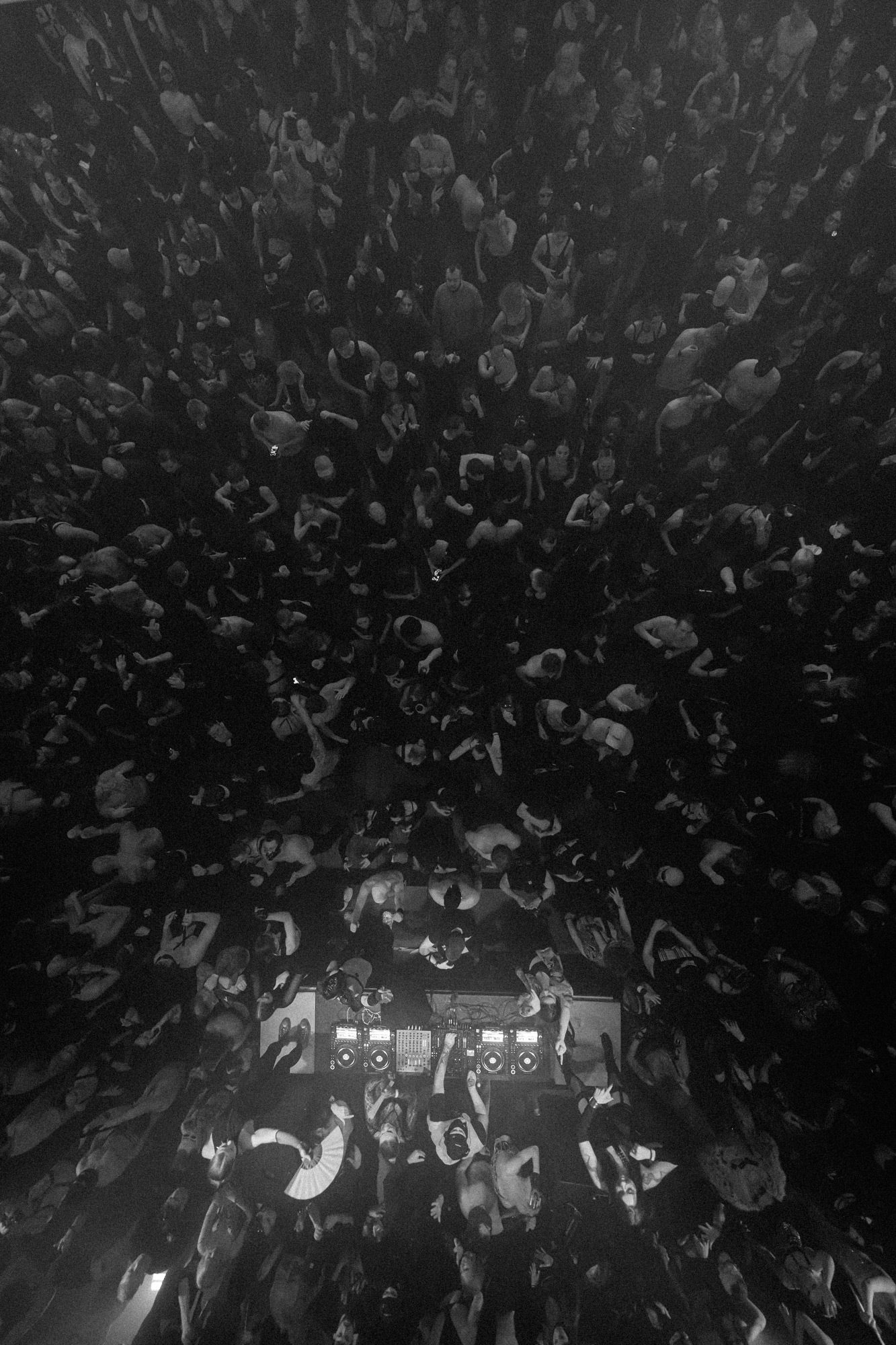 © Alex Verhalle | Sony α1 II + FE 14mm f/1.8 GM | 1/125s @ f/1.8, ISO 5000
And much like the music, he is totally uncompromising. His images are a dark, textured celebration, full of intense shadows, confrontational movement, gleaming sweaty highlights and the harsh unhalting energy of the culture.
“Music is my first love,” he says, “and it’s always been there in my life. Photography is my way of understanding and celebrating it. It’s my reaction and for me it always needs to be honest. The photos I make have to be real, never staged, never posed. The process is about celebrating the raw emotion of people feeling these intense moments.”
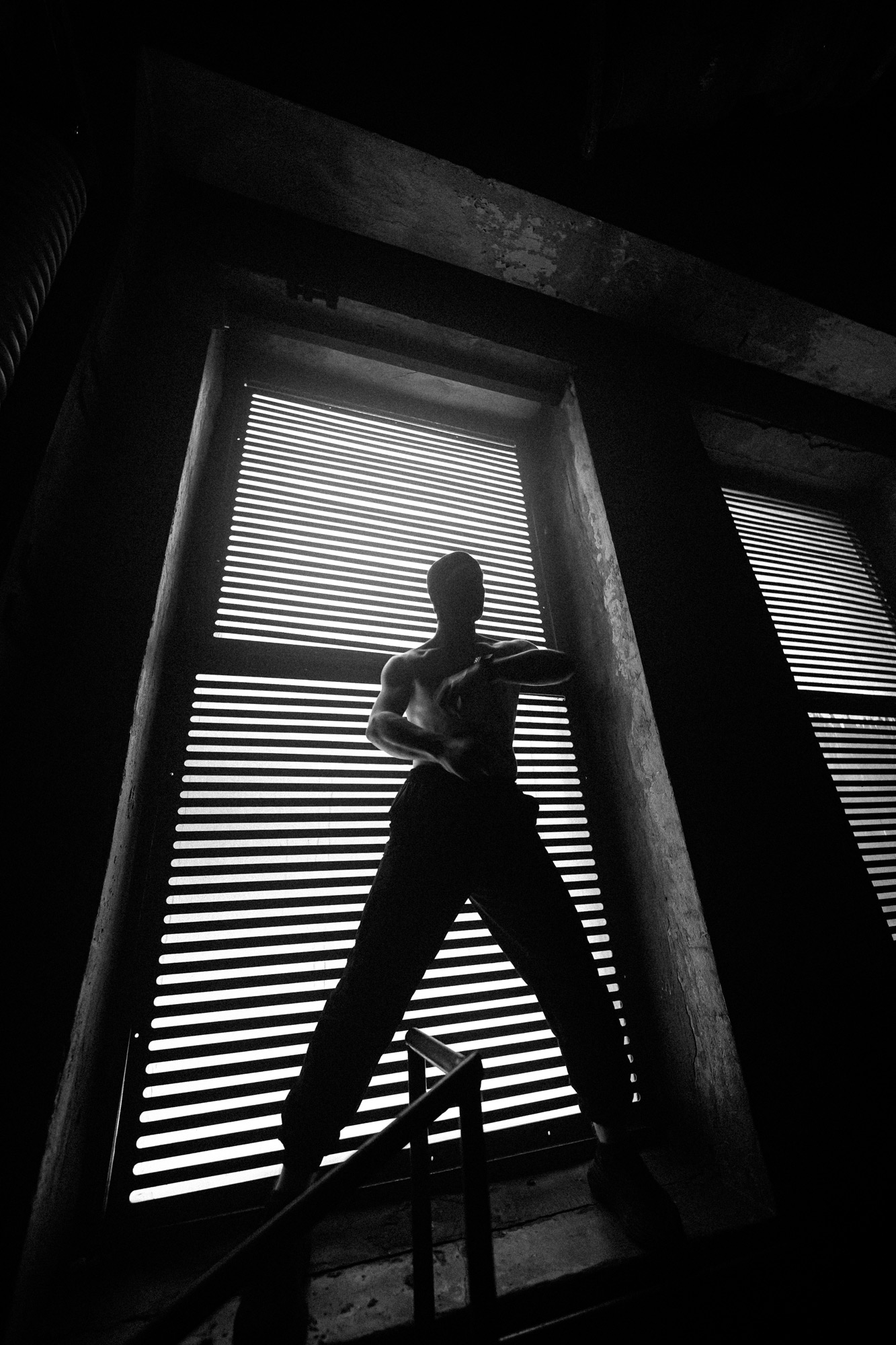 © Alex Verhalle | Sony α1 II + FE 14mm f/1.8 GM | 1/125s @ f/1.8, ISO 200
“If I had a superpower, it would be invisibility,” Alex explains. “I don’t like to be seen, because in that simple interaction, the moment I want can change or even vanish. I want to photograph a person losing it to the music, not someone who’s putting it on. Or worst of all, someone I’ve brought out of their experience. I put myself in their position. A photo should never be at the expense of the moment.”
“Helping the situation,” Alex says, “is that I’m quite small, so I can move around unseen most of the time, and of course the darkness of these environments helps, too. I also work a lot like you’d expect a street photographer to, rarely bringing my camera up to my eye which can attract attention. Instead, I frame from chest or waist level.”
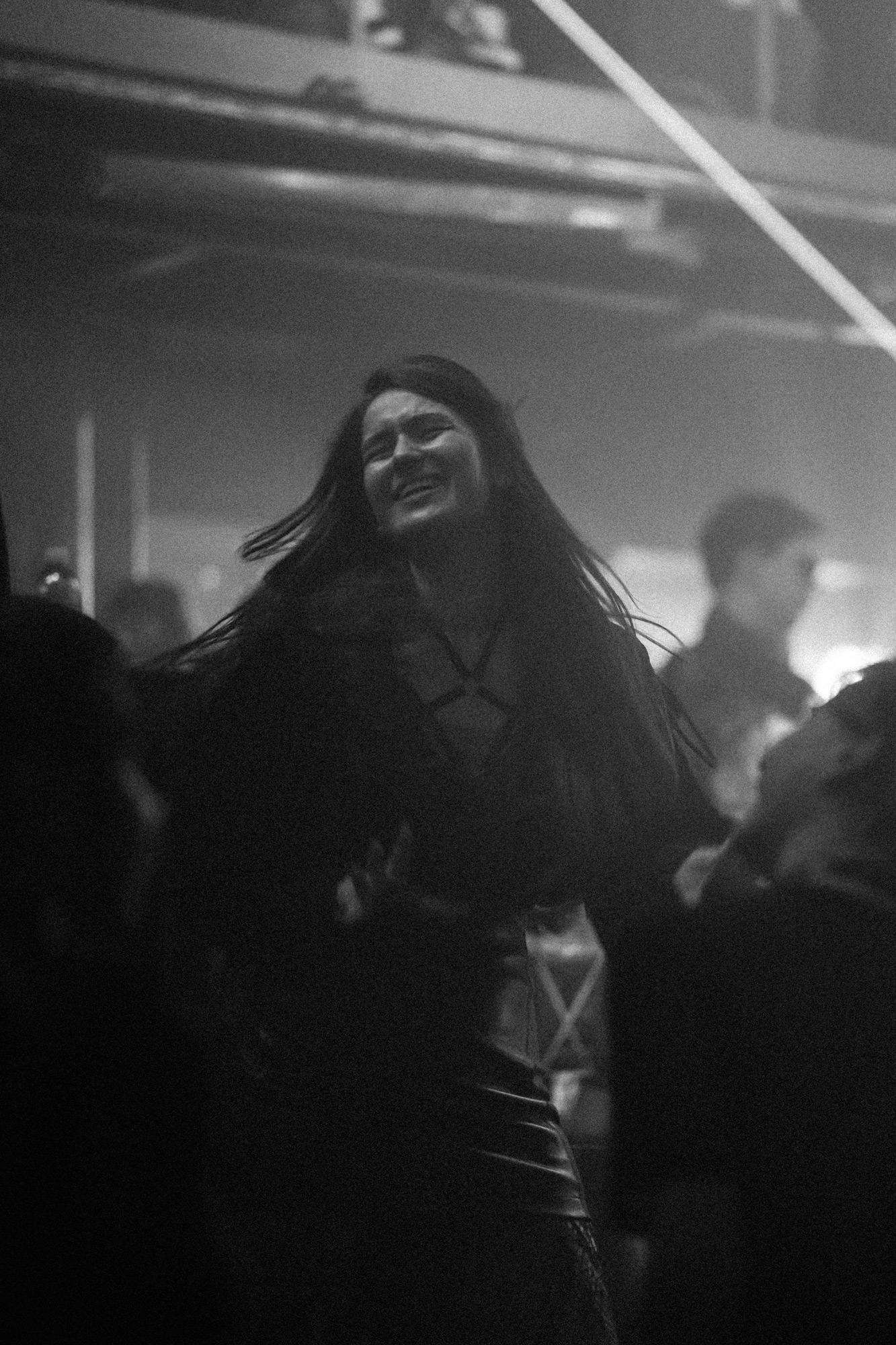 © Alex Verhalle | Sony α1 II + FE 85mm f/1.4 GM II | 1/125s @ f/1.4, ISO 3200
Another part of Alex’s honest approach comes from his unwavering use of black & white. “Ironically,” he says, "monochrome images don’t tend to perform as well on social media, but for me it’s the most effective way to show the intensity and emotion of techno events. And it’s become my signature look. It has a documentary quality which means there’s truth to it, even if monochrome is essentially an abstraction.”
“What’s more,” he continues, “in these environments, the colour of lights and lasers is uncontrollable. The lighting designer can be doing an amazing job, but if a certain hue or highlight gets in the way of the story, it’s a problem for me. I want to focus purely on the purity of contrast, shadows, and shapes. I don’t want distractions, just emotions.”
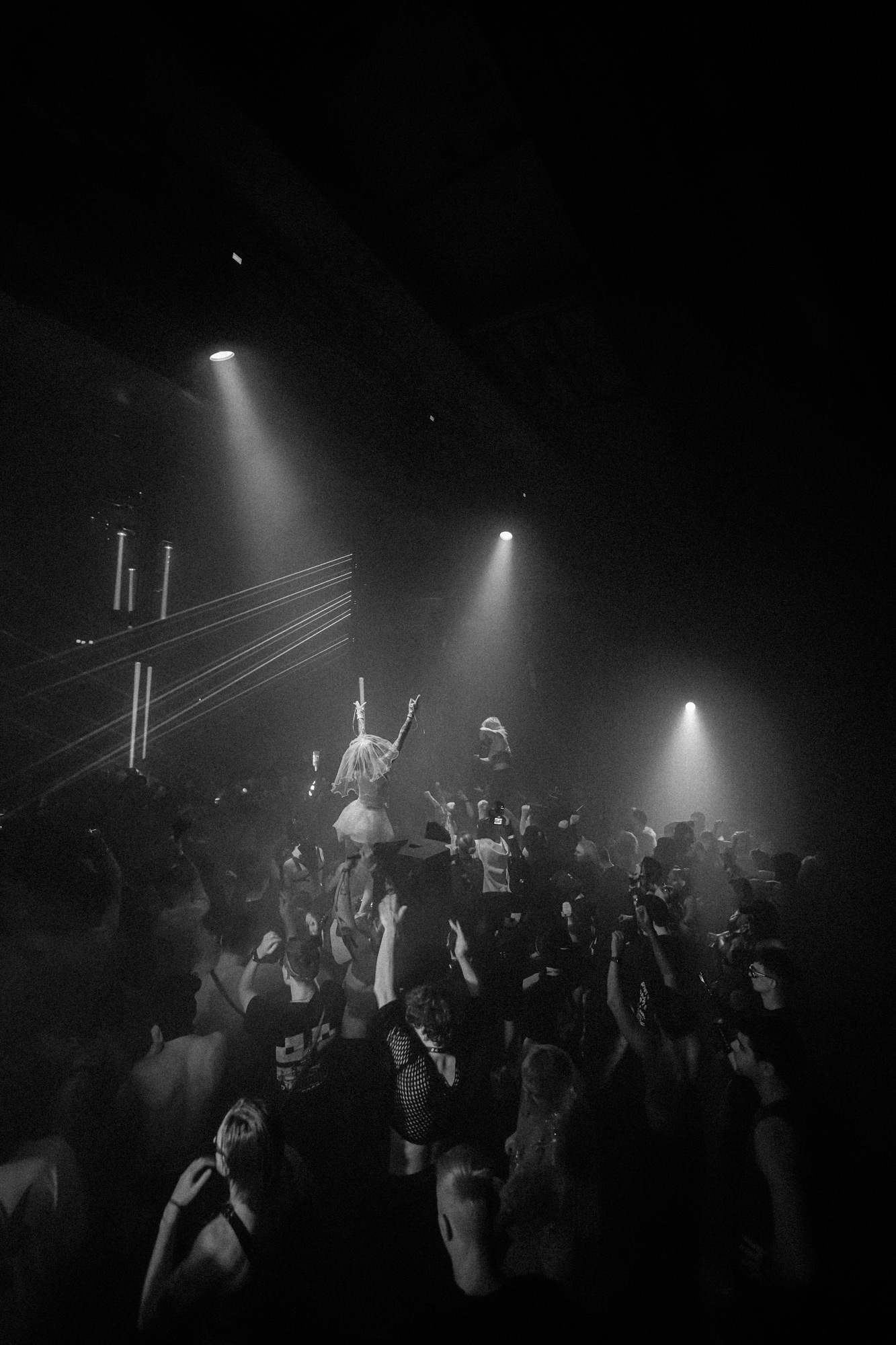 © Alex Verhalle | Sony α1 II + FE 14mm f/1.8 GM | 1/125s @ f/1.8, ISO 3200
Alex’s search for connection and truth also extends to the way he uses his Sony Alpha 1 II. “Despite the difficult conditions of shooting in low light with lots of movement, I work manually as I’ve always done,” he explains. “I set the aperture wide open to pick up every bit of light in the place, and I use very high ISOs, like 6400, knowing the camera can handle them with ease. That gives me shutter speeds like 1/160sec, fast enough to avoid too much blur, but also giving a natural feel to movement in the frame.”
He also prefers to focus manually, using range-focusing and instinctively setting lenses like his FE 14mm f/1.8 GM to the right distance, just like a traditional street photographer. “Working that way is another way not to be seen,” Alex explains, “and if a dancer is not perfectly sharp, there can still be great value in the image.”
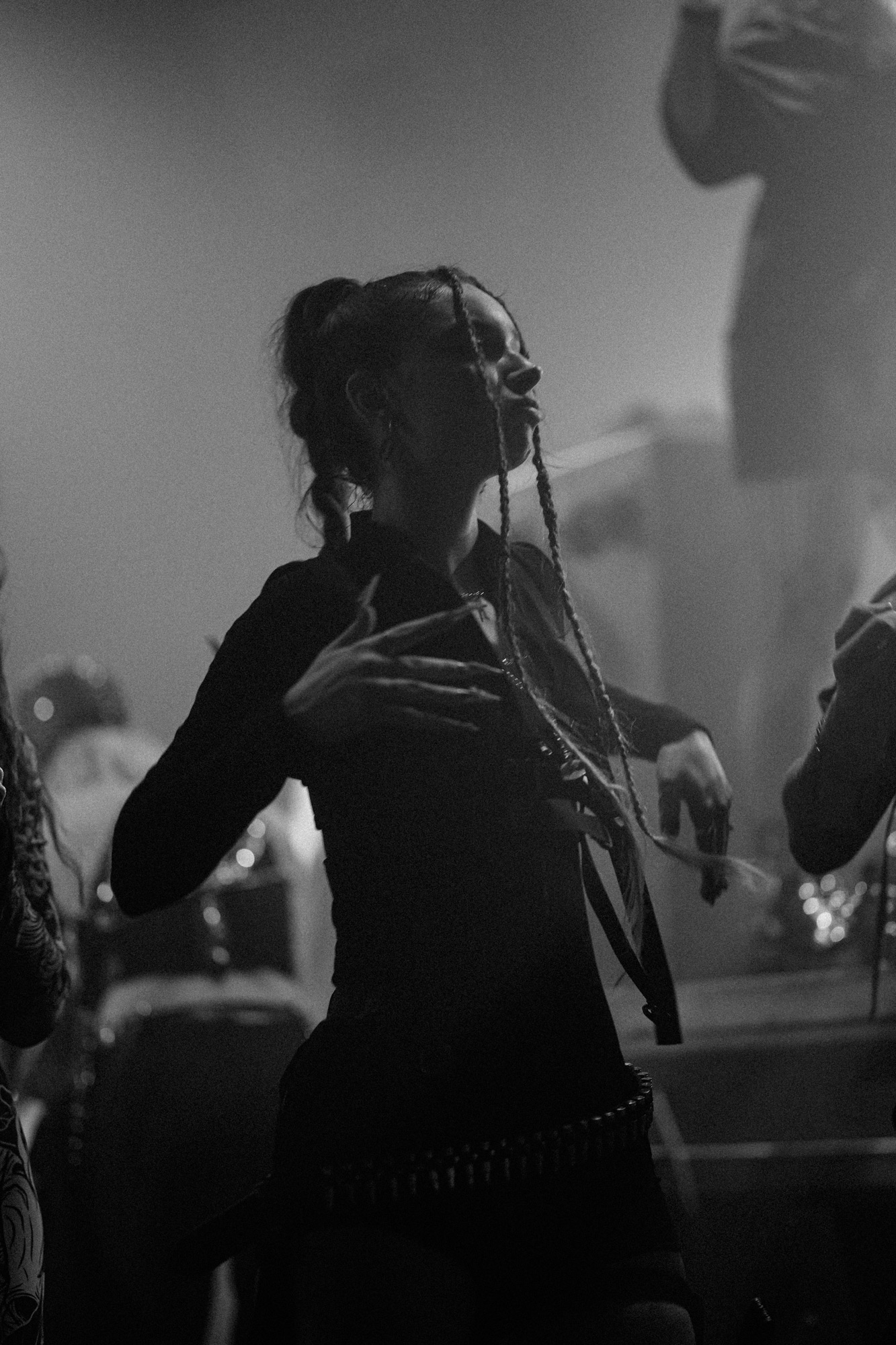 © Alex Verhalle | Sony α1 II + FE 85mm f/1.4 GM II | 1/160s @ f/1.4, ISO 800
Having recently moved to mirrorless from a DSLR system, Alex has seen a benefit in weight. “My Sony kit is lighter than what I had before, but the physicality of using a camera all night has never bothered me, it’s more about what I can take as carry-on luggage. I used to worry a lot about not having my gear with me, but now I don’t have to.”
Alex has also found the Alpha 1 II’s customisation features immensely useful. “The first thing I did was set the dials to exactly what I’m used to,” he says, “meaning that in seconds I could use it instinctually. I set it to shoot JPEG in black & white, and immediately I was off and running, like I’d had it for 10 years.”
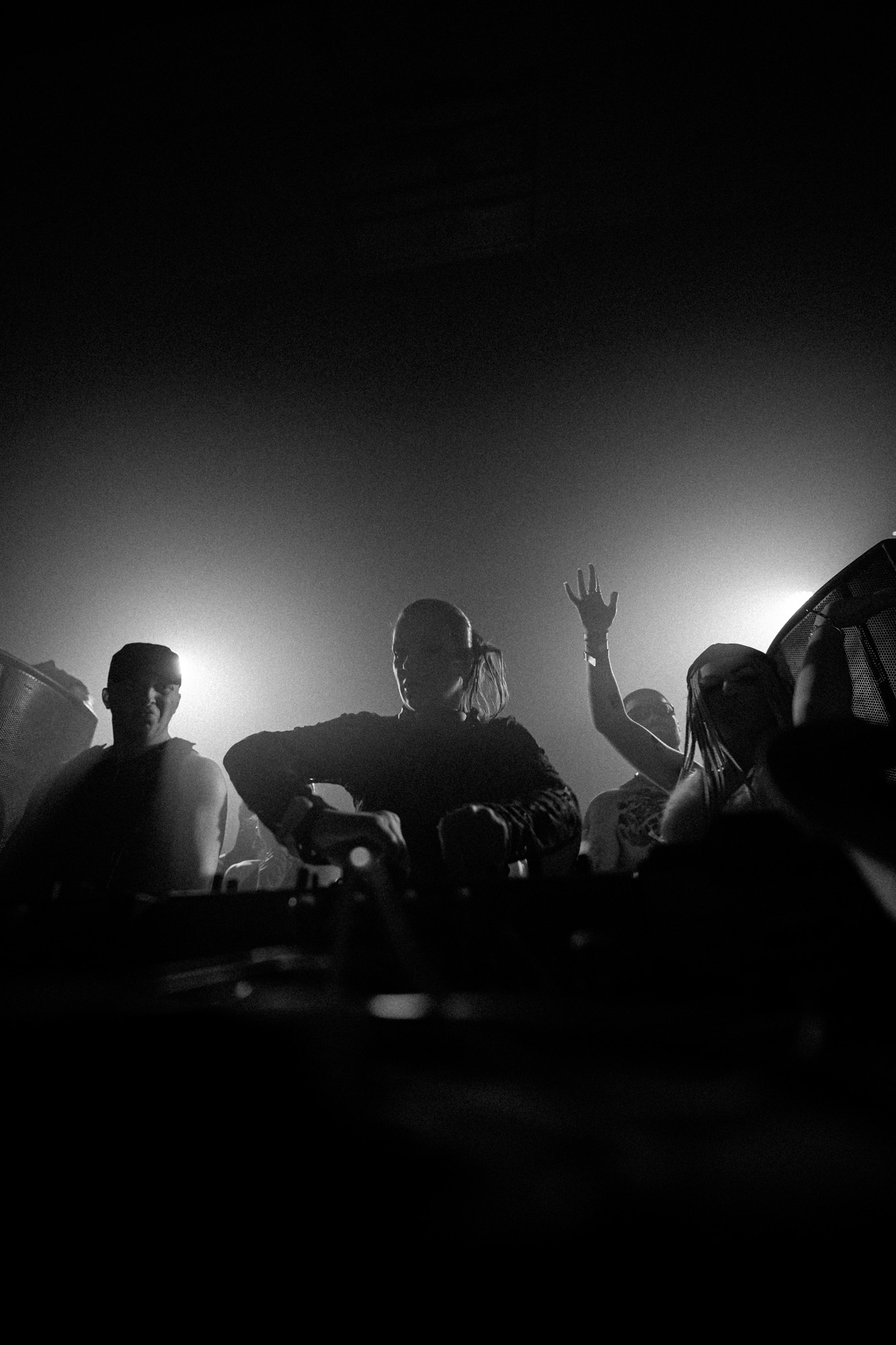 © Alex Verhalle | Sony α1 II + FE 14mm f/1.8 GM | 1/160s @ f/1.8, ISO 800
“I like to be present and intentional, and while a lot of photographers take thousands of photos in these situations, for me it’s only 100s, most of which I use. I don’t strive to be perfect. The result is important, but even more so is the way I got there. And ultimately that is something you should be able to feel in the photos.”


