
Lens Profile | FE 300mm f/2.8 GM OSS
Petar Sabol
In a world full of highly engineered zoom lenses, there is one lens combination that is still the ‘go-to’ choice of many photographers; the 300mm lens paired with a 1.4x converter. Renowned wildlife photographer Petar Sabol regularly uses his Sony FE 300mm f/2.8 GM OSS along with the Sony 1.4x Teleconverter, creating a 420mm f/4 lens.
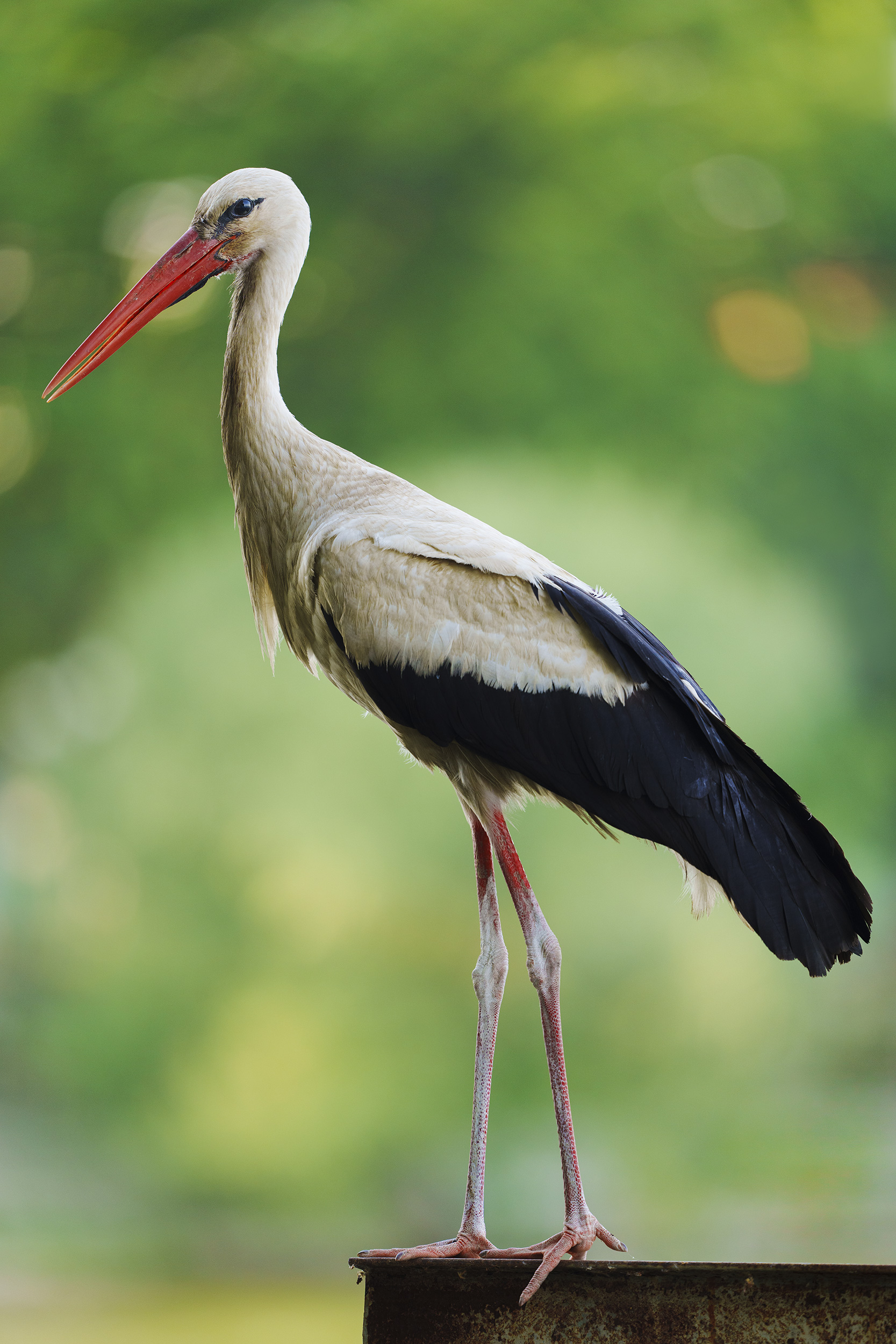 © Petar Sabol | Sony α1 + FE 300mm f/2.8 GM OSS | 1/640s @ f/2.8, ISO 500
“It is so small and light” says Petar, “you can carry it around your neck all day and use it handheld without feeling tired.” In fact, the 300mm GM lens is the world’s smallest and lightest 300mm lens at 265mm long and 1,460g in weight. “It even fits inside a normal camera bag. It’s a huge advantage for Sony shooters compared to the competition.”
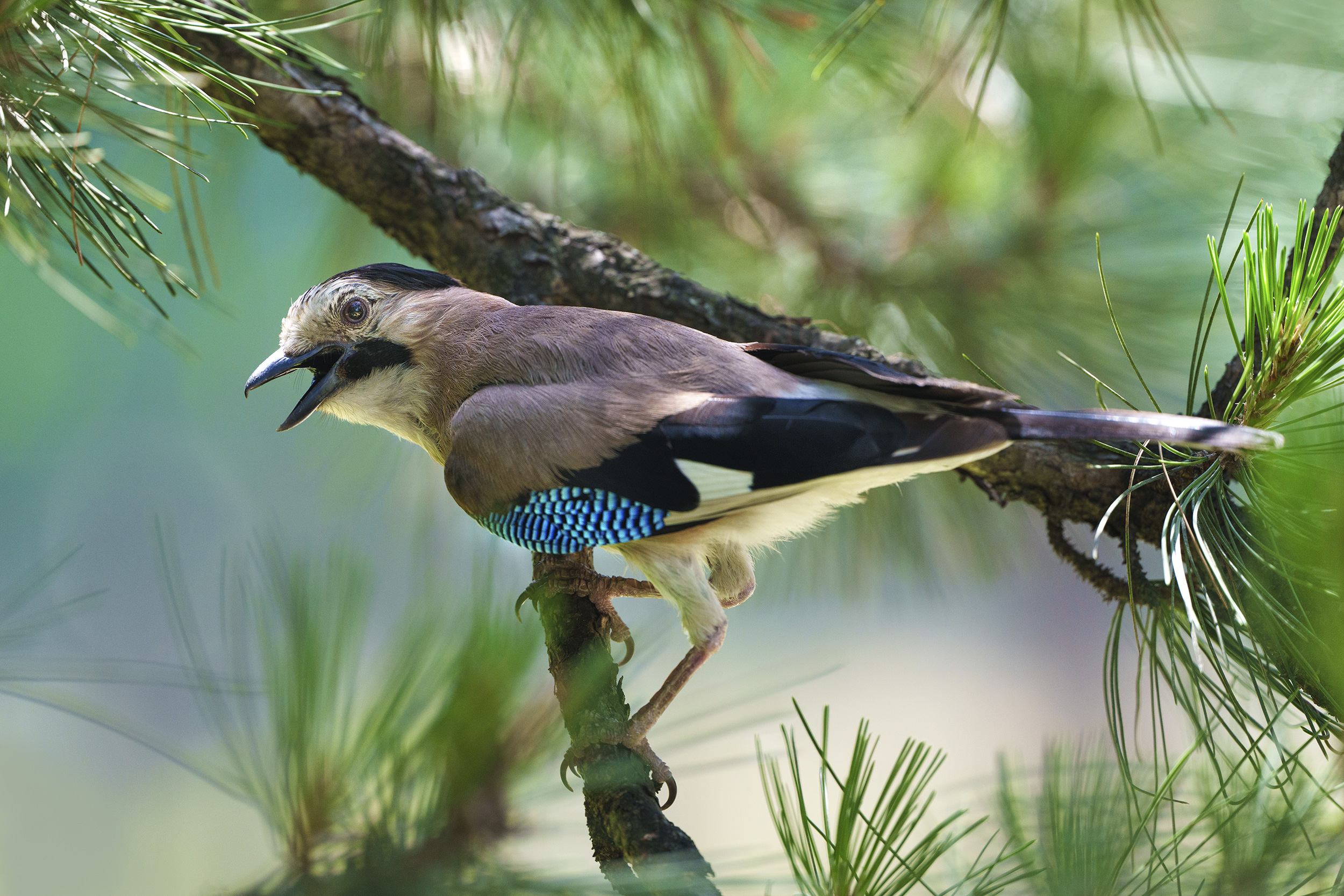
 © Petar Sabol | Sony α1 + FE 300mm f/2.8 GM OSS + 1.4x Teleconverter | 1/1600s @ f/4.0, ISO 8000
There was a time when using a 1.4x teleconverter would have a notable effect on image quality. However, the Sony teleconverters are designed to work with specific lenses, allowing Sony to make sure the performance is perfectly paired. “The optical quality with the 1.4x Teleconverter is amazing. You basically don’t see any loss of image quality.”
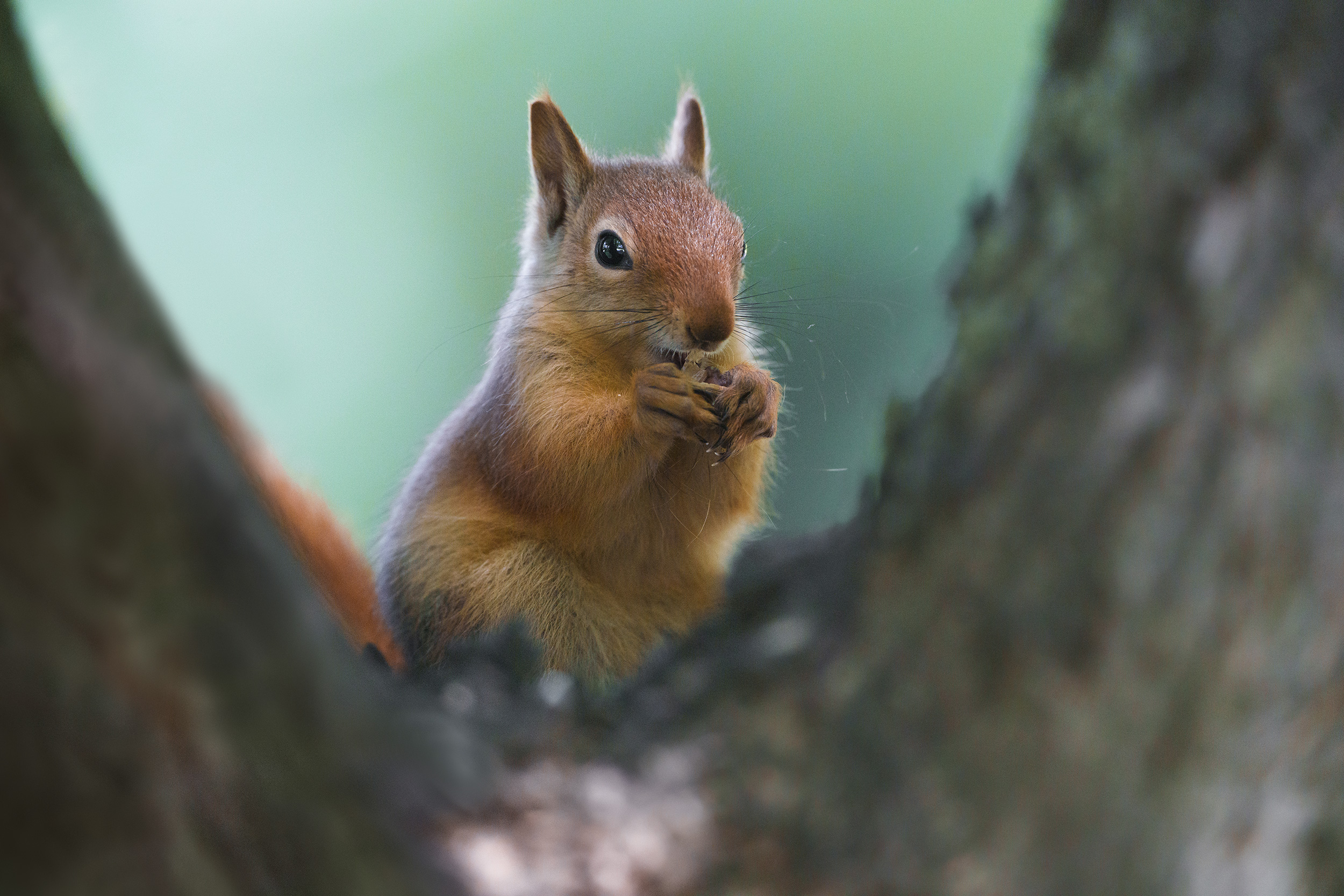
 © Petar Sabol | Sony α1 + FE 300mm f/2.8 GM OSS + 1.4x Teleconverter | 1/1250s @ f/4.0, ISO 2000
The 1.4x teleconverter isn’t the only one that Sony offer – a 2x Teleconverter is also available, but Petar feels that the 1.4x is the most useful, particularly when paired with the 300mm lens. “People often say that I could always crop into my images with the 50 megapixel resolution of the Alpha 1, but I prefer to get everything as close to perfect in the camera as I can.”
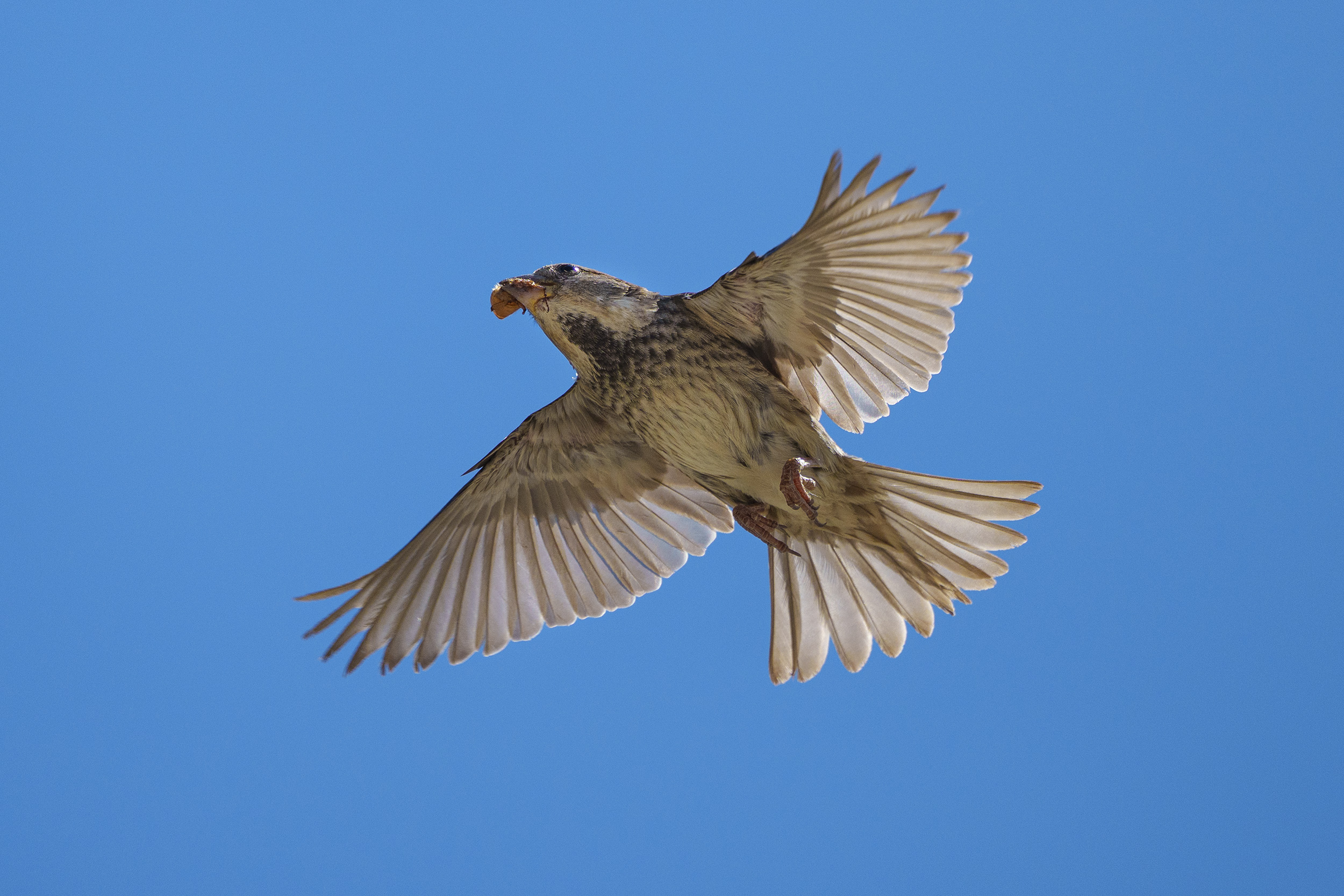
 © Petar Sabol | Sony α1 + FE 300mm f/2.8 GM OSS + 1.4x Teleconverter | 1/800s @ f/4.0, ISO 8000
Because of the physics involved in reducing the aperture, light is lost with the 1.4x 1EV, so the 300mm f/2.8 becomes a 420mm f/4 lens. “I guess the closest comparison would be the FE 400mm f/2.8 G Master OSS. That lens costs twice as much as the 300mm and 1.4x converter, and it weighs almost twice as much, as well as being larger. So, the drop in aperture to f/4 is a perfect compromise.”
 © Petar Sabol | Sony α1 + FE 300mm f/2.8 GM OSS | 1/160s @ f/2.8, ISO 3200
Because of the focal length, shooting at f/4 still produces beautifully blurred backgrounds for Petar’s wildlife images, allowing him to isolate the creature to show it clearly to us in his images.
 © Petar Sabol | Sony α1 + FE 300mm f/2.8 GM OSS + 1.4x Teleconverter | 1/4000s @ f/4.0, ISO 320
One of the more challenging tasks for any wildlife photographer is to photograph birds in flight. It is a task that relies on the photographer’s skill and knowledge to know the patterns of the birds, but also on the reliability and precision of the cameras autofocus tracking. Finally, the motors in the lens must be able to keep up with the speed of the camera, which in the case of the Sony Alpha 1, means being very fast indeed. The worry is that by adding a 1.4x Teleconverter you are putting something between the camera and lens that could potentially slow the focusing down.
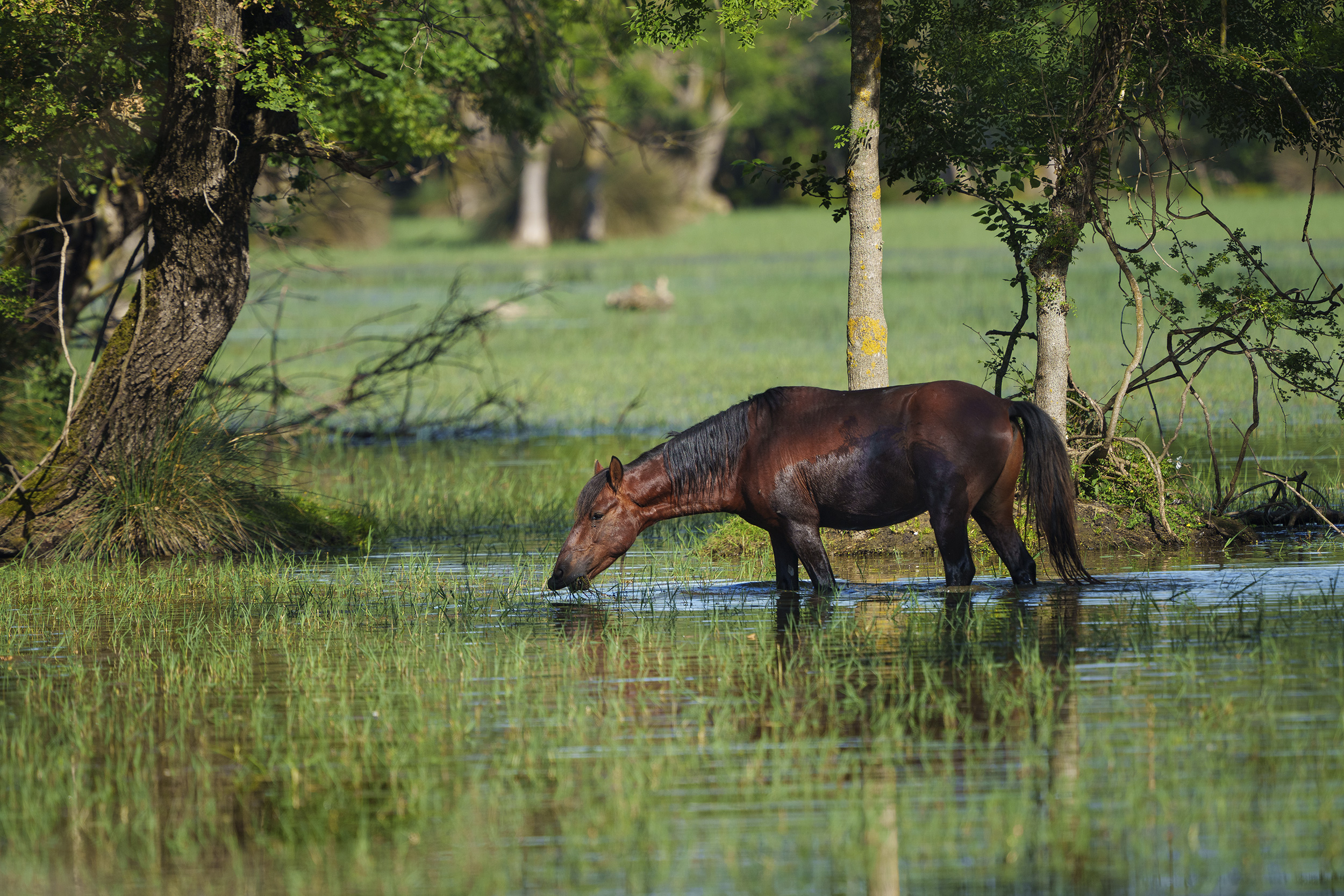 © Petar Sabol | Sony α1 + FE 300mm f/2.8 GM OSS + 1.4x Teleconverter | 1/1000s @ f/4.0, ISO 200
“I didn’t notice any difference with the 1.4x teleconverter,” says Petar. “I’ve not had the chance to try the combination shooting with kingfishers yet. They are very challenging because they are so fast but given how I have seen the lens perform photographing a whole range of other birds, I don’t think it will be a problem. I feel really confident when I am shooting with the 300mm and 1.4x combination that the focusing will do everything I want it to.”
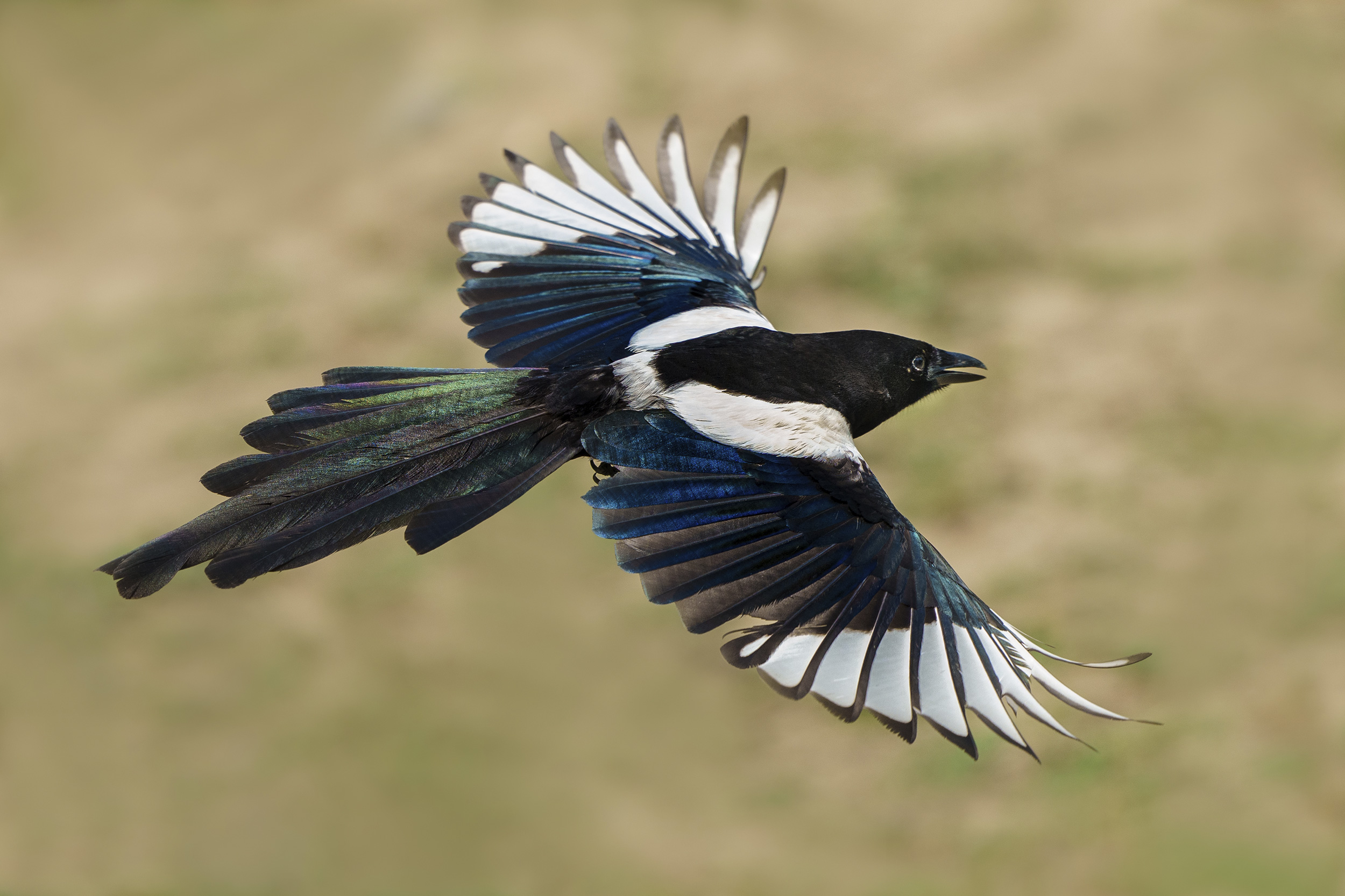 © Petar Sabol | Sony α1 + FE 300mm f/2.8 GM OSS | 1/4000s @ f/2.8, ISO 640
One of the images that shows how the 300mm lens and 1.4x converter work so well with the Sony Alpha 1 is taken of a heron, standing on a rock.
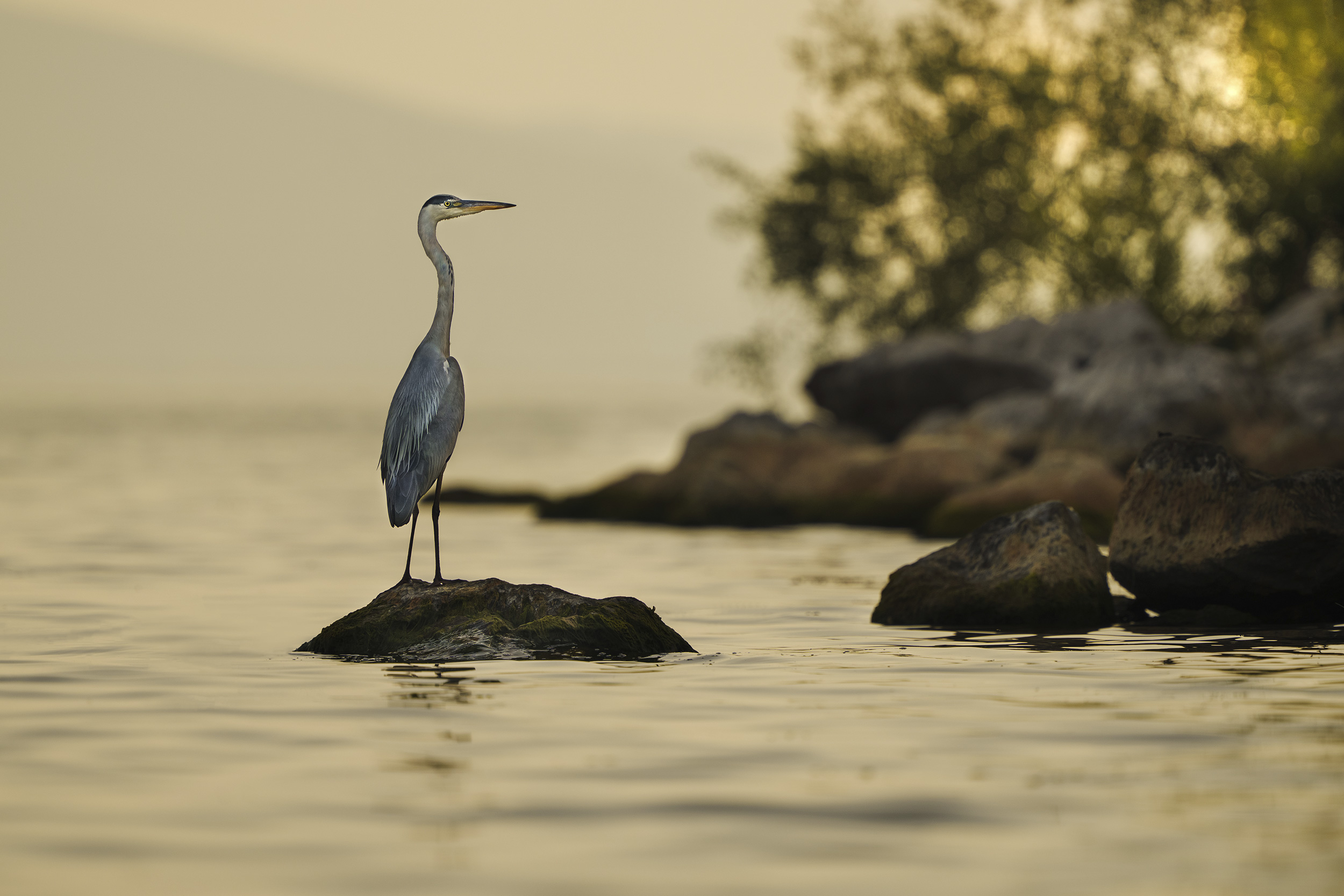 © Petar Sabol | Sony α1 + FE 300mm f/2.8 GM OSS + 1.4x Teleconverter | 1/1000s @ f/4.0, ISO 125
“It was just a short while until sunset,” says Petar. “I was on a boat, shooting handheld with the 300mm and 1.4 teleconverter on my Sony Alpha 1. We spotted the heron and slowly started to approach it. There was a lot of backlight from the sun going down, so the side of the heron I could see was shaded. Thanks to the fantastic sensor of the Alpha 1, I was able to lift the shadows to see the heron. Thankfully, I managed to get the image right before it took off and flew away.”
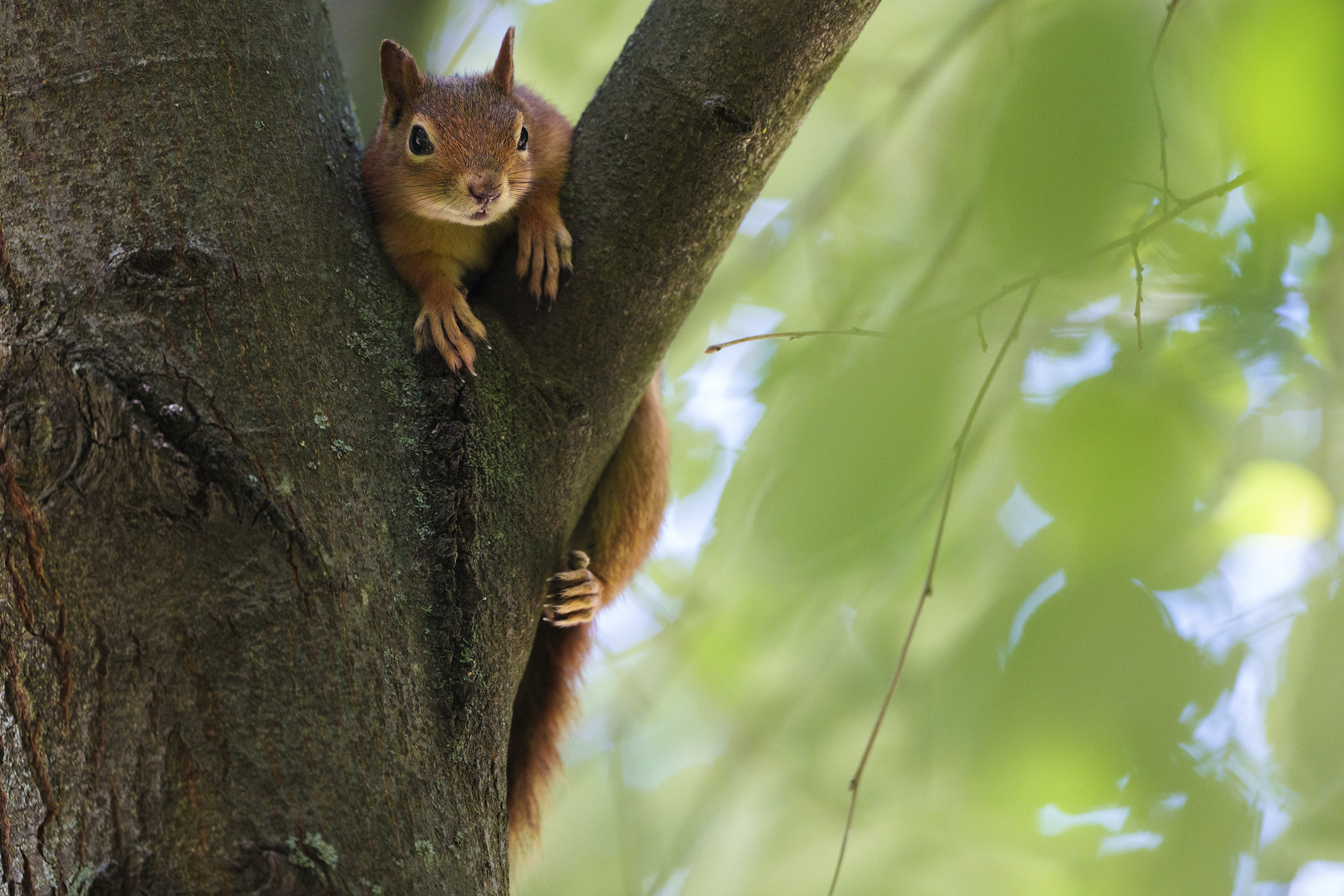 © Petar Sabol | Sony α1 + FE 300mm f/2.8 GM OSS + 1.4x Teleconverter | 1/640s @ f/4.0, ISO 6400
Although Petar specialises in wildlife, he appreciates the value in shooting with a 300mm and 1.4x teleconverter for other types of photography. “It is great for sports, or even some portraits - anything in that telephoto range where you want to separate the subject from the background and to create a nice backdrop for the subject. That is the thing that I like the most. It’s a really compact and lightweight lens that allows me to shoot 300mm with an f/2.8 aperture when I really need the most light possible. Then I can quickly change to a 420mm f/4, giving me a great focal length to shoot wildlife at a good working distance.”
Featured products


Petar Sabol | Croatia
"I always try to make my photos look better, no matter how long it takes and how much effort it requires"


