
Lens Profile | FE 70-200mm f/4 Macro G OSS II
Petar Sabol
Photographing wildlife is hard. You need to get close so that the subject is prominent in the frame so the viewer can see all the incredible details that usually go unseen… but get too close, and you will scare the creature away.
This is why telephoto macro lenses, usually around 105mm, are the lens of choice for many macro photographers. However, one wildlife photographer thinks Sony has changed the game with the FE 70-200mm f/4 Macro G OSS II lens.
 © Petar Sabol | Sony α7R V + FE 70-200mm f/4 Macro G OSS II | 1/6s @ f/13, ISO 200
“It's the perfect lens,” says Petar Sabol, a wildlife photographer who regularly shoots macro shots of insects, birds and more. “Having a zoom lens with a macro capability sets the 70-200mm apart from fixed macro lenses, and it provides photographers with so much flexibility for different uses.”
 © Petar Sabol | Sony α7R V + FE 70-200mm f/4 Macro G OSS II | 1/13s @ f/13, ISO 250
“The great thing is you can have a lens suited to casual shooting, travel shots, and things like that. But at the same time, it has this half-macro ability,” says Petar. But the lens has another trick up its sleeve. “If you use it with the 2x teleconverter, it becomes a 1:1 macro lens. It is a great addition to my kit bag.”
Since owning the lens, it has become a fixture in Petar's camera bag, and he has used it to photograph a variety of smaller subjects, including damselflies and dragonflies, butterflies and even Queenfisher and Kingfisher birds.
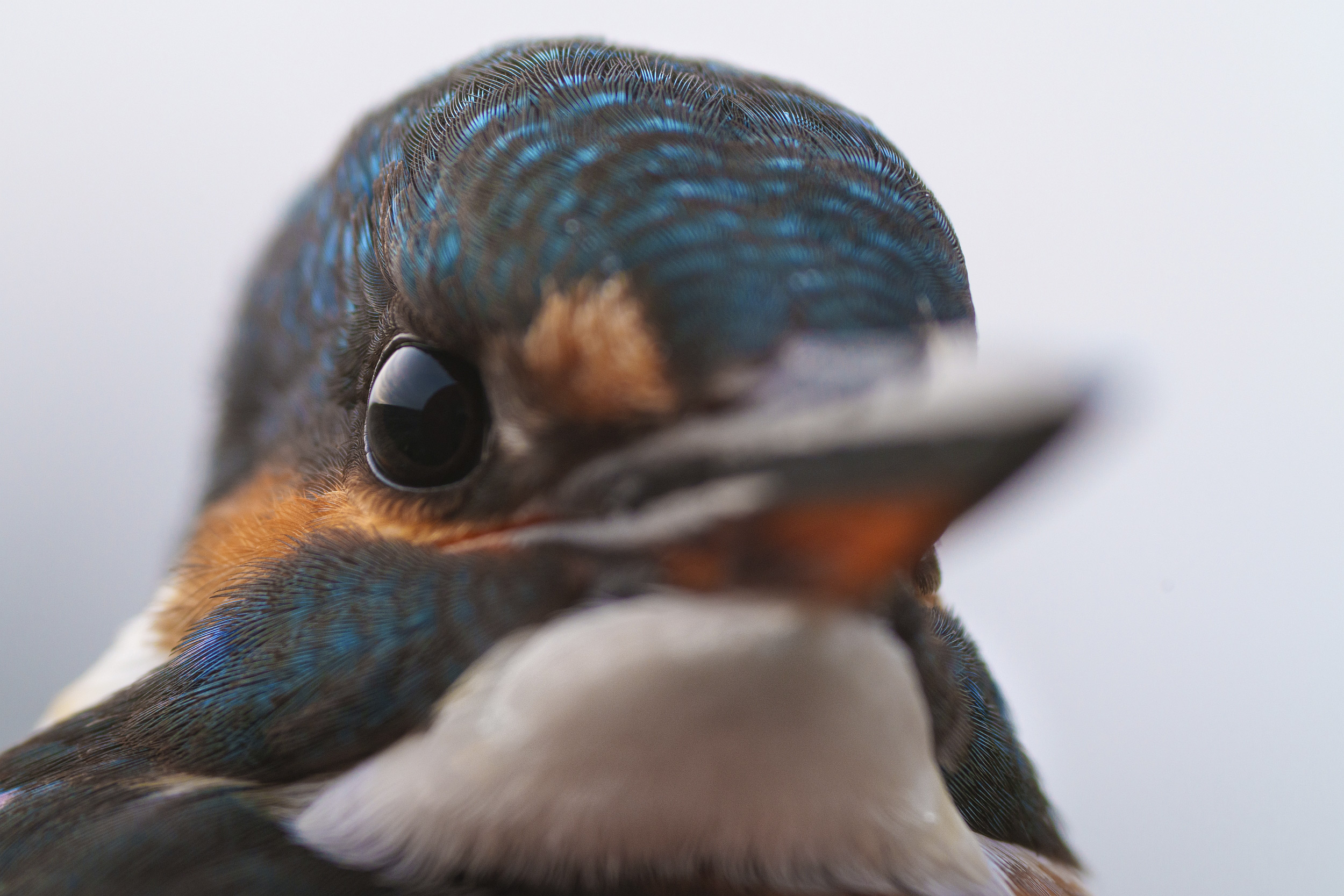 © Petar Sabol | Sony α7R V + FE 70-200mm f/4 Macro G OSS II | 1/125s @ f/8.0, ISO 640
Petar recalls his recent opportunity to photograph a Queenfisher in its natural surroundings, and how his Sony lens made it all possible. “I was shooting inside a tent hide by the river where the Queenfisher was feeding,” he says. “There was a branch maybe half a metre from the tent, so I waited patiently and silently.”
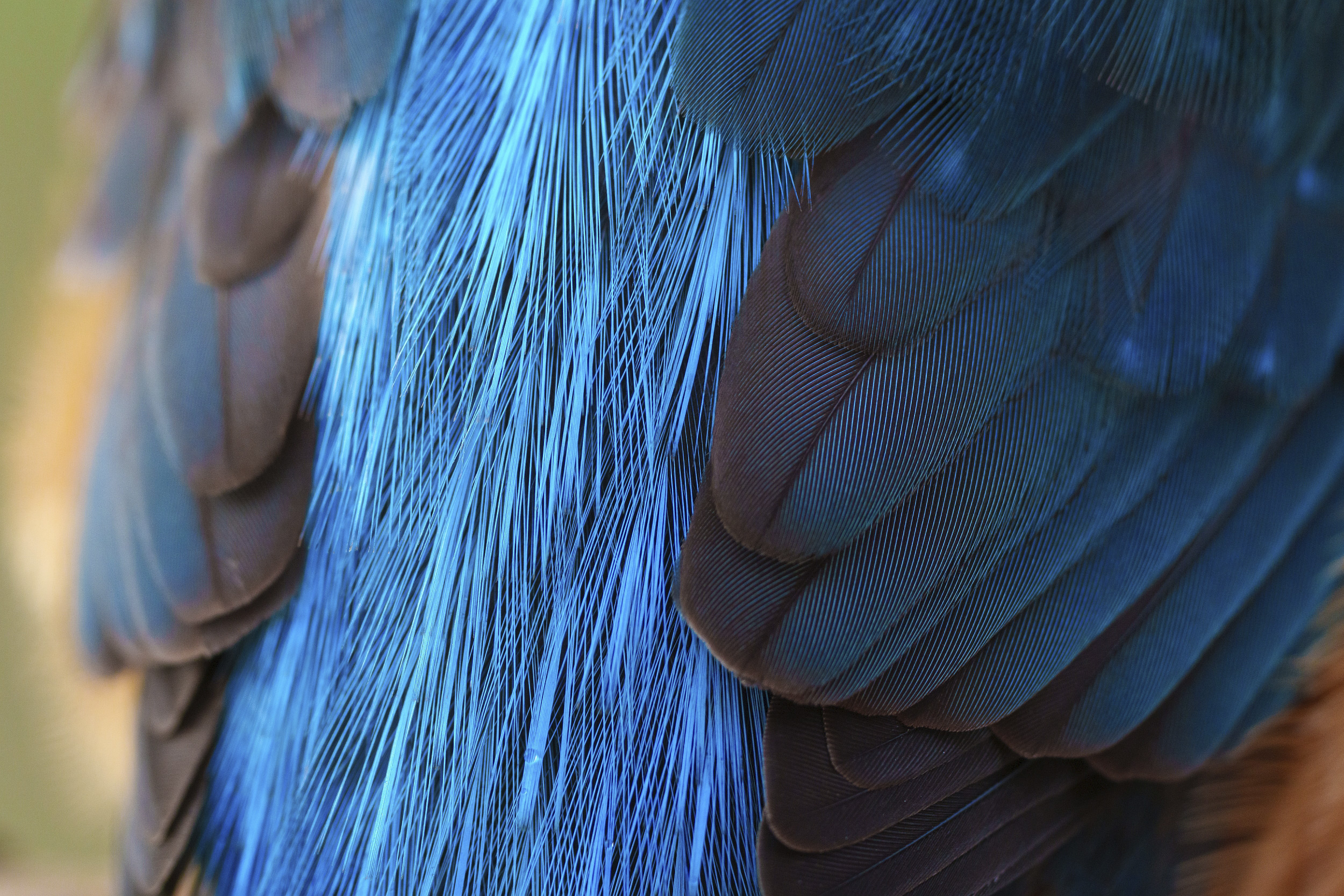 © Petar Sabol | Sony α7R V + FE 70-200mm f/4 Macro G OSS II | 1/100s @ f/10, ISO 3200
With the lens attached to his Sony Alpha 7R V, Petar was able to use the silent shutter and photograph the Queenfisher once it landed, without the camera making a sound. The Sony Alpha 7R V focused the lens so precisely that it recorded every minute detail and beauty of the bird's feathers.
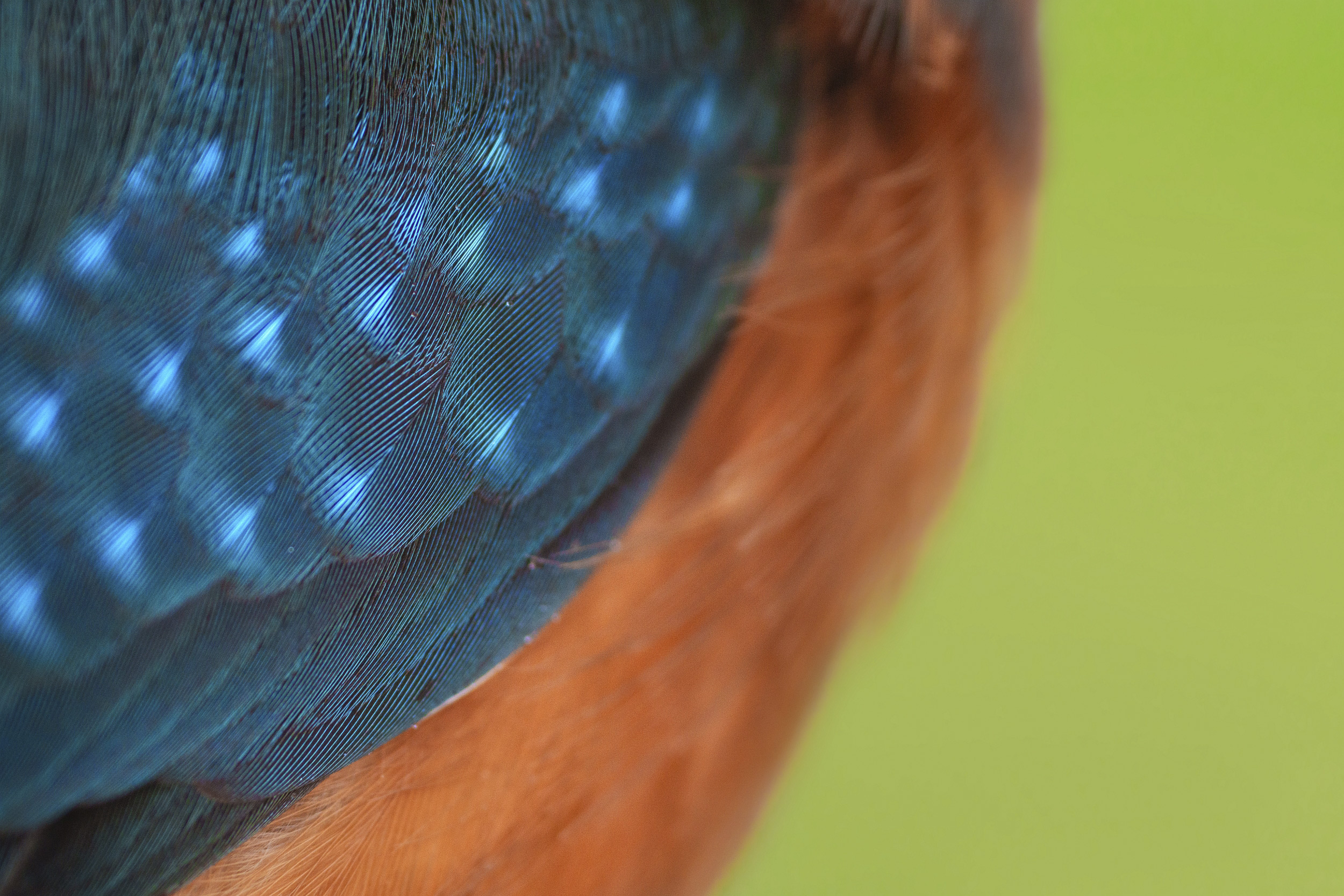 © Petar Sabol | Sony α7R V + FE 70-200mm f/4 Macro G OSS II | 1/60s @ f/8.0, ISO 1000
“It was a great feeling to get that shot, but it also isn't surprising with the technology the Sony cameras and lenses have now. They are doing a great job, which makes it possible for me to capture shots like this,” says Petar.
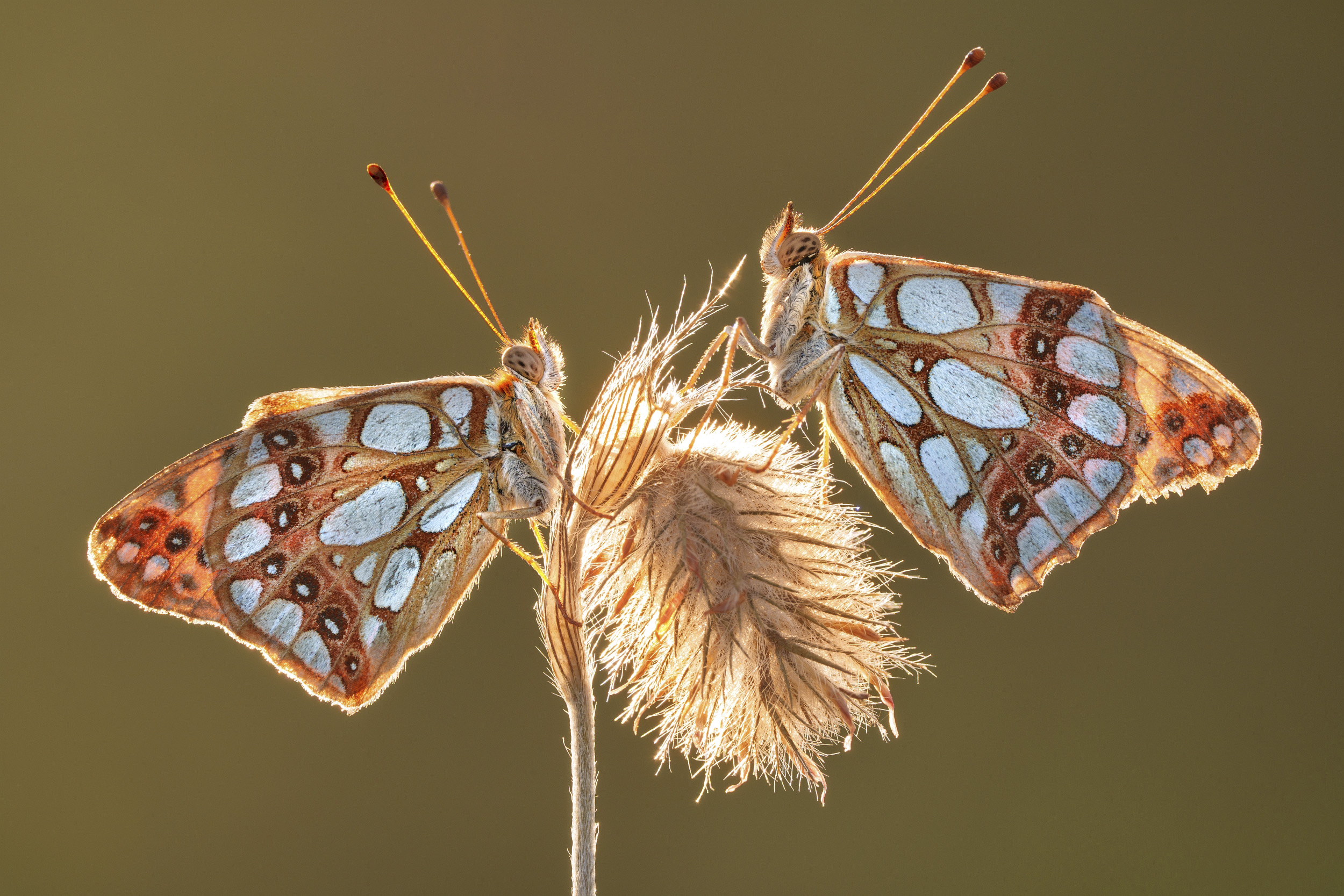 © Petar Sabol | Sony α7R V + FE 70-200mm f/4 Macro G OSS II | 1/15s @ f/16, ISO 200
He can get incredibly detailed shots without scaring insects away, with a working distance of just 96cm for 1:1 images thanks to the 70-200mmm f/4 and 2x teleconverter. This technology, paired with the field craft that Petar has learnt through years of taking photographs of wildlife, delivers some seriously impressive results.
“Shooting insects is always easier in the early morning as they are still hibernating; they are still sleeping, and I can use that to my advantage. As the sun warms them up, they quickly become more active, so you have a limited window to take these images,” he says.
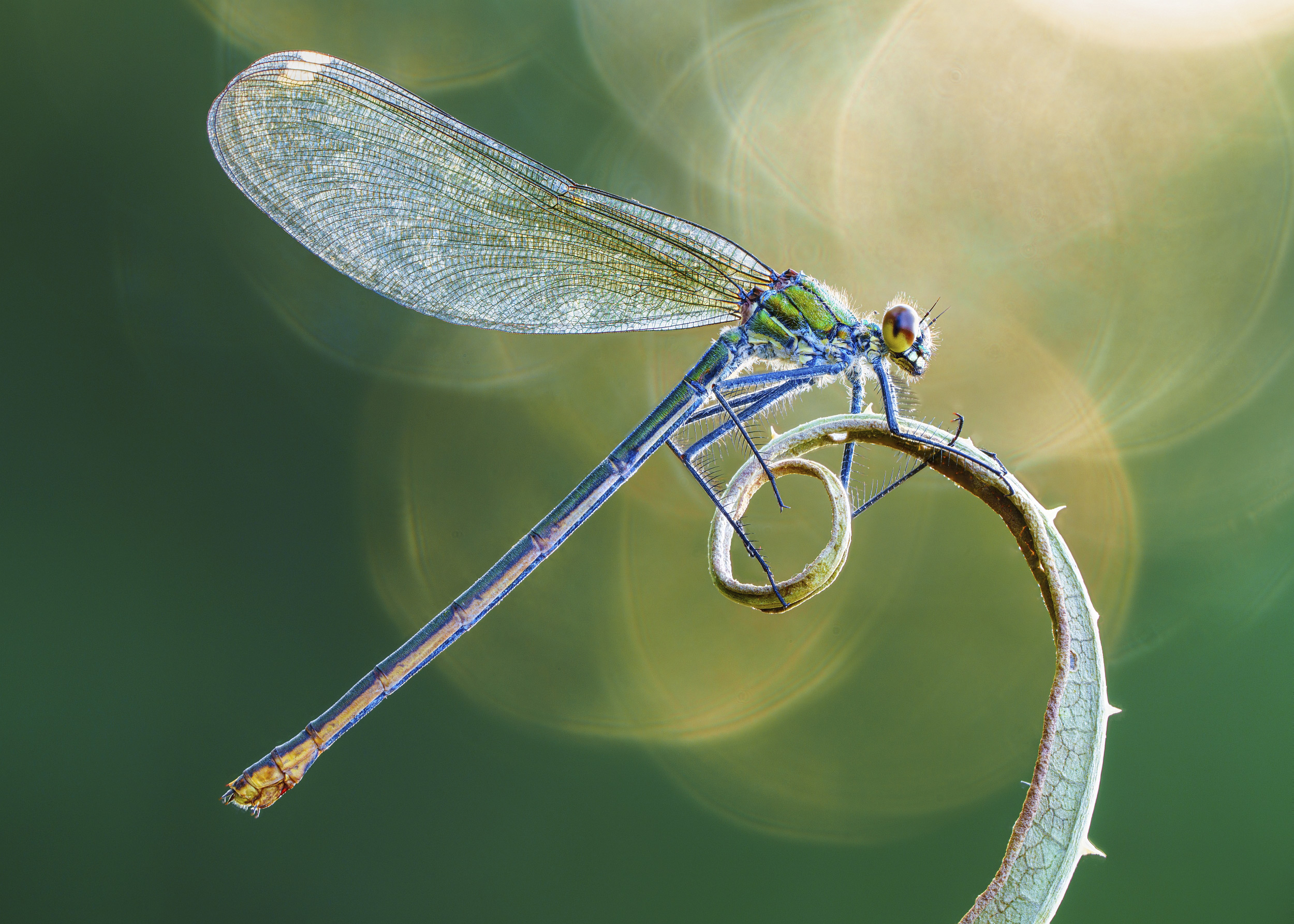 © Petar Sabol | Sony α7R V + FE 70-200mm f/4 Macro G OSS II | 1/5s @ f/10, ISO 250
The telephoto angle of view he favours also means that Petar can move around his subject, finding the perfect background as the early morning sun hits its grass and leaves. “The lens creates beautiful bokeh which helps the subject stand out in the image,” says Petar, and these beautiful, blurred backgrounds have become a prominent feature of Petar's macro catalogue.
When Petar wants to feel closer to his subject, he uses the custom button on the lens to activate the Alpha 7R V's APS-C crop mode. “Although the 7R V has a 60-million-pixel resolution and I can crop the images afterwards, sometimes it is easier to see it through the viewfinder. With the APS-C crop mode, I can get that crop in camera and still produce 26.1-million-pixel images.”
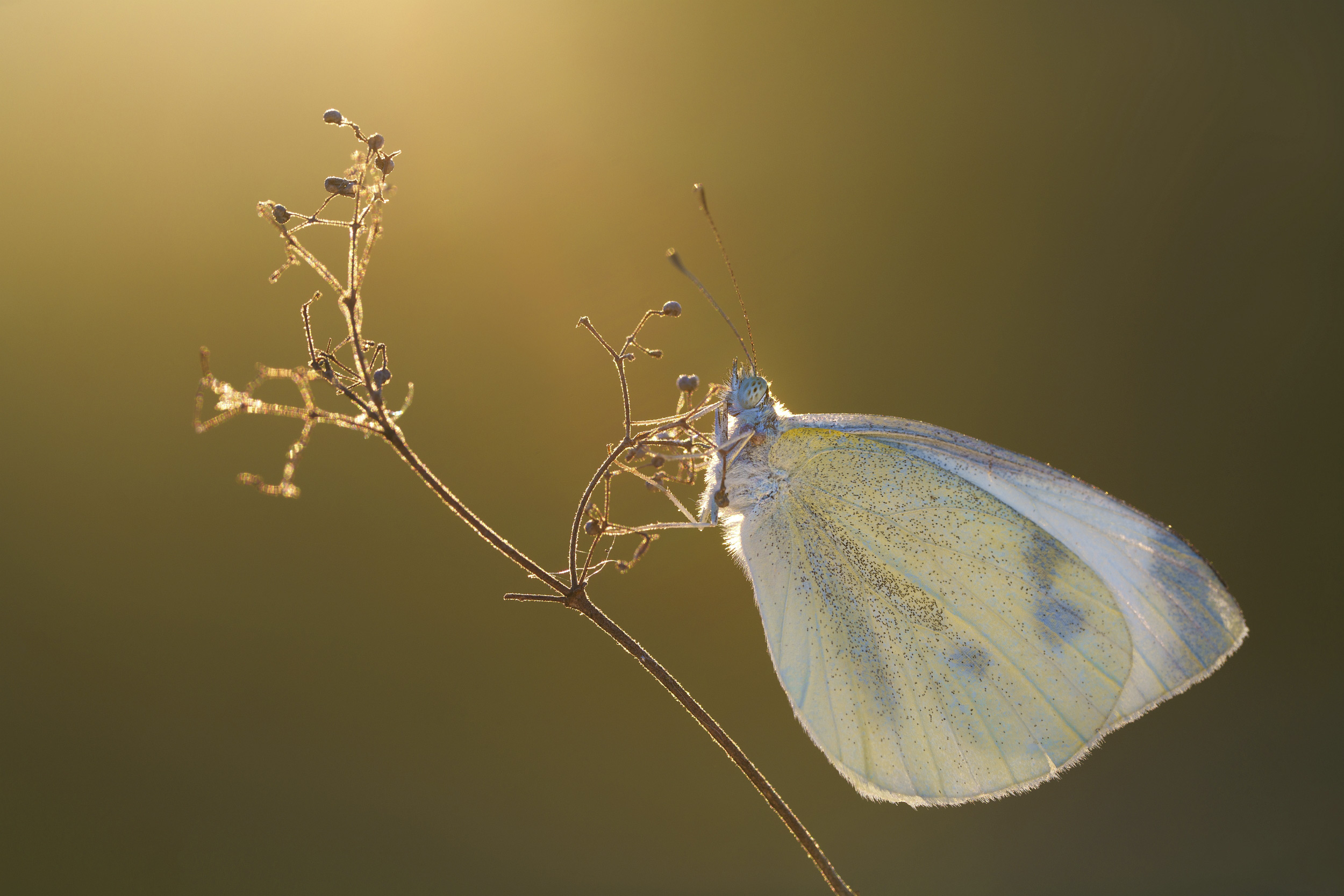 © Petar Sabol | Sony α7R V + FE 70-200mm f/4 Macro G OSS II | 1/25s @ f/10, ISO 100
“I want to show the beauty of nature. The more attention we pay to nature then the more we will want to preserve and protect it. That is the most important message,” Petar says, and the technology in the 70-200mm f/4 Macro G OSS II lens and Alpha 7R V allow him to get the images that he really wants.
“The lens is a joy to use. I am impressed with the performance, but I also enjoy it because I am always amazed and discover new details from the subjects I shoot,” he ends.
Featured products


Petar Sabol | Croatia
"I always try to make my photos look better, no matter how long it takes and how much effort it requires"


