
FX30 | Create with a Purpose
Zimy Da Kid
My name is Zimy, but for my work, I’m better known as “Zimy Da Kid”. I’m a Swiss based film director, photographer and conservationist and my love for nature has led me to share the beauty of the natural world and the life that thrives in it.
It’s no secret that nature and wildlife are currently suffering a lot, so I use my skills in cinematography and photography to help raise awareness about these issues. I strive to illustrate not only the negative side of things but also the positives, such as the solutions that can be implemented to help protect nature as well as the infinite beauty of it.
First impressions shooting with the Sony FX30
I had the opportunity to test the new Sony FX30 during a recent expedition in French Polynesia. As an outdoor film director, it’s crucial for me to have the best image quality possible while keeping my backpack lightweight since I always carry everything on my back in sometimes challenging conditions.
For such scenarios, the FX30 was just perfect for me because it offered professional image quality comparable to much bigger cine rigs while being small and very lightweight. Super fast and easy to set up, no need to carry and set up an extra cage thanks to the “built-in” top hand grip. One thing that struck me about this camera is that you can get a real professional cinema camera that shoots 4K footage with slow-motion if needed and everything in 4:2:2 10bit colour depth at a very affordable price!
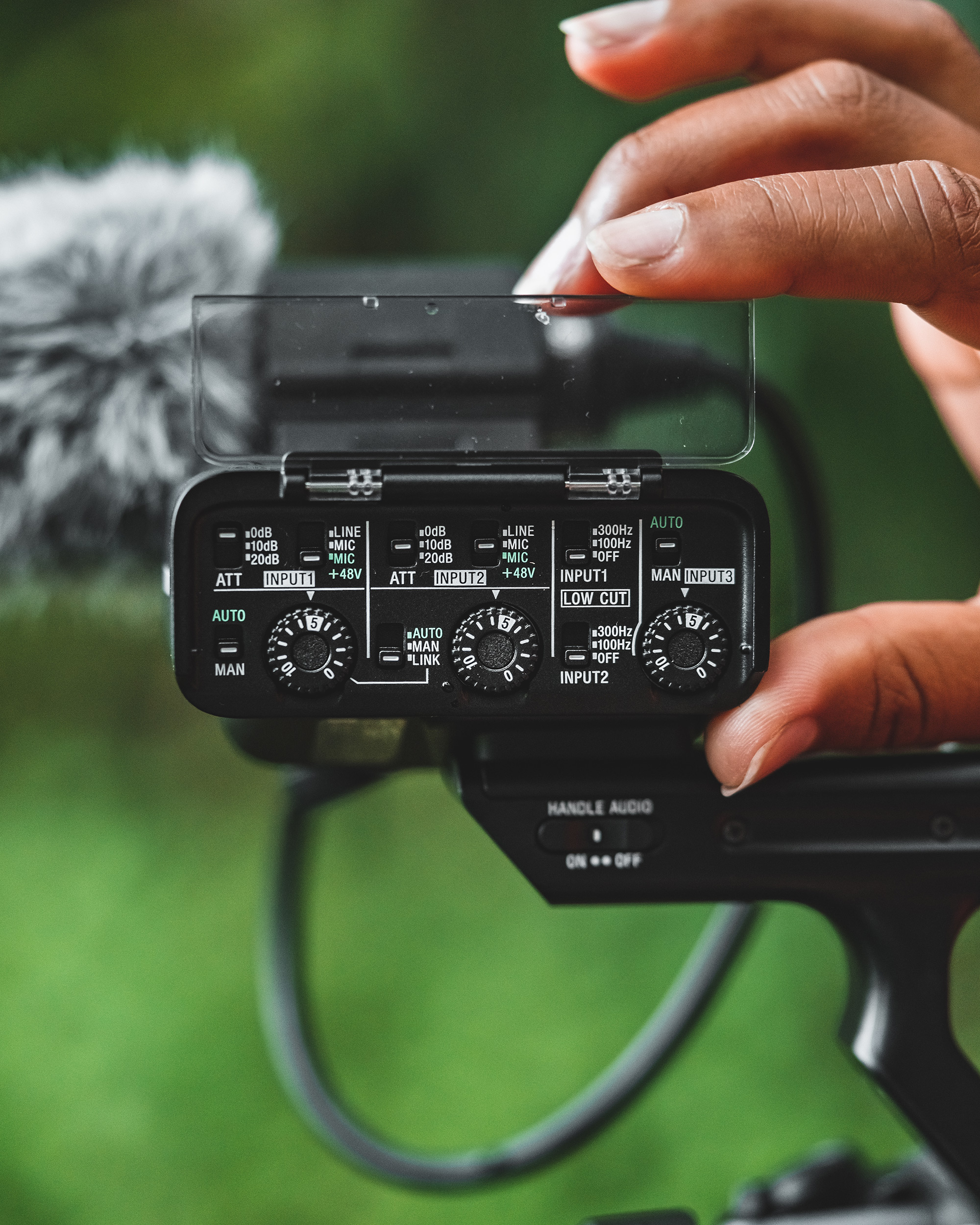
When I’m in the field shooting documentaries, audio is one of the most important aspects, but can also be one of the most challenging. This is why one of my favourite feature on this camera is the top carrying handle which gives the opportunity to use professional XLR microphones for high quality sound. I really found it extremely convenient as it offered the XLR audio mixing box together with the ability to offer a more shaky/natural feeling to the shots making it much more cinematic that stable gimbal shots.
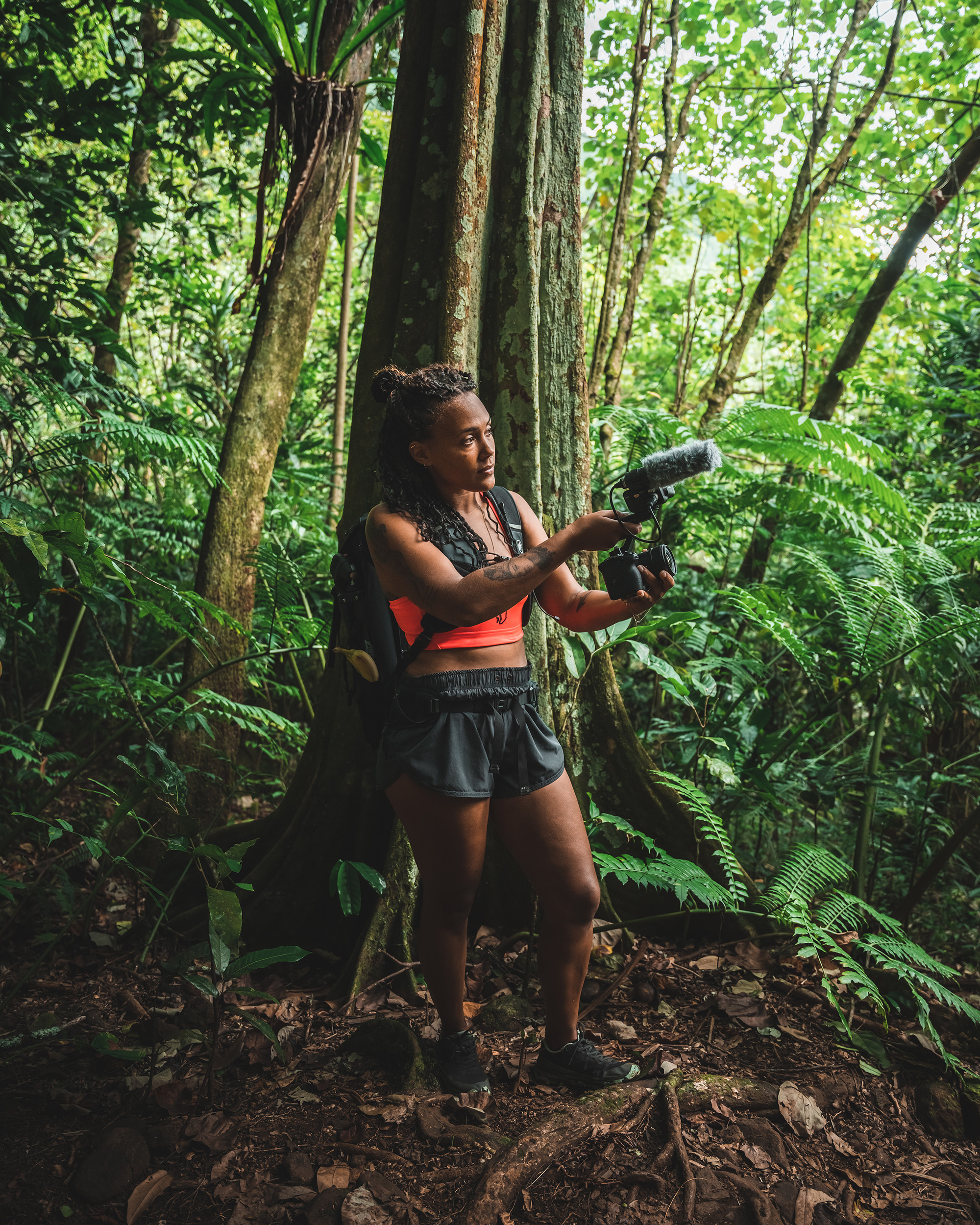
I also liked the smaller APS-C sensor which gave my full-frame lenses a focal length boost, as well as allowing me to use the much smaller and lighter crop-frame lenses, which was a huge weight saving, especially when shooting on location.
Having the ability to slow down footage without having to shoot at lower resolution than 4K is a must nowadays and being able to do so with a camera that is lightweight and compact is amazing. The same goes for the 4:2:2 10-bit colour depth: I really need it to be able to push my colour grading in post production the way I want, and the footage you get from the FX30 doesn’t disappoint.
Image look and equipment used during the shoot
For my project, I used a mix of full frame and crop frame lenses. One of my all time favourite lenses is the FE 90mm f/2.8 Macro. It’s such a versatile lens, allowing me to shoot extreme close up footage, and is pin-sharp for longer shots. I also like the way the background is compressed with the longer focal length. For more run-and-gun shooting, I tend to use a short zoom such as the FE 24-70mm f/2.8 GM. It’s a great focal length range and gives me maximum flexibility on the FX30 with its APS-C sensor. And finally, a wideangle is also a must in order to capture wide landscapes. I used the Sony PZ 10-20mm f/4 G, which is a great lens to use with the smaller cameras; very sharp and its light weight balances well with the FX30. I try not to overuse a wideangle though – only a few shots to show the environment or an outstanding landscape because I find that if you put too many wide shots one after the other it really slows the feel of the film down.
For my audio capture, I used the K3M shotgun microphone together with a dead cat to avoid wind noise. It offered perfect audio that I can use for my sound design in post-production. The short film I created didn’t require any dialogue, but I would have been comfortable using the exact same set-up without any issues.
Advice for aspiring content creators and last thoughts?
If I could give a few tips to achieve a cinema look to your films:
Don’t always shoot at higher frame rates. Yes, by shooting higher frame rates it gives you the opportunity to slow down the footage but when shooting at lower frame rates like 24 or 25fps, it give a much more cinematic look with a lot of motion blur. Another tip, as mentioned earlier, is don’t overuse a gimbal. Depending on the situation, it sometimes looks way more cinematic to move with the camera handheld using the top hand grip for example to give a bit of a shaky look that really puts the viewer in the action. Finally, make sure you use high quality audio recording systems. The top grip on the FX30 offers XLR connectivity and therefore you can use pro quality microphones to give you maximum flexibility to design your sound in post production.
I think the most important thing when it comes to filmmaking and photography is to build your own style in order to be known for what you do. Don’t copy other creators because it’ll lead nowhere. Find what inspires you (it doesn’t have to be someone, for example what inspires me most is just the raw beauty of nature) and use it to build your own style by creating authentic art.
I really see it as a sport for example and you have to practice a lot. The more you shoot and edit, the better it’ll get. Don’t be afraid to show your work even if you’re not 100% proud of it. It’s a very long process, don’t burn stages and if you’re passionate enough and willing to put in the work, I think anyone can be successful.


