
Expanding Horizons with the Sony FE 400-800mm f/6.3-8 G OSS
Levi Fitze
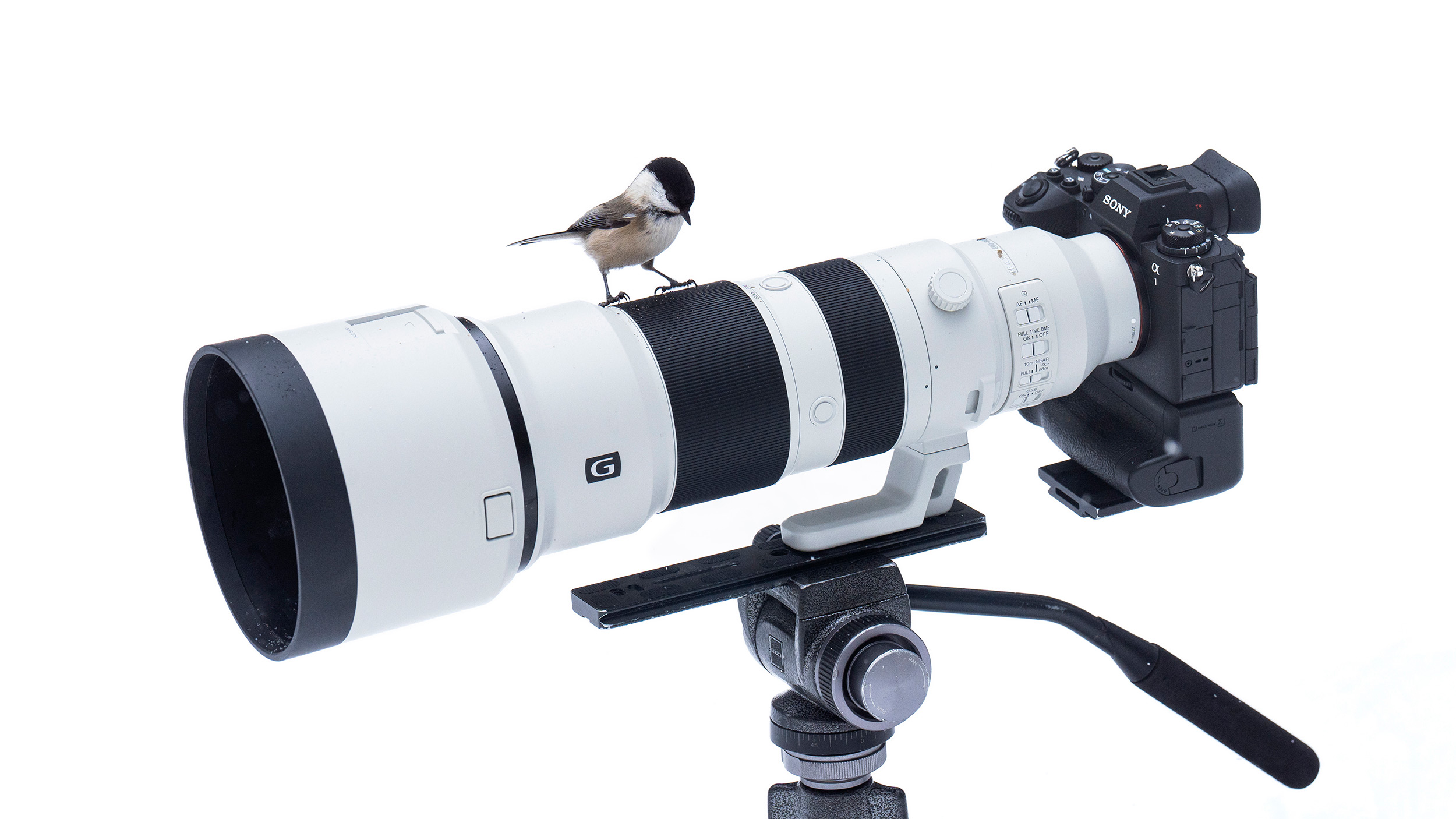
My name is Levi Fitze and I'm a wildlife photographer, filmmaker, and Sony creator based in the Swiss Alps. Growing up in wild areas surrounded by mountains, I found my passion for nature at an early age. Today, my aim is to capture and share the beauty of the natural world and to inspire actions for its protection. In recent weeks, I've had the chance to try the FE 400-800mm f/6.3-8 G OSS and decided to return to the place where I've produced most of my photo projects and where I feel most alive - the Swiss Alps.
During winter especially, a lot of wildlife exhibit fascinating adaptations to survive the harsh conditions in snow and freezing temperatures. I visited several different locations to search for bird species such as the Rock Ptarmigan, which is perfectly adapted to its snowy environment high up in the mountains above the tree line. I also spent many hours waiting for Europe's only songbird that can dive - the Eurasian Dipper, which hunts in sub-zero degrees in a small mountain stream. But not only did I try to capture birds, but also larger typical mammal species of the Alps such as the Chamois or the Alpine Ibex. In this short article, I would like to share my experiences shooting with the new FE 400-800mm f/6.3-8 G OSS lens at these different locations.
Initially, I was sceptical about the need for greater reach beyond the 600mm lens I was used to. However, my first experience with the 400-800mm quickly changed my mind. It closely resembles the Sony FE 200-600mm f/5.6-6.3 G OSS lens, which I already love for its compact design and internal zoom. The new lens retains these advantages while introducing significant enhancements. I noticed improvements in stability, a robust tripod foot and hood, and enhanced weather resistance - all essential for outdoor photography and filmmaking in the snowy and cold temperatures of the Alps. But beyond these improvements, the standout feature for me from the first moment was how compact the lens is and how comfortably it fits in my hands. I really appreciate the design of the 400-800mm because it keeps its entire length constant, which helps maintain the centre of gravity. On a few occasions, I went on several hours-long walks without a backpack, just carrying the 400-800mm with the Sony Alpha 1 II. This setup worked wonderfully, allowing me to easily photograph and even film handheld. That’s exactly the flexibility I need, especially when shooting in very steep and remote areas such as the Alps.
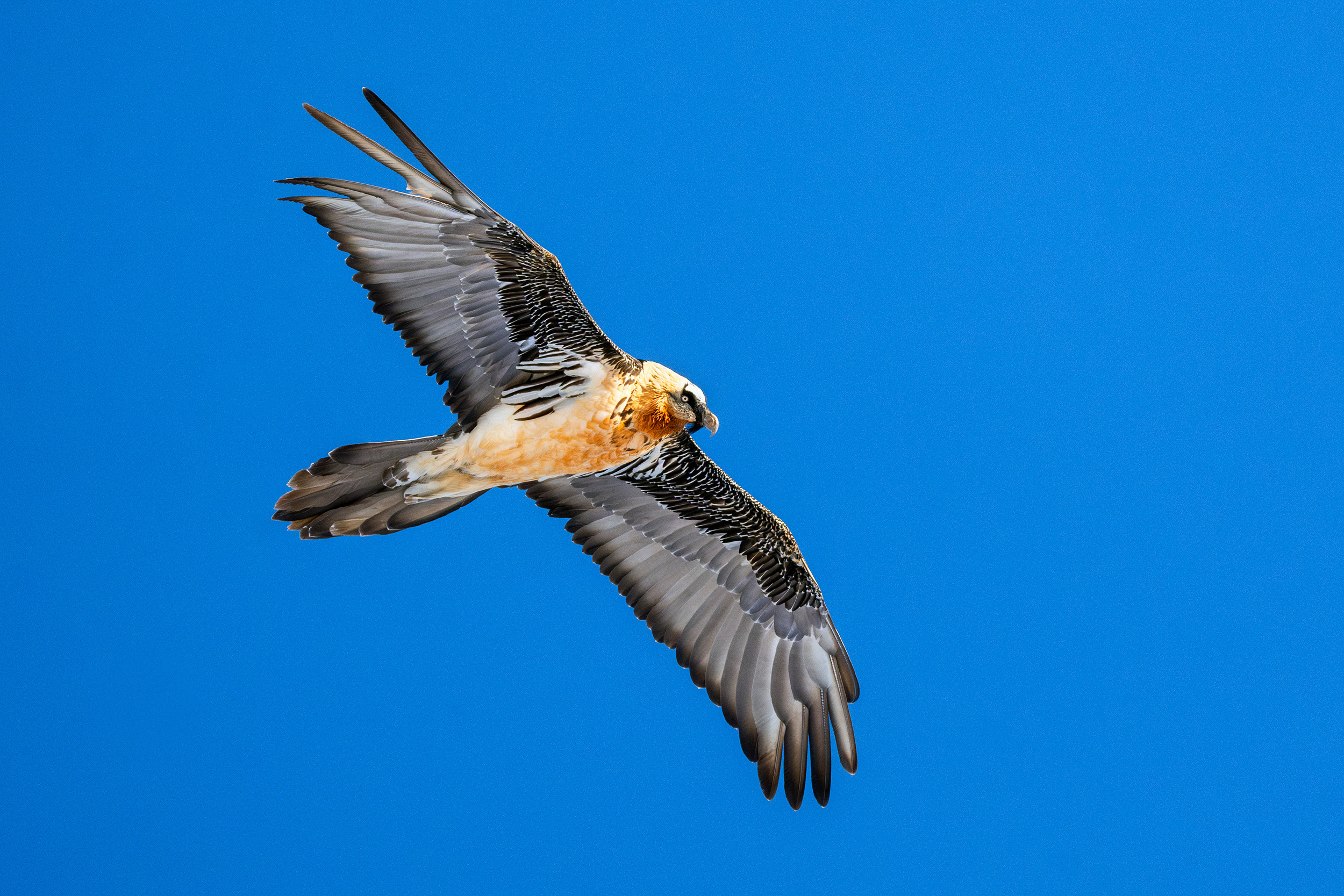 © Levi Fitze | Sony α1 II + FE 400-800mm f/6.3-8 G OSS | 1/3200s @ f/8.0, ISO 3200
Coming from someone who really loves the speed and sharpness of the Sony FE 400mm f/2.8 GM OSS, I was pleasantly surprised by how closely the quality of the new 400-800mm matches this level. Compared to the Sony 200-600mm, the autofocus felt significantly faster, especially in bird eye and animal eye tracking. I tested it with many fast-moving songbirds such as Coal Tits or White-winged Snowfinches, as well as larger mammals like the Alpine Ibex and Chamois in the Swiss Alps. This improvement has already allowed me to concentrate more on capturing the moment and achieving the right frame and creative execution of the image.
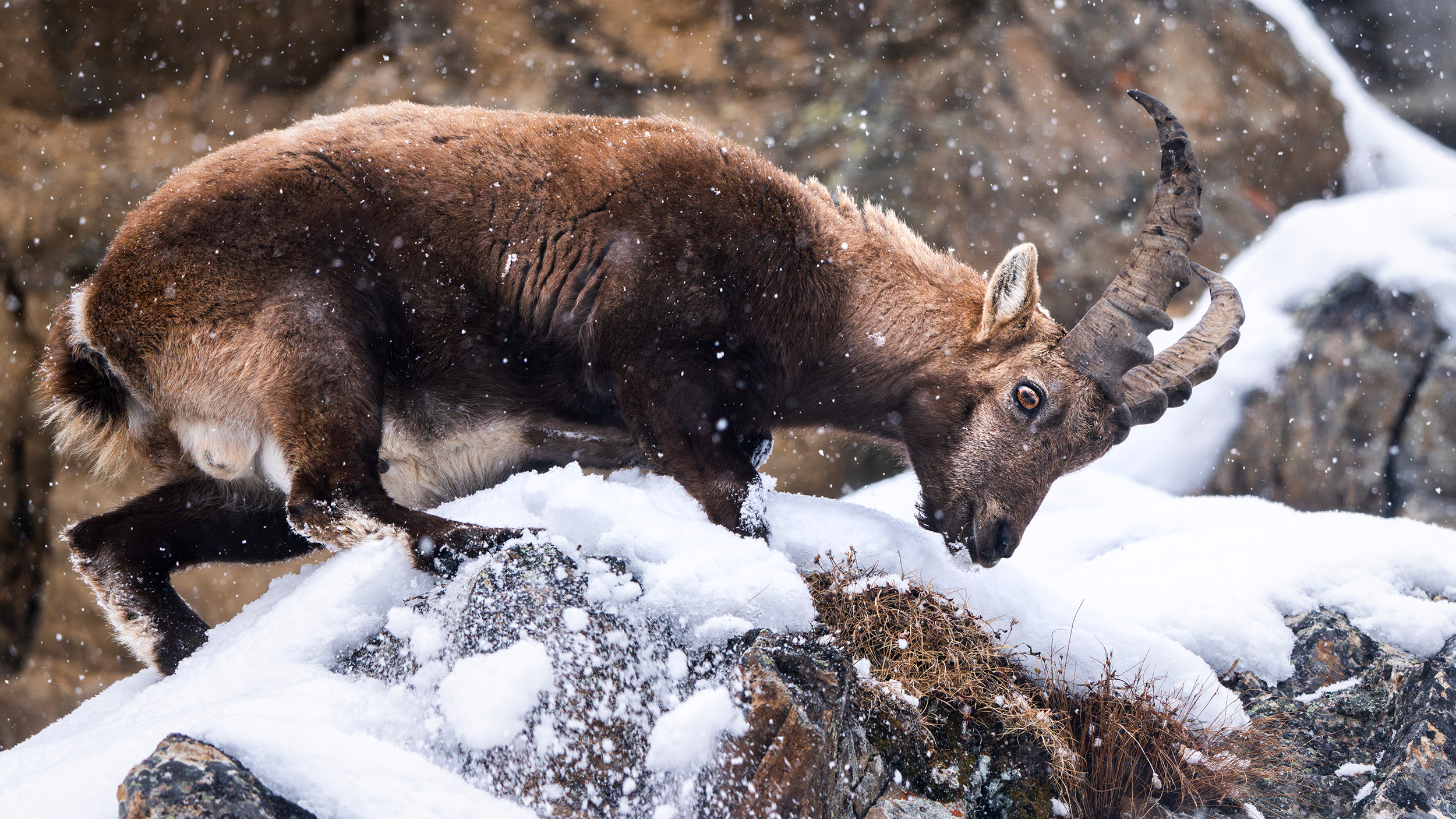 © Levi Fitze | Sony α1 II + FE 400-800mm f/6.3-8 G OSS | 1/320s @ f/8.0, ISO 125
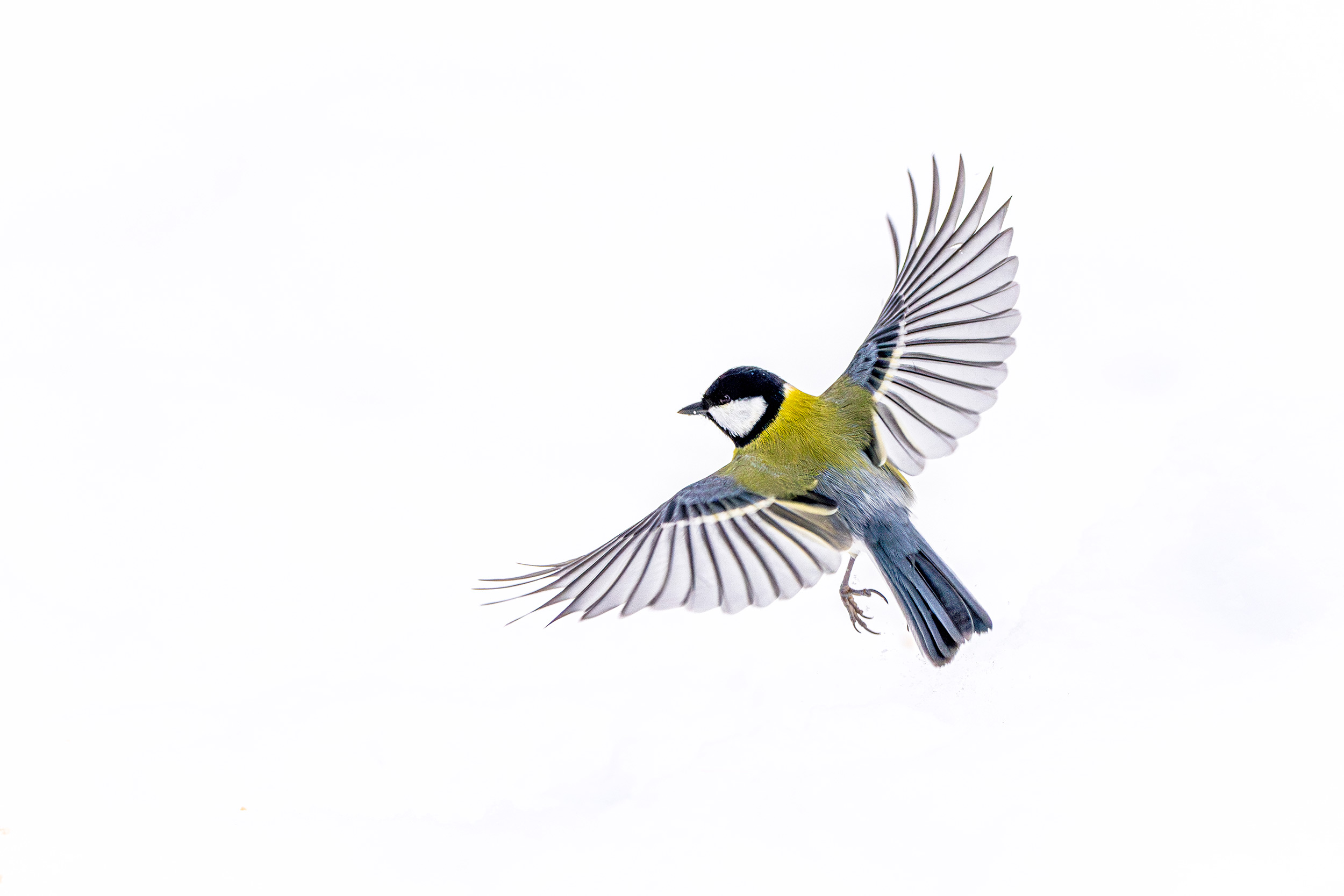 © Levi Fitze | Sony α1 II + FE 400-800mm f/6.3-8 G OSS | 1/2500s @ f/8.0, ISO 3200
In wildlife filmmaking, capturing real moments without impacting the subject is essential. The long focal length of 800mm - or even 1600mm with the 2x Teleconverter - made this possible and opened up new possibilities for my work that I hadn’t realised I needed. At first, I wasn’t sure if I could work with an aperture of f/8 or even f/16 with the 2x Teleconverter, however, I was positively surprised. The bokeh is very nice at 800mm and especially in filmmaking, there’s often no need for very open apertures. The autofocus performance super responsive, especially when filming at high frame rates. What also convinced me was that the lens shows no obvious signs of no focus breathing, allowing for consistent focus throughout zooming.
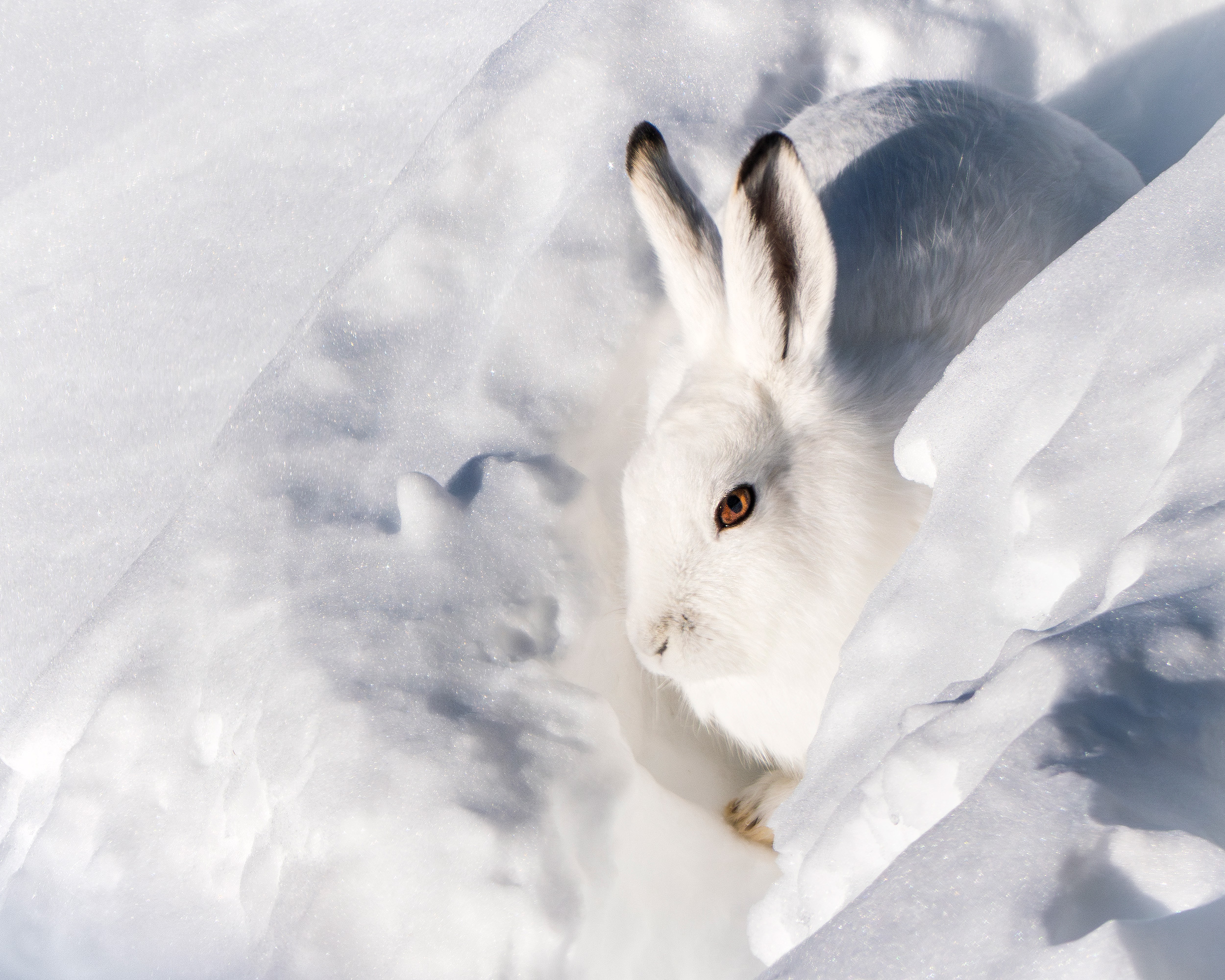 © Levi Fitze | Sony α1 II + FE 400-800mm f/6.3-8 G OSS + 2x Teleconverter | 1/1250s @ f/16, ISO 200
As mentioned, I used both the 1.4x and also the 2x Teleconverters for filmmaking as well as photography. I had been using teleconverters for some time but didn’t rely on them regularly because I was concerned about losing image quality or autofocus speed. However, I was pleasantly surprised by the performance of the new lens in combination with both teleconverters. On a very cold winter day, I had a rare encounter. An Alpine Mountain Hare was sitting very still, almost a hundred meters away in a steep snowfield. I was very excited to just observe it, but because of the large distance, I didn’t even think about taking an image at first. However, I tried to capture some images with the 2x Teleconverter. As you can see in the examples, the image quality remains very strong even at 1600mm and with additional cropping. Additionally, the animal- and bird-eye autofocus worked exceptionally well and did not lose speed. Using teleconverters proved to be particularly useful in bright conditions when subjects were at a great distance, or when capturing extreme details. In filmmaking especially, having access to 1600mm is exceptional and allows me to capture wildlife behaviour from a far distance, which increases the chance to capture special moments without having any impact on the natural environment.
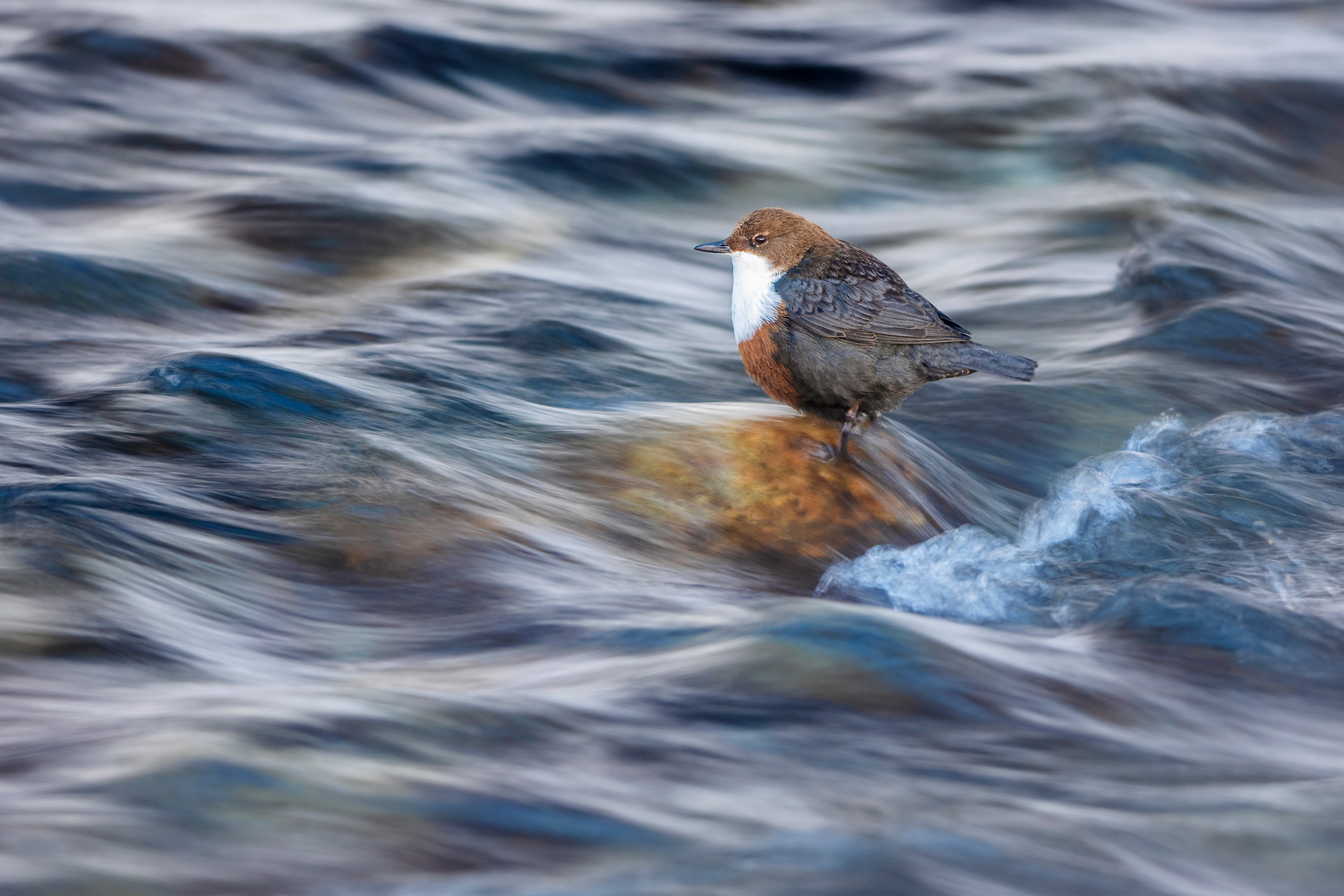 © Levi Fitze | Sony α1 II + FE 400-800mm f/6.3-8 G OSS | 1/15s @ f/8.0, ISO 100
This lens has truly impressed me, proving to be an exceptional tool that I will incorporate into my upcoming wildlife and bird filmmaking and photography projects. Offering a greater focal length, faster speeds, sharper images, and enhanced stability it will be the new must have lens for wildlife photography and filmmaking in my opinion. For me, the biggest plus point is now having a small, compact lens with very high quality that brings me closer to wildlife than ever before. Thanks to its faster speed and sharpness, this lens represents a significant step toward worrying less about the equipment and focusing more on experiencing and capturing moments in the wilderness. This is exactly what lens improvement should look like to me, and I'm excited for my next adventures, eager to capture these moments with the FE 400-800mm f/6.3-8 G OSS in the Swiss Alps.


