
Cinematic Flow with the Sony FX2
Aissa Aitichou
My name is Aissa Aitichou, a filmmaker and director with seven years’ experience in commercial, automotive, and travel projects. My work centres on strong visuals, movement, and clear storytelling.
For my latest project with the Sony FX2, I aimed to test how a full-frame cinema camera performs in real-world conditions—handheld, on gimbals, and in dynamic setups—while achieving professional results. I pushed the camera across various environments and techniques to create a cinematic narrative that inspires creators to elevate their work.
The concept was to capture real, flowing movement in a cinematic way, blending handheld shots, gimbal work, and stills. I wanted to see how the FX2 handles dynamic scenes, changing light, and perspectives, creating visuals that feel alive and polished, and showing creators that professional results are possible outside the studio.
Translating my Instagram aesthetic to a high-production project meant scaling up dynamic framing, movement-driven storytelling, and match cuts, while maintaining precise control over light and colour. The FX2’s full-frame sensor and responsive autofocus helped me keep my signature style with added cinematic depth.
 © Aissa Aitichou
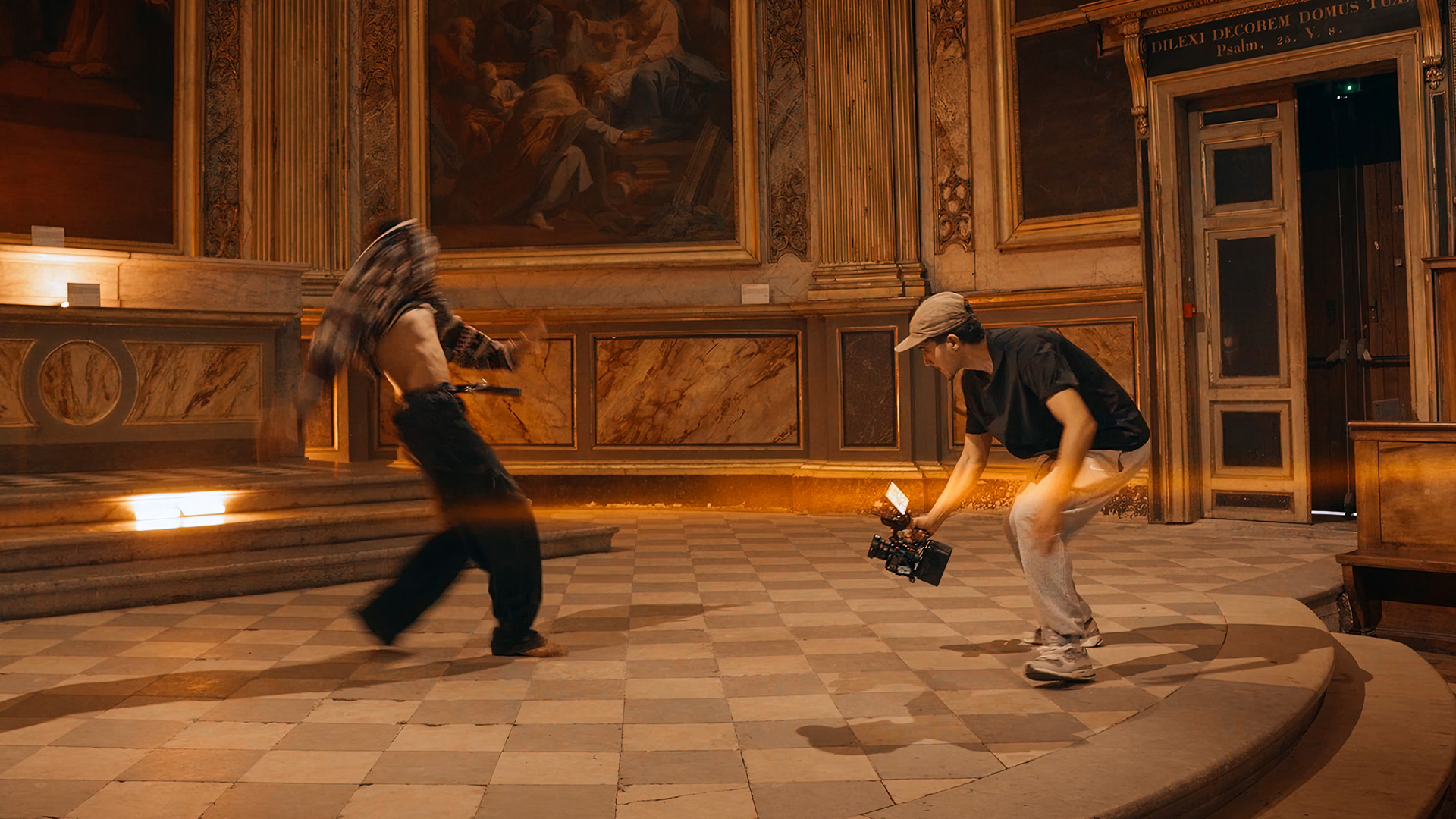
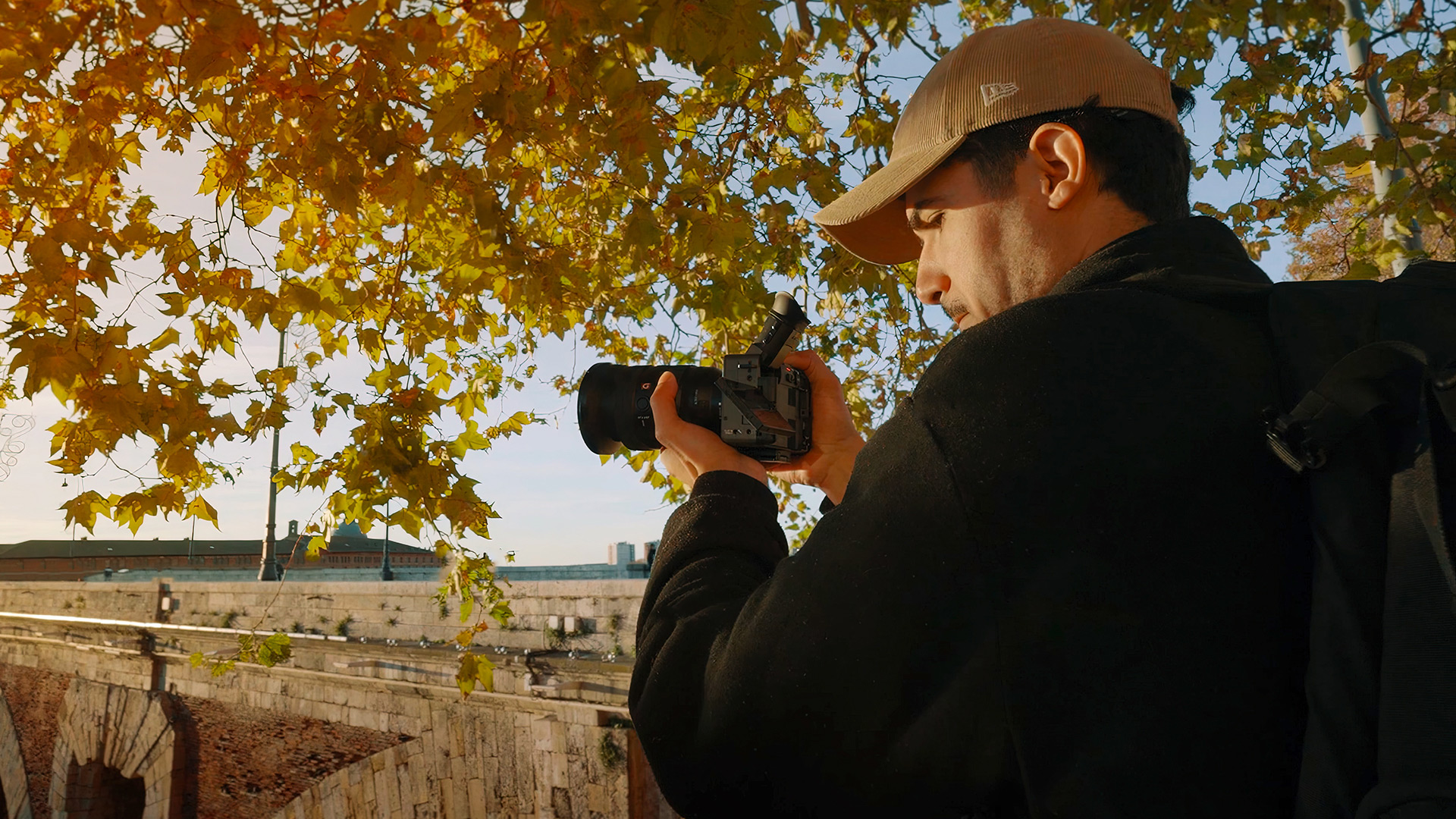
The environment shaped my creative choices. Indoors, I used wide angles and close-ups for intimacy; in the city at sunset, I emphasised atmosphere and changing light; while traveling, I experimented with unique perspectives. Match cuts and pacing were guided by each location, immersing viewers in the story.
 © Aissa Aitichou
The story evolved naturally. Dancer shots were pre-planned, while travel footage adapted to each location’s energy. City shots were mostly spontaneous, except for pre-planned time-lapses. The FX2’s EVF allowed me to adjust in real time, letting the environment shape the footage.
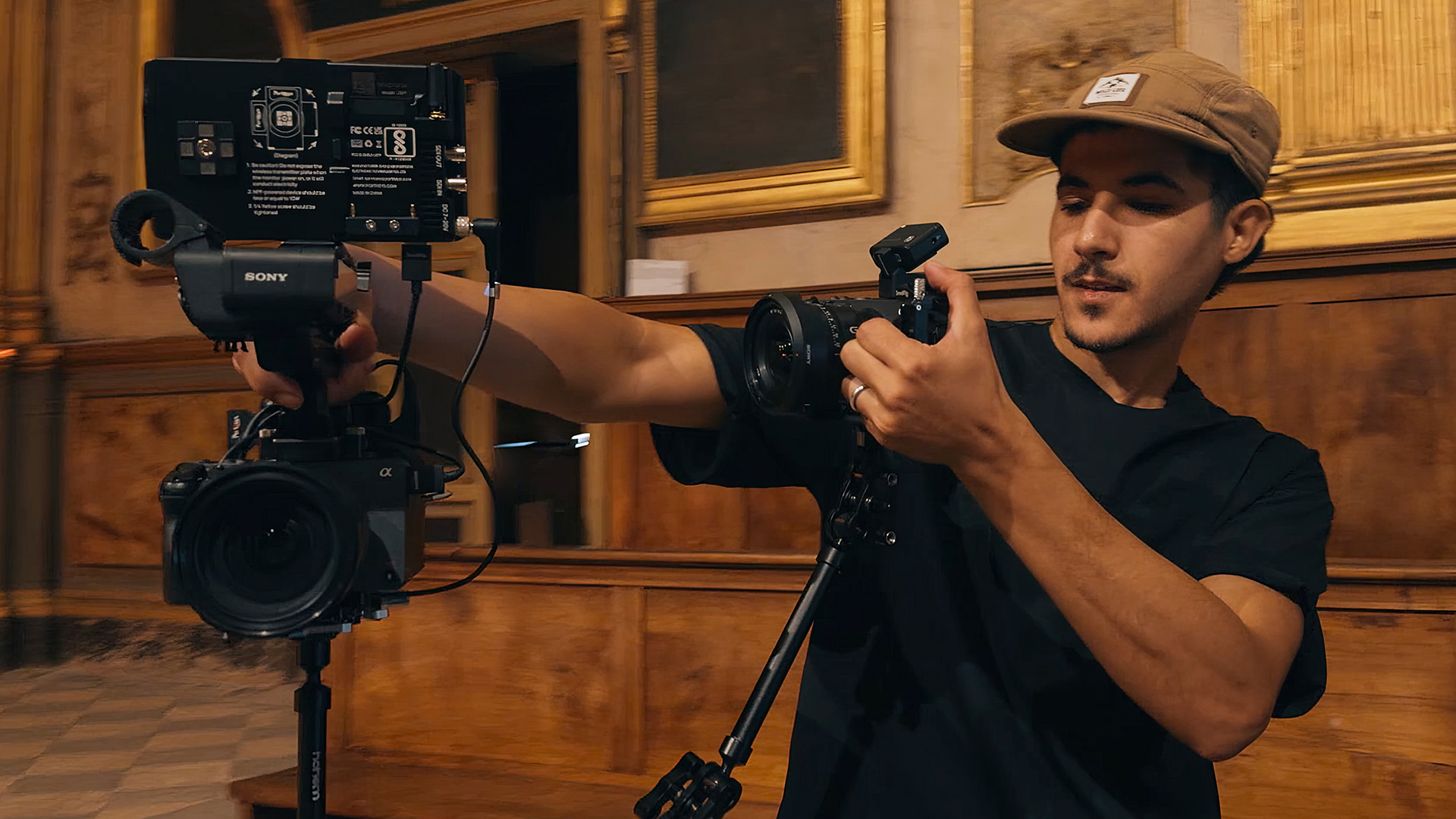
The camera fitted my style of movement and fast transitions, keeping a consistent cinematic image across video and stills. Its flexibility let me switch between handheld, rigged, and static shots, preserving visual identity and cohesion.
Shooting in Cine EI prioritised dynamic range, maintaining detail in highlights and shadows across mixed lighting. This approach kept exposure consistent and gave me flexibility in post-production.
 © Aissa Aitichou
The FX2’s compact form allowed me to shoot in tight spaces and move quickly between angles, capturing fluid movement that would be difficult with larger rigs.
I used the FE 24-70mm f/2.8 GM II for versatility and the FE 16mm f/1.8 G for expansive shots. These lenses balanced scale and intimacy, maintaining a consistent visual language.
Shooting in S-Log3 gave me a reliable base for colour grading. Sony’s colour science kept skin tones and highlights natural, making it easy to refine mood and balance in post.
Key shots include the dancer sequence, where the FX2’s autofocus tracked fast movement, and city shots at sunset, which showcased the camera’s handling of changing light and colour.
I want viewers to feel fully immersed in each scene, experiencing the energy, light, and motion as if they were there, showing how cinematic storytelling connects audiences to the visuals. If I were to offer any advice to Creators, it would be to use Log shooting for maximum flexibility in post. Creatively, focus on movement and framing, using match cuts and dynamic setups to make your story visually engaging. Balance technical control with creative experimentation to develop a unique style.
Featured products


Aissa Aitichou | France
Aissa Aitichou is a filmmaker and director, working across commercial, automotive, and travel projects. His work focuses on strong visuals, movement, and clear storytelling.


