
A Year of Wildlife
with the FE 400mm f/2.8 GM OSS
For the past year, wildlife photographer Gamander López has been shooting with the Sony FE 400mm f/2.8 GM OSS lens. It has become his go-to lens, paired with his Sony Alpha 1.
“It is a dream combination,” says Gamander. “The Alpha 1 is the fastest camera from Sony. When you combine that 50 megapixel resolution and 30fps shooting rate with one of the fastest autofocusing lenses – the 400mm f/2.8, everything is crazy fast! But it isn’t just the speed; it is precision.”
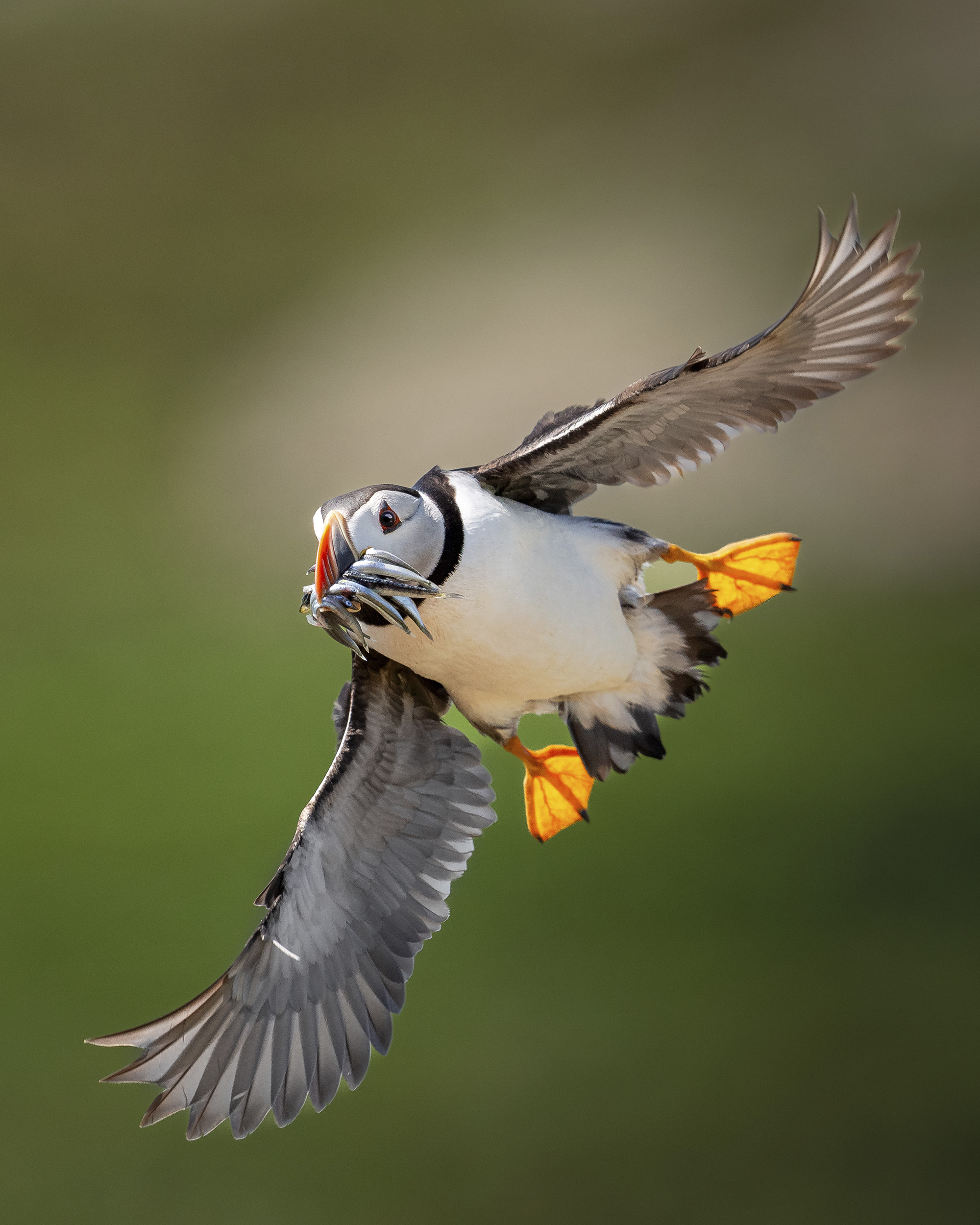 © Gamander López | Sony α1 + FE 400mm f/2.8 GM OSS | 1/3200s @ f/4.5, ISO 400
Given he may be waiting hours, even days, to capture a fleeting moment on camera, Gamander must have kit that he can rely on. In these moments, the Alpha 1 and 400mm lenses come into their own.
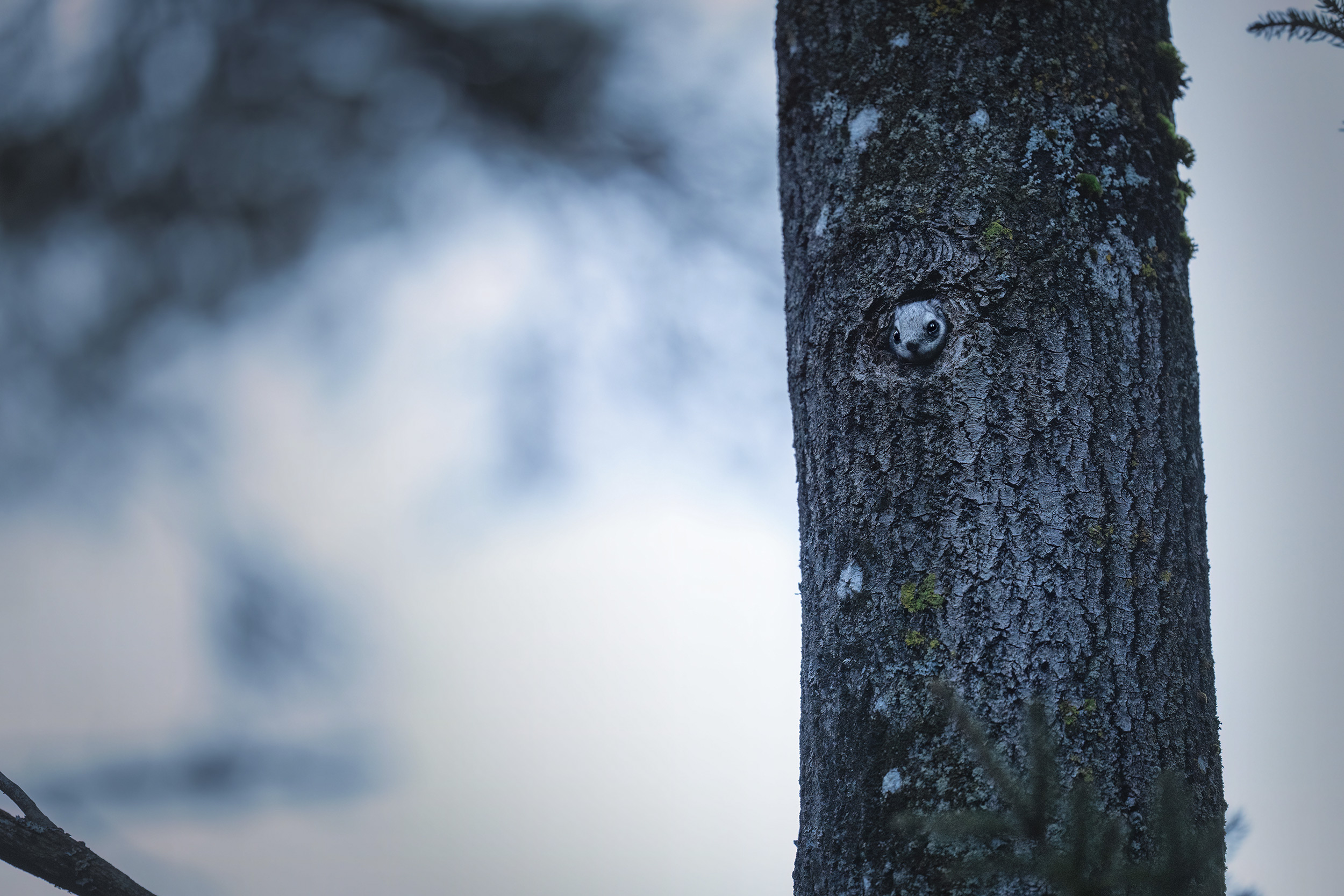 © Gamander López | Sony α1 + FE 400mm f/2.8 GM OSS | 0.4s @ f/2.8, ISO 2000
“Earlier this year, I had one of my favourite moments. I spent four months on a filmmaking trip with wildlife filmmaker Oliver Goetzl in Finland. We knew that there were Siberian Flying Squirrels, and with the help of Benjam Pöntinen we were searching for them for a few weeks. Every night, we positioned ourselves in front of tree holes that looked like they might be used as nests, and waited. One night, a squirrel finally put its head out of the hole, and we saw these huge eyes. I pressed the shutter button and got the shot. It was such a special, unforgettable moment that I was able to capture thanks to my 400mm lens.“
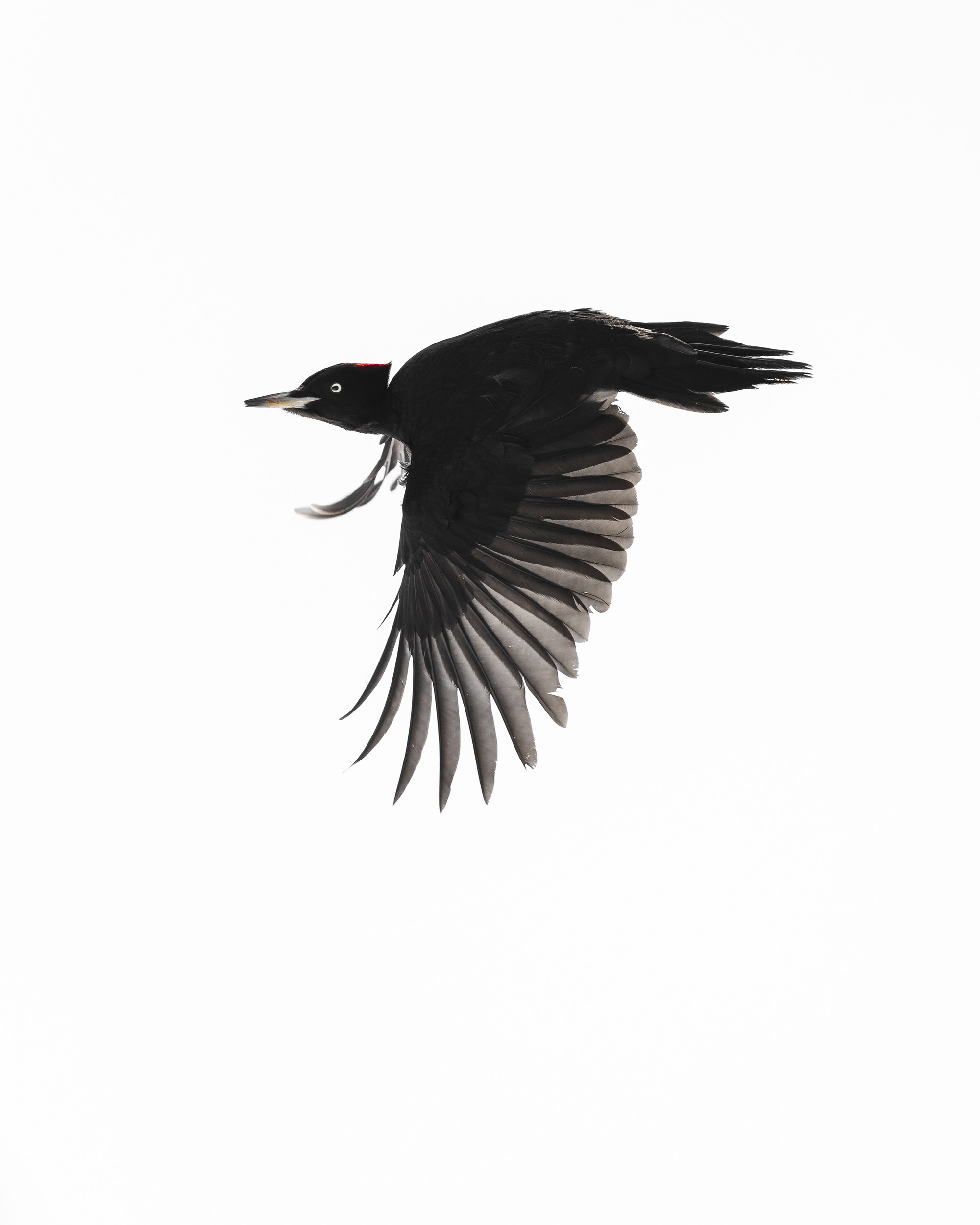 © Gamander López | Sony α1 + FE 400mm f/2.8 GM OSS | 1/4000s @ f/2.8, ISO 250
The Siberian flying squirrel is just one of the many species that Gamander has captured on camera over the last year. However, he hasn’t had to travel as far as Finland for all his images; many have come from his home of North Rhine-Westphalia, Germany.
“Most of my work is centred around my home, I like to go into the forests that are near where I live. It’s unbelievable that I can find so many animals in the local area. It just goes to show, you don’t have to travel across the world to see some incredible wildlife.”
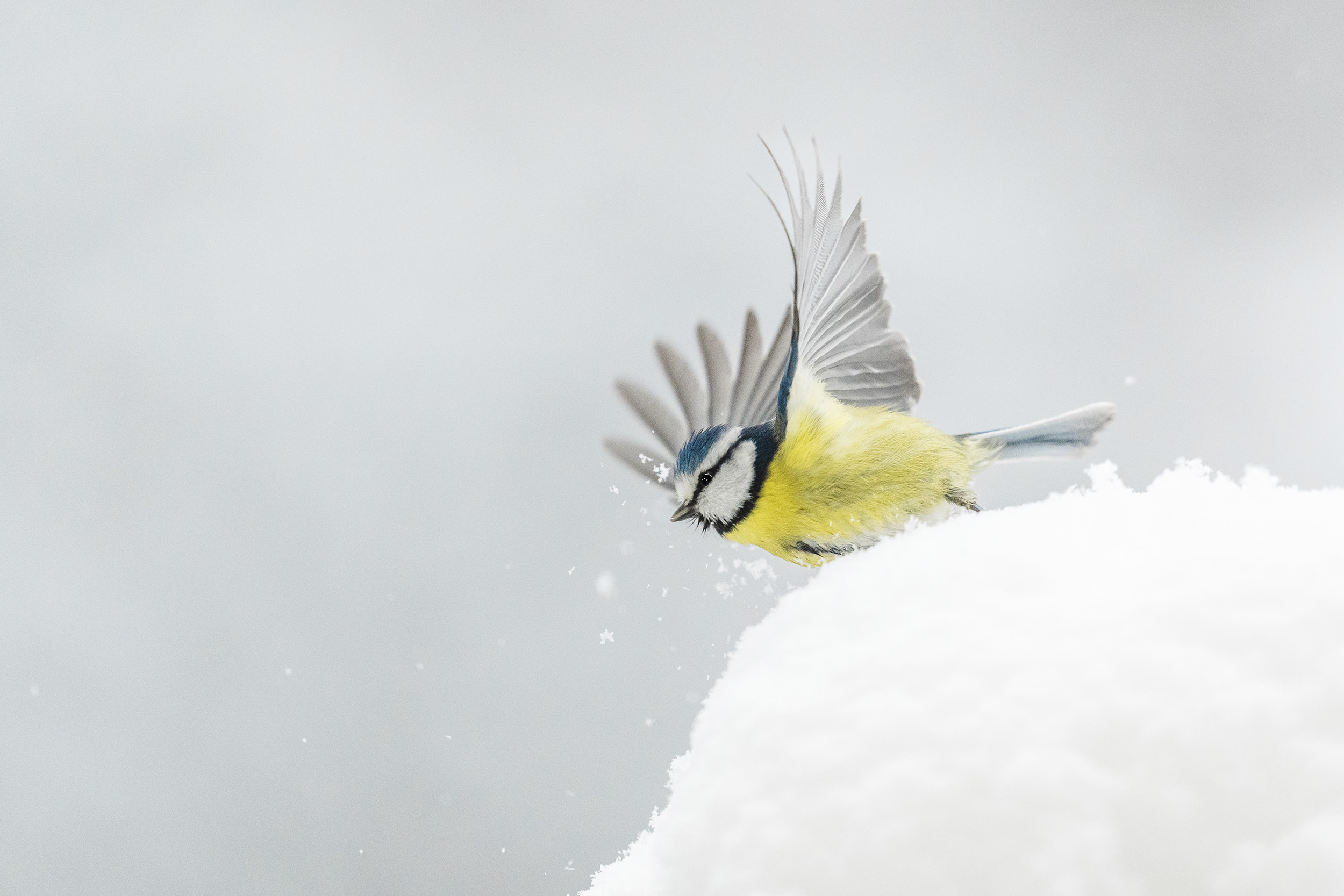 © Gamander López | Sony α1 + FE 400mm f/2.8 GM OSS | 1/3200s @ f/2.8, ISO 4000
Gamander’s joy is spotting the beauty of the animals and telling their stories. “I just hope my images motivate people to go out into their piece of nature. I think everyone who loves nature also wants to protect it. I want to do my part to help that,” he says.
One of Gamander’s favourite features of the Alpha 1 is the Bird Tracking AF, which he has used on many occasions to take incredible shots of both birds in flight and perched.
“The Bird Tracking AF is very impressive,” he says. “I don’t have to think about focusing anymore; I just press a button, and it focuses, so I can concentrate on the moment itself and appreciate the birds I photograph.”
 © Gamander López | Sony α1 + FE 400mm f/2.8 GM OSS | 1/500s @ f/2.8, ISO 640
Gamander says his favourite feature of 400mm G Master is its large f/2.8 aperture. “It makes it possible to have a super nice blurry background, while emphasising the animal. Most animals I photograph, particularly smaller birds, can move quickly. When I shoot them, I need to use a fast shutter, and thanks to the f/2.8 aperture, I don’t have to push the ISO sensitivity too high. It also helps me shoot in low light, which is useful as many animals I photograph are nocturnal. I wouldn’t be able to get these types of shots if I was shooting with an f/6.3 aperture.”
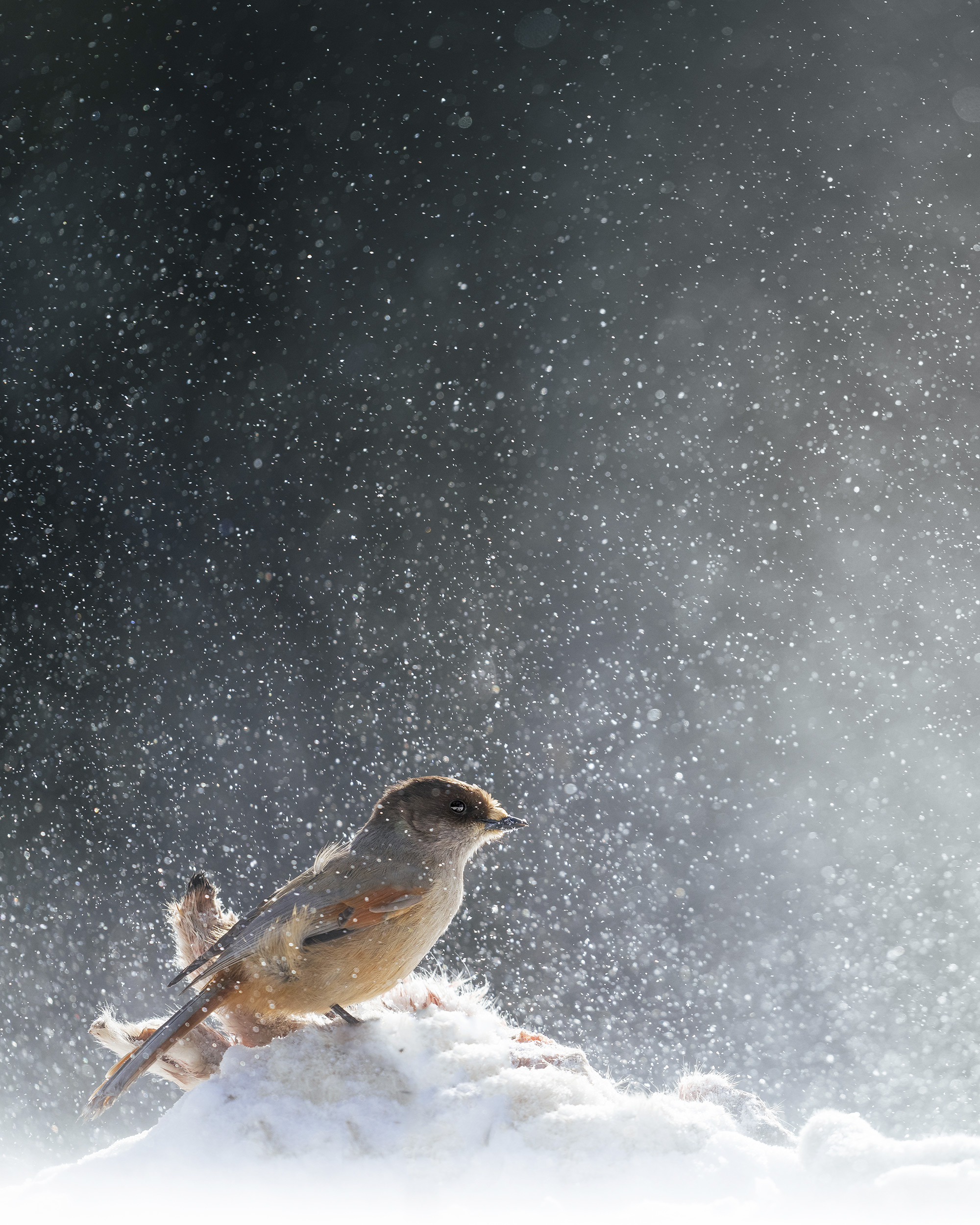 © Gamander López | Sony α1 + FE 400mm f/2.8 GM OSS | 1/4000s @ f/2.8, ISO 250
Having precise detail in the images at such a high resolution allows Gamander to crop into the picture when needed, to create impactful images that help tell the stories of his subjects. However, he prefers to capture the image in-camera using the FE 1.4x and 2x teleconverters when he can. “I get a 560mm f/5.6 lens with a 1.4x converter and 800mm with the 2x converter. Compared to similar lenses, it is light and small enough to carry around all day.”
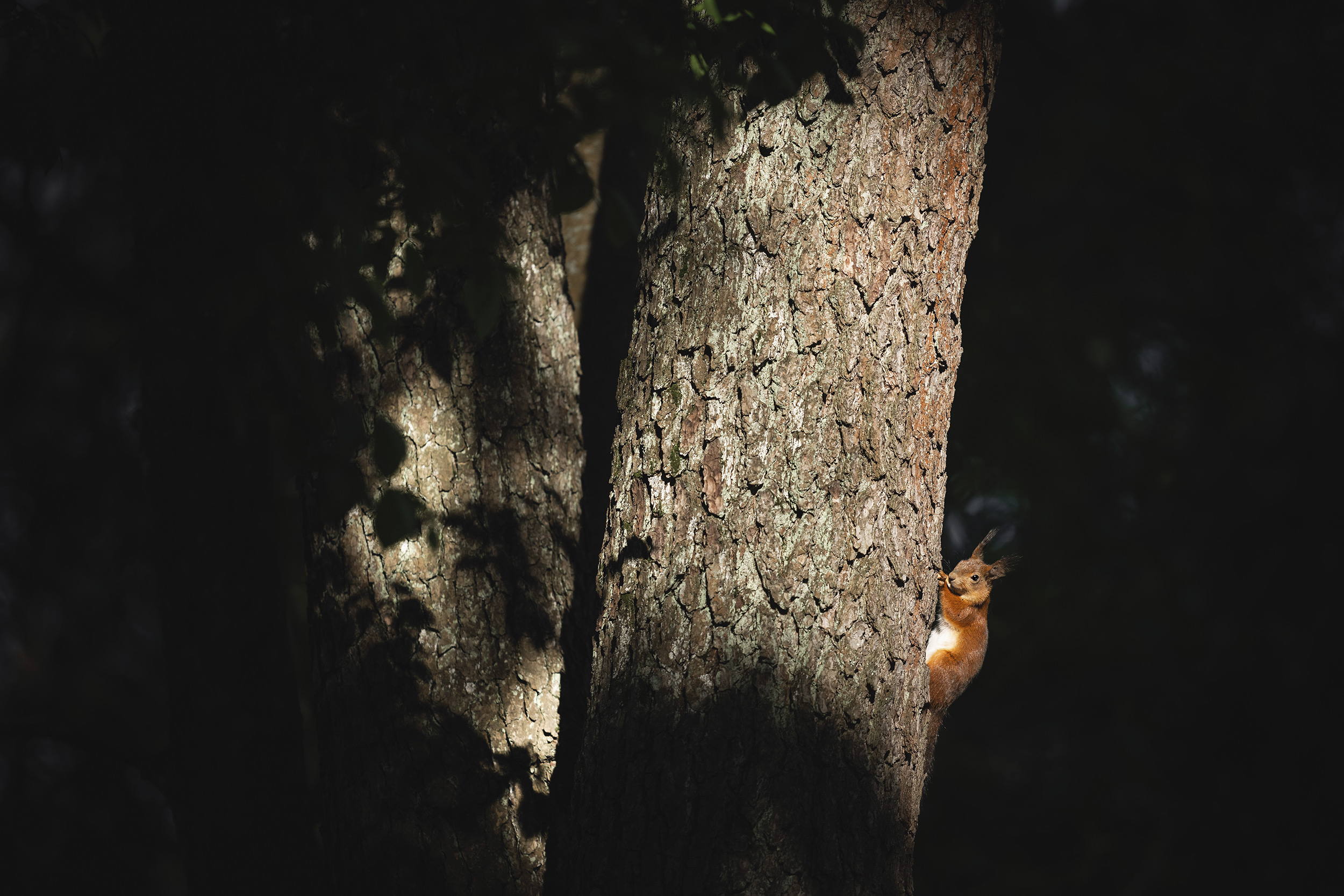 © Gamander López | Sony α1 + FE 400mm f/2.8 GM OSS | 1/1600s @ f/2.8, ISO 320
Adding to the weight saving aspect is the fact that Gamander prefers to use the 400mm lens handheld, saving the weight of carrying a tripod – all made possible thanks to the optical lens stabilisation and in-camera stabilisation of the Alpha 1.
Having the freedom to move and react is part of the reason Gamander is able to get such fantastic images. “I’ve had so many beautiful moments with the lens. With the Alpha 1 and 400mm G Master lens, my photography and filmmaking work is much easier. This lens will accompany me for a long, long time to come.”


