
Taking it to the Next Level
Joris Kuijper
Just before dawn, a helicopter darts across the Mojave Desert, in California. As the sun breaks over the eastern horizon, the Ivanpah Solar Electric Generating System glitters beneath Clark Mountain, its 200,000 mirrors focusing the sun towards central spires. From this angle it looks like the brainchild of some science-fiction author. But from the ground, would you even notice?
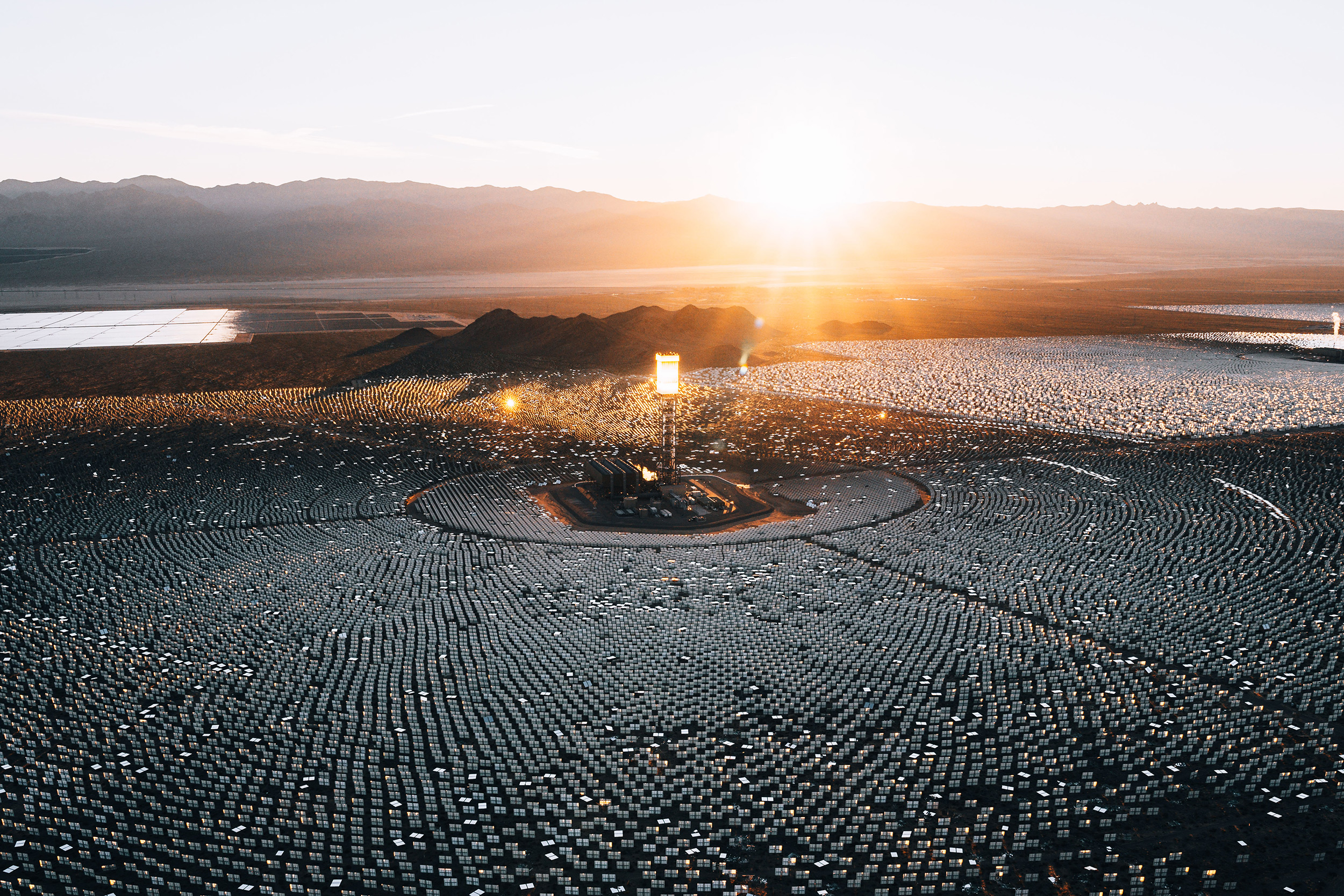 © Joris Kuijper | Sony α7 IV + FE 24-70mm f/2.8 GM II | 1/400s @ f/8.0, ISO 640
“That’s what I love the most about aerial photography – the sense of discovery and the amazing details it brings,” says Joris Kuijper, the aforementioned passenger on this flight, but an experienced professional pilot in his own right. “Because of their rarity, these views are mesmerising, but finding them is also a thrill. There are sights that you simply can’t appreciate from ground level all over the world. And that spectacle is the reason I got into photography. Now, looking from the sky just feels natural to me.”
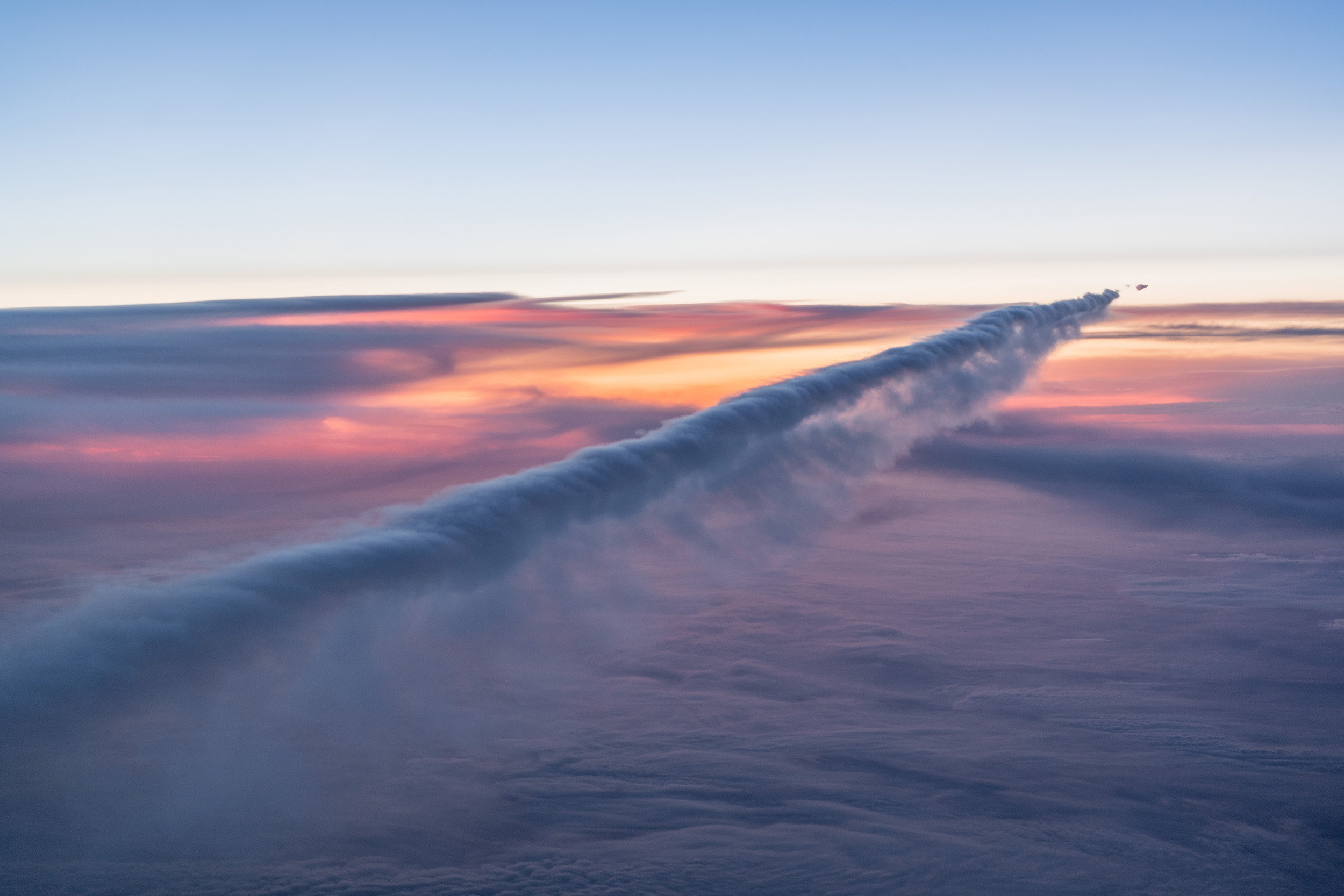 © Joris Kuijper | Sony α7 IV + FE 24-105mm f/4 G OSS | 1/60s @ f/4.0, ISO 200
Though he enjoyed capturing the world with an action-cam as he grew up, Joris’s career as a pilot was the greatest influence in his photography. Working for a major international airline, KLM, “I started to see the world,” he explains, “often the most beautiful places in the most beautiful light of dawn or dusk. It made me realise that I wanted to capture those moments, not just to show others, but also to look back at my travels in later life.” Getting more serious, and realising that many of these views were from the air, he invested in his first Sony camera, an Alpha 6500, before moving on to a full-frame Alpha 7 III, and now the new Alpha 7 IV.
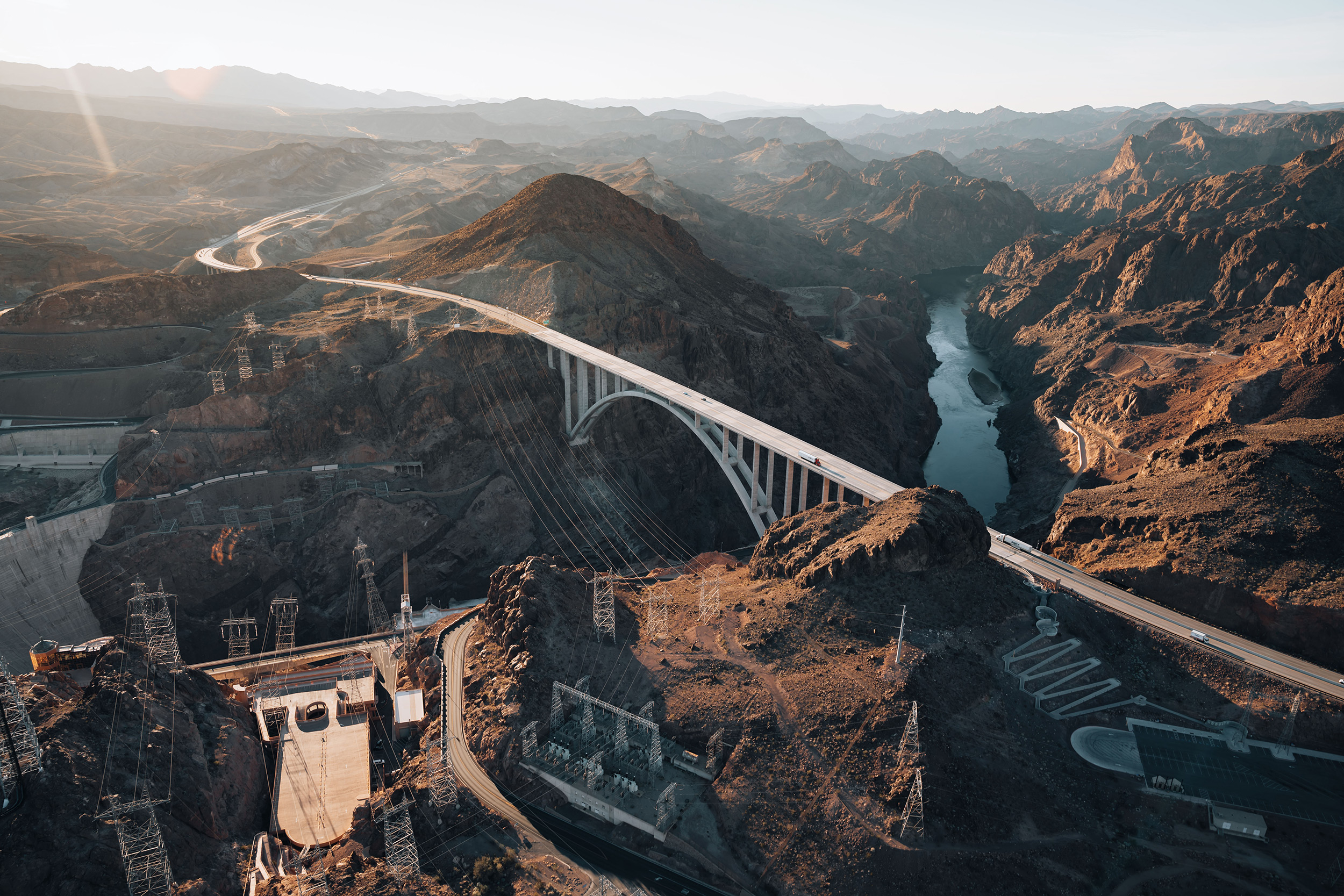 © Joris Kuijper | Sony α7 IV + FE 24-70mm f/2.8 GM II | 1/400s @ f/3.2, ISO 100
“During the 2020 lockdown,” he continues, “I spent time photographing Amsterdam’s Schiphol Airport. There was something really interesting about seeing the place in that shut-down way, with all the planes parked up on the runway – planes I should have been flying! So I hired a helicopter to record it from the air. That was my first time shooting in that way, and I never looked back. KLM’s social media team even saw the images on my Instagram and asked if they could use them, without realising I was part of the company!”
Now with the full backing of KLM to shoot from its planes’ flight decks as they travel the skies – something which is not normally allowed – Joris is getting to know the new Sony Alpha 7 IV and how it can take his photography to new heights. “Of course, sharpness is a challenge when you’re shooting from the air,” he says, “because everything is super shaky and your shooting position is constantly moving. But the combination of features within the Alpha 7 IV really helps me there. A big part of that is the five-axis in-body image stabilisation (IBIS), which lets me shoot at speeds up to 5.5 stops slower and still get sharp results.”
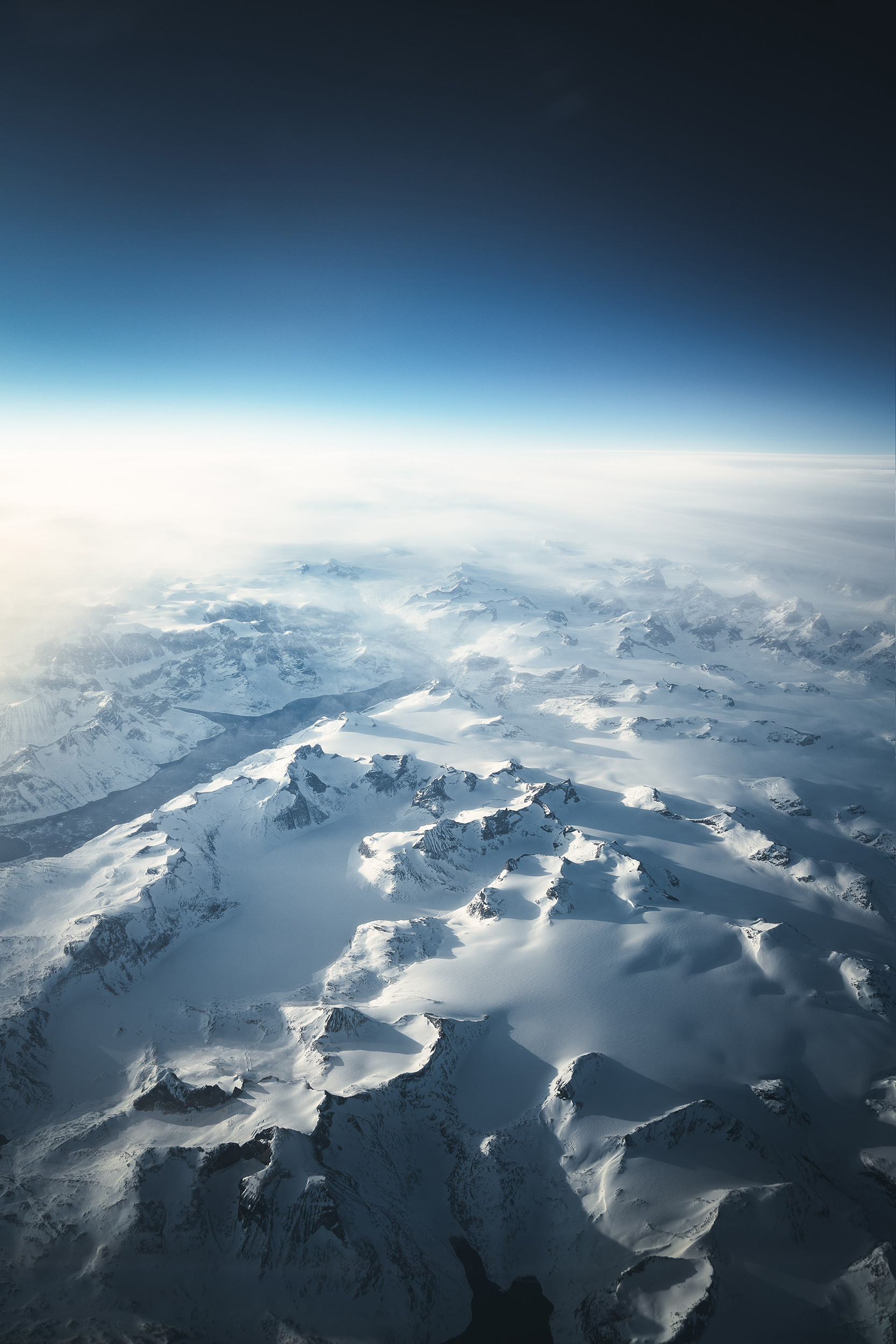 © Joris Kuijper | Sony α7 IV + FE 24-105mm f/4 G OSS | 1/500s @ f/6.3, ISO 100
Joris’s flight-deck images show him shooting down to as slow as 1/13sec handheld, and enjoying the sharpening benefits of IBIS, even when manually steadying his camera – even on a tripod, clamp or beanbag, vibration from the aircraft is still a factor. But the Alpha 7 IV’s IBIS means he can make even moderate speeds look like much faster settings, too. “I shoot in Shutter Priority mode,” he explains, “and though I don’t have a hard rule about speed, I try not to go under 1/320sec for most shots. Of course this also depends on the lens. The wider you go, the slower a speed you can use as movement is less visible. And as for aperture, the subject is so far away I can use settings like f/2.8 or f/1.4 for more light, while still getting everything sharp.”
“In terms of shutter speed, the Alpha 7 IV also helps me with its ISO performance,” Joris explains. “I usually work in Auto ISO and I set the maximum depending on the light. In the Mojave Desert, because it was dark when we started I was up at 3200, which is pretty high, though the Alpha 7 IV’s sensor still gives great results there. As it got lighter I lowered the maximum, and in daylight I’d stick between ISO 100 and ISO 640, where results are nearly identical. The Alpha 7 IV’s sensor is such a good combination of resolution and noise performance,” he continues, “because at 33-megapixels there’s masses of detail, too.”
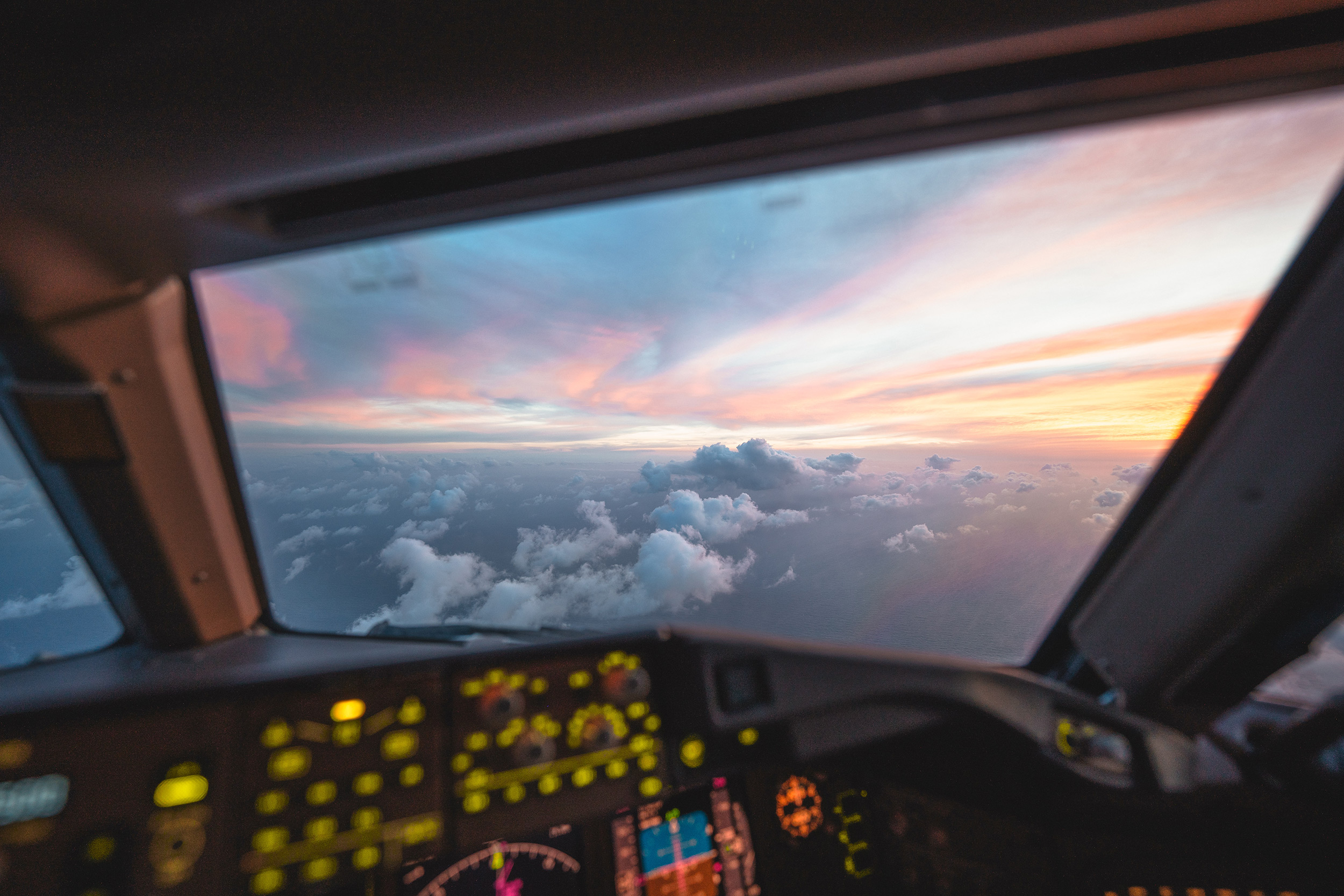 © Joris Kuijper | Sony α7 IV + FE 14mm f/1.8 GM | 1/50s @ f/1.8, ISO 100
For Joris, frame rate in the air is also vitally important. And again the Alpha 7 IV delivers. “On a helicopter trip like the one in Mojave, I shoot a lot,” he explains, “so the 10fps burst mode, the camera’s huge buffer and its use of an ultra-fast CF Express card all add up to what I need – no slowing down. Time in the air is so precious, that it’s important you don’t miss a thing. When viewing scenes from above, you notice how quickly the light is always changing, too. On a typical trip, I’ll do at least a couple of passes over the subject, so it’s imperative to keep shooting.”
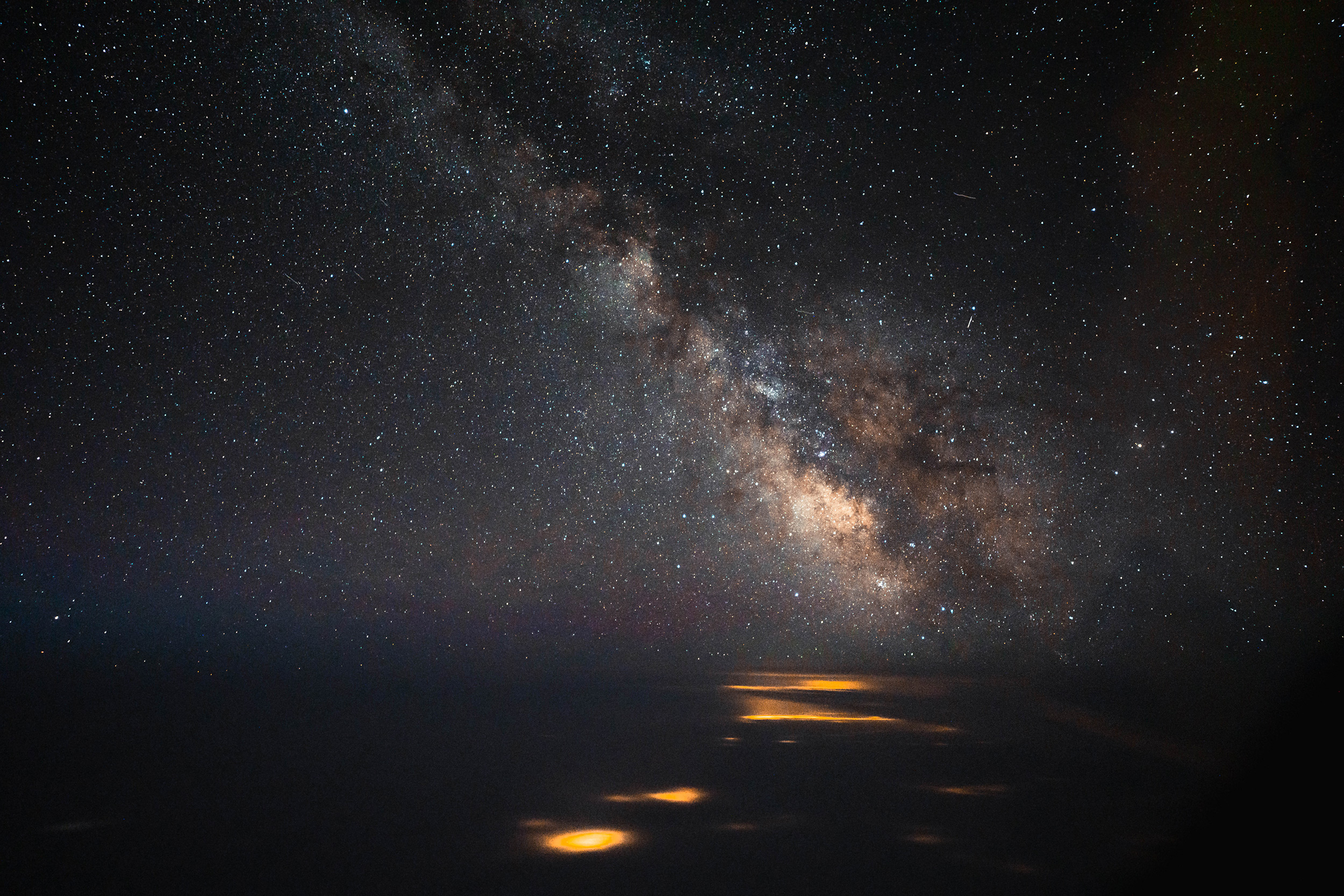 © Joris Kuijper | Sony α7 IV + FE 20mm f/1.8 G | 4s @ f/1.8, ISO 3200
Keen to keep discovering the world from the air, Joris is now concentrating on making a book of aerial photography of his native Netherlands. “Once again,” he finishes, “the joy is in finding these amazing places that I’ve researched – but there’s also huge joy in discovering unexpected views. The best angle is often one you didn’t anticipate. And in the air, opportunities come and go very quickly. That would be my most important tip for aerial work – keep looking, keep shooting and keep enjoying the world around you. With the Alpha 7 IV you have no excuse not to!”


