
Shooting Sports with Sony Alpha
Pedro Lemos
“I grew up surfing and skating in Brazil. We would film each other skating around Rio de Janeiro. That's how I got into content creation,” says Brazilian-born photographer and filmmaker Pedro Lamos. In 2012, Pedro moved to Europe to compete as a skateboarder, but eventually, it became clear that filmmaking and photography would be his future.
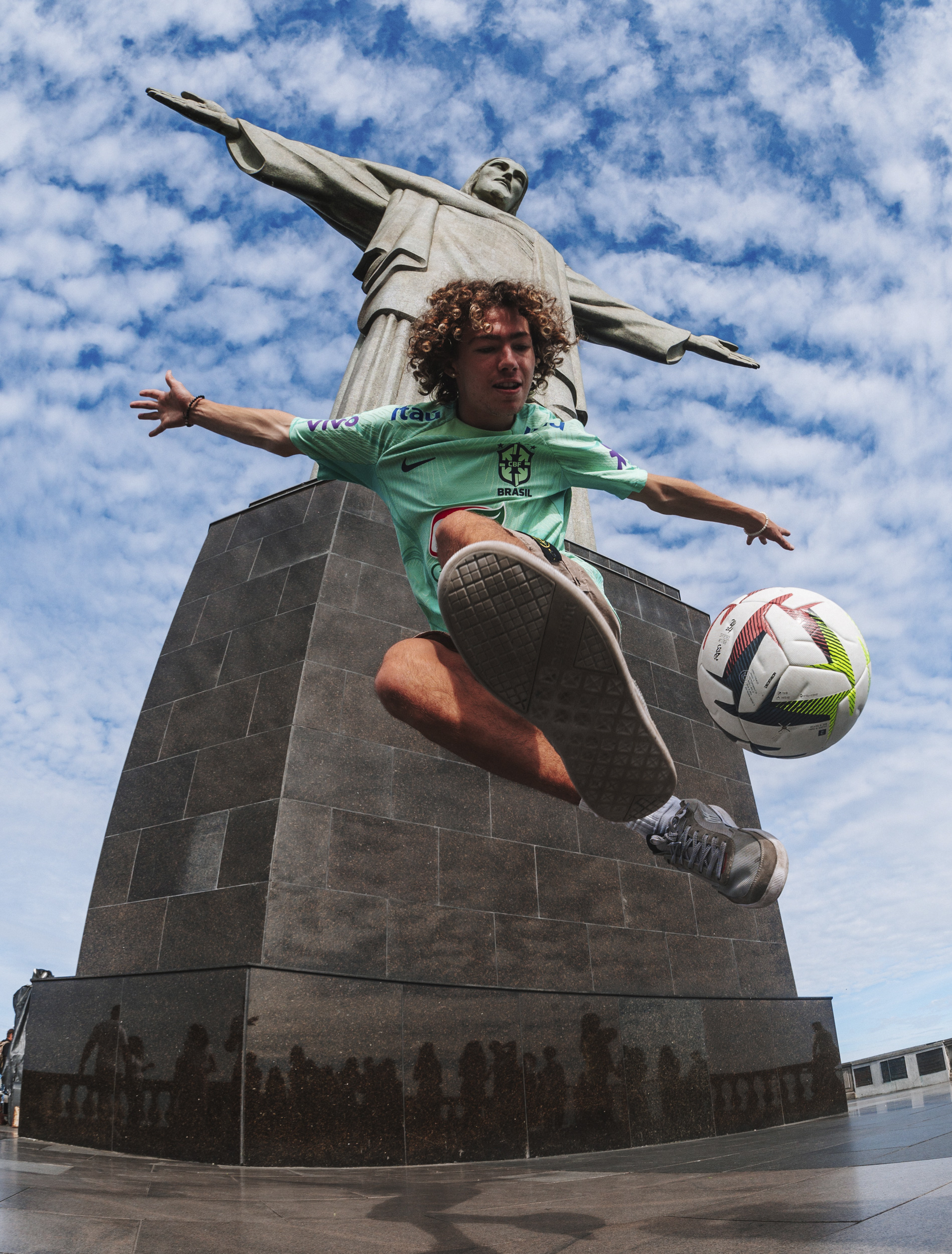 © Pedro Lemos
“I got a job with a skateboarding magazine in Portugal, but ended up in Norway and naturally gravitated to working with skiers, including the national Alpine Ski team. Now I work photographing every kind of sport.”
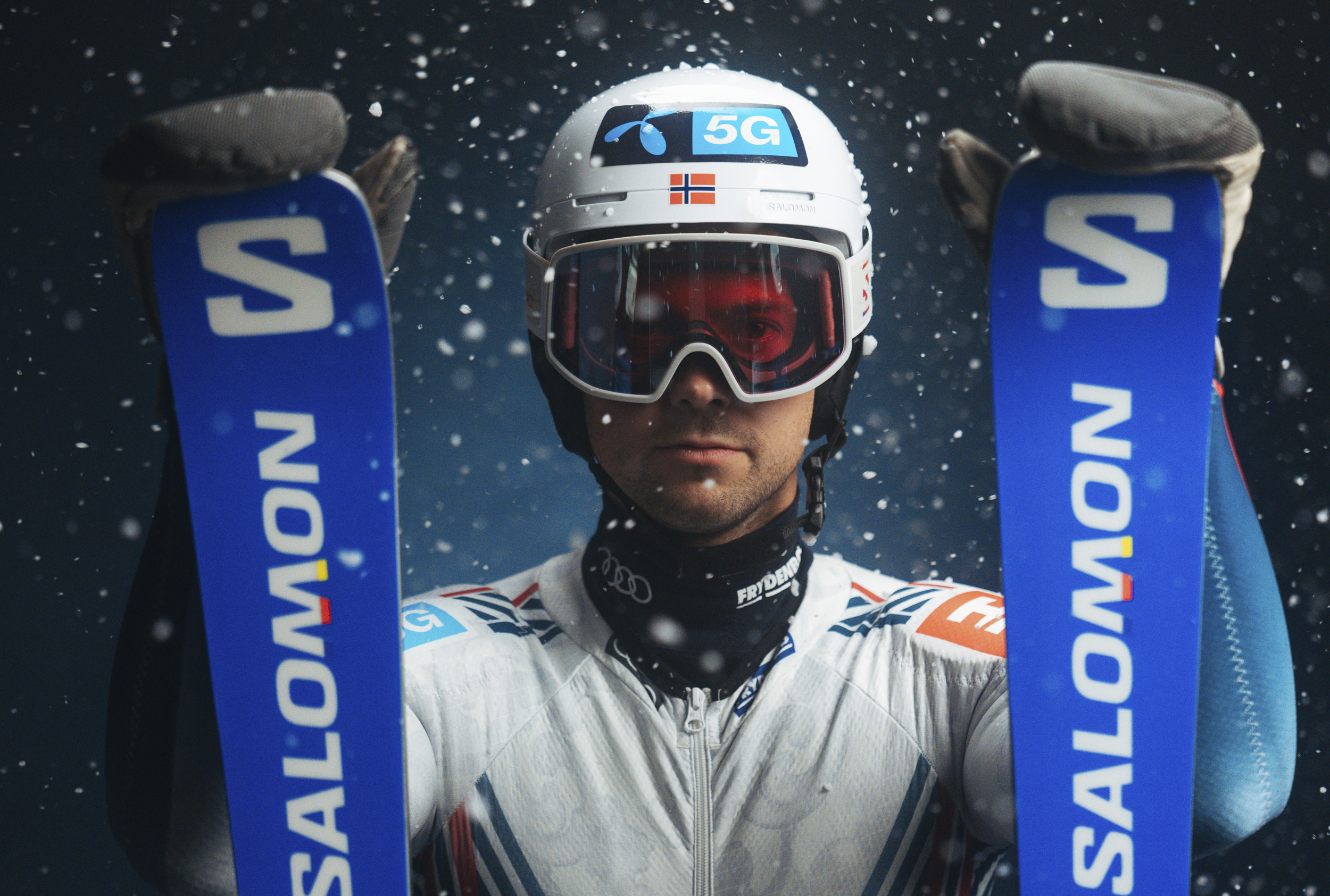 © Pedro Lemos | Sony α1 + FE 24-70mm f/2.8 GM II | 1/400s @ f/2.8, ISO 800
Photographing everything from pitches to pit lanes, Pedro uses various cameras depending on his needs. “Most of the time I shoot with the Sony Alpha 1 - its 30 fps shooting rate and fast focusing means I can always capture the action. Then, sometimes, I will carry the Sony Alpha 7R V as a second camera. It produces incredibly detailed images thanks to its 61 megapixel sensor, so is useful for commercial or portrait images. I also shoot many videos, and I like using the Sony ZV-E1; it is easy to use and lightweight for when I quickly need to film social media content. And if I need to take photos, the 12-megapixel resolution is more than enough for social media sites. For a more intense all-day shoot I will switch to using the Sony FX3.”
 © Pedro Lemos | Sony α1 + FE 400mm f/2.8 GM OSS | 1/2000s @ f/2.8, ISO 1250
Regardless of which camera Pedro is shooting with, he has come to rely on the incredible autofocus power of Sony cameras. “It fascinates me how accurate and intelligent the focusing is. For example in football, I don't have to worry about the players when they’re dribbling with the ball, and someone moves in front of them—the autofocus will stay locked on the first player. It is a key reason why I use Sony cameras.”
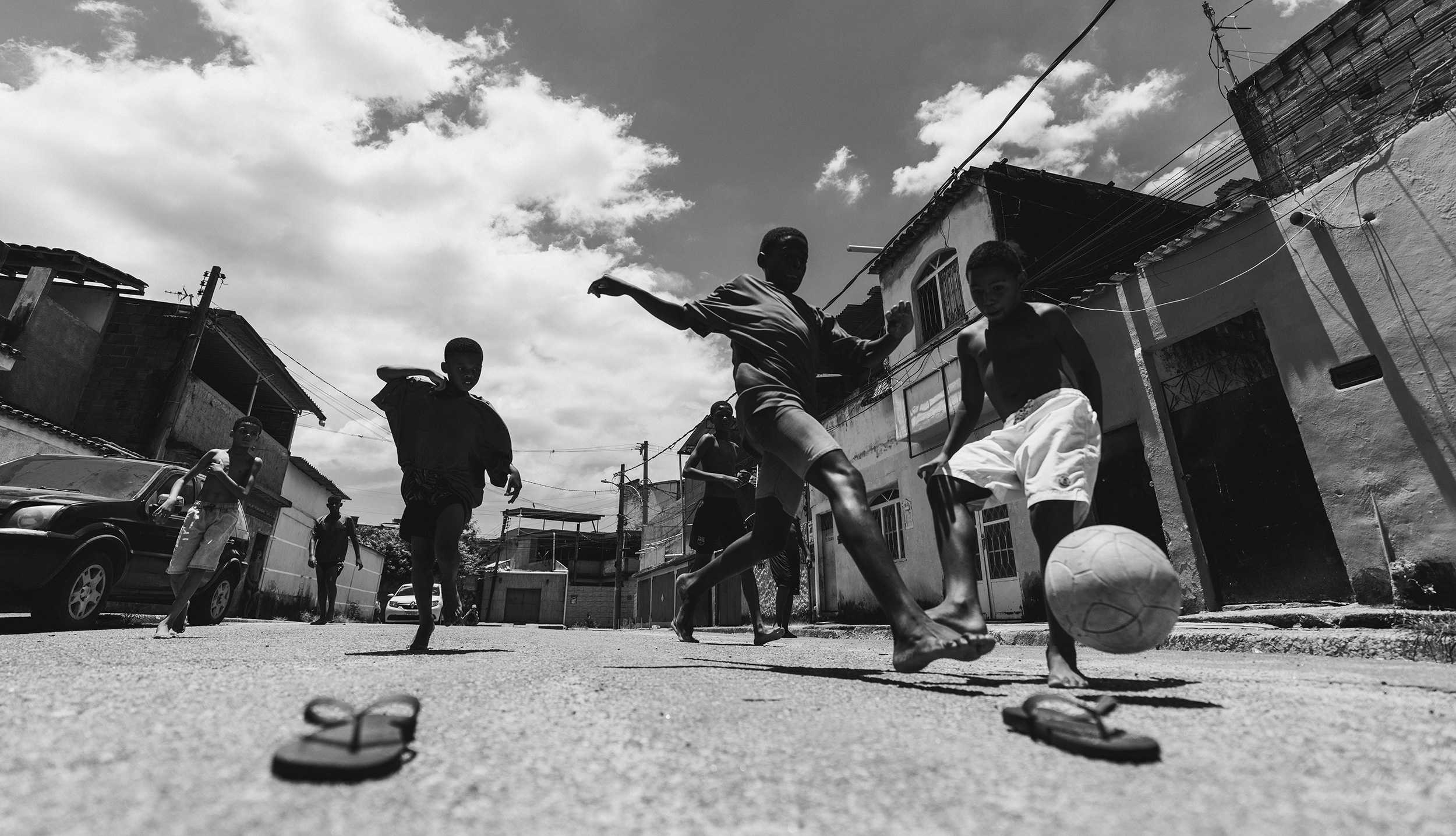 © Pedro Lemos | Sony α7R V + FE 16-35mm f/2.8 GM II | 1/3200s @ f/3.2, ISO 100
With the focusing one less thing to worry about, Pedro can concentrate on capturing images that tell a story. However, social media channels have changed things, and there is now the flexibility to show multiple images. “In sports, things can happen fast; I need to be like a fly on the wall. So, I try to capture as many photos as possible and tell the story of the whole event.”
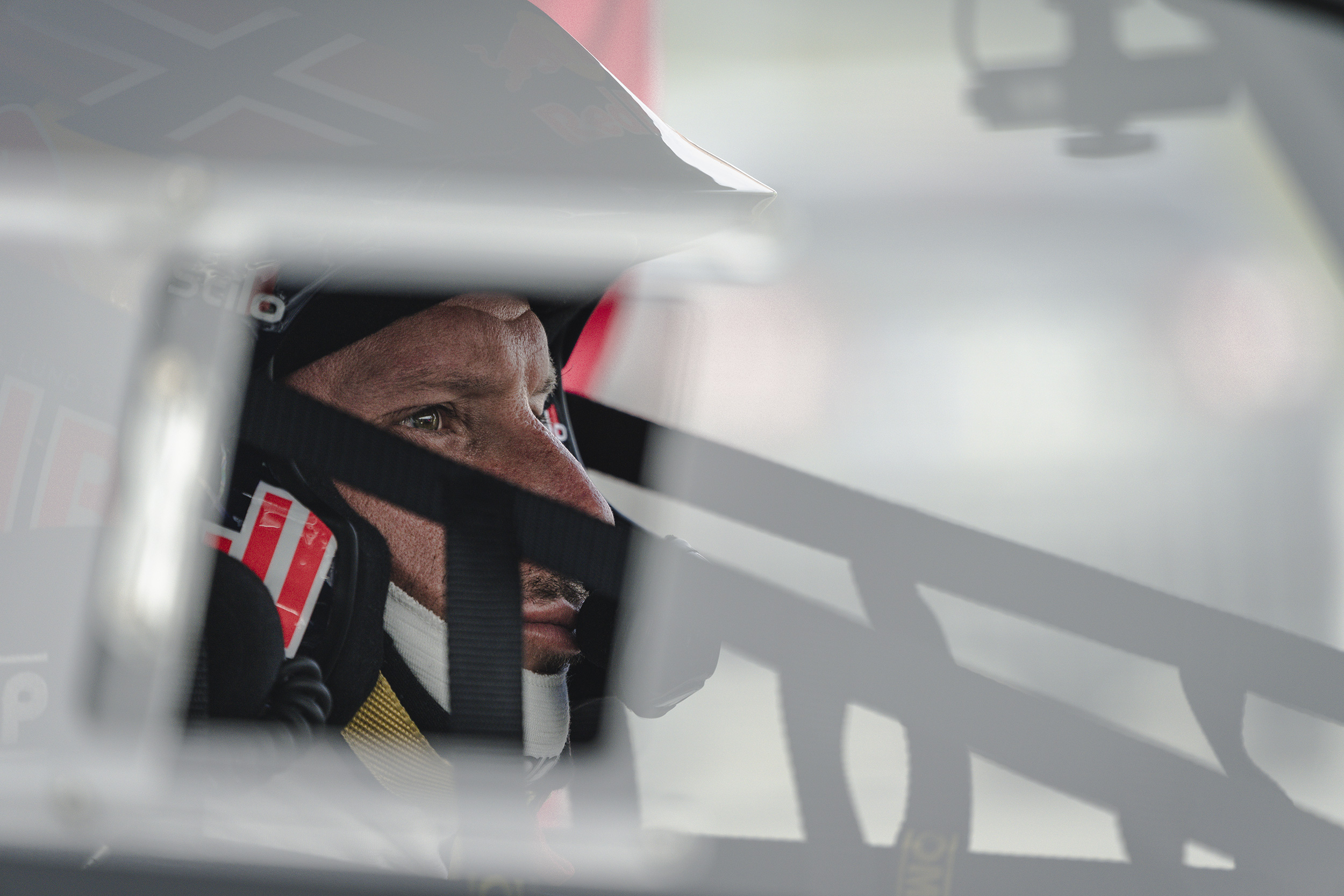 © Pedro Lemos | Sony α1 + FE 100-400mm f/4.5-5.6 GM OSS | 1/640s @ f/5.6, ISO 320
Part of telling a story is giving context, which Pedro tries to do when taking a portrait image of an athlete. “I always try to get something else into the portrait and not just the face itself. For example, if it is a track runner, I will try to get the track in the background, or if it is a surfer, I will try to get some waves in the image. That transmits the feeling of the athlete being in their natural habitat - somewhere they are comfortable and where they belong.”
When it comes to lenses, Pedro has a few favourites – “If I were to pick a single lens for everything, it would be the Sony FE 24-70mm f/2.8 GM II. It is a versatile all-round lens. And when I am shooting video, with dynamic stabilisation, there is a 1.5x crop so I get around 105mm at the longest end without losing quality. But my favourite lens is the FE 50mm f/1.2 GM because of how blurry I can get the background thanks to the shallow depth of field. Also, the FE 135mm f/1.8 GM is great for some sports, and of course, the FE 400mm f/2.8 GM OSS lens is amazing for football.”
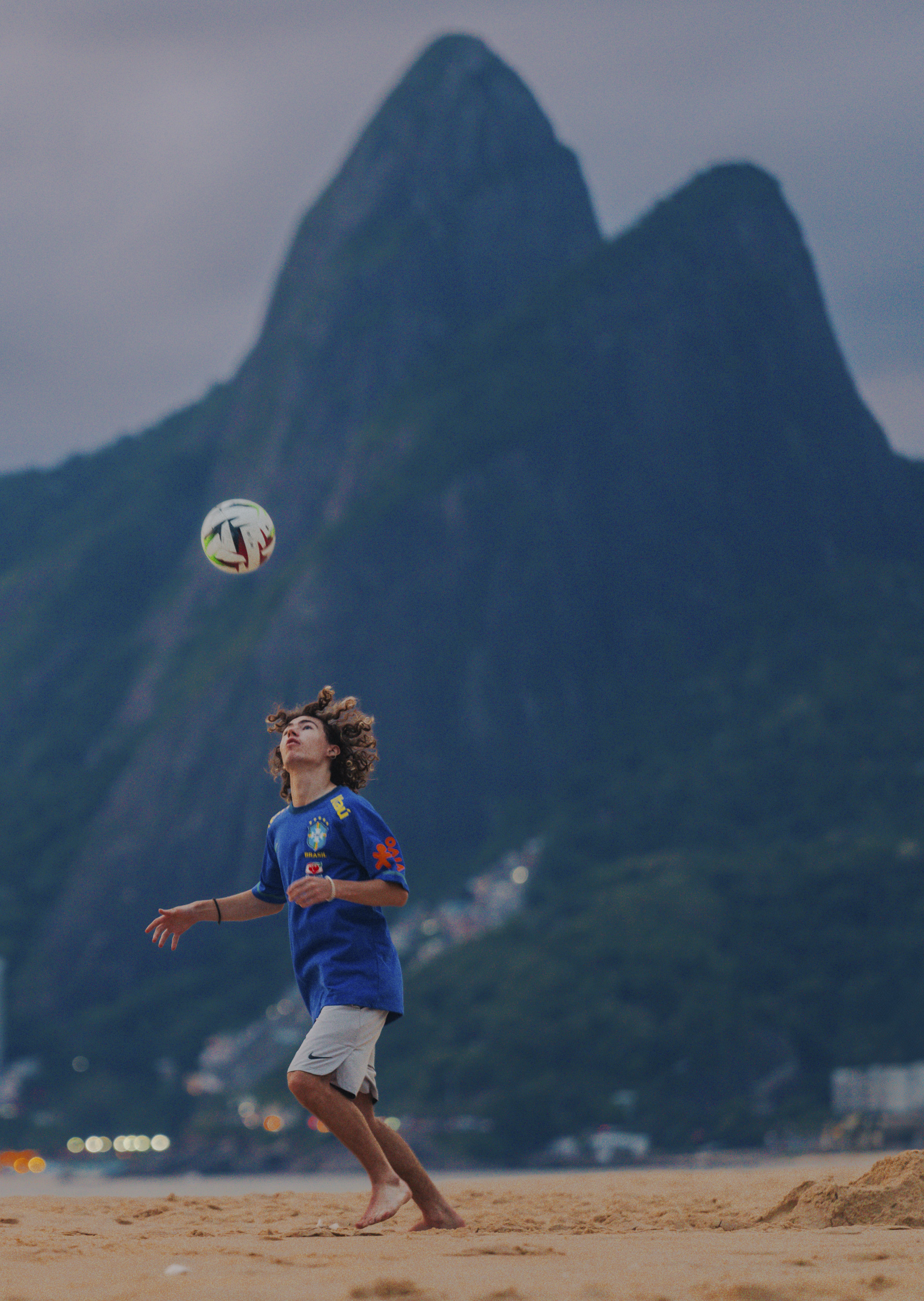 © Pedro Lemos | Sony α7R V + FE 70-200mm f/2.8 GM OSS II | 1/200s @ f/2.8, ISO 1000
Growing up shooting skateboarding definitely had an impact on how Pedro works. He has an attitude of making something work and improvising to get the shot he wants. “I'm always trying to find other solutions and think outside of the box - skateboarding helped me to think differently.”
One shot where Pedro's improvisation skills were put to practice is a shot of a swimmer that looks like it was taken with a drone. “It was actually shot with the ZV-E1. I put the camera on a pole and put it over him; then, I used the Sony Creators app on my phone to compose and take the shots.”
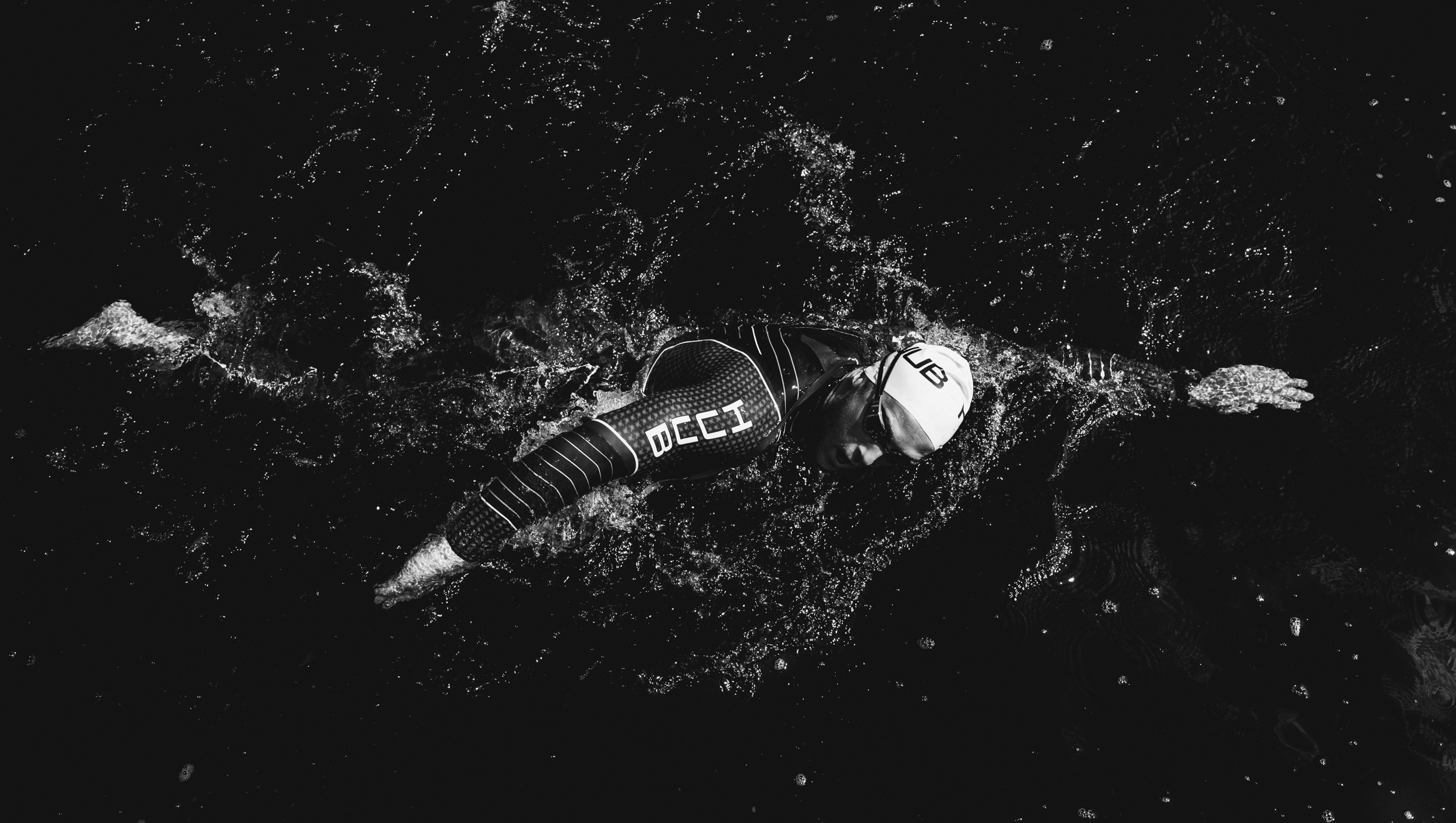 © Pedro Lemos | Sony ZV-E1 + FE PZ 16-35mm f/4 G | 1/1600s @ f/4.0, ISO 320
Alongside his professional work, Pedro is also working on a personal project, photographing children playing football on the streets in Brazil. “Those kids don’t have anything. They only have a ball to play with and their friends, but they are still super happy.” When the project is finished, Pedro plans to sell prints of the images, with the money made going back to Brazil to help the children in his homeland. “They always have a smile on their face. They don’t complain; they just go onto the streets and play football.”
Featured products


Pedro Lemos | Norway
"Shoot what you love, but do it for the love."


