
Sew Torn | A Mountainous Thriller
Sebastian Klinger
The mountains and alpine forests of Switzerland would provide a dramatic backdrop for any story. In Sew Torn—the debut feature from director Freddy Macdonald—they actually provide the backdrop for three separate stories. Inspired by the gritty, rural storylines of the Coen Brothers, Macdonald’s daring thriller film sees a seamstress become tangled in her own thread, after stealing a briefcase from a drug deal gone bad. And the movie’s setting provided production challenges and stunning visuals in equal measure.
Selected for both Camerimage and the Locarno Film Festival, Sew Torn is based on a 6-minute short that Macdonald worked on with cinematographer Sebastian Klinger, and he chose to collaborate with Klinger once more when it came time to shoot the feature-length project.
“Freddy had a clear vision for this project from the start,” says Klinger. “And I knew it would be particularly exciting for me as a cinematographer, given the central role that colour would play. We were filming three individual storylines, with each assigned a primary colour to emphasise in production design choices and the colour grading process. It was a compelling challenge!”
Alfonso Cuaron’s Children of Men served as a core visual reference for the project, with Macdonald and Klinger inspired by its wide angles, handheld shots and character close-ups. And, having shot with cinema cameras of all types before, Klinger knew that Sony’s powerful, compact FX6 would deliver the combination of image quality and rugged practicality that the demanding shoot would need.
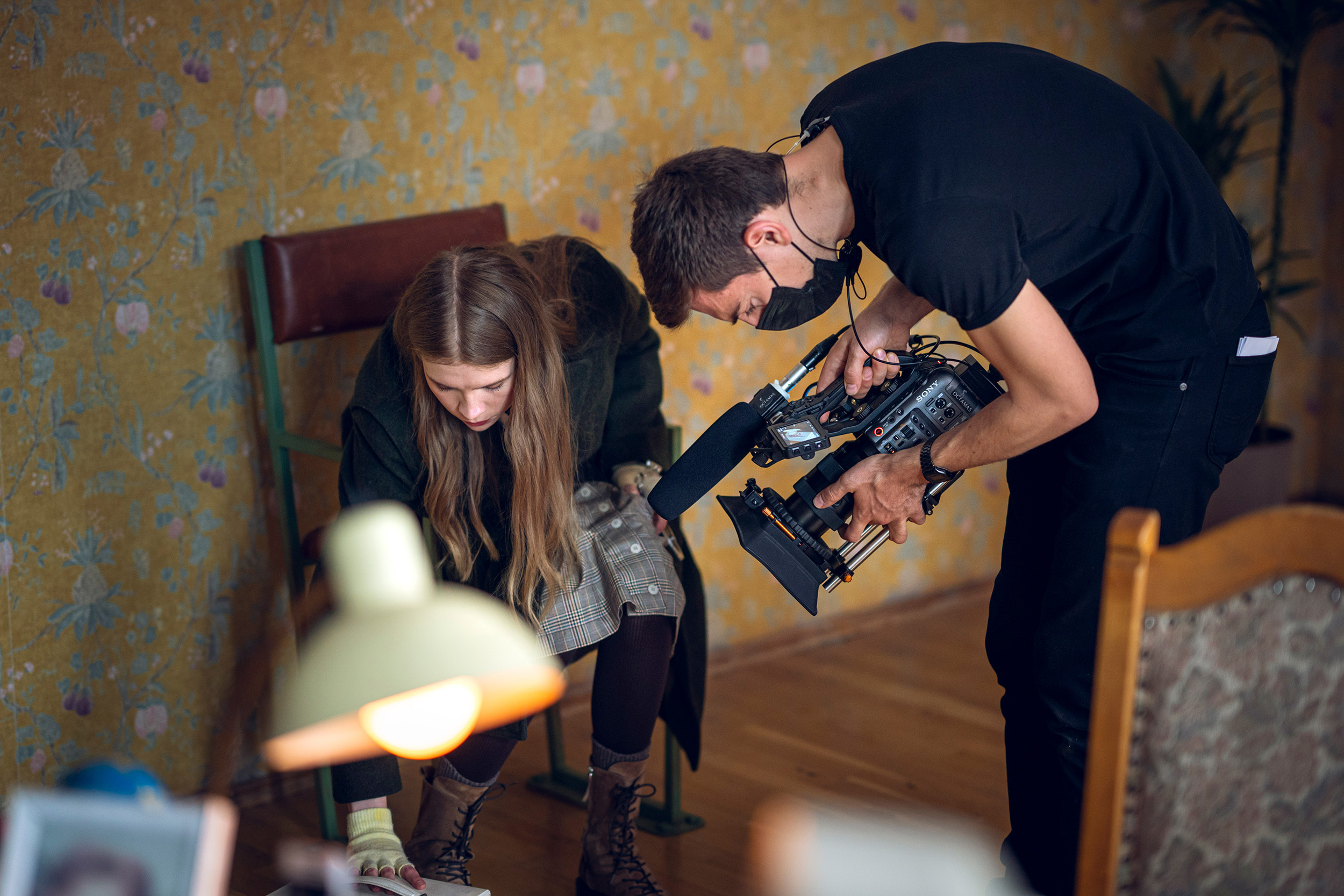
FX6: a light, handheld cinema camera
Throughout production, speed was critical: On some days, there were 70 different set-ups to be filmed to keep up with the schedule. This brought practicality up to the same level of importance as image quality when searching for the right camera.
For someone shooting a feature with a lot of handheld shots, the FX6 was an easy choice,” says Klinger. “It offered the exact combination of theatrical-release image quality and compact design that I needed for a production where I was running around with it in my hands every day for a month.”
Klinger opted for ‘true’ handheld shooting, without an Easyrig or any other support system. This meant he could be much freer with his shooting style, able to reach different places and angles. But it also underlined the importance of a lightweight camera.
Moving fast with internal NDs & G Master lenses
The FX6’s internal ND filters were incredibly helpful in this regard, removing the need for external filters and taking significant weight off the filming rig. But the real value of the internal NDs was speed: Klinger was able to save valuable time, flicking between filters as lighting conditions changed, rather than stopping for bothersome adjustments. This was especially important with such a lightweight crew, as some shoot days had just 10 crew members and no one in the camera department aside from Klinger. On those days, the easy harmony between the FX6 and the Sony G Master lenses was critical.
We didn’t have a focus puller, so I used the AutoFocus a lot and it worked beautifully”, says Klinger. “Between the internal ND filters, AutoFocus, and the G Master Zooms, I was able to operate as a one-man camera department on multiple occasions without compromising on quality.”
In fact, while the production had a selection of prime Sony G Master Lenses, around 70% of shots were captured using the FE 24-70mm f/2.8 GM II. Then around half of the remaining shots were achieved using the FE 16-35mm f/2.8 GM II.
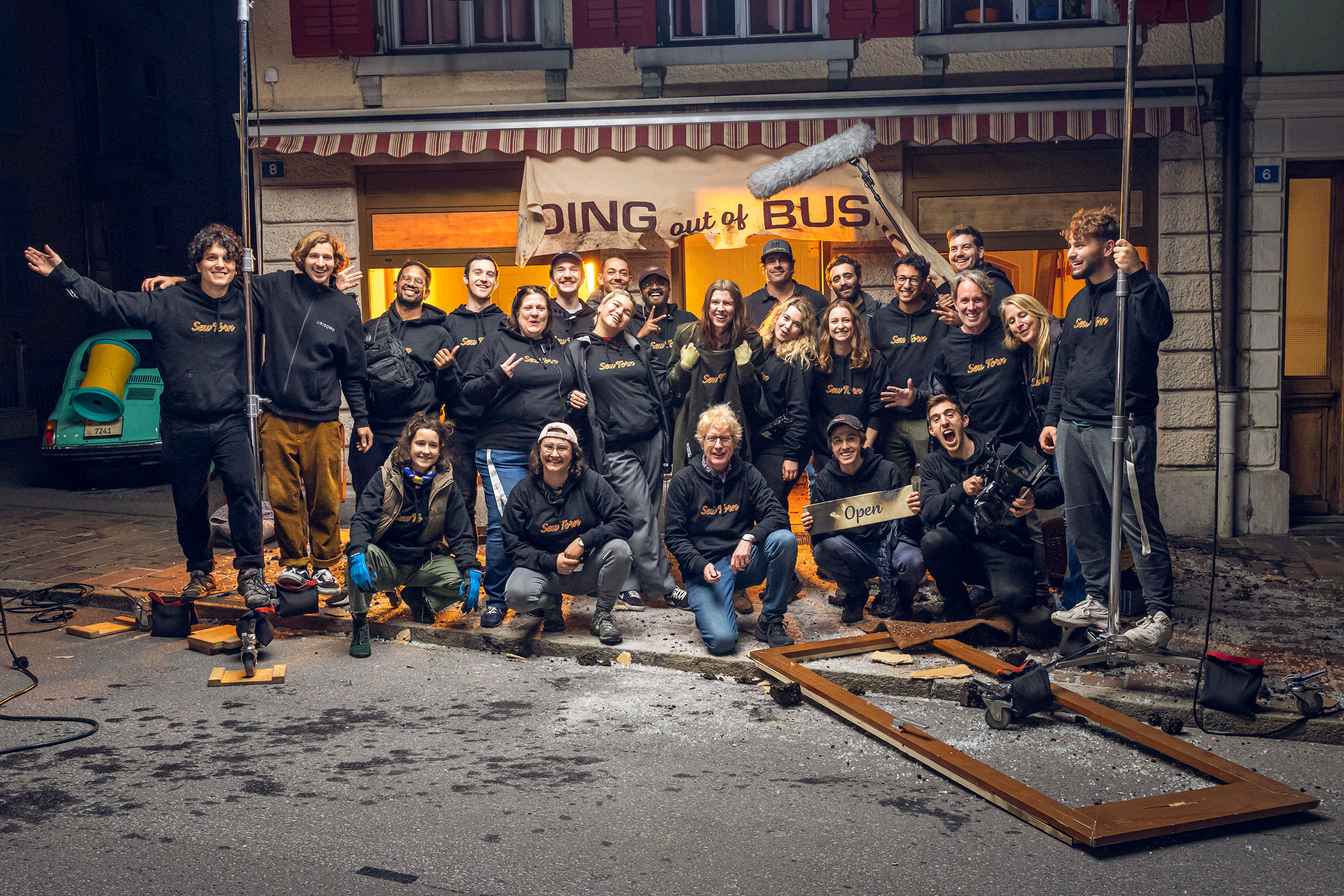
Alpha 7S III: the perfect partner for the FX6
While the handheld FX6 provided the vast majority of the film’s coverage, Klinger chose to use a Sony Alpha 7S III for car mounts and gimbal shots. With the same sensor and colour science as the FX6, he found that he was able to easily match shots from the two cameras in post. And both cameras offered a level of dynamic range that Klinger hadn’t anticipated before the shoot began:
“I was genuinely staggered by the dynamic range,” says Klinger. “We were shooting in steep valleys, often moving between the shade and bright sunshine, and the images we were getting were stunning.”
Impressive latitude & cinematic colours
Having worked on visual effects years before, Klinger took the lead in this area during post-production too. This valuable continuity between the shoot and the post process meant he was able to capture the original images and then enhance or adjust them as needed—though this adjustment was often minimal.
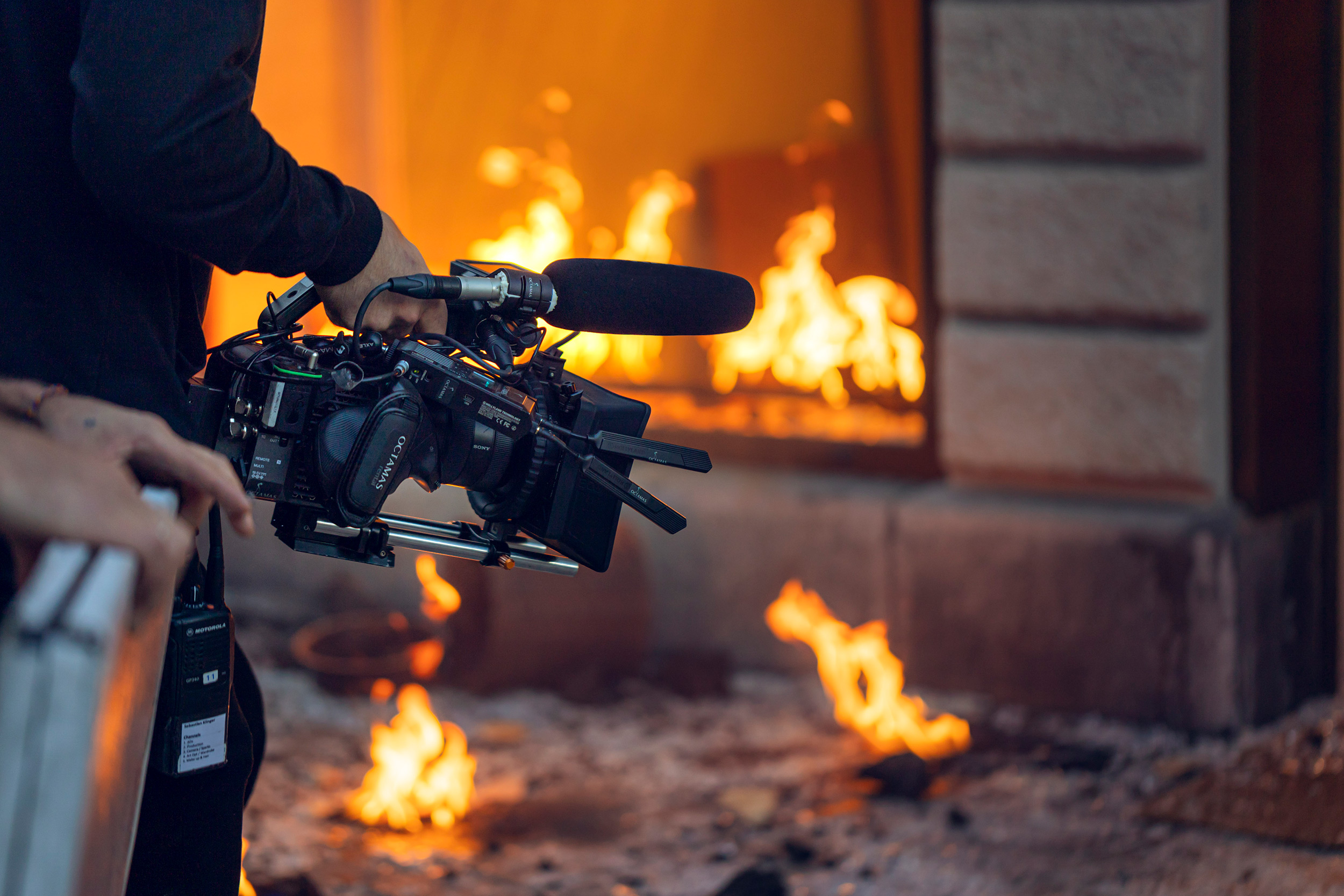
In one memorable scene, a fabric store explodes in spectacular fashion and burns. On the day, Klinger was just 10 metres away, across the street, feeling a little nervous:
“I wasn’t certain how to expose the shot, as I hadn’t filmed an explosion before and there was no way we could test for it. I needed to find the balance of allowing for a bright flash, but not so much that we lost details in the highlights or the shadows. The FX6 handled this brilliantly, allowing us to get a fantastic shot with no detail lost at all. We had the Alpha 7S III recording a back-up, with slightly darker exposure, but we didn’t need it.”
When it came to the final colour grade, Klinger and Macdonald spent 10 days in the grading suite with veteran colourist Simon Hardegger. Having shot in XAVC-I, they were ideally placed for subtle skintone adjustments, and the wider colour shifts needed to add emotion and separation to the three different storylines within the film. After just 10 days, they had been able to emphasise and enhance the blue, yellow and red of the three separate storylines, introducing a bespoke ‘visual feeling’ for each one. They had a 4K DCI that was ready for its big-screen premiere at South By Southwest.
As Klinger says: “After working with Simon, I now have total confidence and trust that Sony’s codecs can deliver everything I need for theatrical features in the future.”


