
Making all the Right Moves
David Bastianoni
“Photographing a wedding is like a dance,” says David Bastianoni… “the venue and partner change, but you’re still dancing every time. No matter where you are, or who the couple is,” he continues, “the story is two people coming together with friends and family to celebrate love. We move with that flow, that dance, recording the fleeting moments that define it.”
“Every step of the dance must be well placed and tailored for the partner, and if you do it right, it builds something that remains long after the celebrations end,” he says. “Important moments can pass so quickly you forget they ever existed, but the right pictures don’t fade. They revive the emotions even if a lifetime has passed by.”
One of the first steps was a portrait session in the Château’s tennis court. “I loved working in that space,” he says, “because the lines and surface of the court make it clean and dynamic, but also quirky and fun. But while the backgrounds of the Château are amazing, they can’t overwhelm the story. We shot at 50mm, which lets you see the surroundings in a natural way.”
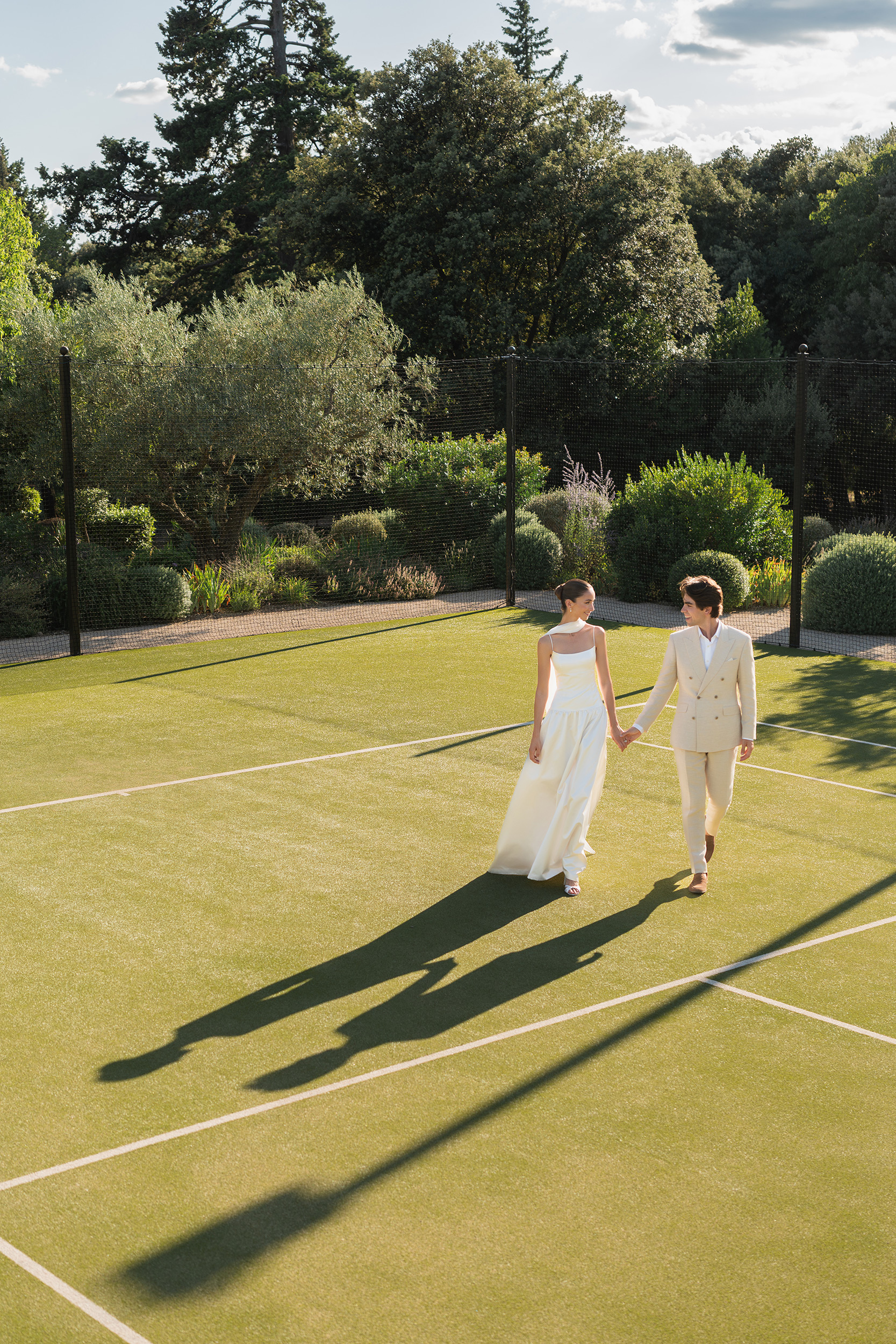 © David Bastianoni | Sony α7 IV + FE 24-50mm f/2.8 G | 1/1000s @ f/3.5, ISO 200
Elsewhere, candid images supported the traditional with reportage flair, many of which saw creative focus and framing. “Sony cameras are so elite at picking out subjects that, while we usually leave face-recognition on, for those shots we often went back to single-shot and small spot modes to pick out the subjects through crowds or in mirrors,” he explains.
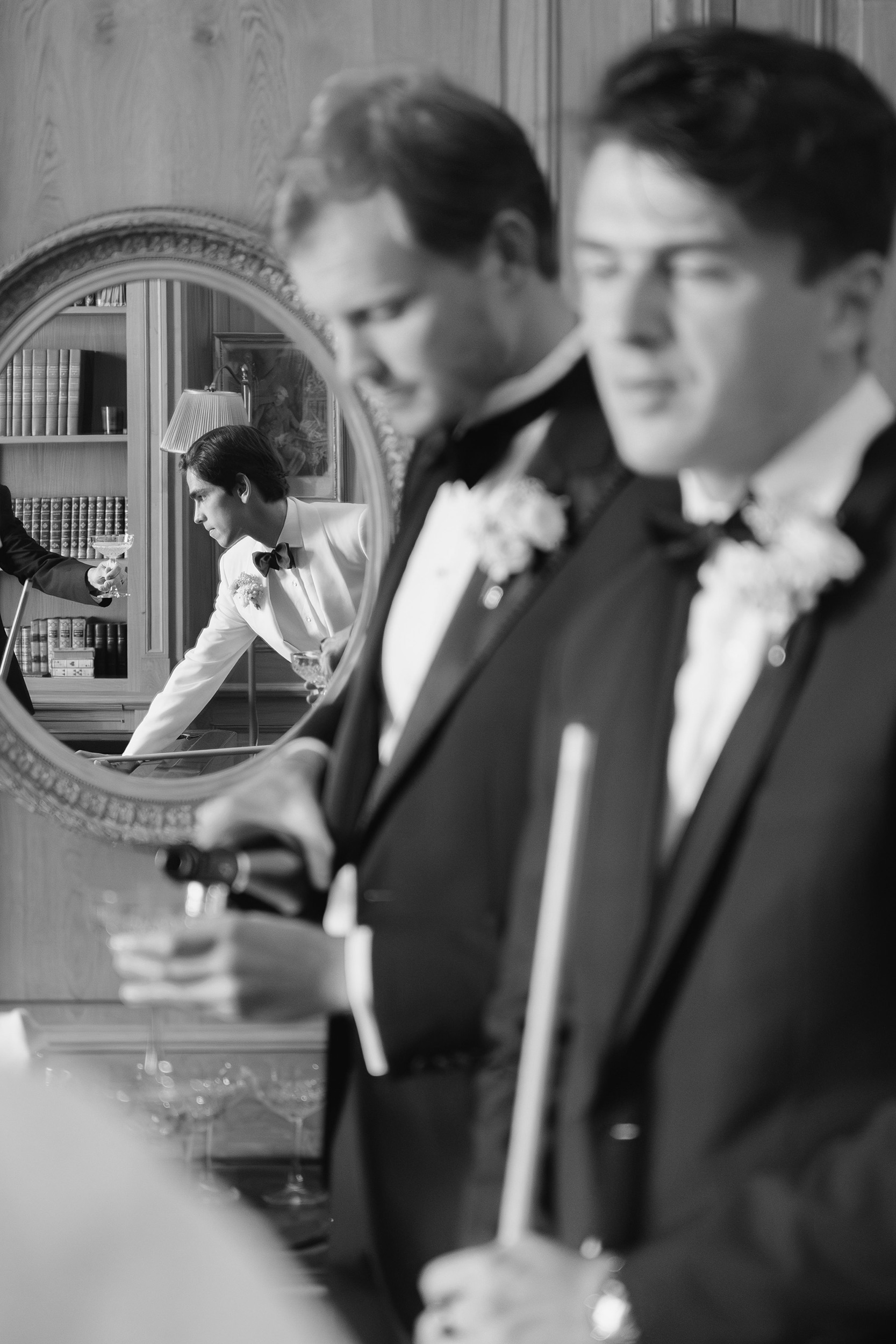 © David Bastianoni | Sony α7 IV + FE 24-50mm f/2.8 G | 1/160s @ f/2.8, ISO 2500
When dealing with the variety of light a wedding throws at you, David’s technique is to work in manual exposure mode, adjusting with the aid of the electronic viewfinder. “We set up all in Manual, because you get so much more control that way. Biasing the exposure, for example when making backlit portraits near sunset, and seeing the results right there meeting your eye is very helpful.”
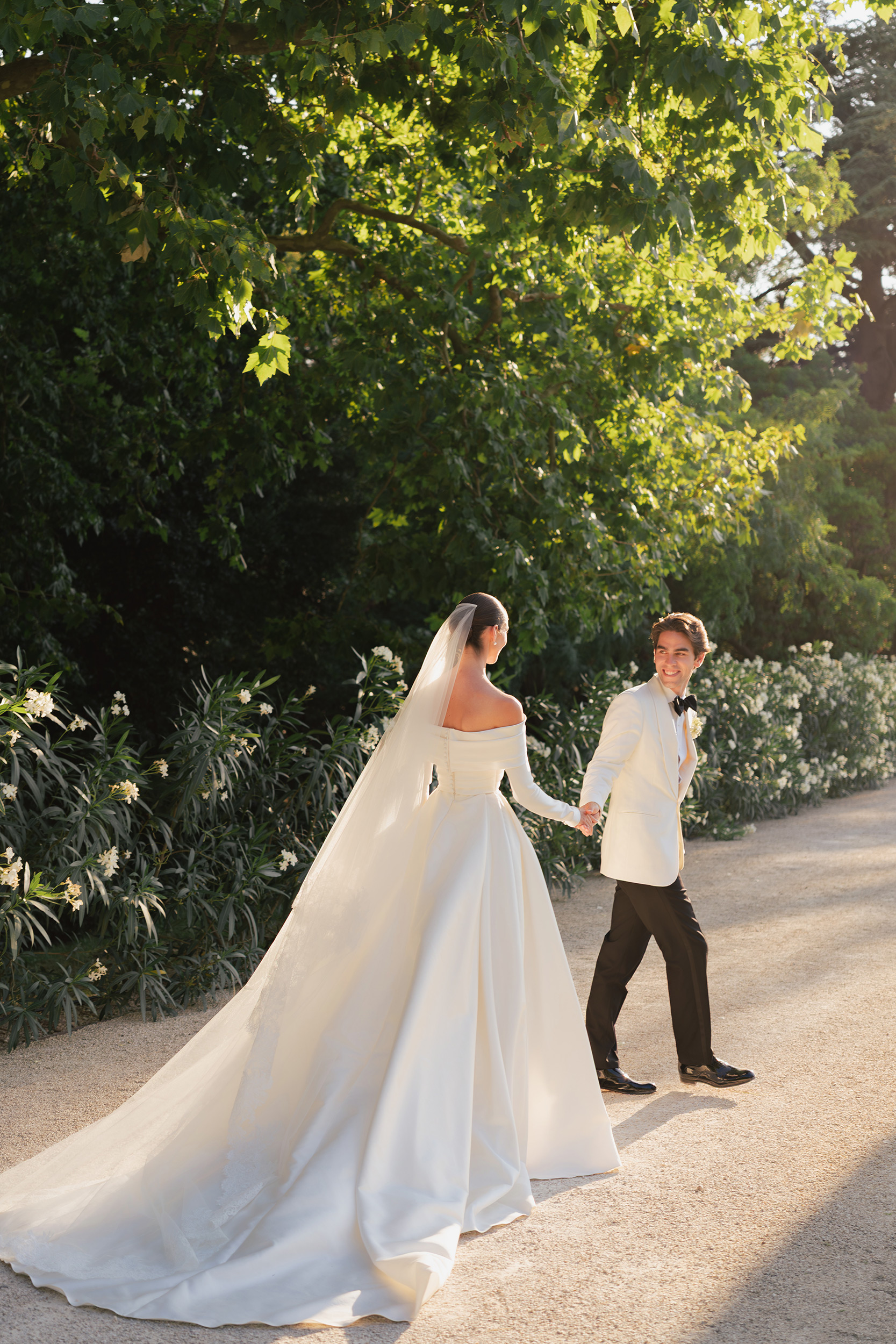 © David Bastianoni | Sony α7 IV + FE 24-50mm f/2.8 G | 1/500s @ f/2.8, ISO 100
And of course, there are those unrepeatable moments. “For situations like where the bride is walking and her veil is taken by the wind, the camera’s speed of focusing and shooting is really important,” David says, “because you can’t ask the wind to blow again, or stage it, that’s not the point.”
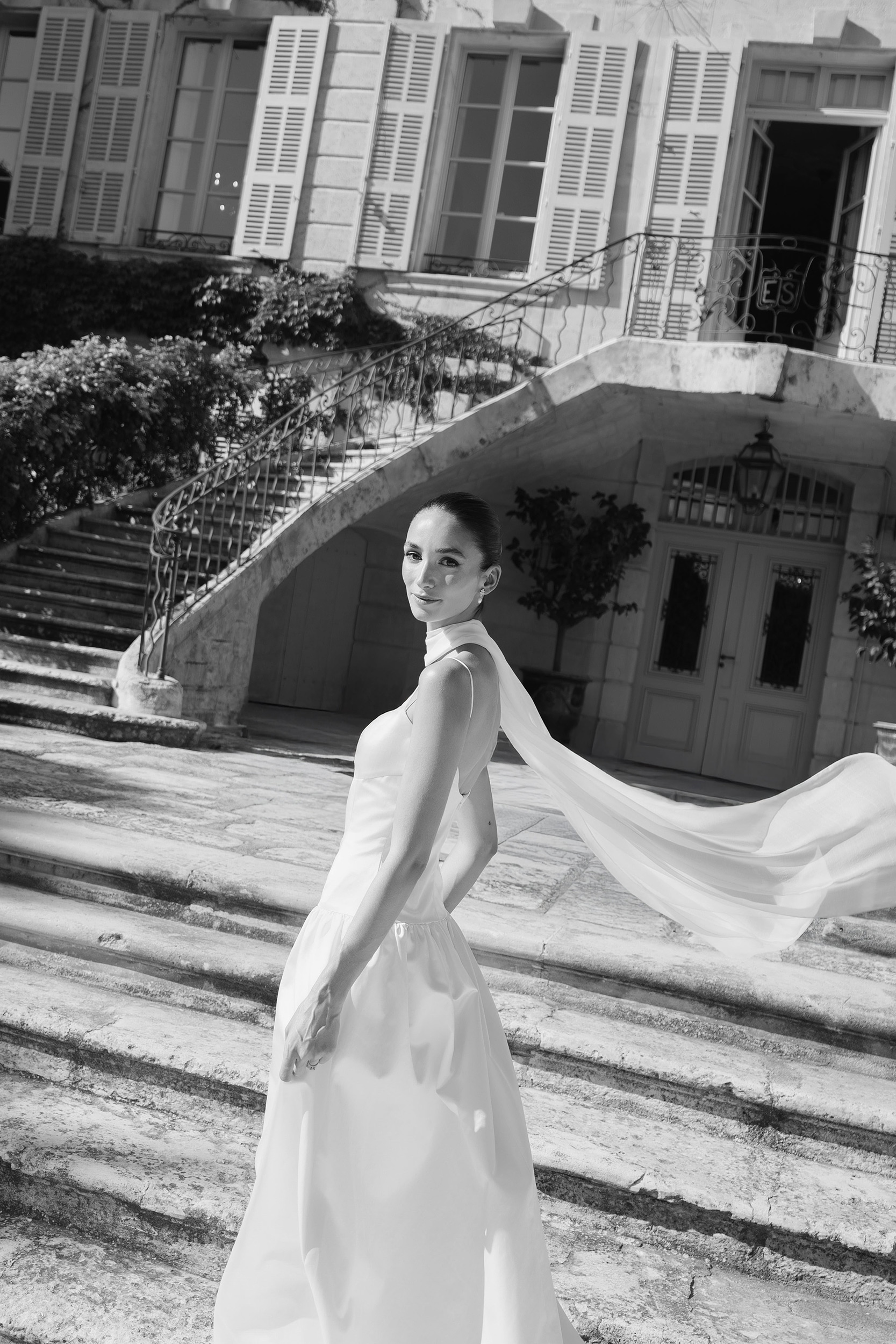 © David Bastianoni | Sony α7 IV + FE 24-50mm f/2.8 G | 1/5000s @ f/3.2, ISO 200
For all this and more, David’s choice was the Sony Alpha 7 IV, “the perfect camera for a team of wedding photographers,” he says. “We have 10 or 12 of them, all set up the same, so they’re interchangeable between us. The Alpha 7 IV has all the strengths of the Alpha range. It’s small and light, focuses perfectly with its real-time tracking, and has a brilliant ISO range, so you can use it day and night.”
“The file sizes are also great for weddings, because of course we shoot a lot of images and need the data to be manageable,” he continues. “The Alpha 7 IV’s full-frame sensor is 33 megapixels, so it’s not as high-resolution as some of Sony’s Alpha cameras, but despite the smaller dimensions of the file, it somehow still produces an amazing level of detail.”
 © David Bastianoni | Sony α7 IV + FE 50mm f/1.2 GM | 1/200s @ f/2.8, ISO 125
This wedding also saw David using the FE 24-50mm f/2.8 G lens. “It’s become one of the best lenses for all-day shooting,” he says, “with a bright aperture that lets you blur backgrounds and keep your shutter speed up. It’s also a zoom that allows some very classic, human perspectives, from wide-angle to short telephoto, without distortion. And it mixes great quality with a size and weight that you can manage all day.”
Is it hard for David to keep all the right steps in his head? “At a wedding, you don’t stop,” he explains, "if you’re not shooting, you’re looking for the next shot. That constant flow of ideas is all in motion, but you keep a mental log of what you’ve got and what you still need. The balance is fine, but in the end if you can say there’s nothing you’d change, then you’ve made all the right moves.”
Featured products


David Bastianoni | Italy
Photography for me is resolving problems, talking about life, communicating with everybody in silence.


