
Life in the Fast Lane
Philip Platzer
“For me,” says motor sport pro, Philip Platzer, “there is always a huge thrill being at the track. I mean, who’s not getting goosebumps when they’re so close to super fast cars or bikes?”
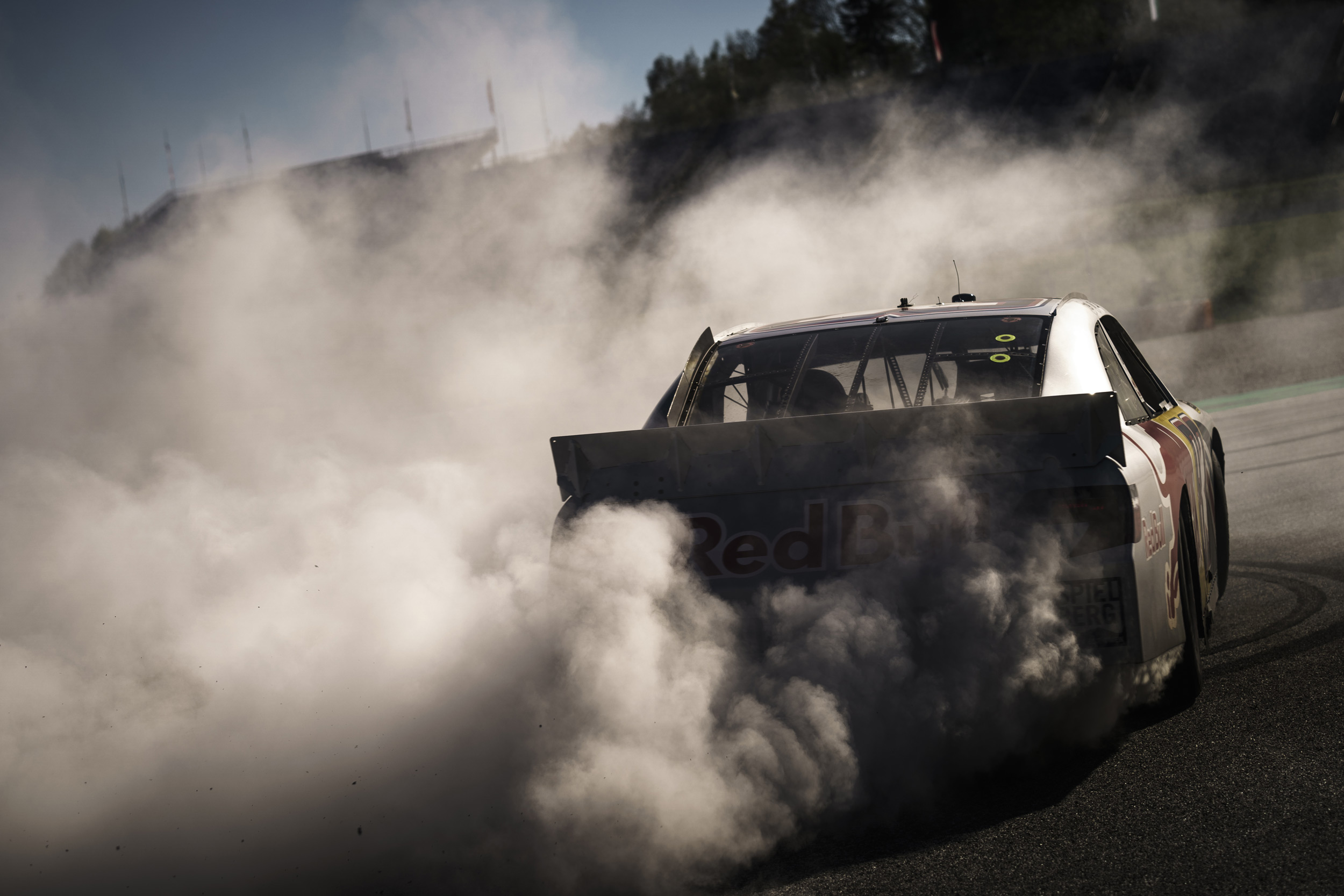 © Philip Platzer | Sony α9 II + FE 70-200mm f/2.8 GM OSS | 1/800s @ f/4.0, ISO 64
“A great motorsport image,” Philip continues, “needs to combine the dynamism of these subjects with the emotion of experiencing them. You have to bring what you’re feeling into the shot. That can be through speed, but it’s also about perspective and backgrounds, and telling the story of the day. You have to push yourself to create new and different images compared to all the other photographers on site – and there are many of them!”
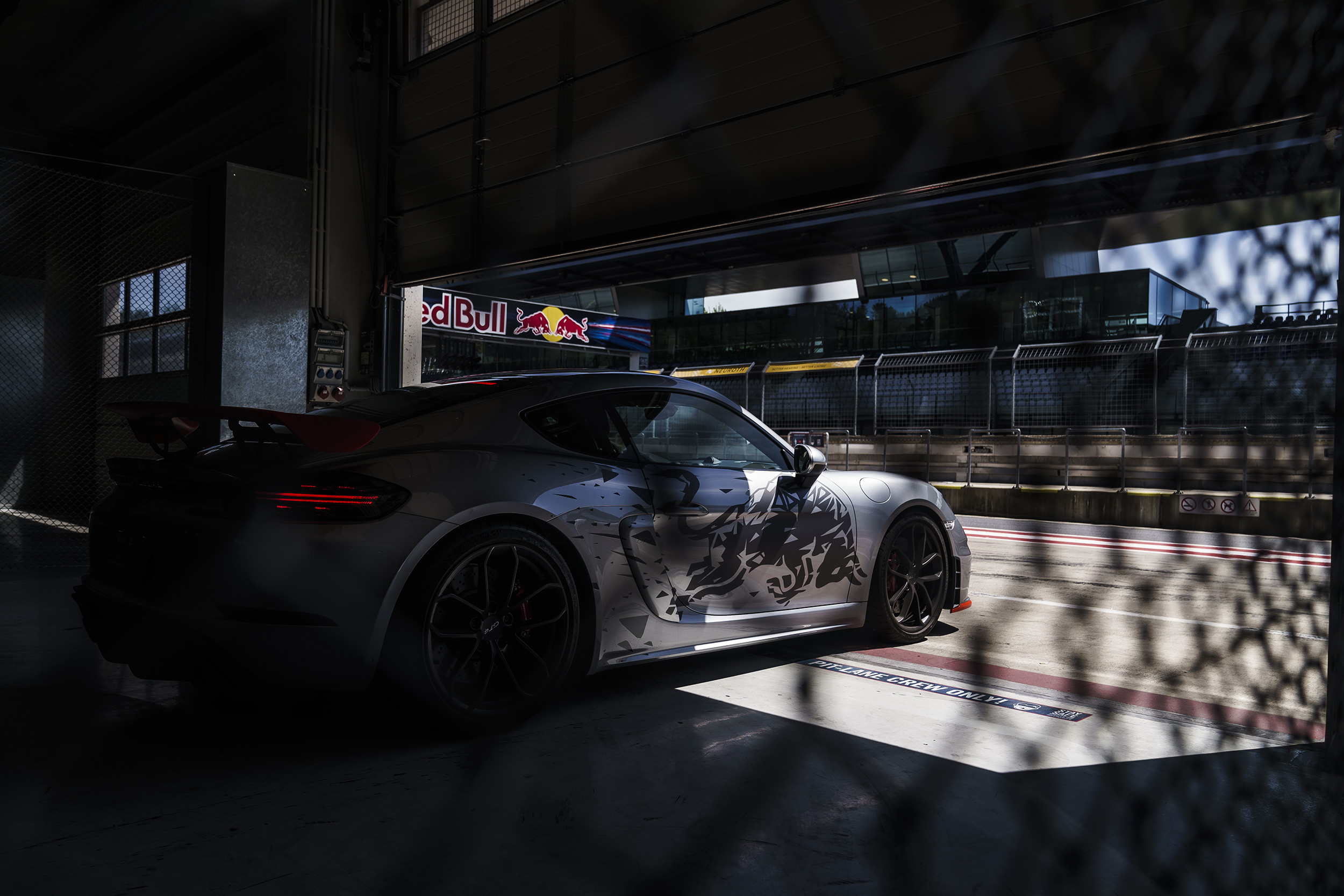 © Philip Platzer | Sony α9 II + FE 24-70mm f/2.8 GM | 1/320s @ f/4.5, ISO 50
Throughout this most recent season, Philip has been working for Red Bull Ring, a racetrack located in Styria, Austria, where he’s been able to shoot Formula 1, MotoGP, DTM touring cars and various other events. “Fans going crazy is always a big part of motorsports,” he says, “and it was great to see the stadium full again. That’s all part of the amazing atmosphere that this sport creates, so the crowd should be part of your plans, too.”
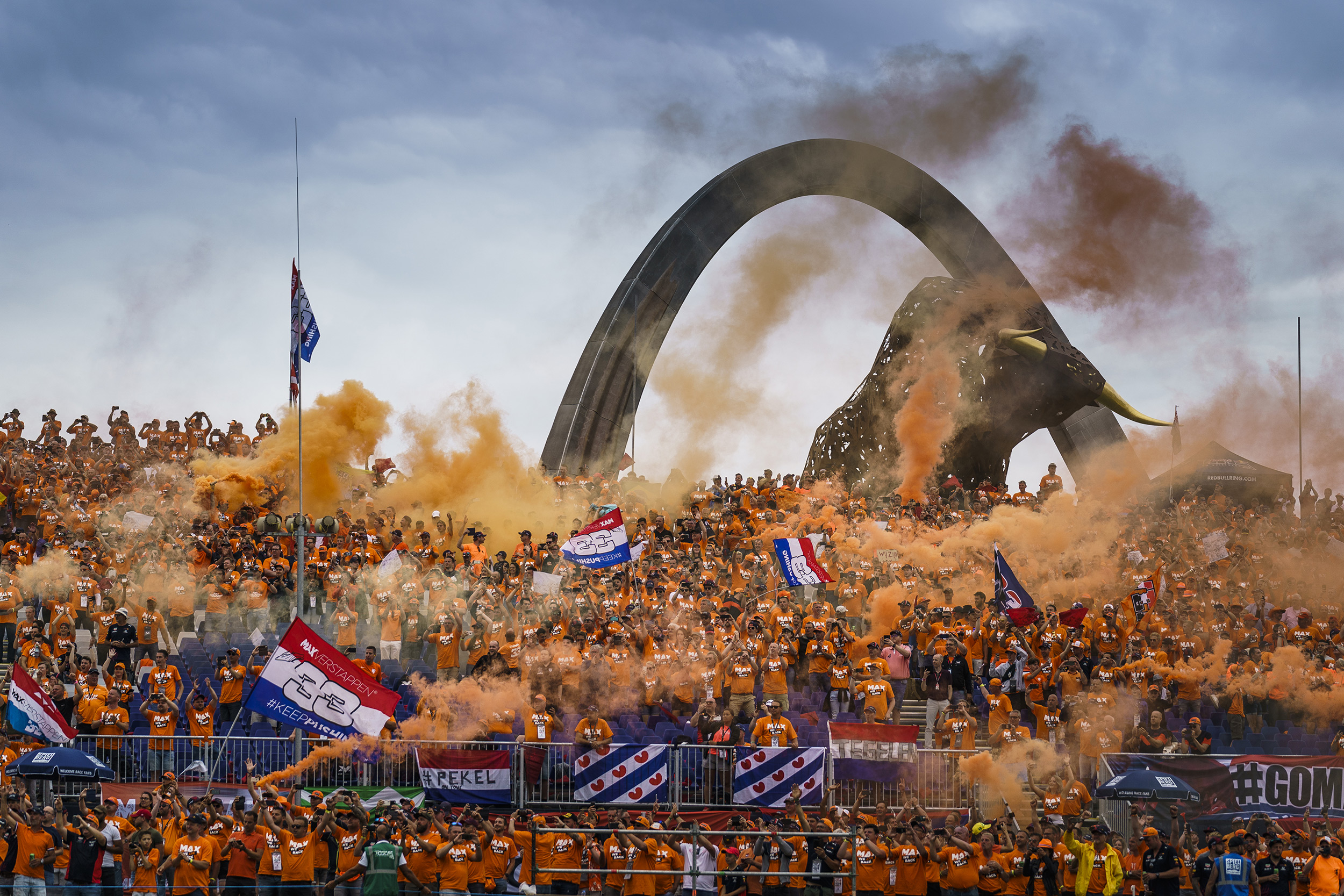 © Philip Platzer | Sony α9 II + FE 70-200mm f/2.8 GM OSS | 1/1000s @ f/2.8, ISO 100
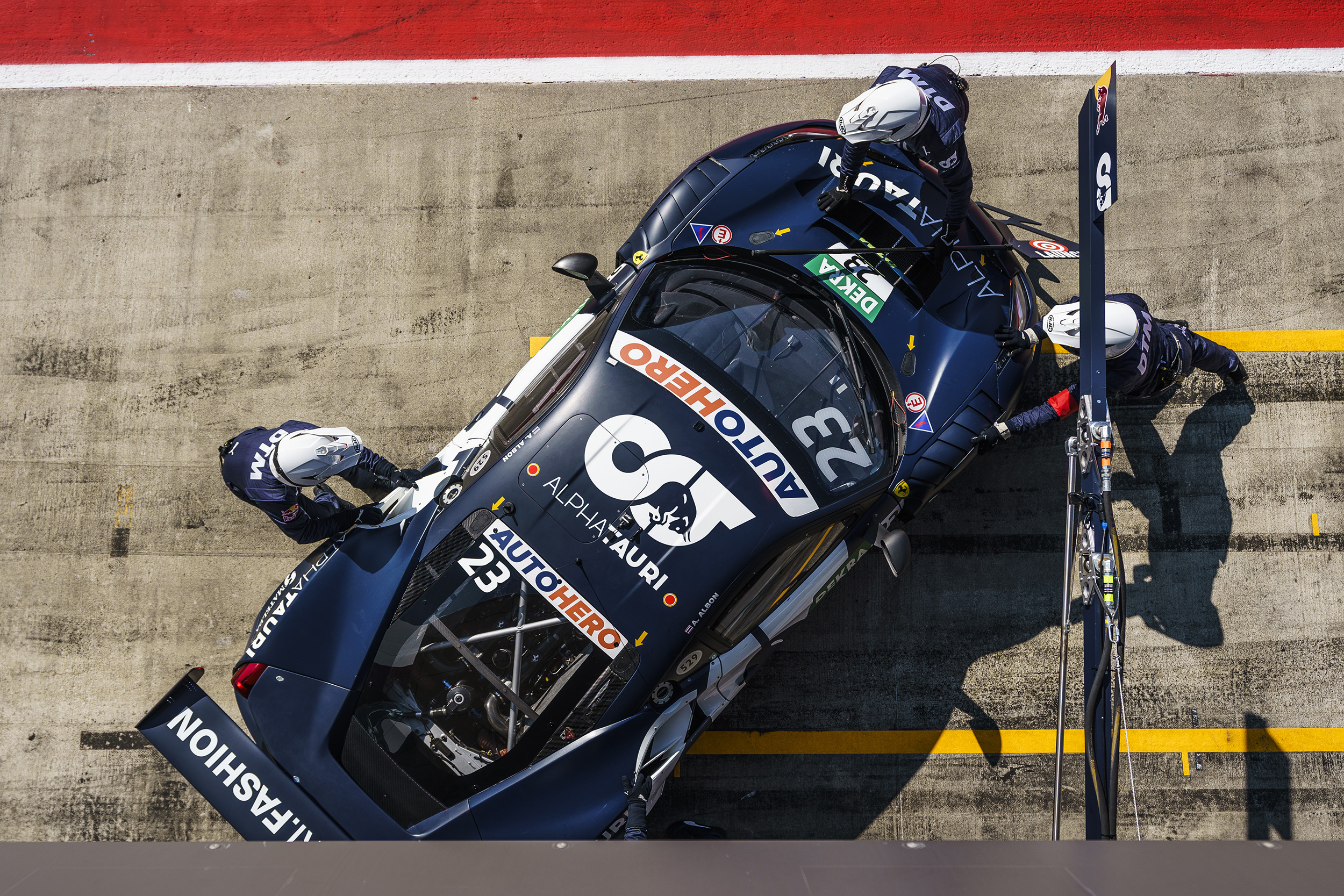 © Philip Platzer | Sony α9 II + FE 16-35mm f/2.8 GM | 1/800s @ f/4.0, ISO 50
Philip says he’s always looking for more creative angles and exposures that show something different to the norm. “That could be a crazy-slow panning shot,” he adds, “or a top-down view that people wouldn’t expect, or something with dramatic lighting. Patience is the key, as forcing creativity usually doesn’t work. For example, in this shot of Carlos Sainz Jr’s Ferrari, clouds were rolling in over the track, but I noticed the way the sun was lighting the background, so I stuck with the sunny settings I’d been using and settings of 1/4000sec and f/3.2 forced the car into silhouette.”
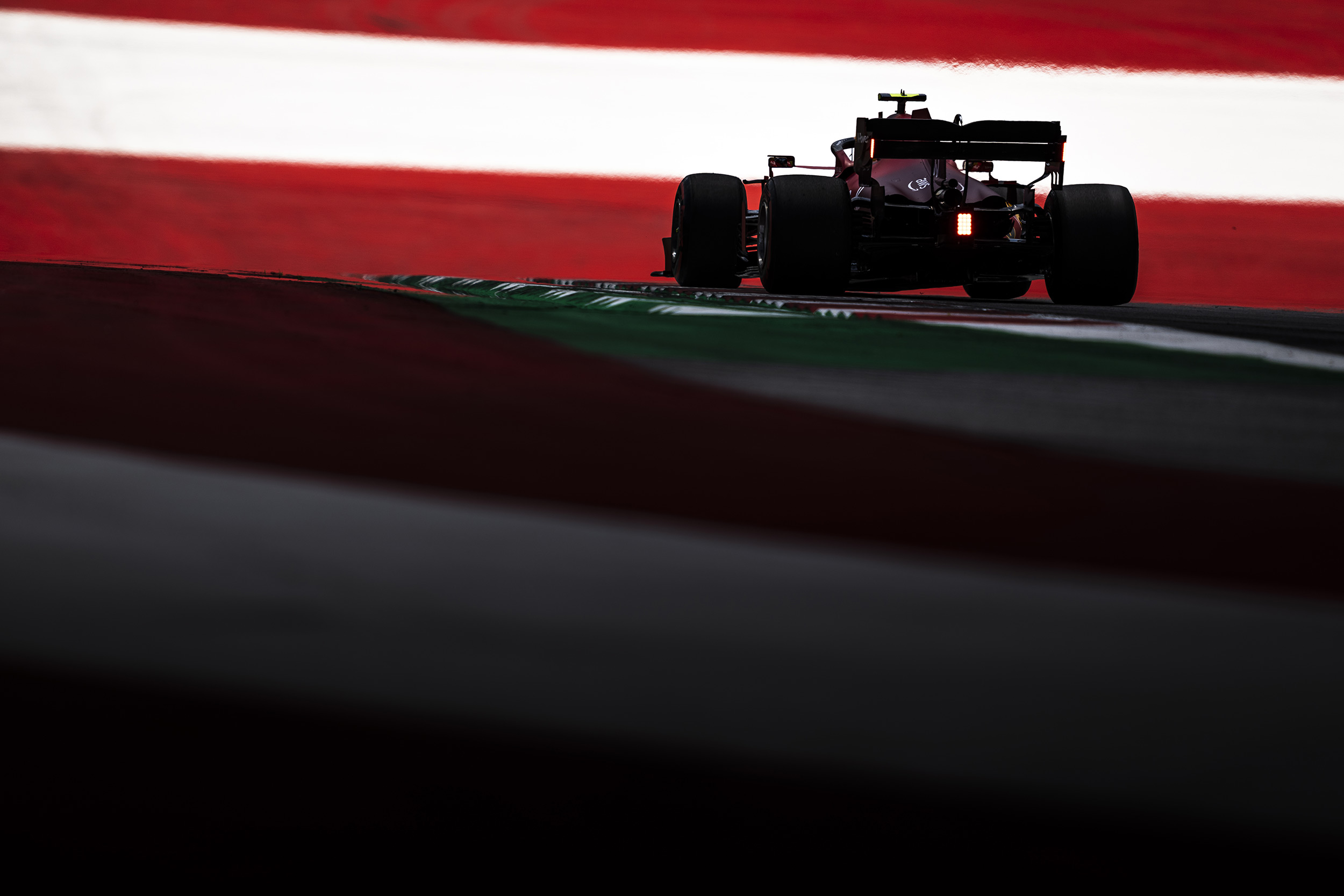 © Philip Platzer | Sony α1 + FE 400mm f/2.8 GM OSS | 1/4000s @ f/3.2, ISO 80
“One of the most striking ways to convey speed and power to the viewer is through panning shots,” Philip continues, “and while in photography we capture moments, with panning, it can feel more like a moving image, even though it’s a still. What’s more, it’s a great way of isolating the subject when the background might be distracting or ugly, and creating an image that’s more striking and simple.”
 © Philip Platzer | Sony α9 II + FE 200-600mm f/5.6-6.3 G OSS | 1/40s @ f/20, ISO 50
Shooting with a Sony Alpha 9 II, Philip is also quick to point out the camera’s SteadyShot in-body image stabilisation as an aid to panning.
This image is a great example of that,” he explains. “It’s Marc Marquez racing in Austria, and I was shooting at 470mm on the FE 200-600mm f/5.6-6.3 G OSS. I really like the feeling of speed in the picture that comes from the 1/50sec shutter speed, and with SteadyShot on I also used a monopod, all of which contributed to keeping him sharp.”
 © Philip Platzer | Sony α1 + FE 400mm f/2.8 GM OSS | 1/10s @ f/22, ISO 50
“The Sony Alpha 9 II has made my work so much easier and more successful,” Philip says, “and mainly because the AF system is in a class of its own. There’s simply no ‘out of focus’ anymore. My AF is always set on AF-C, mostly using the Tracking Flexible Spot area. In some cases I use the Wide Area mode, too, where I let the camera catch the cars as they come into frame, and that’s especially useful if I’m hiding behind a barrier and can’t see them coming. I’m always pleasantly surprised how well that mode works!”
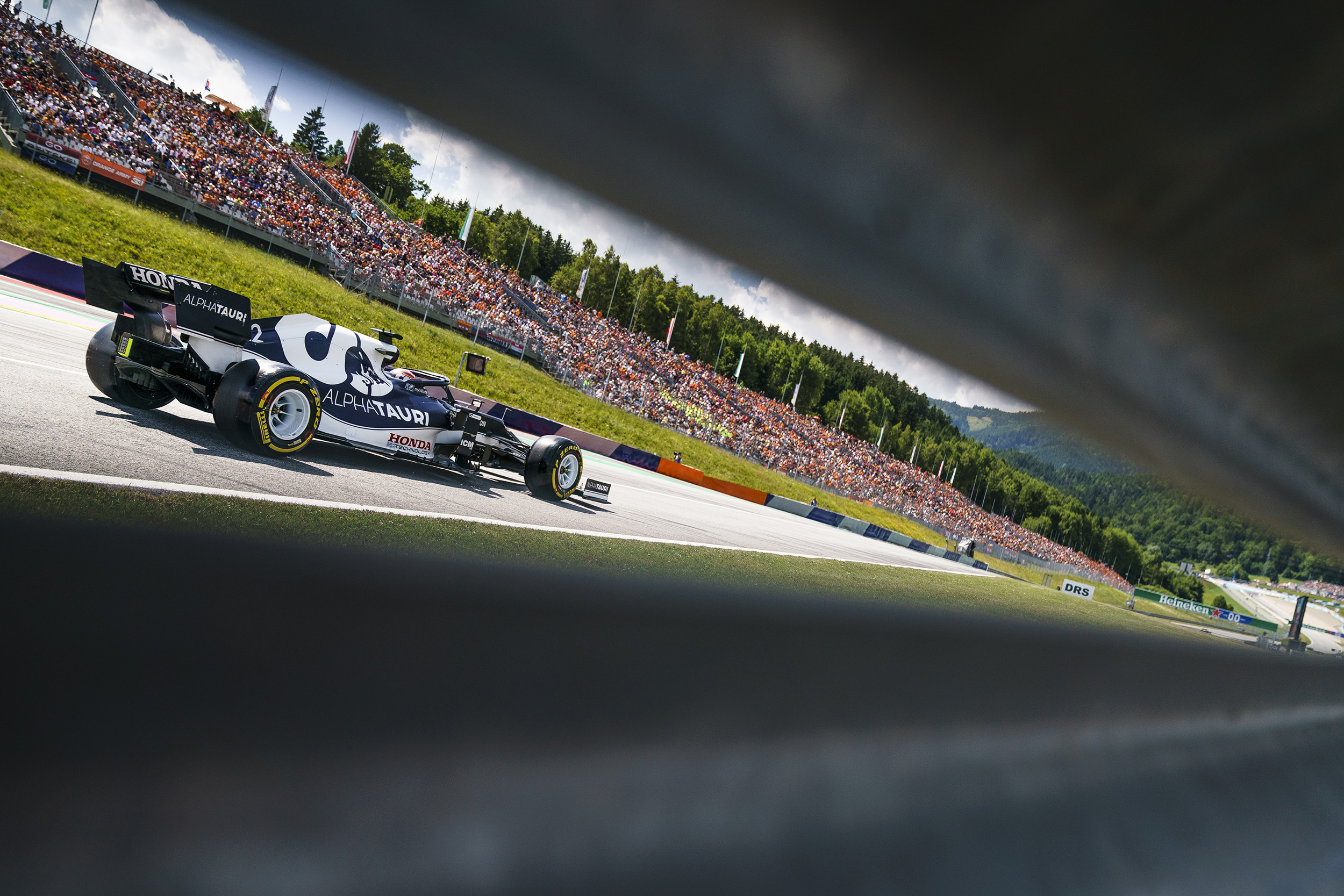 © Philip Platzer | Sony α9 II + FE 24-70mm f/2.8 GM | 1/5000s @ f/2.8, ISO 200
“The Alpha 9 II’s 20fps burst mode is also tremendous when it comes to picking out the vital moment,” Philip continues, “like the point at which a bike’s tyres leave the track or the rider is at the very lowest point in their lean into a turn. All of that comes with blackout-free EVF, which is absolutely vital, because with longer lenses it’d be impossible to follow these fast moving subjects otherwise.”
 © Philip Platzer | Sony α9 II + FE 200-600mm f/5.6-6.3 G OSS | 1/1000s @ f/6.3, ISO 200
“When it comes to lens choices, I use the FE 70-200mm f/2.8 GM OSS a lot,” he says, “because it has such fast AF and great sharpness. It’s a classic lens for panning and with the FE 200-600mm that’s all I need trackside. That said, I did recently use the FE 135mm f/1.8 GM, and though it's billed as a portrait lens, I was stunned by the performance and the look it gave me.”
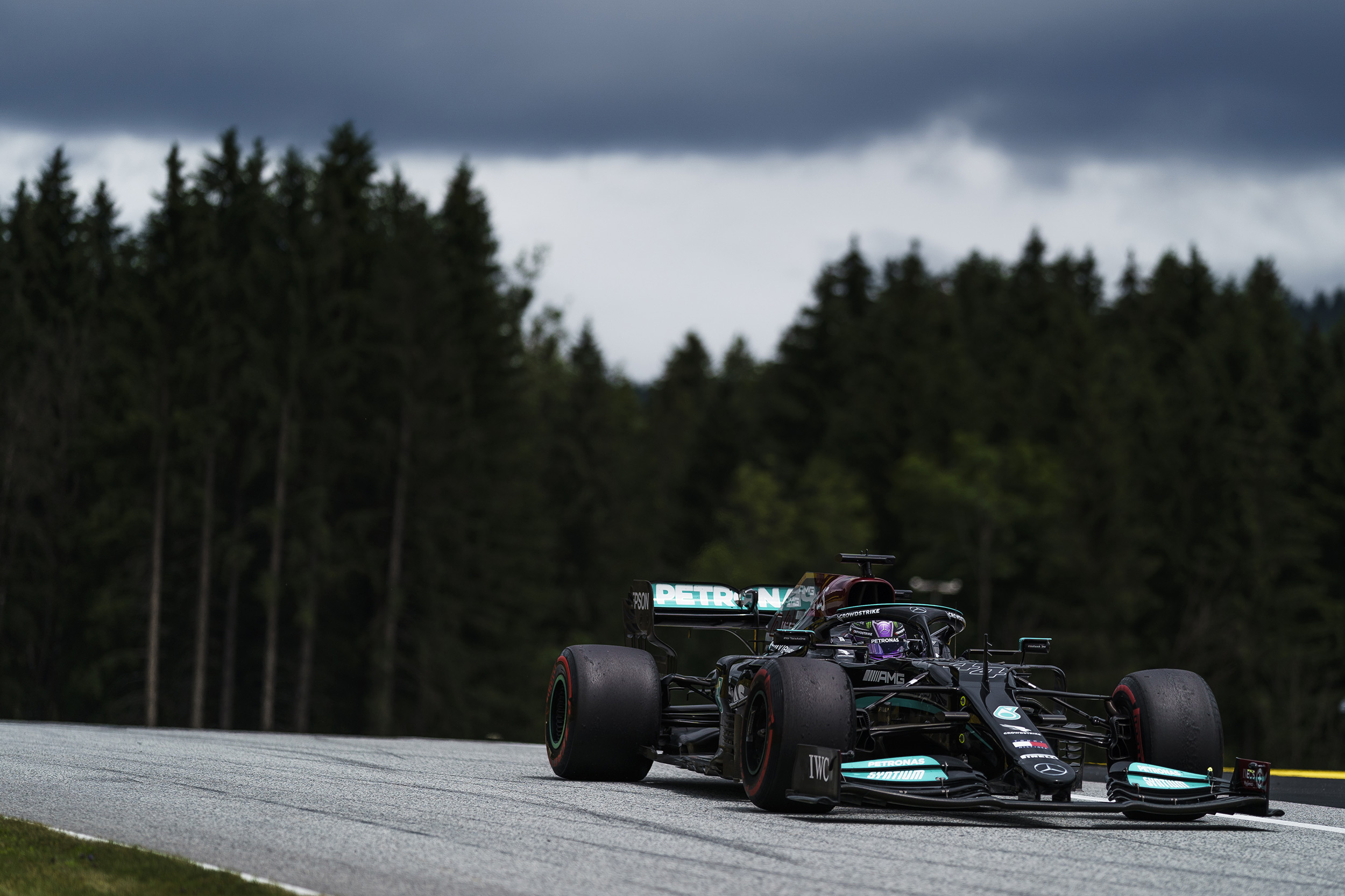 © Philip Platzer | Sony α9 II + FE 135mm f/1.8 GM | 1/8000s @ f/1.8, ISO 50
“All of those great tools mean I can worry less about camera settings and stay in the moment,“ Philip concludes. Motor sport is very fast paced but if you trust your gear, you can relax at least for one lap and try something new. Don’t be afraid to experiment in that way, because playing with shutter speeds or unusual angles often brings the best pictures.”
Featured products


Philip Platzer | Austria
"The best things happen outside of your comfort zone!"


