
Keep it Close
Paul Browning
Sandwiched in a few precious kilometers of green between the M3 and M4 motorways west of London, the countryside around Bracknell might not immediately sound like a great place to experience wildlife. But for photographer Paul Browning, it has as much draw as the Serengeti. More in fact.
“There’s a lake there,” he begins, “only about 30 minutes from where I live in Surrey, which I’ve been going to for six years now. It’s home to a breeding pair of Great Crested Grebes and every spring you can see them carrying their chicks on their backs. Inevitably, herons take a few, but the next year they do it all again, undaunted. I’ve grown very attached to them. It’s an emotional bond, like a pet, but in reality, they don’t even know I’m there.”
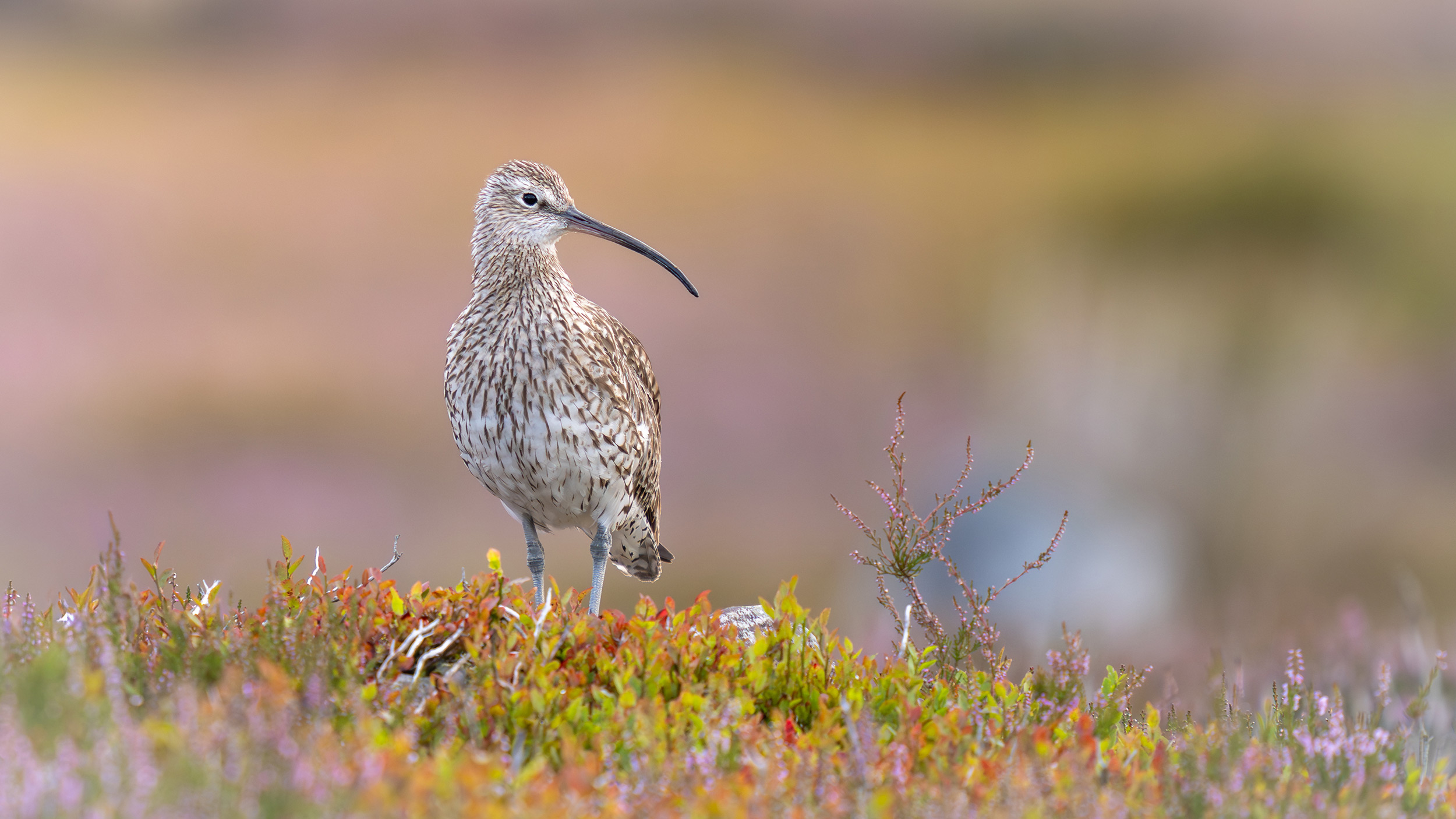 © Paul Browning | Sony α1 + FE 400mm f/2.8 GM OSS + 1.4x Teleconverter | 1/400s @ f/4.0, ISO 500
This experience neatly defines Paul’s outlook. There is joy to be found in wildlife all around, if you go looking for it. “It’s my third year just concentrating on British wildlife,” he explains, “and while I used to go into Europe to photograph species like bears and wolves, there are lots of reasons why I’ve found it more rewarding to stay home.”
Organised tours and events, he says, began to feel like too much of a tourist experience. “There are lots of situations where predators are baited to appear in front of hides, using other animals, which I couldn’t get on with. I’m so much happier learning about my own environment and doing the work to find these species in the wild. It’s not as easy as paying someone and getting on a minibus, or working with falconers, or at wildlife parks, but to me that might as well be pet photography. I didn’t want to be a part of that. Instead, I follow wildlife through the seasons all around Britain."
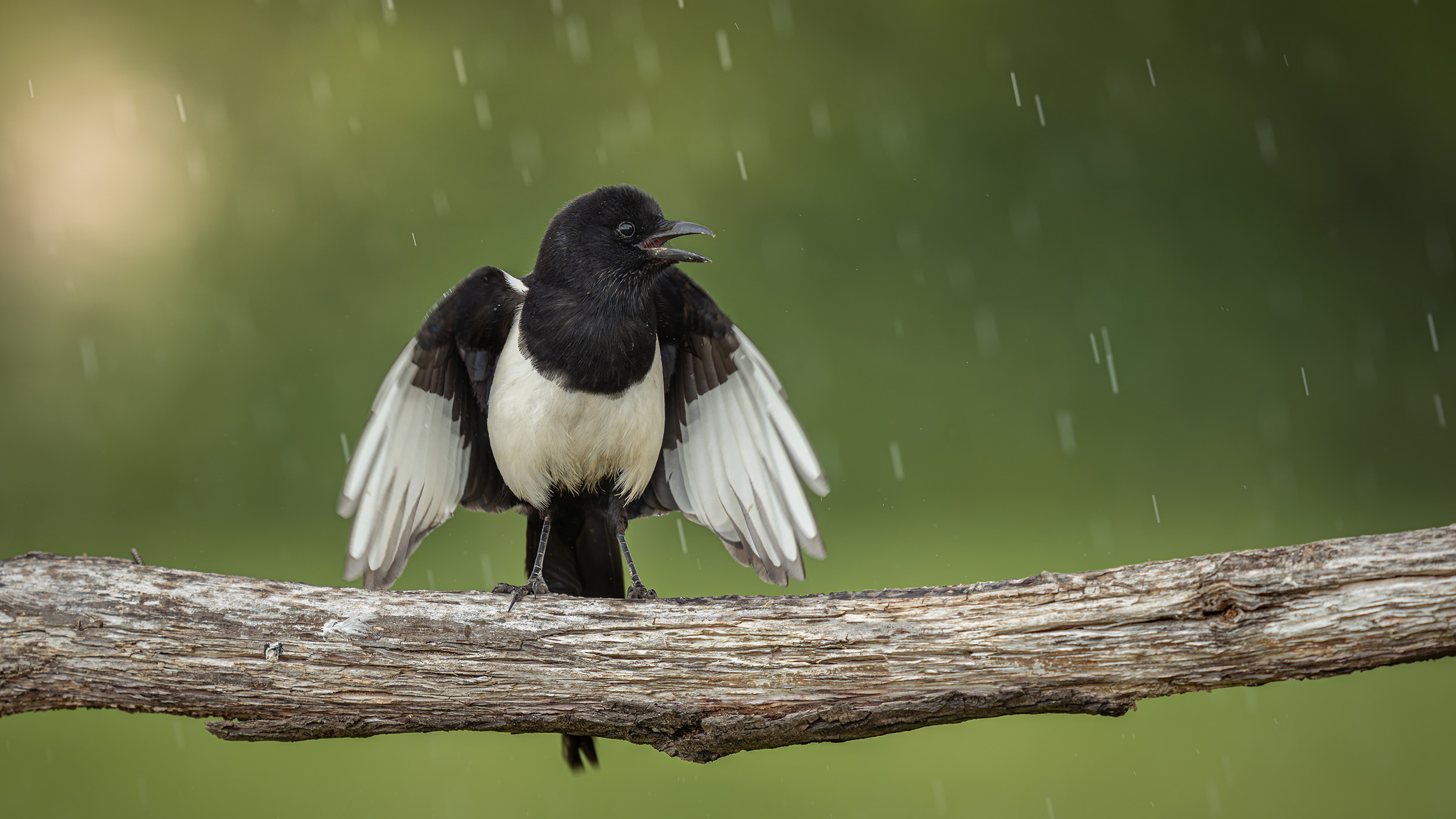 © Paul Browning | Sony α1 II + FE 400mm f/2.8 GM OSS | 1/400s @ f/4.0, ISO 160
His approach is summed up in a series of talks he’s given, called Chasing the Light, Following the Seasons. “I’m trying to show that there’s all this beautiful wildlife right here at home,” he explains, “so you don’t need to spend 20k going to Africa. Go out and listen to the birds in your garden. Set up a feeding table and some branches as perches. It’s more relatable, and I find it a more honest and rewarding way of working.” This year, Paul also made 30 five-slide guides to shooting British Wildlife on his Instagram.
His own journey saw him gravitate towards nature photography after stints as varied as being a drum & bass DJ, running a record shop, and working as a professional snowboarding photographer. “I peaked in that latter job when I got to be the official Team GB photographer for the Snowboard World Cup,” he says, “though I’d often photograph wildlife on the slopes as I waited for competitors. Then the Covid-19 lockdowns hit, and I did lots of macro at home in the garden. I got invited onto BBC Springwatch because they were interested in why a sports pro was shooting bees! When things opened up again, I realised how much I loved doing it.”
“Ever since, I’ve wanted to infect others with that same feeling,” he continues, "especially for the changes that exposure to nature can make to your life. Like the lake at Bracknell, there’s a piece of woodland near me, too, and it’s in the middle of an estate. It’s only 100m square, but it’s totally alive. There’s great spotted woodpeckers, wrens… it’s a gold mine. The birds out-sing the traffic, and you just need to be in there to feel better.”
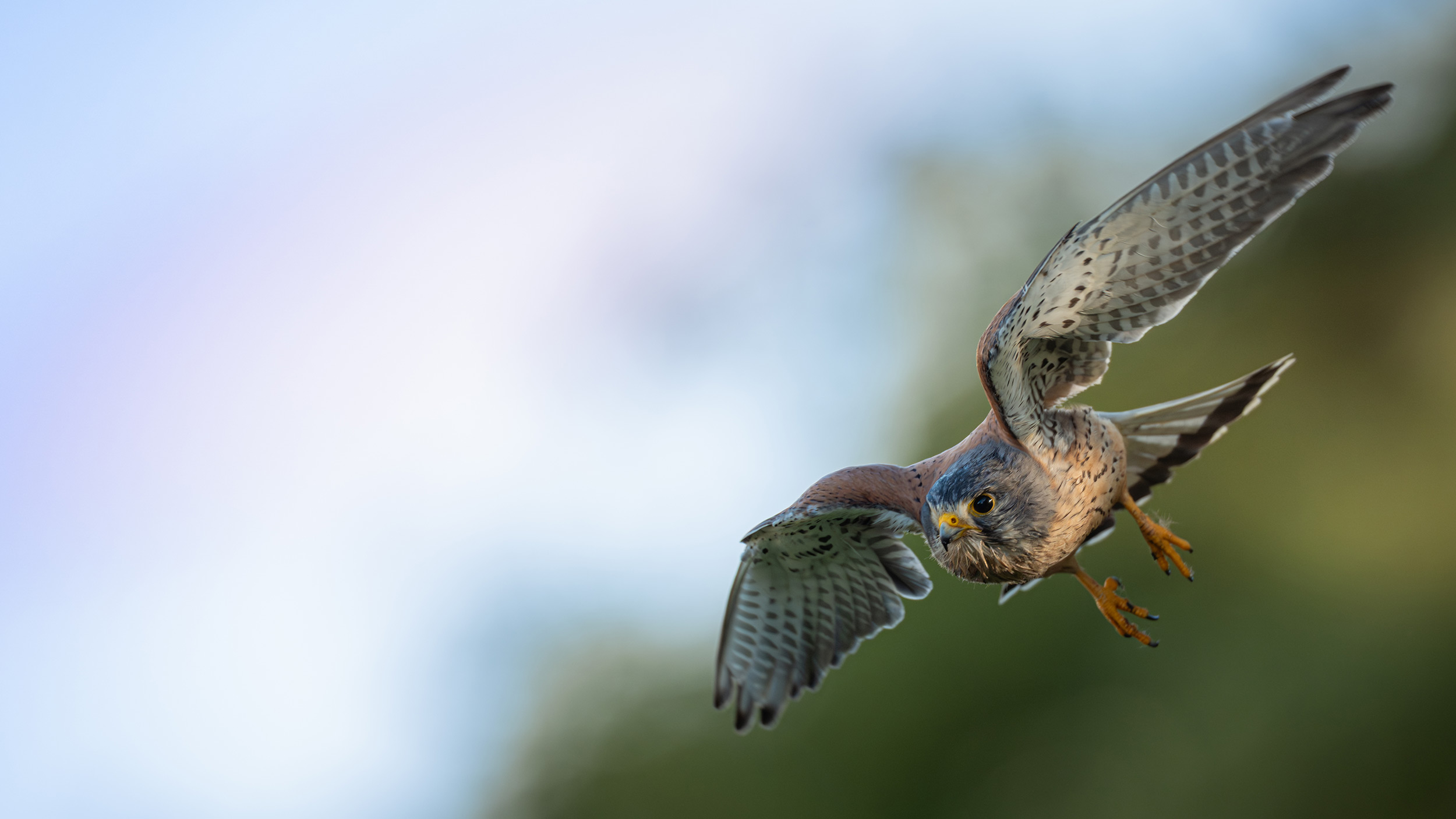 © Paul Browning | Sony α1 II + FE 600mm f/4 GM OSS | 1/2500s @ f/4.0, ISO 1250
“Our country is beautiful and you really don’t need to go far to find wildlife,” he continues. “Head into Norfolk, just a couple of hours from London, and there are places where it feels a million miles from the city. You can see hares and buzzards, kestrels, foxes. Or at reserves like RSPB Leighton Moss where I go regularly, you can experience beautiful little birds like the bearded tit. They’re quite common, but because they spend most of their time deep in the reeds, people don’t see them. You have to wait until they come out to feed.”
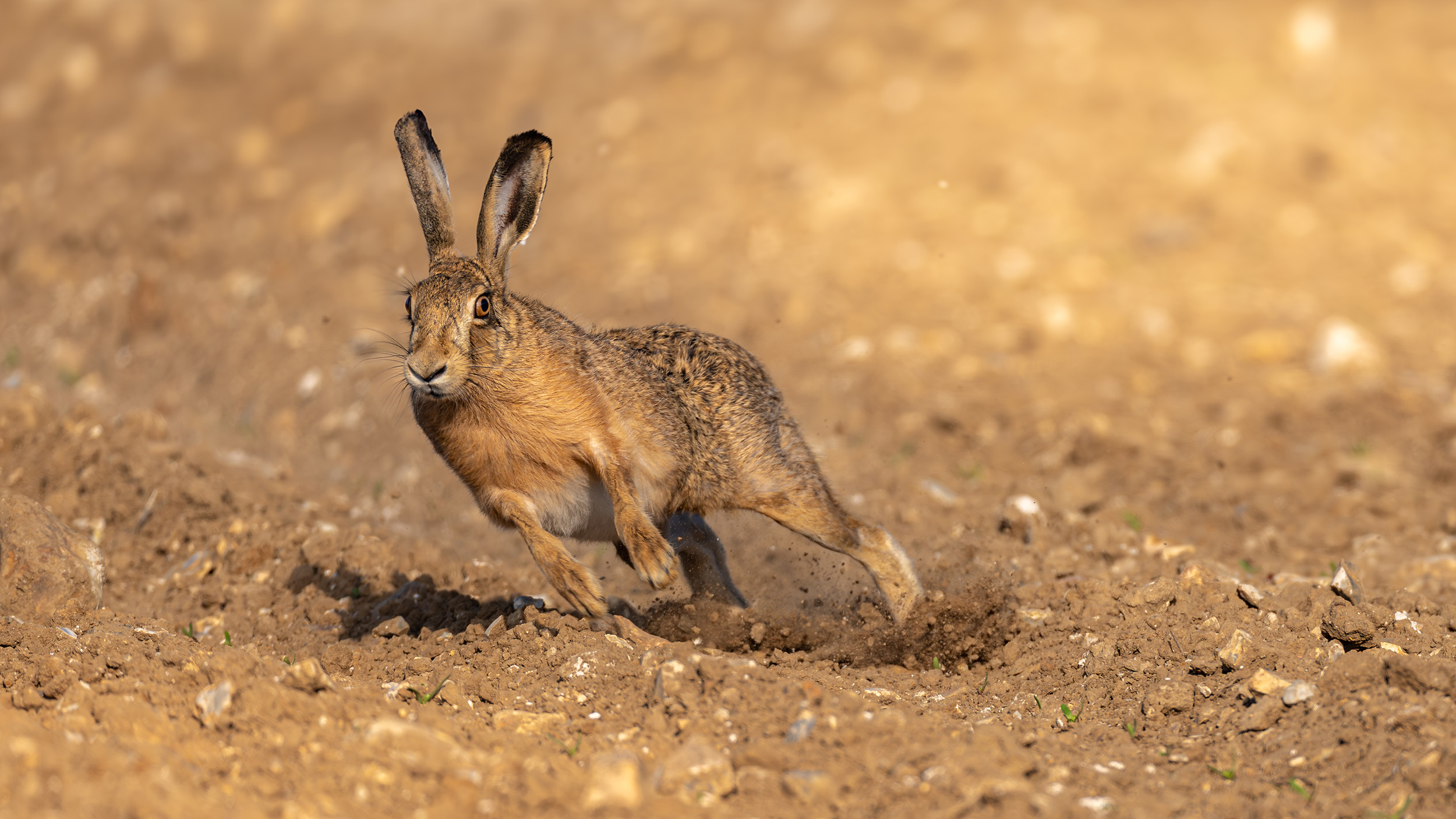 © Paul Browning | Sony α1 II + FE 600mm f/4 GM OSS | 1/2000s @ f/4.0, ISO 100
Fieldcraft is a huge part of what Paul does, but he freely admits these skills didn’t come to him in a flash. “I definitely had to work hard on understanding wildlife,” he says. “In sports you wait and wait, but you know something’s coming down the track eventually. With wildlife there is far more investment, planning, research… but having it all come together means you really earned it. It’s fulfilling in a way nothing else has been for me.”
In fact, the thrill of the hunt is so rewarding that he often has to remind himself to take a picture. “Piecing everything together, looking for signs of activity, tracks, pellets, coming back in the dark, waiting in cover for hours… it’s all so consuming that finally seeing what you came for could be enough,” he says. “But I also have this aesthetic side from my art degree. I always have a certain composition, or light in mind, so I strive to get that, too. Like if it’s a barn owl, I will have imagined the perfect spot, the background, the negative space, the pose of it flying in with its prey… it’s a sort of OCD. I want to create the piece of art I imagined using the wildlife I’ve spent so long waiting for.”
His Sony kit is also opening up new opportunities, Paul says. “I use an Alpha 1 and an Alpha 1 II now, and I know those cameras back to front having trained myself to use them with a blindfold. You can’t be wondering how to change ISO when a chance comes your way. But as well as that, features like the incredible Bird AF mean all I need to watch on the screen is my histogram.”
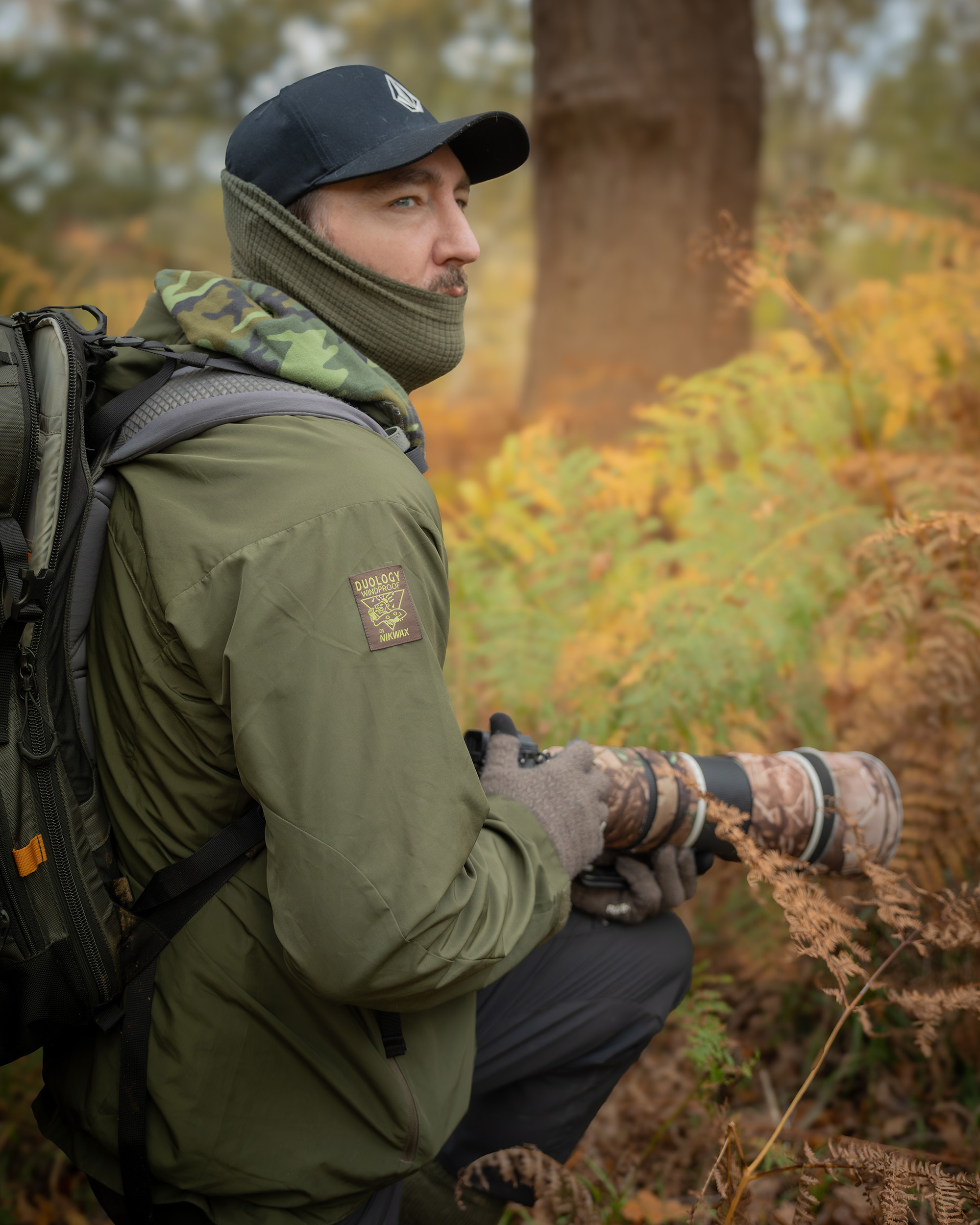 © Paul Browning
“But a recent addition I’m really excited about is the pre-capture mode,” he continues. “With enough observation of a subject you can predict when it’s about to move, but I’d say all wildlife photographers have experienced missing a shot like a bird taking off. You think you’ve done it, but all you’ve got is its legs in the top corner above an empty perch! Pre-capture is constantly recording, so it gives you something like a second’s grace. It makes it tough to miss a moment and the camera’s 30fps speed gives me wing shapes I’ve never seen before!”
As well as personally experiencing the benefits of a connection to local wildlife, Paul’s seen firsthand the benefits it can bring to others. “There’s a neighbour of mine who was stuck in her home with illness, and so I said, ‘Once a week, I’ll take you across the common to see the birds and wildlife,’ just to get out and feel like you’re in nature. The difference she’s felt is enormous. Now she wants to go all the time. Then there’s my mum. She had never really noticed birds before, but I showed her how to look for a dipper on the river, and pointed out bird sounds, and now she texts me all the time about what she’s seen.”
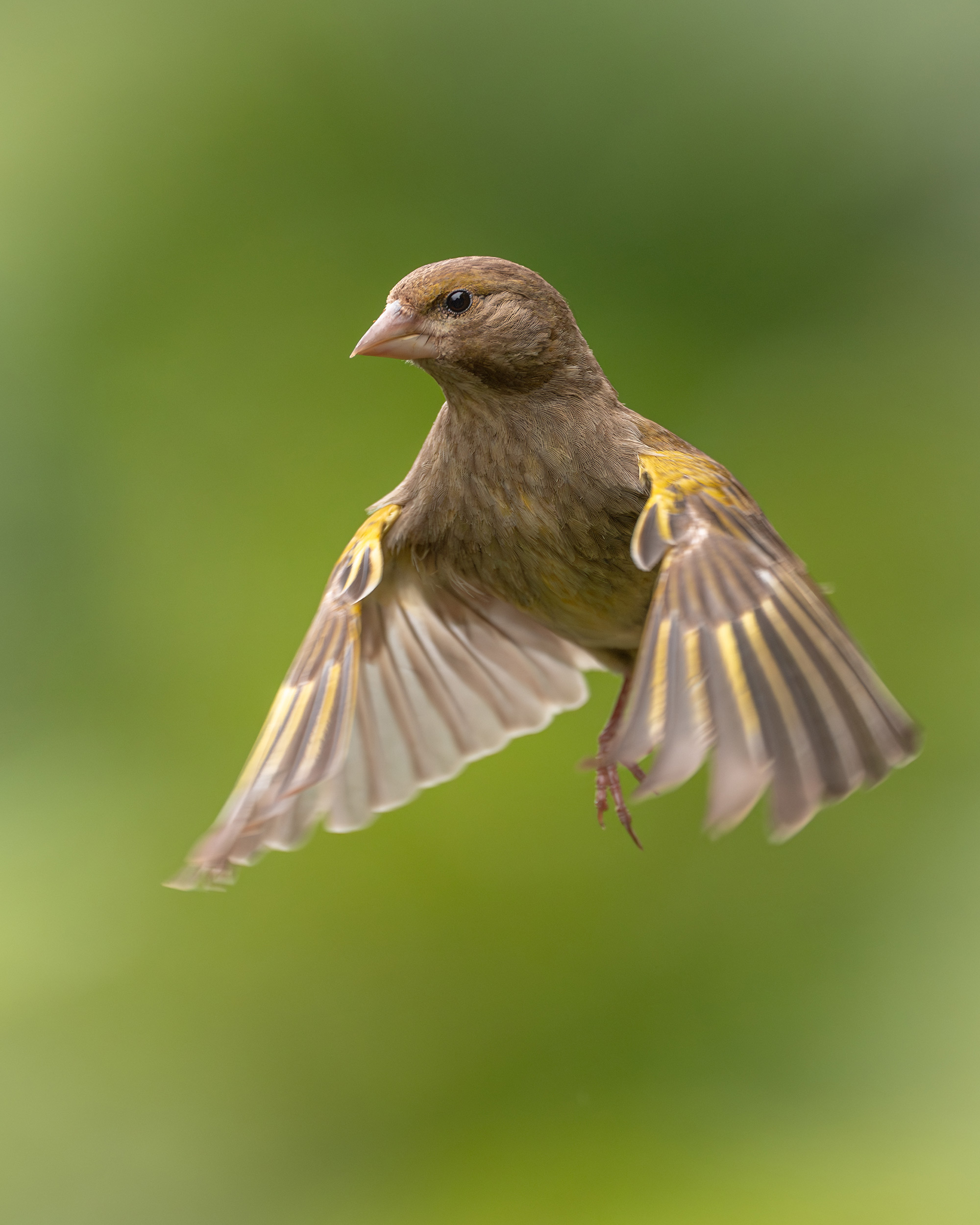 © Paul Browning | Sony α1 II + FE 600mm f/4 GM OSS | 1/2500s @ f/4.0, ISO 500
That’s what can happen when you take someone outside, even just down the street or into the woods close to home. British wildlife is a beautiful thing. It can make people put their phones down and start to value the world around them.”


