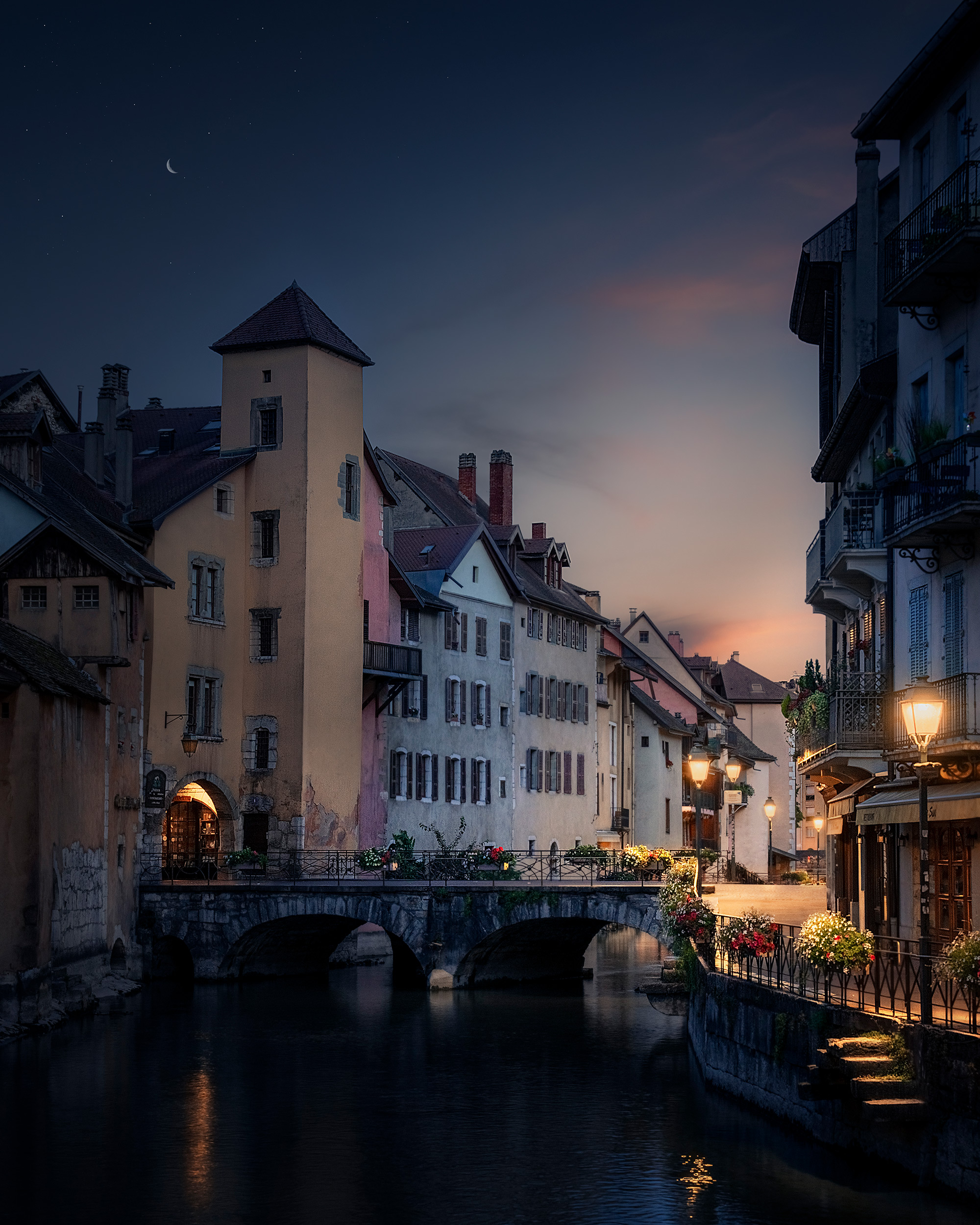
 © Lou-Ann Varaniac-Quard | Sony α7CR + FE 24-70mm f/2.8 GM II | 1/60s @ f/5.6, ISO 640
Settled between lake and mountainside, the mediaeval centre of Annecy has been called ‘the Venice’ of the Alps. Born in the 12th Century, its historic cobbled streets are walled by painted wooden buildings under the watchful gaze of the fortified castle, Annecy le Neuf. The place brings heritage-hungry tourists from all over Europe, but now, at 4:30am, it’s quiet.
© Lou-Ann Varaniac-Quard | Sony α7CR + FE 24-70mm f/2.8 GM II | 1/60s @ f/5.6, ISO 640
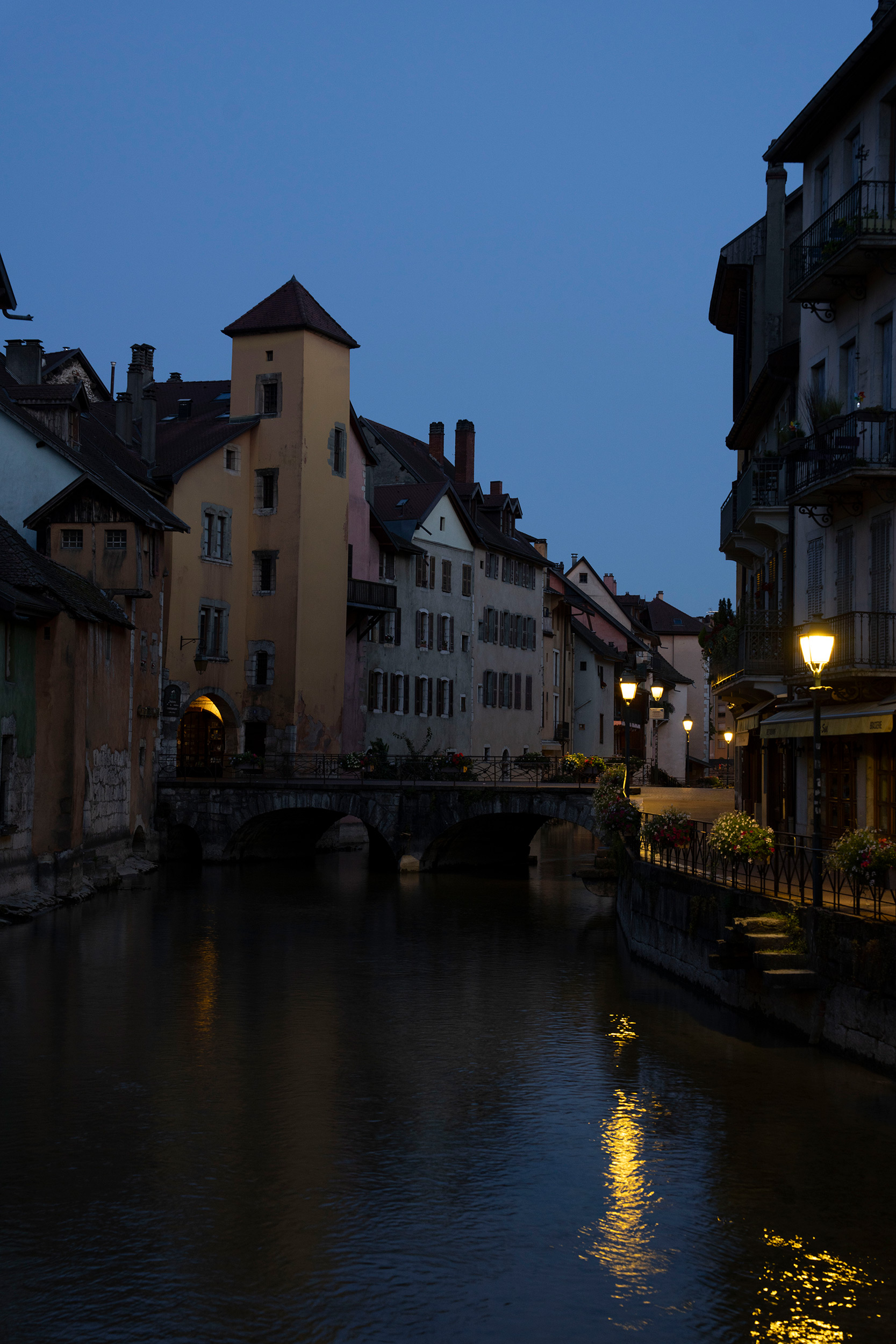 © Lou-Ann Varaniac-Quard | Sony α7CR + FE 24-70mm f/2.8 GM II | 1/60s @ f/5.6, ISO 640
It’s here that travel photographer and image editing pro Lou-Ann Varaniac-Quard has come to work with her Alpha 7CR. “Travel was always my first passion,” she says, “and right from the beginning visiting new places gave me real joy. Making images of them was a natural response. I started creating digital composites from stock photos of my adventures, then as I began taking my own pictures, I used them in composites instead. Today, I create images that are almost entirely as-shot, with my own style of editing of course.”
Lou-Ann leans into her calmness and curiosity when it comes to her editing style. Dreamy, quiet, magical and soft, she portrays locations with a depth of feeling that’s akin to the paintings of romantic artists. “My style is certainly inspired by paintings,” she agrees, “but when people ask how I come up with a certain mood in my photos, the truth is it’s just an expression of how I felt.”
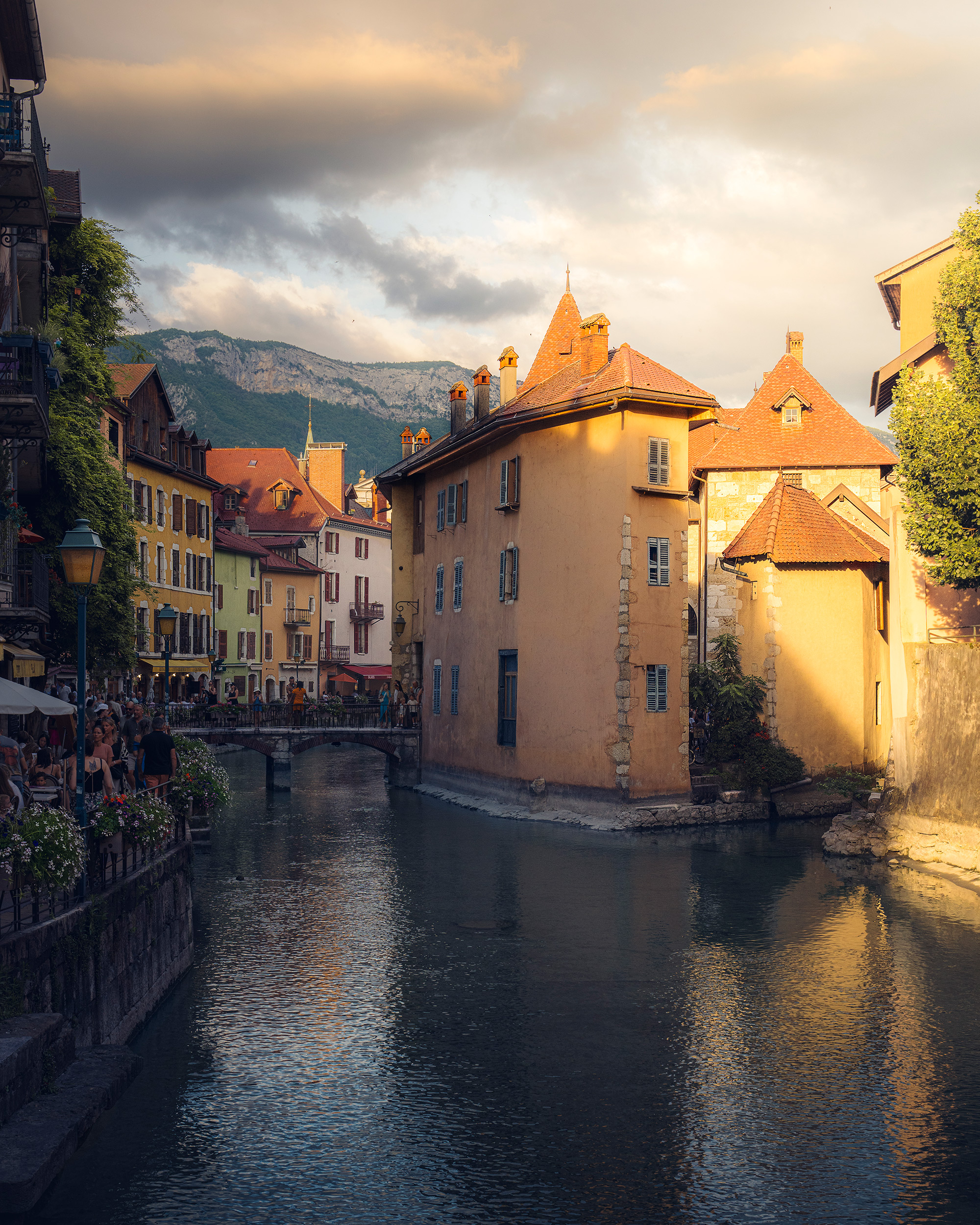 © Lou-Ann Varaniac-Quard | Sony α7CR + FE 24-70mm f/2.8 GM II | 1/400s @ f/6.3, ISO 640
I almost always shoot before sunrise and after sunset,” she says, “and that’s for a few reasons. First, the streets are empty, which makes a scene quieter and dreamier, especially in places that might normally be bustling with people. And then there’s the softness of the blue light, contrasting with the warmth of streetlights and windows.”
Using the Sony Alpha 7CR on that trip to Annecy, and previously an Alpha 6600, Lou-Ann sets out to record all the detail she can get on location, ready for editing later. Shooting in RAW format as well as occasionally bracketing her shots from a tripod means she can have the “brightest and darkest parts of the image, all well exposed,” she explains. Then she “manually combines those images in Photoshop Layers, for instance painting the lighter parts onto a darker image, or manually controlling an HDR process to get a full range of tones.”
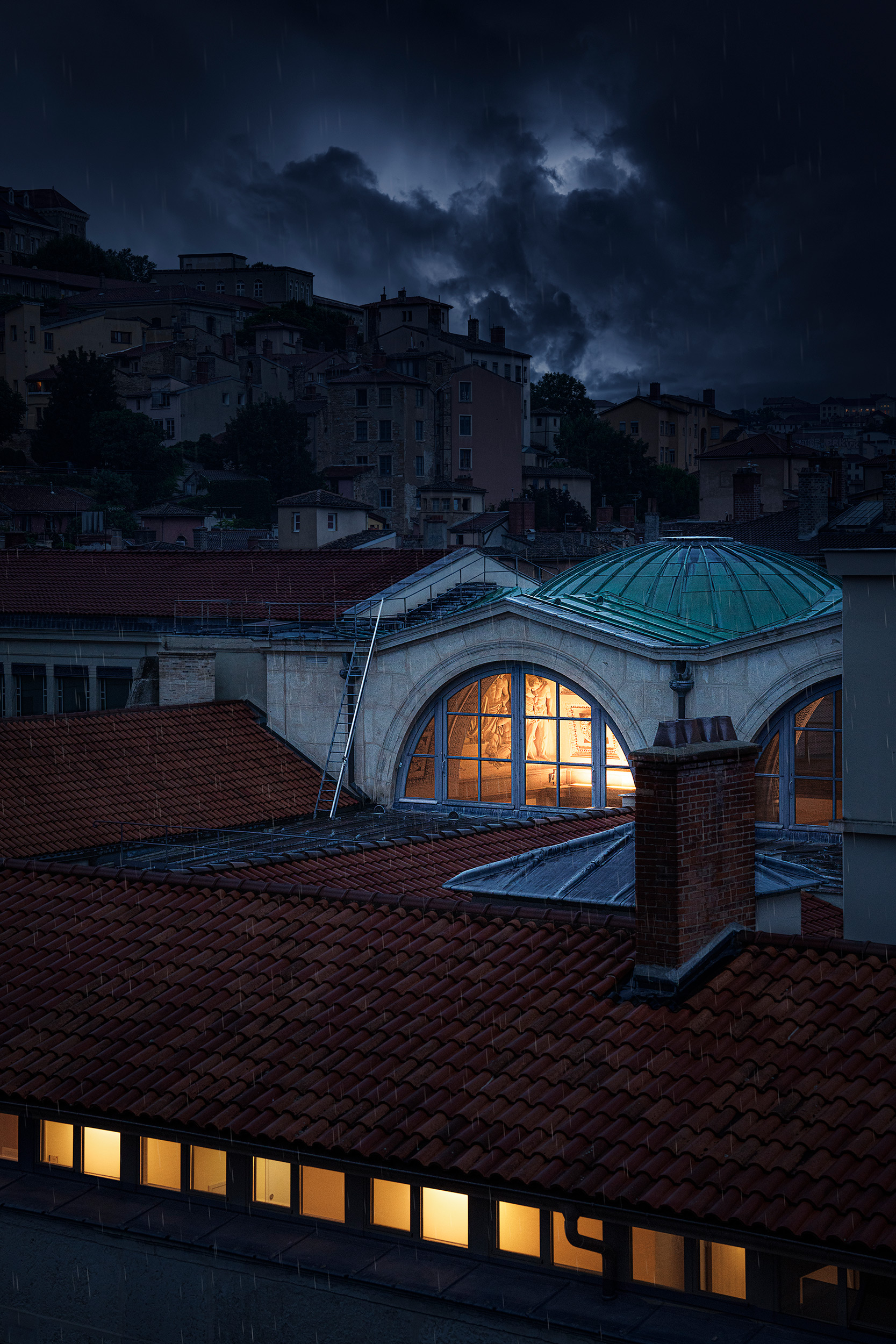 © Lou-Ann Varaniac-Quard | Sony α7CR + FE 24-70mm f/2.8 GM II | 1/60s @ f/5.6, ISO 1600
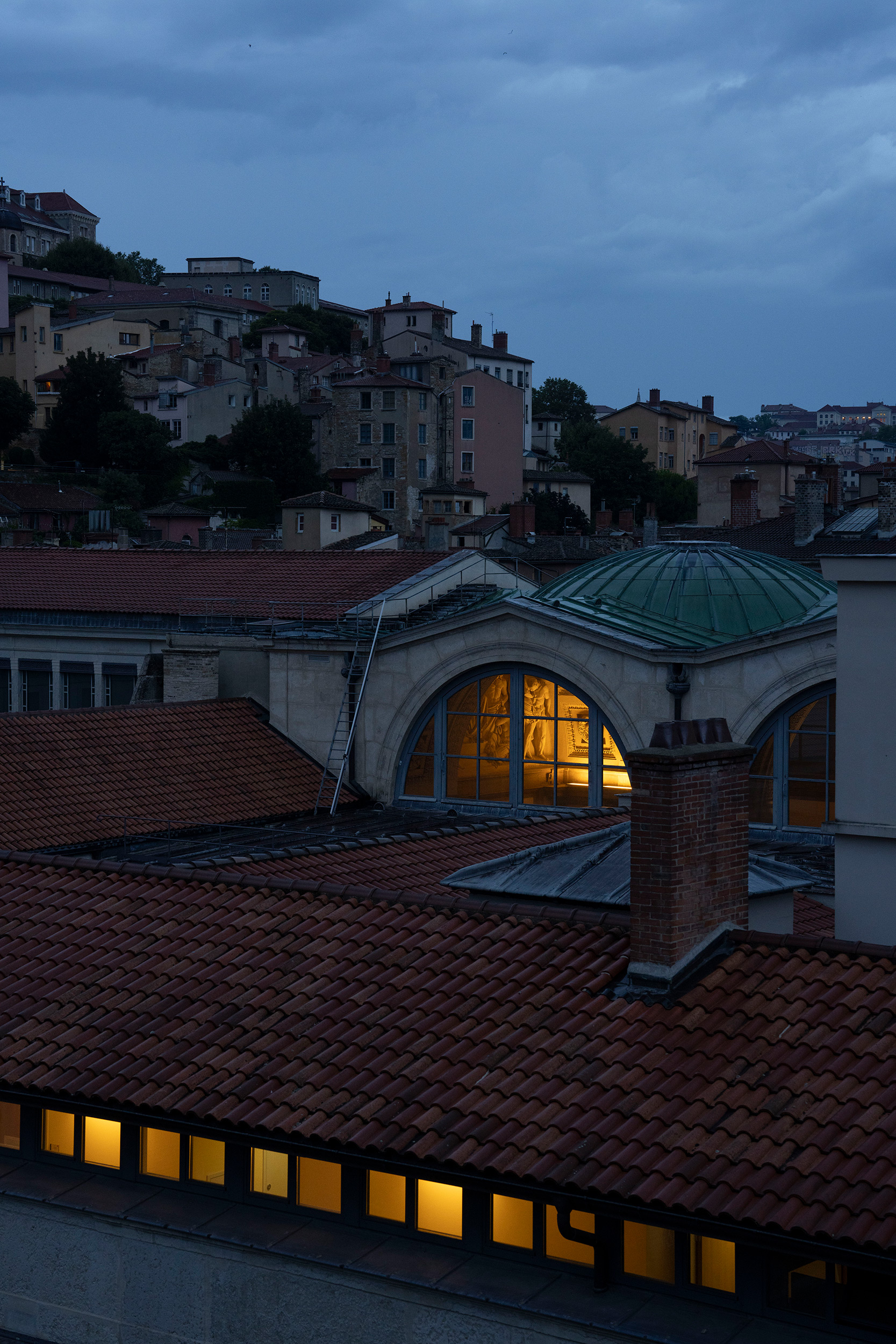 © Lou-Ann Varaniac-Quard | Sony α7CR + FE 24-70mm f/2.8 GM II | 1/60s @ f/5.6, ISO 1600
But perhaps the most important part of Lou-Ann’s process is in how she edits colour. “I take time to properly develop a RAW image because that data is the foundation on which all other work is carried out,” she explains. “During that, I spent a lot of time analysing and working on colours. I’m very consistent in looking for harmonies and enhancing and manipulating those in post-production. For instance, I like to work with complementary blues and oranges, or split-complementary blues, oranges and reds.”
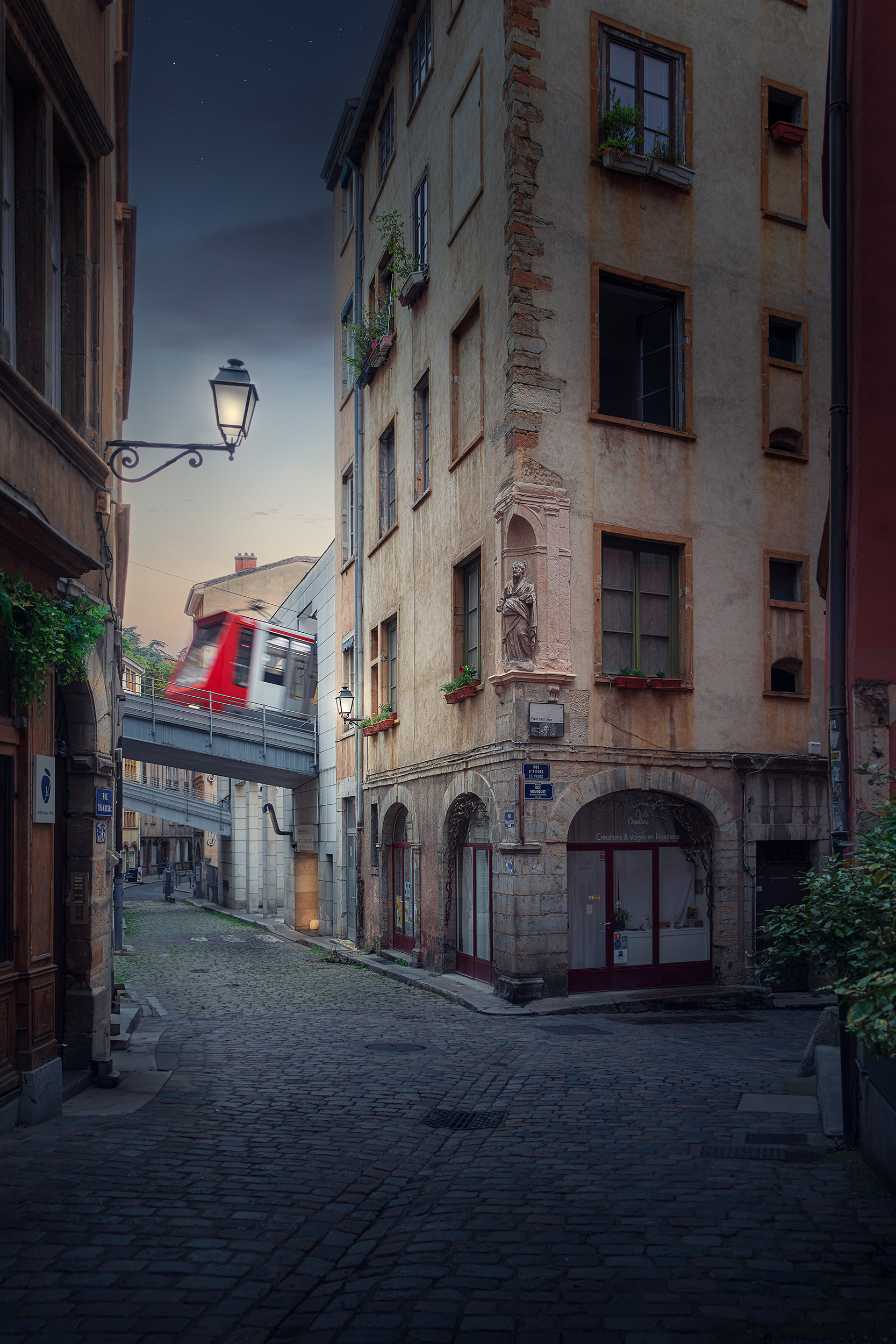 © Lou-Ann Varaniac-Quard | Sony α7CR + FE 24-240mm f/3.5-6.3 OSS | 1/8s @ f/6.3, ISO 160
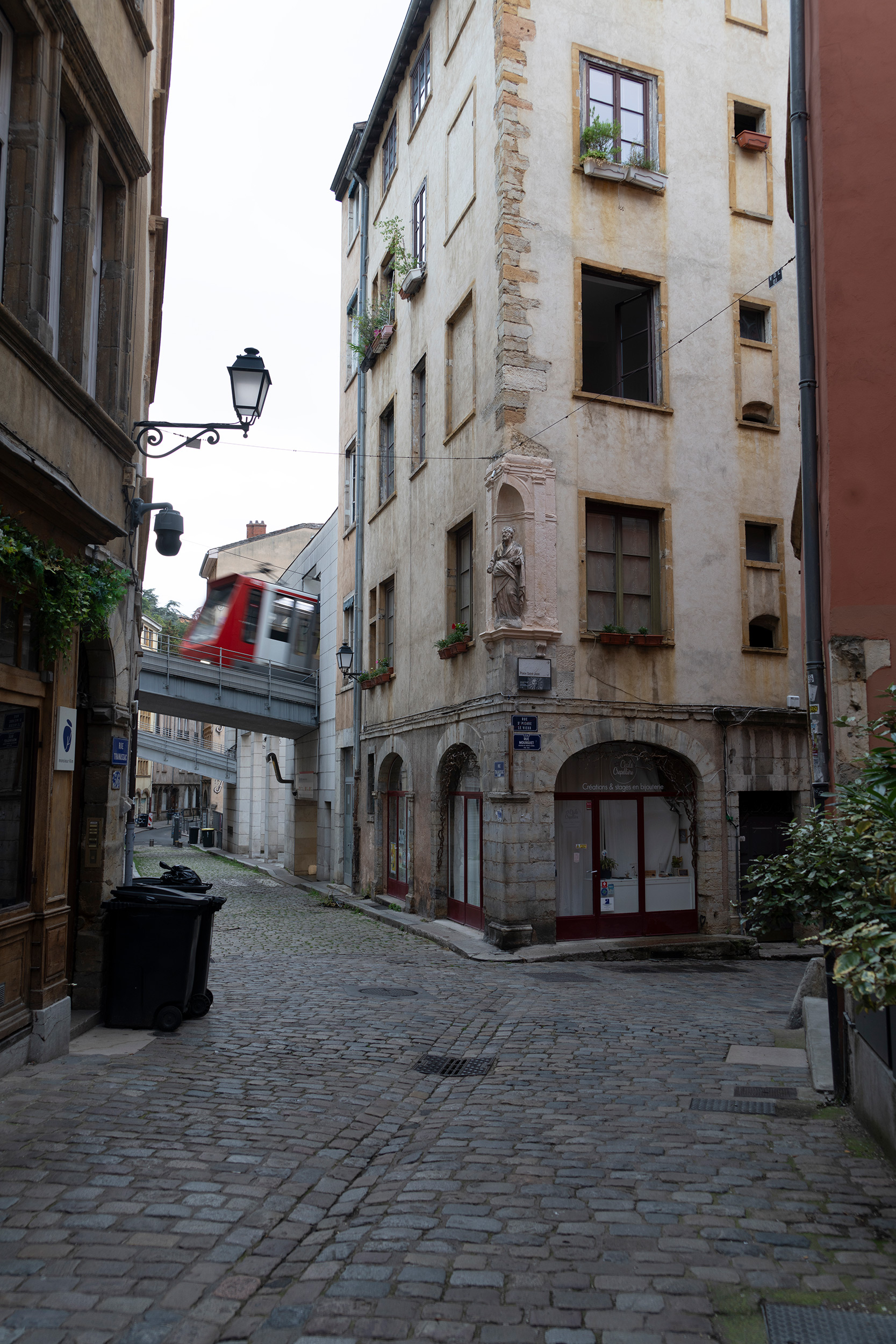 © Lou-Ann Varaniac-Quard | Sony α7CR + FE 24-240mm f/3.5-6.3 OSS | 1/8s @ f/6.3, ISO 160
“I also work on areas or colour or light to draw the eye and make a centre to the image,” she continues. “You can also see that in traditional painting, because people are drawn to areas of contrast in that way. They lead the eye.”
Discovering the power and portability of the Alpha 7CR in Annecy, as well as back home Lyon, Lou-Ann was impressed by the image quality it delivered. “The resolution is amazing because it gives me lots of freedom to crop into photos in post and find new compositions,” she says. “The RAW files are also amazing. The full-frame quality gives so much more flexibility when I’m working on light and colour, particularly when I’m brightening shadows in the photos I’ve taken after sunset. Usually you’d get noise there, but with the Alpha 7CR I don’t see it. Its low-light performance is exceptional.”
“The stabilisation was also really surprising and very useful for my low-light photos, where sometimes I didn’t need to use a tripod at all,” she continues. “And because I often frame in a vertical format to suit the city streets I shoot in, the Alpha 7CR’s flip out screen was very useful.”


