
Defining Moments
Marcus Westberg
In Chad’s Zakouma National Park, a C-130 military transport plane is descending towards a rough landing strip in the remote scrub. Onboard there are five endangered black rhinoceros, about to be reintroduced into the area. The culmination of years of planning, this moment is one that photographers like Marcus Westberg live for.
 © Marcus Westberg
The Greater Zakouma Ecosystem, encompassing nearly 11,000 square miles, is one of the last remaining Central African savannah habitats and home to an incredible array of biodiversity, including large mammals like elephant, lion, buffalo, and giraffe. But, for over 40 years, one key animal had been missing: the black rhinoceros. Heavy poaching during the 1960s and 70s wiped out the entire population. It's their reintroduction that brought Marcus to this remote corner of the world.
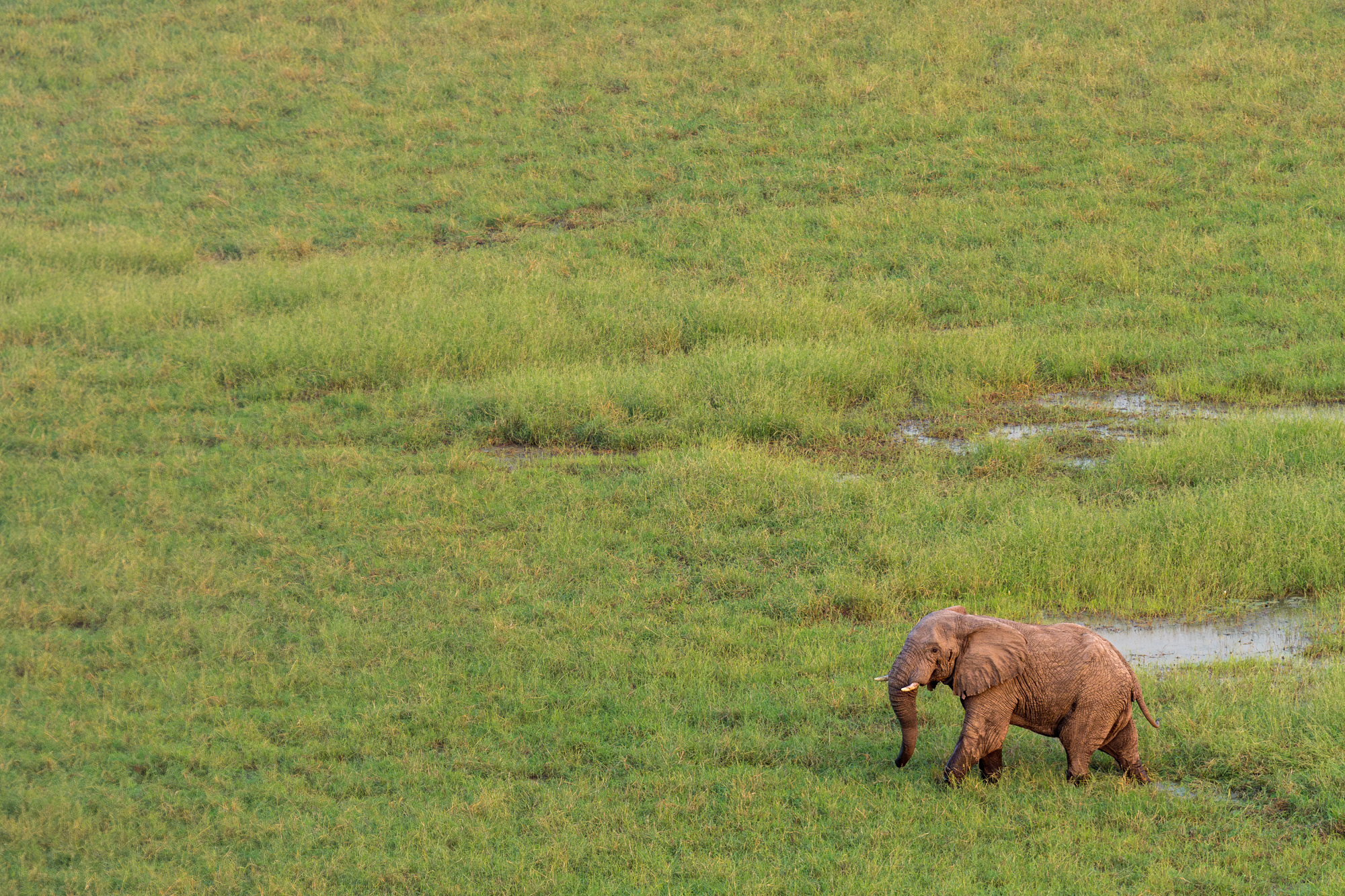 © Marcus Westberg | Sony α1 + FE 70-200mm f/2.8 GM OSS II | 1/1250s @ f/3.5, ISO 1600
“The return of the rhino to Chad really is an incredible success story,” Marcus explains, “and not just for the rhinos. This could never have happened if Zakouma hadn’t been turned into a wilderness haven. By the time conservation non-profit African Parks arrived here in 2010, the park had lost 90% of its 4000 elephants to ivory poachers. Now, wildlife numbers are increasing once again, elephant poaching has essentially been eradicated, and it was agreed that the time was right to establish a viable black rhinoceros population.”
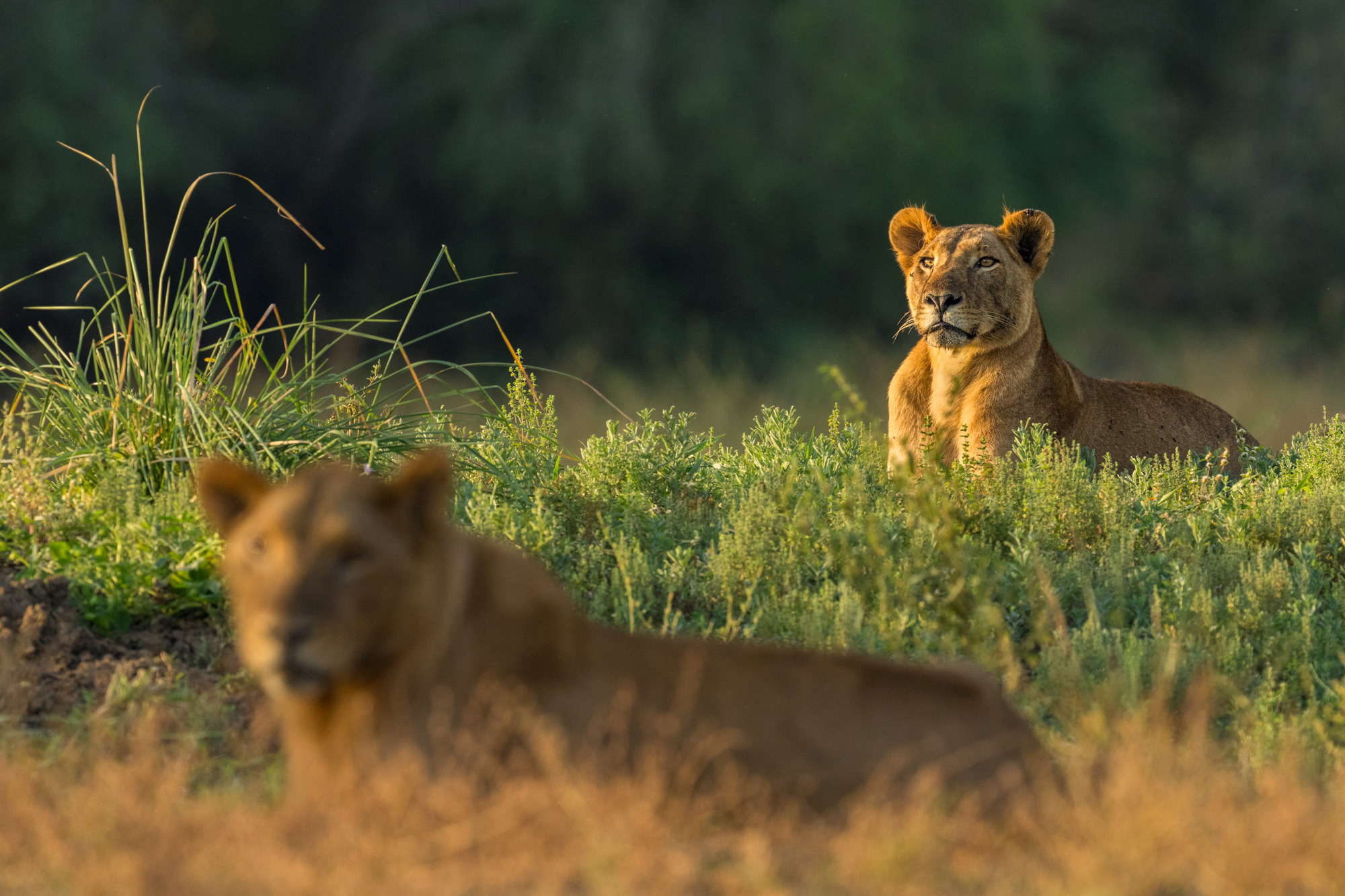 © Marcus Westberg | Sony α1 + FE 600mm f/4 GM OSS + 1.4x Teleconverter | 1/640s @ f/8.0, ISO 1600
Enlisted by African Parks to document the various protected areas under their aegis, Marcus had been in the country for several weeks by the time the rhinos arrived. “While the hero shot was the moment of release,” he says, “there’s so much more to this story, and plenty to capture - from the building of the enclosures where the rhinos were kept for the first few weeks, the off-loading of the crates, and the dignitaries in attendance, to the park’s outreach teams, traveling from village to village to prepare local communities for the presence of rhinos in the area. Images like these are then used for press releases, annual reports, and social media updates, so they need to tell the whole story.”
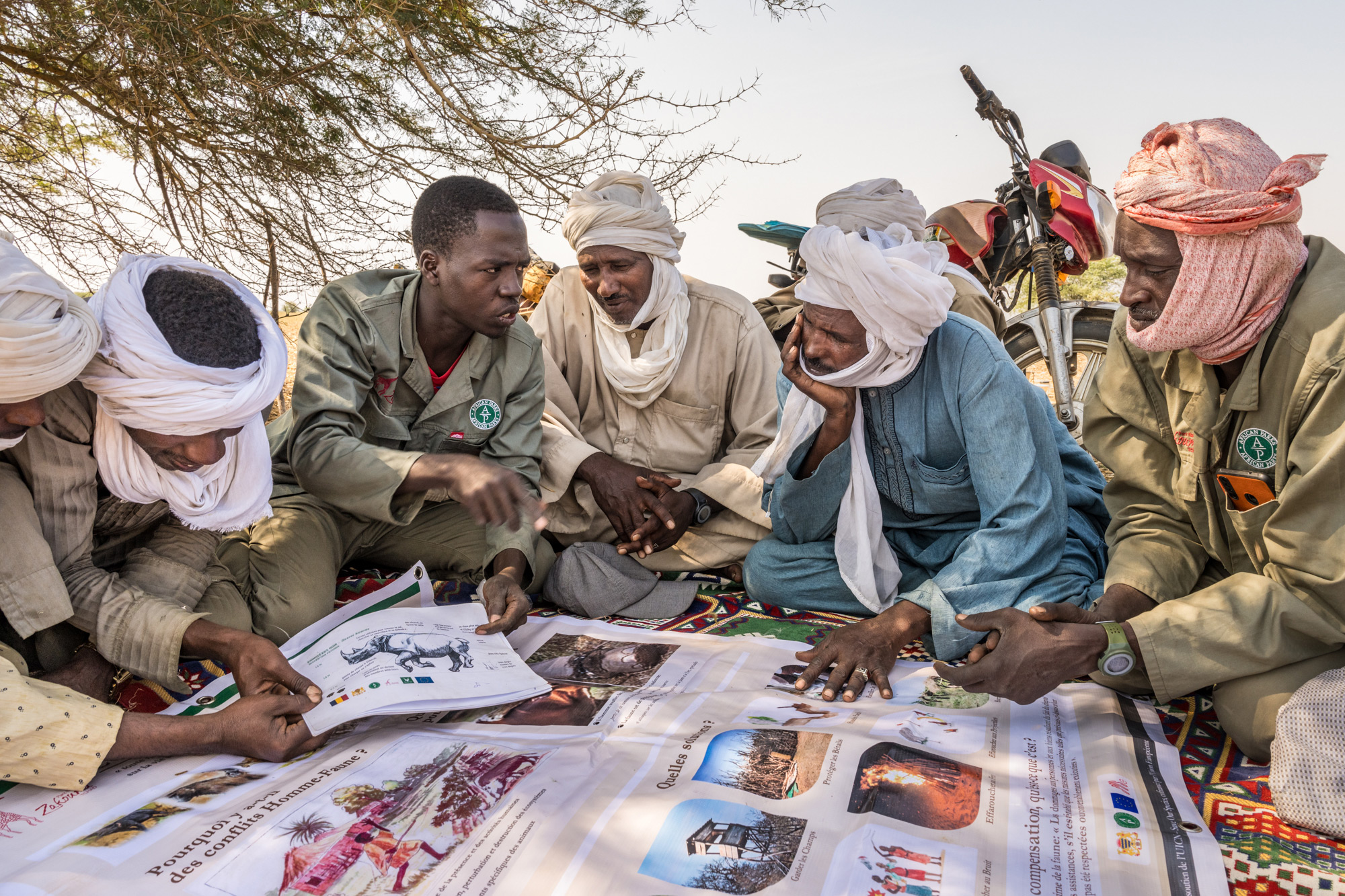 © Marcus Westberg | Sony α1 + FE 24-70mm f/2.8 GM II | 1/160s @ f/10, ISO 400
As Marcus explains the assignment, it’s clear that mental and physical stamina is as important as technical skill in this particular field. “The reality of initiatives like this, especially if they involve large travel distances and the crossing of international borders, is that things rarely go to plan,” he continues. “You need to be adaptable and stay focused. This time, delays meant that a temperate dawn shoot in wonderful, warm light turned into a midday furnace session. As with any kind of photojournalism, you can’t really choose your conditions: if things start happening at noon, then heat and harsh light is what you’ve got.”
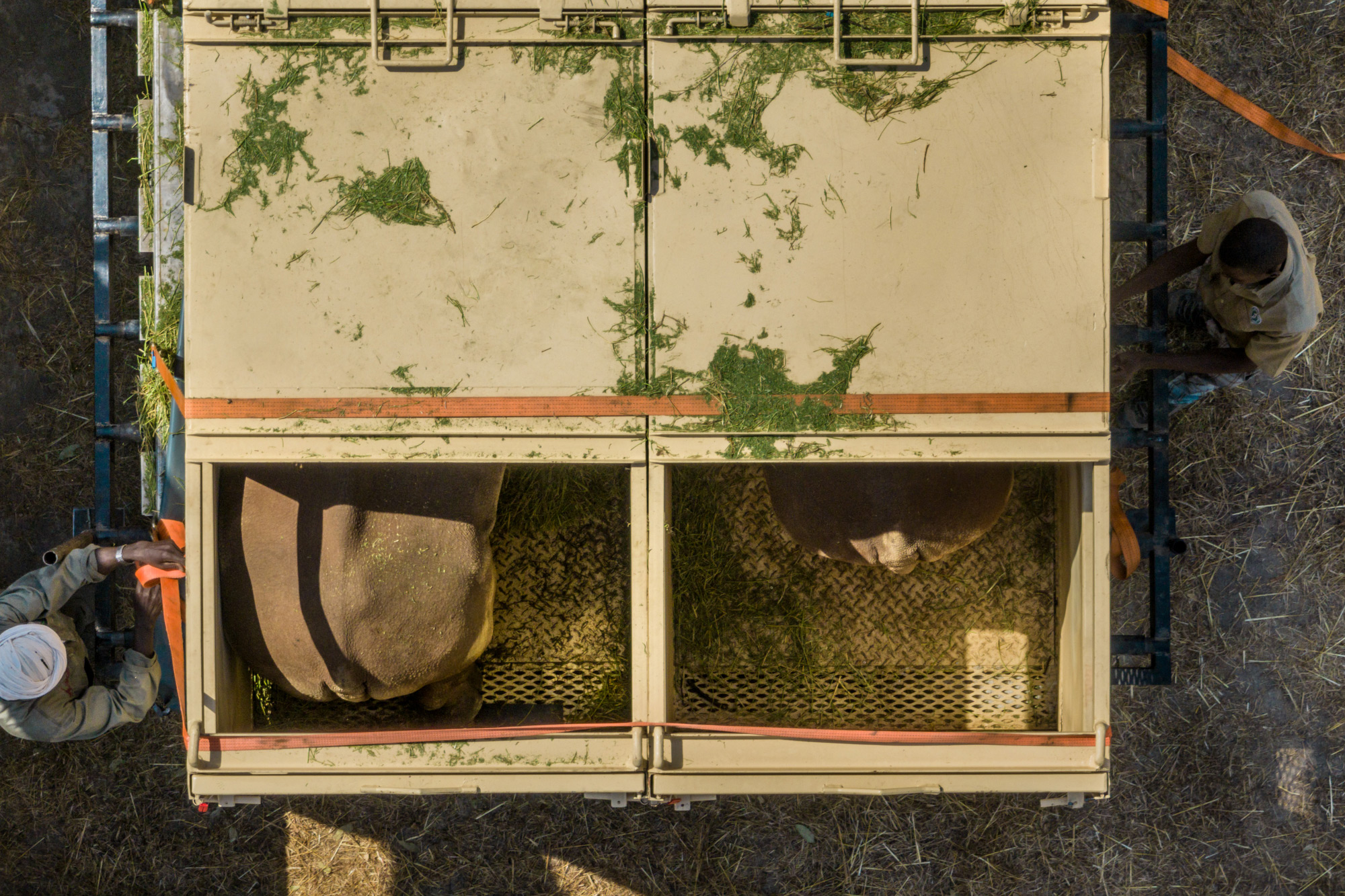 © Marcus Westberg
And, so, to the big moment. After 36 hours in transit, spanning over 2,700 miles and via stops in Zambia and Burundi, the rhinos – not exactly known for their calm temperament at the best of times – are understandably stressed; they’re disoriented, hungry, and thirsty. “Needless to say, the priority is the wellbeing of the rhinos, not getting the shots,” Marcus notes, “and for fairly obvious reasons, nobody can be inside the enclosures when the rhinos are released. On the other hand, shooting from behind a solid wooden palisade wasn’t exactly ideal.”
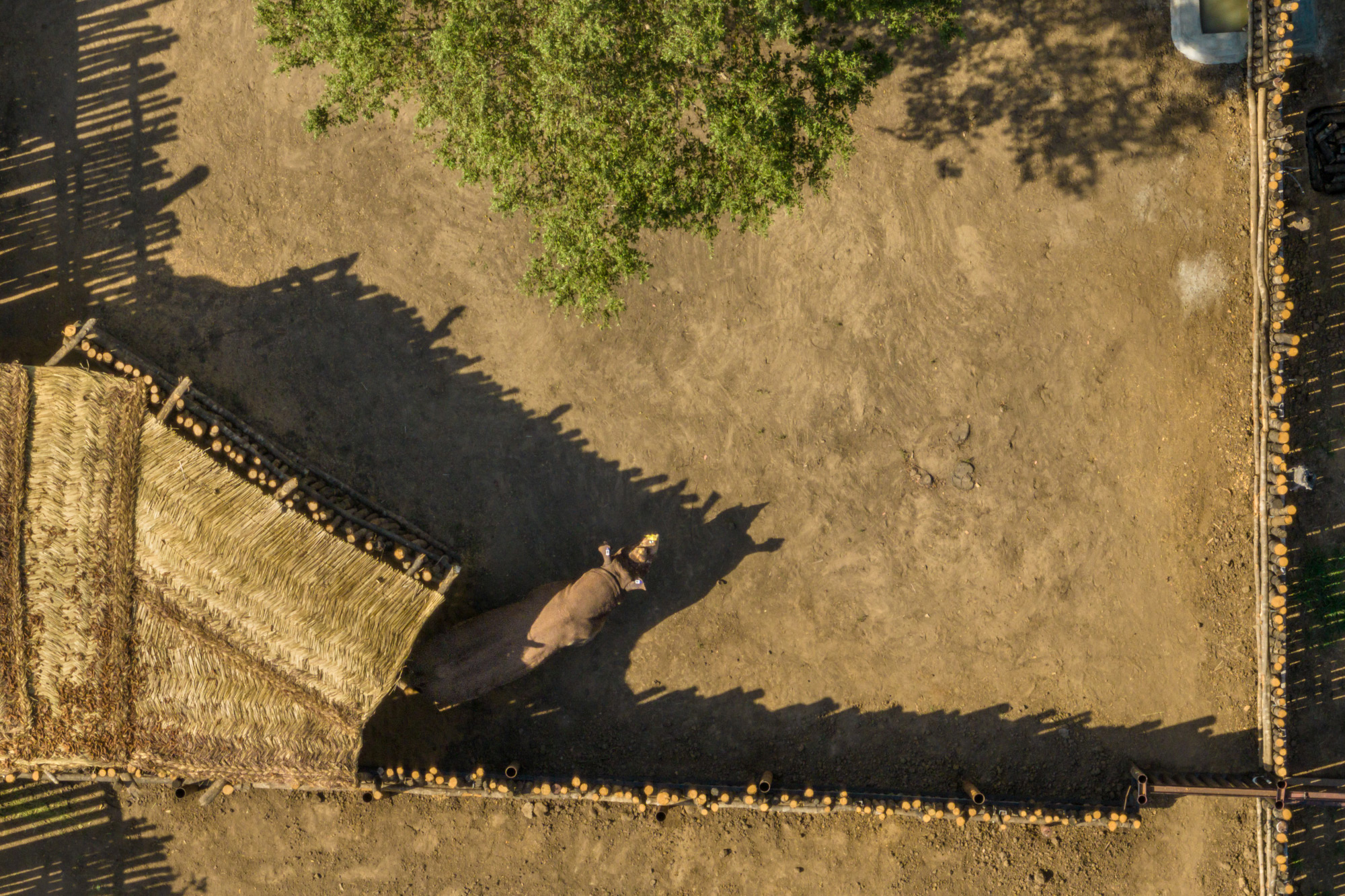
His solution? “Each enclosure had a concrete water trough dug into the ground under the palisade, and extending some 20cm on either side of it. Because the water level didn’t quite reach the bottom of the fence, there was just enough space for a pair of hands and a camera,” he explains. “While rhinos have poor eyesight, they are still good at detecting movement, so the deal with the veterinarian in charge was that I couldn’t move or reposition the camera until the rhinos were facing away from me, to avoid spooking them. Which was fine, at least until one of them decided to come for a drink and almost knocked the camera into the water.”
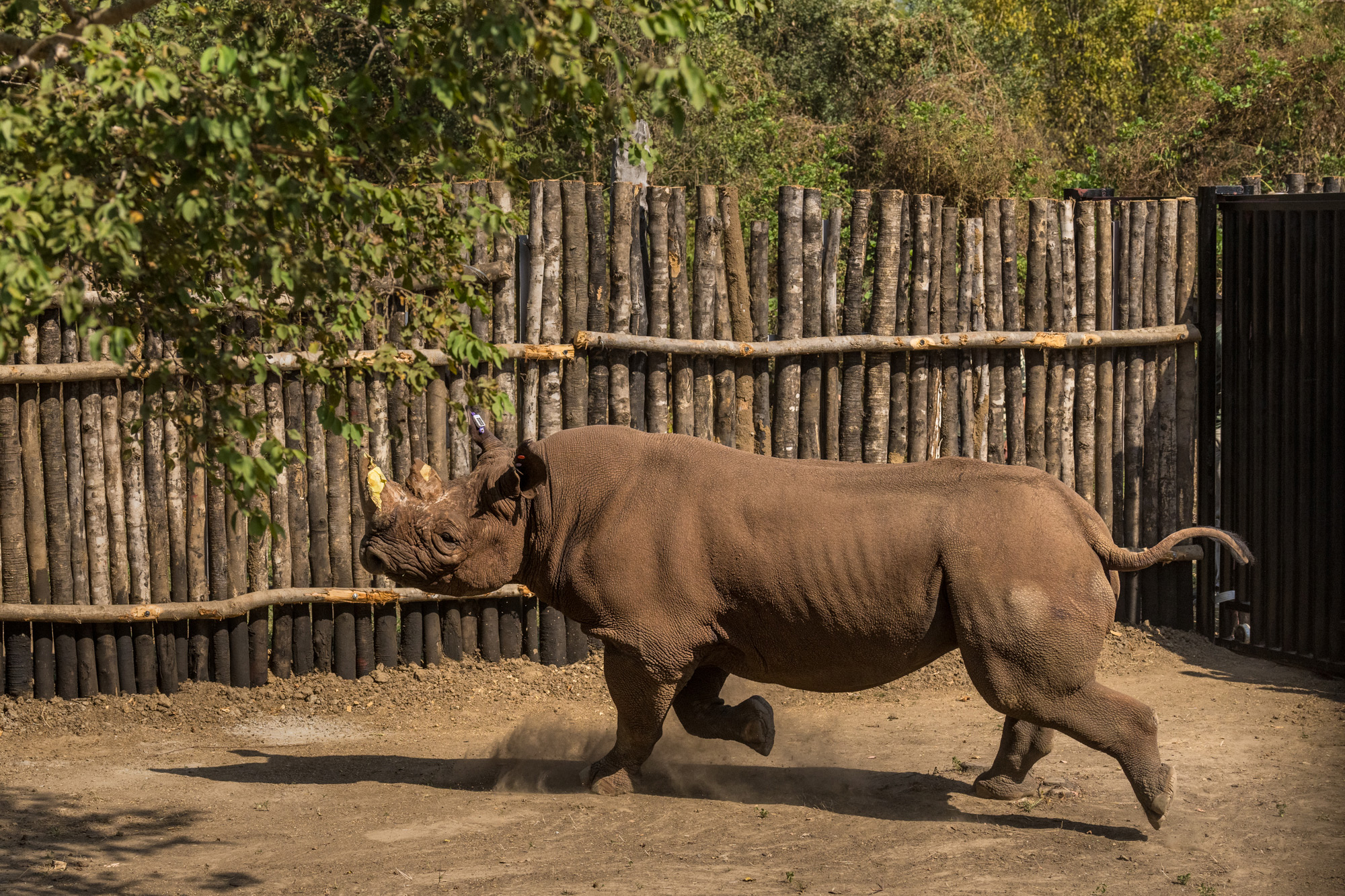 © Marcus Westberg | Sony α1 + FE 70-200mm f/2.8 GM OSS II | 1/4000s @ f/6.3, ISO 1000
In the end, only the last of the females was calm enough for the veterinarian to feel comfortable giving it a try, leaving Marcus with only one attempt to capture a rhino being released. “I'm honestly not sure I could have captured this without a Sony Alpha 1,” Marcus recalls. “The flip-screen, the eye-tracking AF, being able to shoot continuously in burst mode… I’d rather not think about how this would have gone with a less advanced camera."
 © Marcus Westberg | Sony α1 + FE 24-70mm f/2.8 GM II | 1/500s @ f/4.0, ISO 1600
But perhaps what’s most important of all is that Sony’s cameras can work in complete silence. “That really is a game-changer. A noisy shutter would certainly have alarmed the rhinos. I remember tracking black rhinos on foot a few years ago. It took hours to find them, and the bush was thick enough that we could get pretty close. But the shutter scared them immediately. Three shots was all I got before they vanished.”
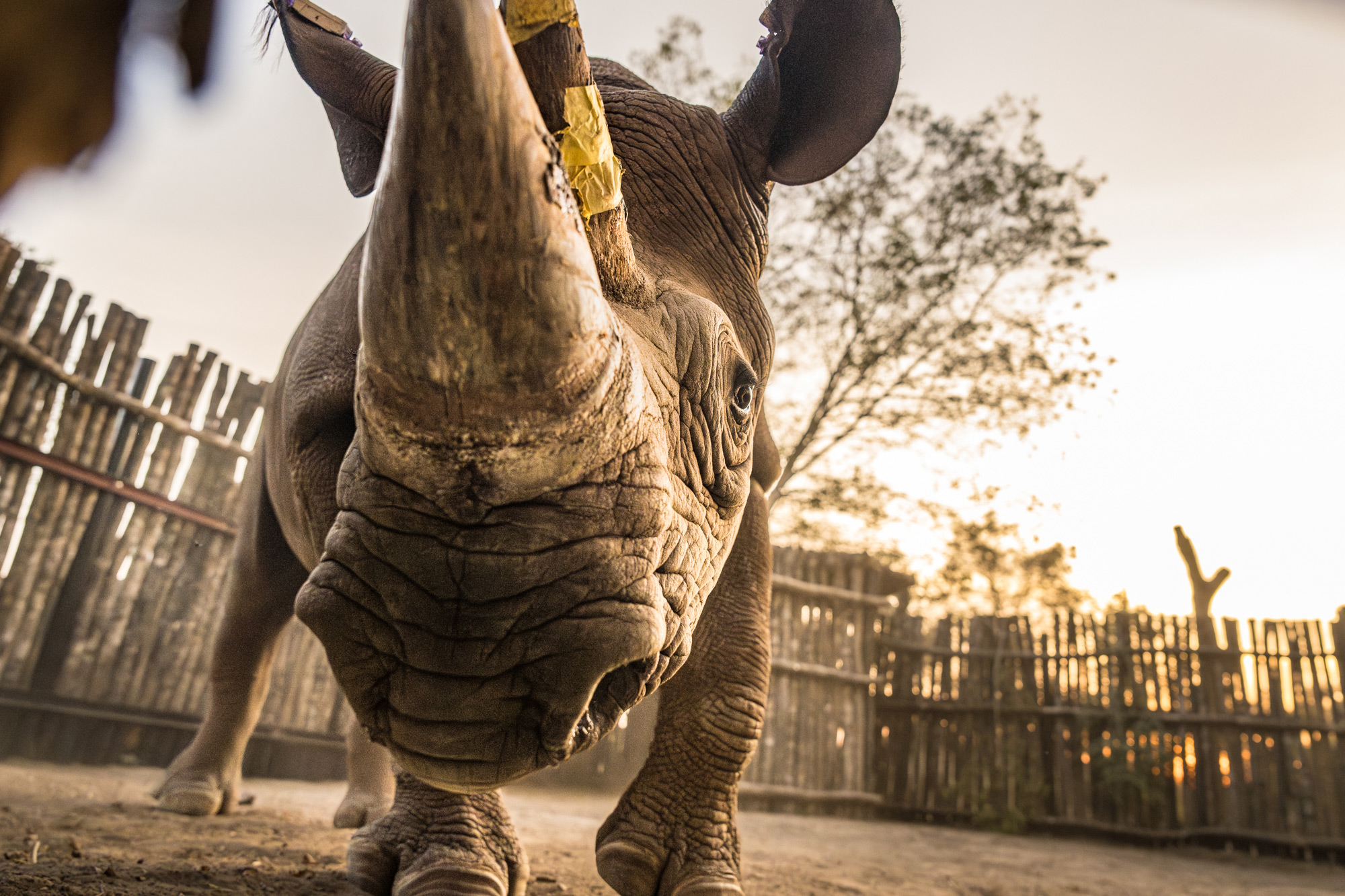 © Marcus Westberg | Sony α1 + FE 24-70mm f/2.8 GM II | 1/1250s @ f/4.0, ISO 2500
For conservation photojournalists like Marcus, size and weight is another big factor. “I work with three Sony Alpha 1s, and as changing lenses during a shoot usually isn’t an option, I’ve got them all on me. For the rhino translocation, I mostly used the FE 12-24mm f/2.8 GM, FE 24-70mm f/2.8 GM II, and FE 70-200mm f/2.8 GM OSS II lenses,” he notes. “Generally, I need equipment that doesn’t weigh me down more than absolutely necessary, especially if I’m to comfortably carry all three cameras at once, while on the move in 40º heat, with no assistant – plus my drone, and a couple of primes in my backpack. For wildlife shoots in the field, add a couple of big telephoto lenses, too.”
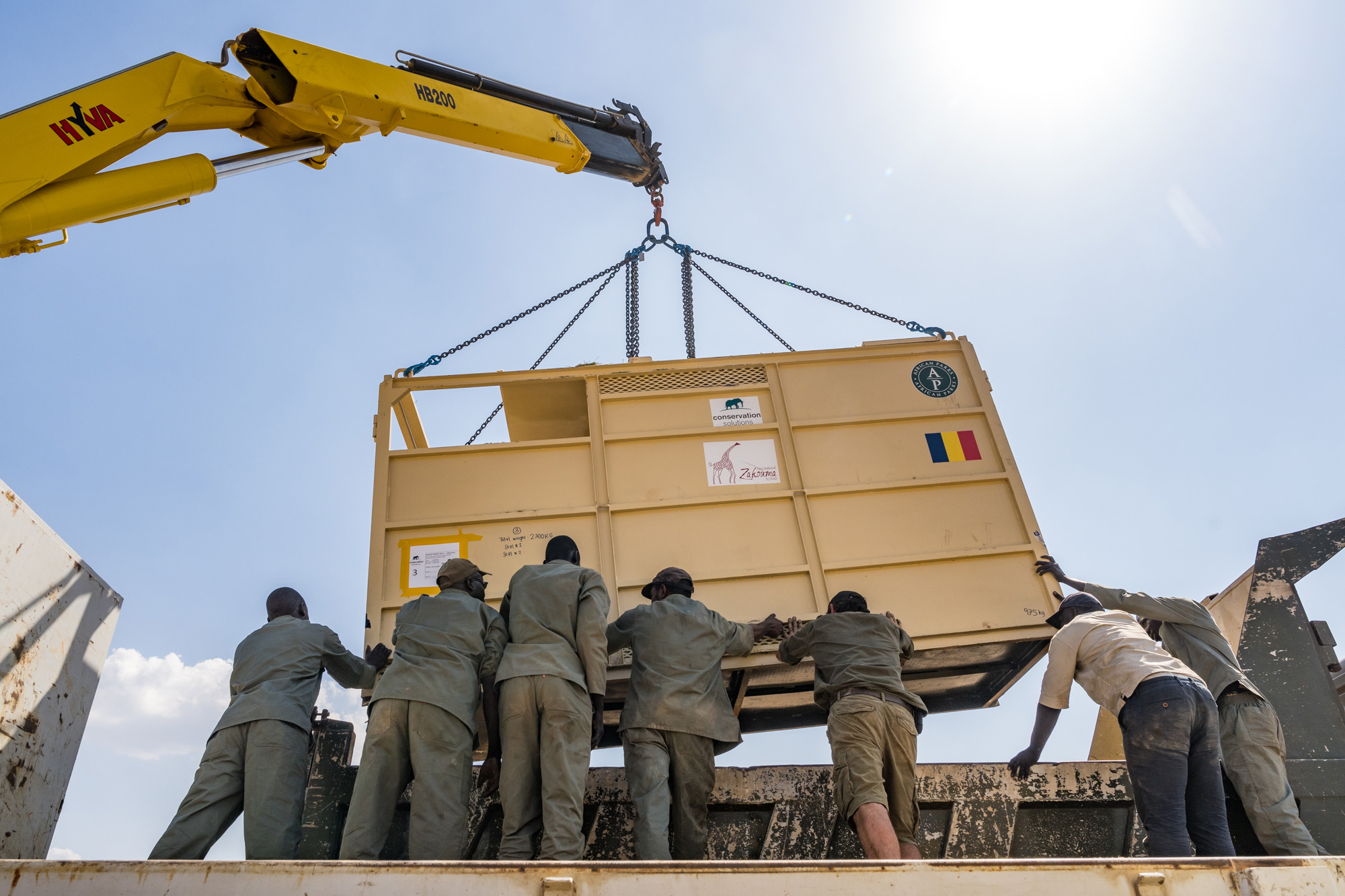 © Marcus Westberg | Sony α1 + FE 24-70mm f/2.8 GM II | 1/640s @ f/10, ISO 400
Capturing moments like this is about more than the satisfaction of walking away from a challenging shoot with strong images, of course. It’s about the use they are put to. “Impactful is definitely the key word,” Marcus notes when asked to reflect on the role of photography to encourage positive change. “Look, we shouldn’t overstate the importance of photography. At this translocation, I’m one part of a massive team effort. But initiatives like this depend on the generosity of donors, and in the world of fundraising, visual material plays a significant role. We need to capture people’s attention.”
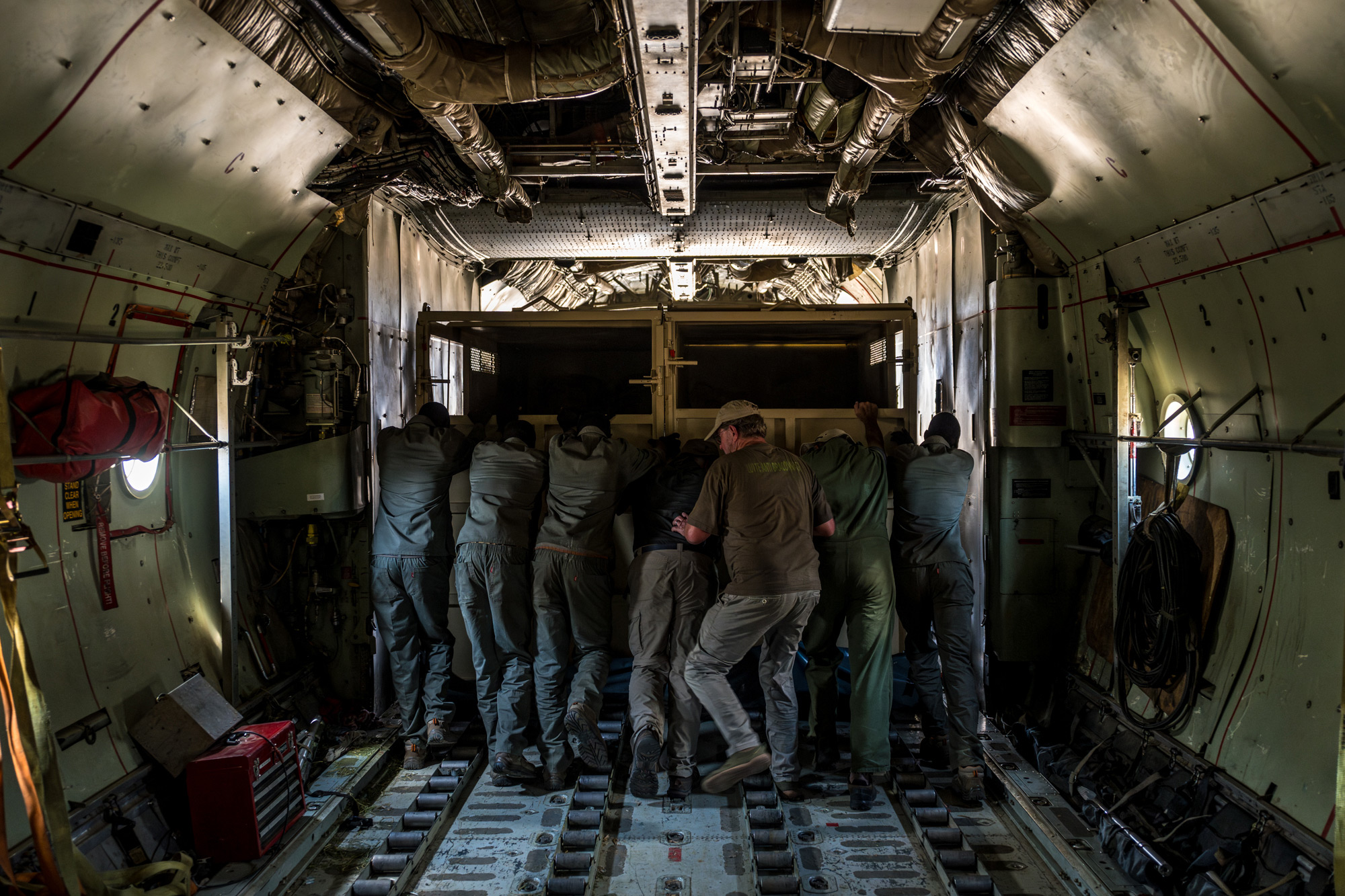 © Marcus Westberg | Sony α1 + FE 24-70mm f/2.8 GM II | 1/640s @ f/5.6, ISO 800
According to Marcus, highlighting initiatives like this can have powerful impacts on local relationships, too. “Countries like Chad don’t get much positive publicity, so it’s important to promote success stories like this when they occur. It encourages pride and support among the local population, which is essential, because the parks can’t protect these animals on their own. The communities are vital for security. Besides, this is their home, after all, and their story. You absolutely want a sense of engagement and ownership at the local level. But most people living around the park won’t ever see these rhinos – they’re shy animals, the park is big, the bush thick – so it’s nice to have material like this to share with them.”
 © Marcus Westberg
This applies on a broader scale, too. “Given the state of the world, I think we can all use a bit of good news,” Marcus reflects. “And photographers like me are very fortunate to be able to contribute, to highlight the efforts of people who are trying to make the world a better place. But in the brief moment when something the world should see unfolds, you really don’t want to be fiddling with uncooperative equipment or worrying that the camera gear can’t keep up with what you’re wanting to capture.


