Creating Meaningful Projects
Natan Dvir
Photography came late for Natan Dvir. At 30, he transitioned from the business world to photography, becoming an editorial photographer and photojournalist before establishing himself as an artist exhibiting in museums and galleries. Today, Natan is the Managing Director of Education at the Houston Centre for Photography, and his work has been featured in leading publications worldwide. Despite his busy schedule, Natan still prioritises personal projects, capturing them with his Sony Alpha 1.
 © Natan Dvir | Sony α1 + FE 16-35mm f/2.8 GM | 1/125s @ f/4.0, ISO 2500
“A project allows you to have intention and create larger conversations” he explains. “You start exploring ideas and situations.” Importantly, Natan feels a project allows photographers to work on their photography: “You have to really analyse your work. What are the ideas you want to discuss within the series and how do you become the storyteller?”
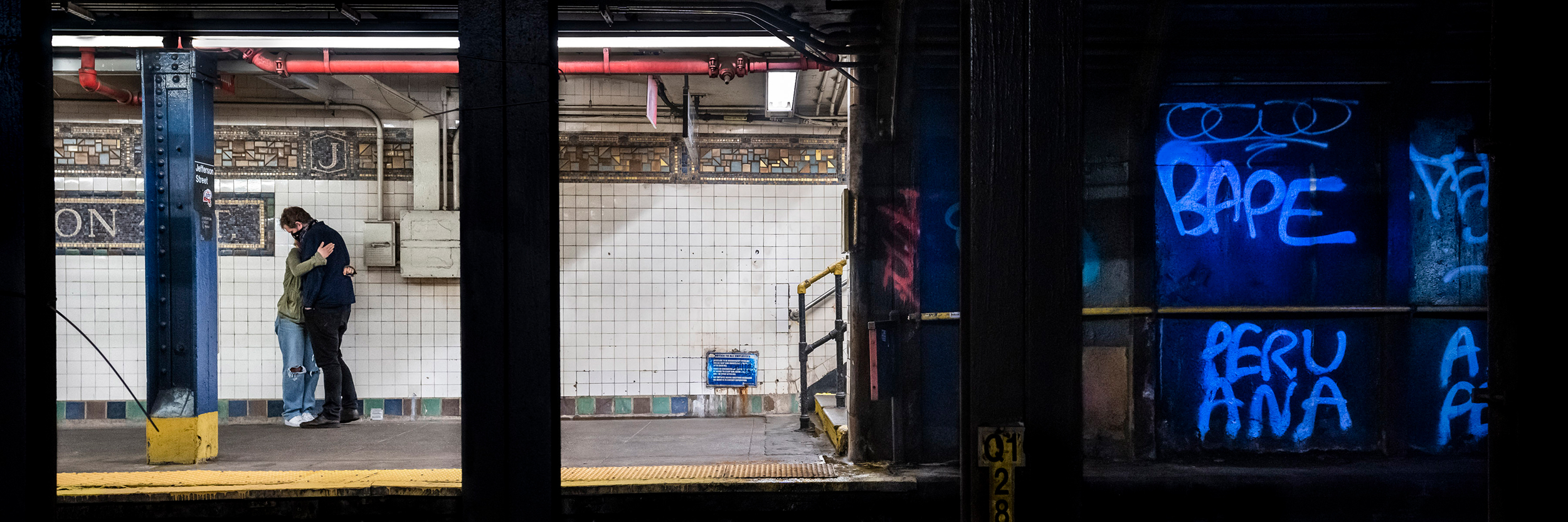 © Natan Dvir | Sony α1 + FE 16-35mm f/2.8 GM | 1/80s @ f/4.5, ISO 3200
Natan’s recent project, Subway Diaries’ builds on his earlier work, ‘Platforms’ (2013-2017). “’Platforms’ explored loneliness in larger cities,” Natan explained, “It was shot with my digital SLR, and when I printed it, I realised the technology’s limitations; noise appeared and sharpness was lost. But using the powerful Alpha 1 was a game changer for ‘Subway Diaries’.”
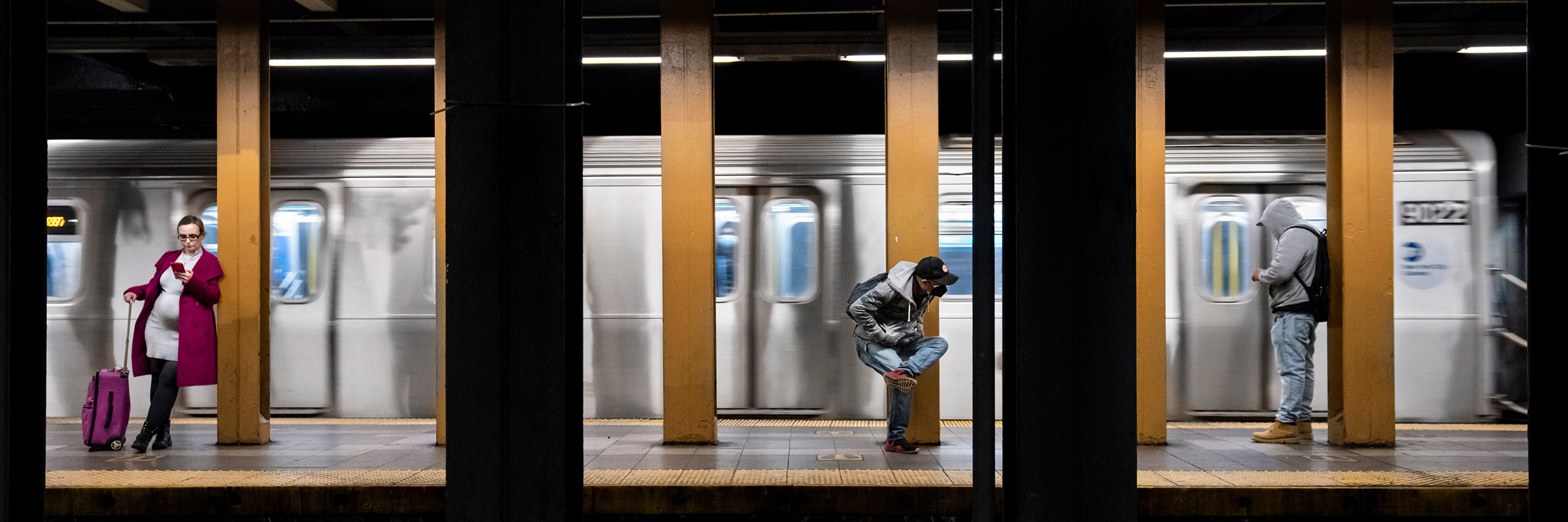 © Natan Dvir | Sony α1 + FE 16-35mm f/2.8 GM | 1/100s @ f/4.0, ISO 3200
When asked about his favourite Alpha 1 feature, Natan struggled to pick just one thing. “It’s a fantastic camera that does everything that I need: high-resolution images, great low-light performance – there’s nothing bad to say about it!” he enthused. “I make use of so many different features. I especially love the large viewfinder and screen, particularly in harsh lighting. There is no lag, and the focus is so smart and fast that I never miss a frame.”
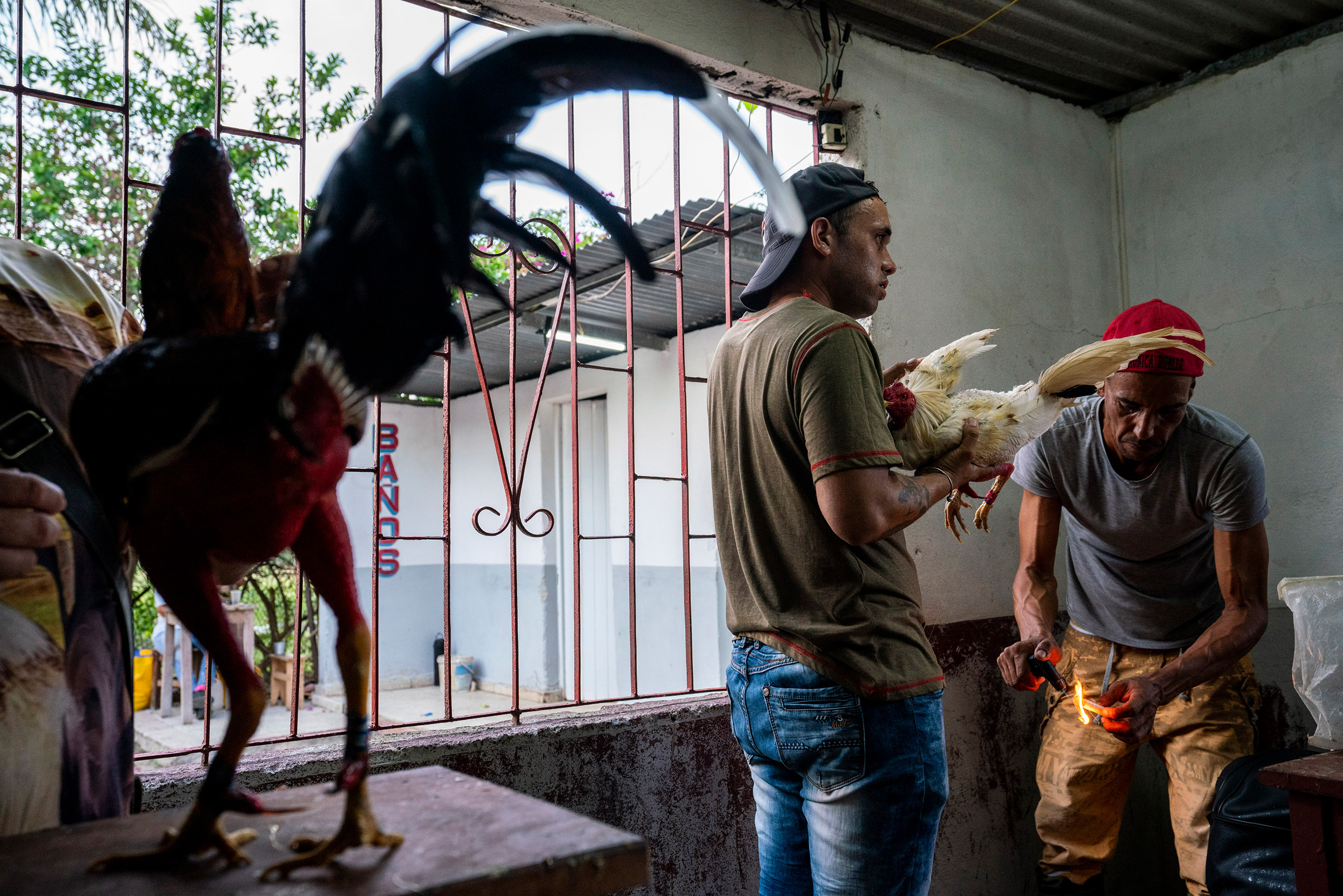 © Natan Dvir | Sony α7R III + FE 16-35mm f/2.8 GM | 1/250s @ f/5.0, ISO 2500
Natan refers to a quote from Robert Capa: “If your pictures aren't good enough, you're not close enough.” This philosophy dictates Natan’s lens choices and is something he adheres to in his projects. “I prefer getting close to my subjects rather than shooting from a distance,” he explains. “I have the Sony FE 16-35mm f/2.8 GM, FE 70-200mm f/2.8 GM OSS, and the FE 24mm f/1.4 GM lenses, but the FE 24-70mm f/2.8 GM II is my favourite lens because it gives the right balance for the situations I'm photographing, particularly in terms of preferred shooting distances.”
He adds, “The 16-35mm can be valuable when I need to get close and shoot a whole scene, but I generally prefer to use the 24-70mm and take a step backwards. The 24mm is great for low-light conditions, and the 70-200mm is my go-to for commercial photography and portraiture.”
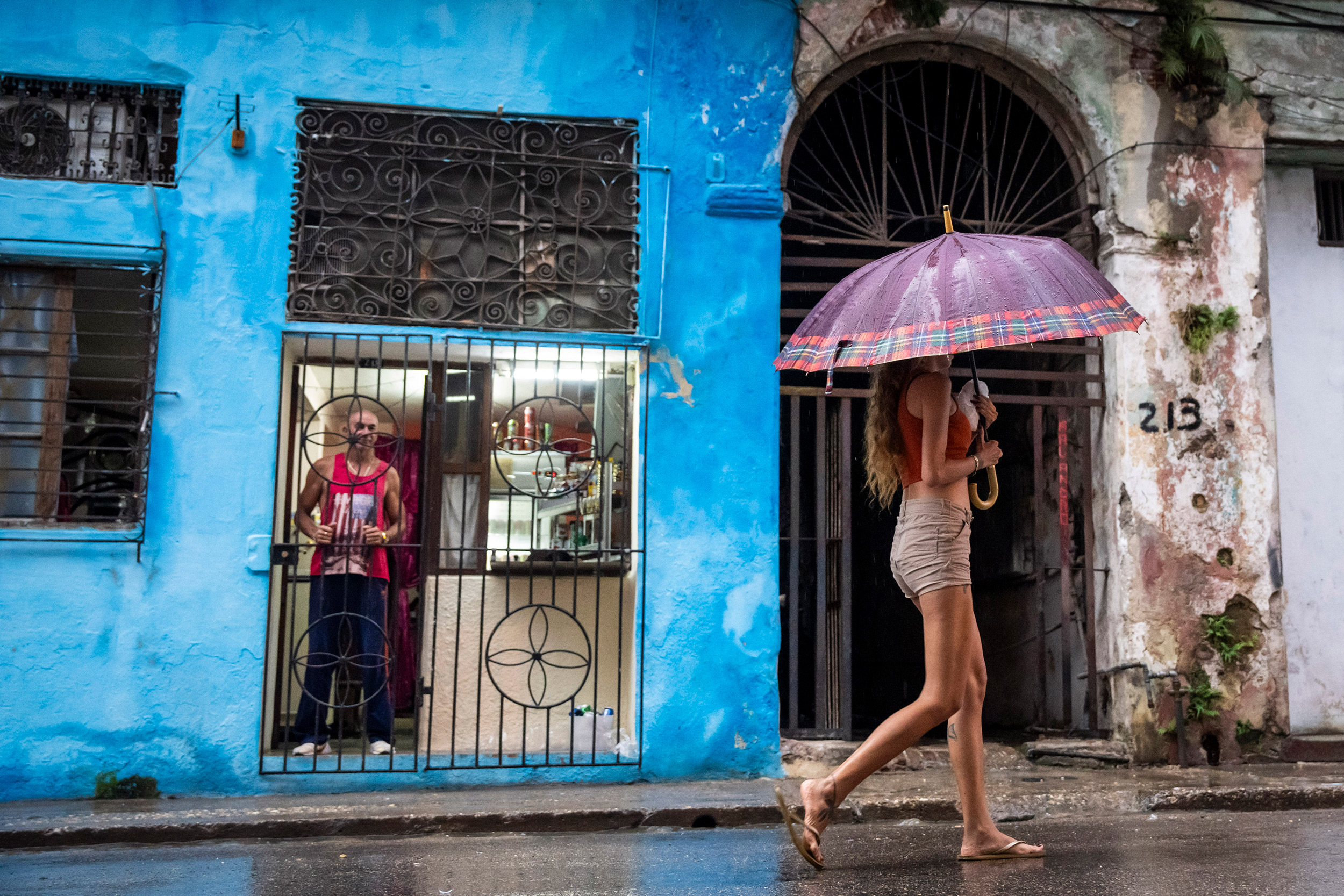 © Natan Dvir | Sony α1 + FE 24-70mm f/2.8 GM II | 1/320s @ f/3.5, ISO 5000
As part of his work, Natan also leads photography tours globally, shunning the tourist hotspots to reveal a place’s true stories, characters and essence. On a recent trip to Cuba, he deliberately avoided the classic cars and other cliches. “There were special moments in Cuba. There is a shot of a lady walking down the street with an umbrella and I anticipated the scene that might unfold. But you still have to get the shot.” With the Alpha 1, Natan captured the image, and his project spotlighted the real stories of Cuba.
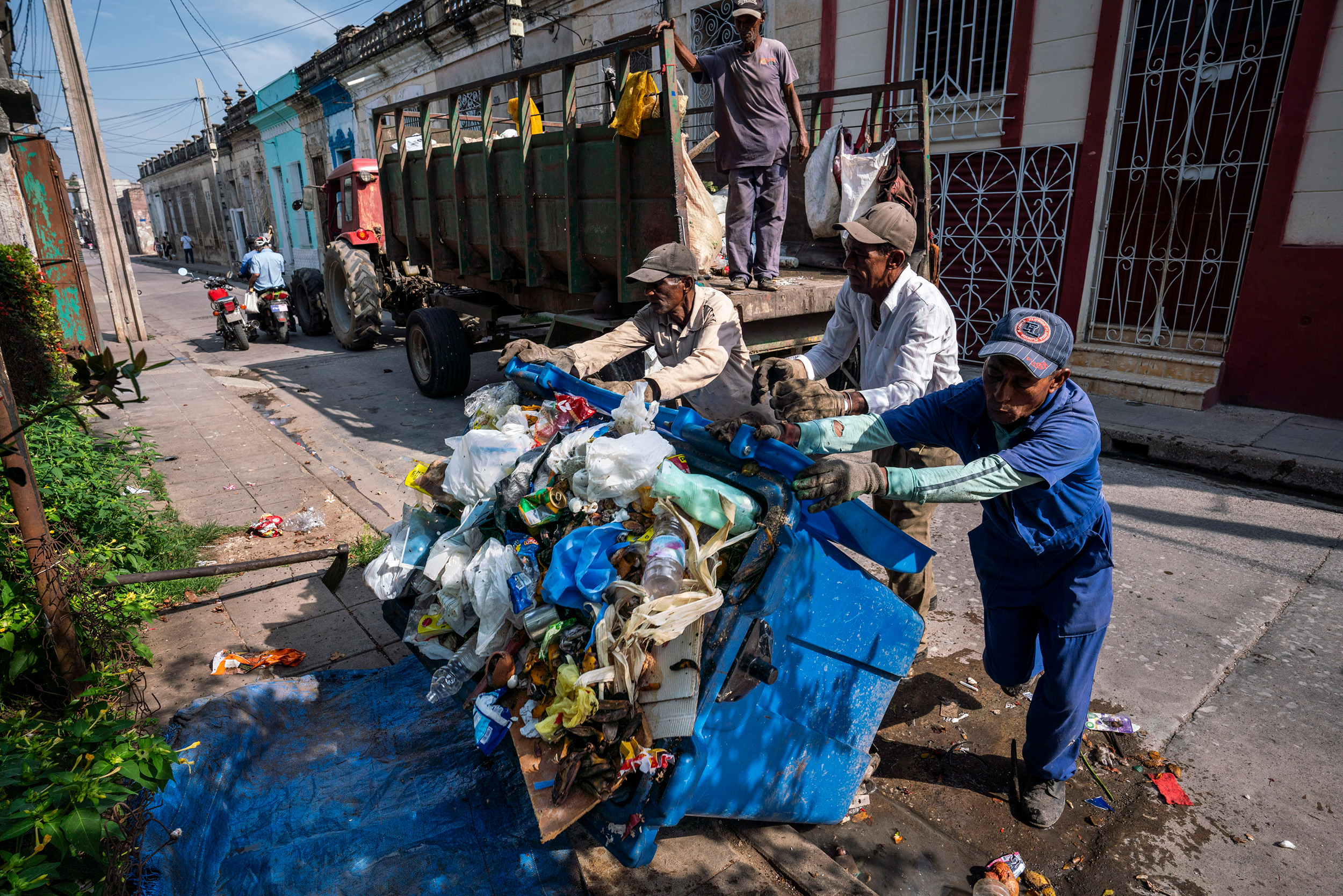 © Natan Dvir | Sony α7R III + FE 16-35mm f/2.8 GM | 1/640s @ f/8.0, ISO 200
“One shot shows guys loading rubbish onto a tarp before loading it into a garbage truck. It’s a disgusting job, but they do it with a smile on their faces. The photo series tells a story, and you understand the poverty that exists there and people’s daily lives in a different way.”
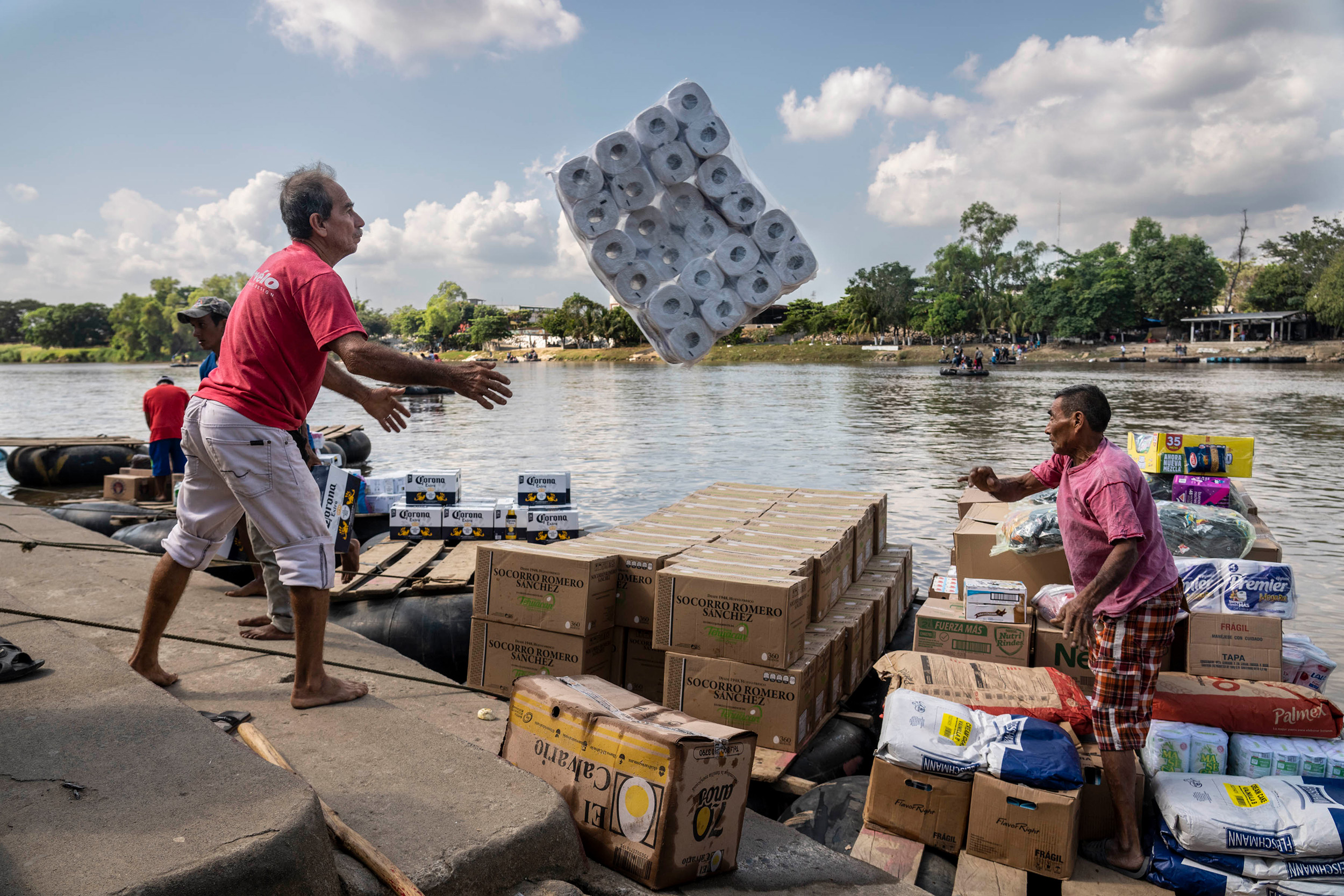 © Natan Dvir | Sony α1 + FE 24-105mm f/4 G OSS | 1/640s @ f/6.3, ISO 200
More stories were to be told when Natan visited an illegal border crossing between Mexico and Guatemala. “We spent a few hours taking photos on both sides of the crossing, witnessing people and produce being smuggled across the river. Before taking photos, I spent 15 minutes observing, just trying to understand the situation, asking myself, ‘What are the main parts of this story?”
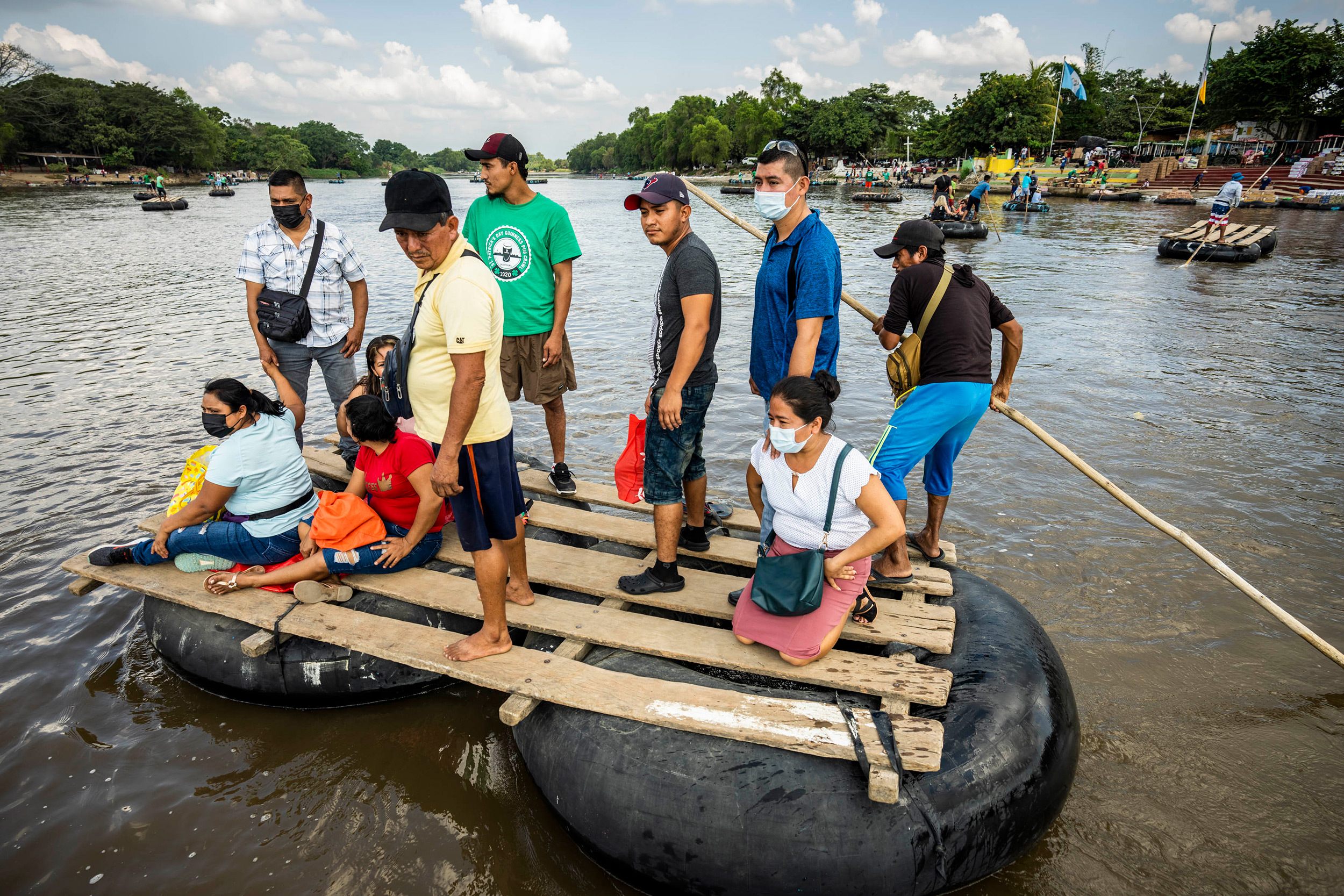 © Natan Dvir | Sony α1 + FE 16-35mm f/2.8 GM | 1/320s @ f/4.5, ISO 160
In Todos Santos, a small village in Guatemala, the Indigenous people wear distinctive outfits: men wear striped trousers and white shirts, and the women often wear red. Rather than simply photographing individual portraits, Natan sought to tell a deeper story.
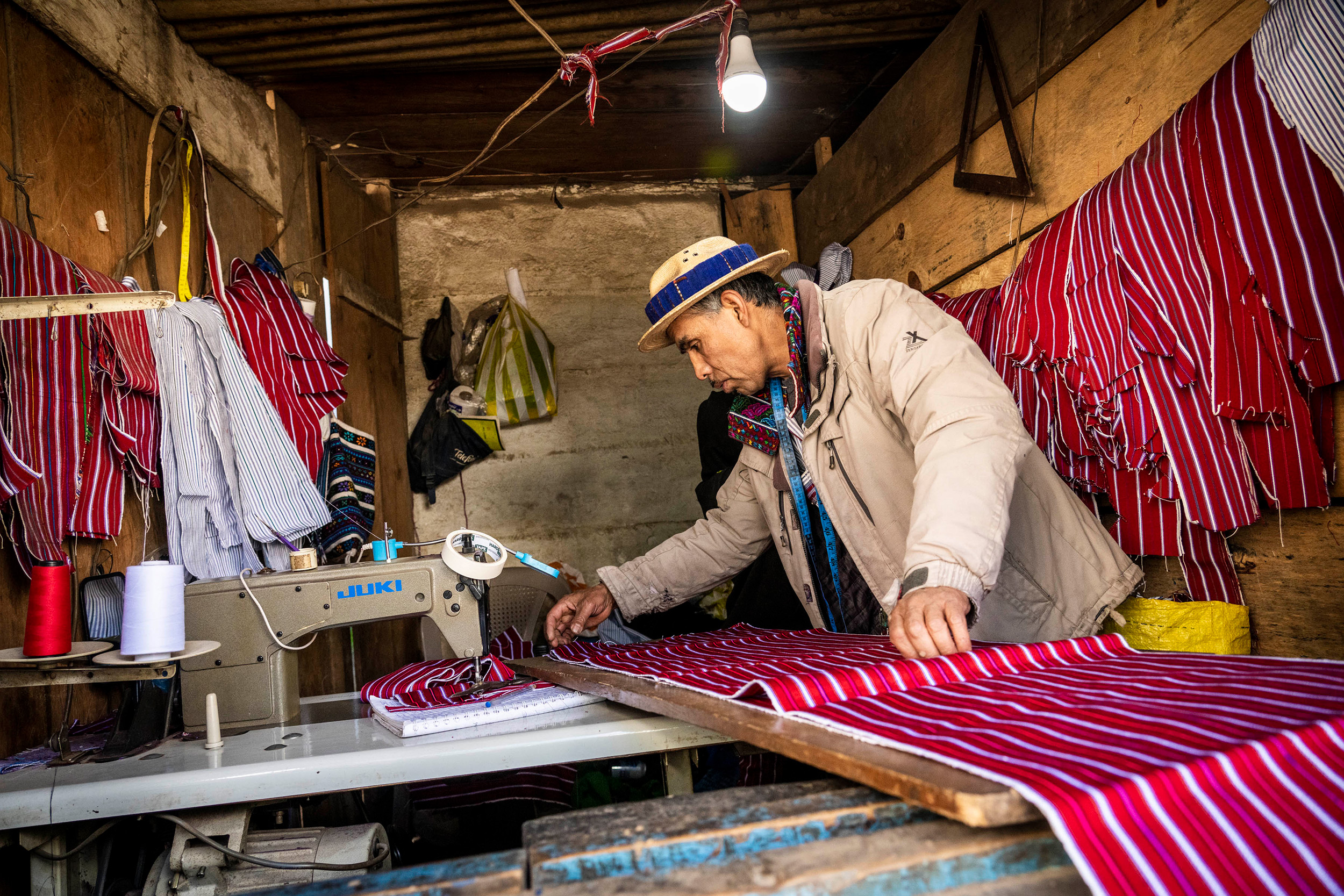 © Natan Dvir | Sony α1 + FE 24-105mm f/4 G OSS | 1/400s @ f/4.5, ISO 1600
“Not only do I want to show the daily life of those who wear these clothes,” he explains, “but also the tailors and the markets where the fabric is sold, because that is part of the story behind the clothes.”
Armed with his Sony Alpha 1 and G Master lenses, Natan creates a body of work that tells a story beyond a single image, I like to explore different cultural, social, and political phenomena,” he says.
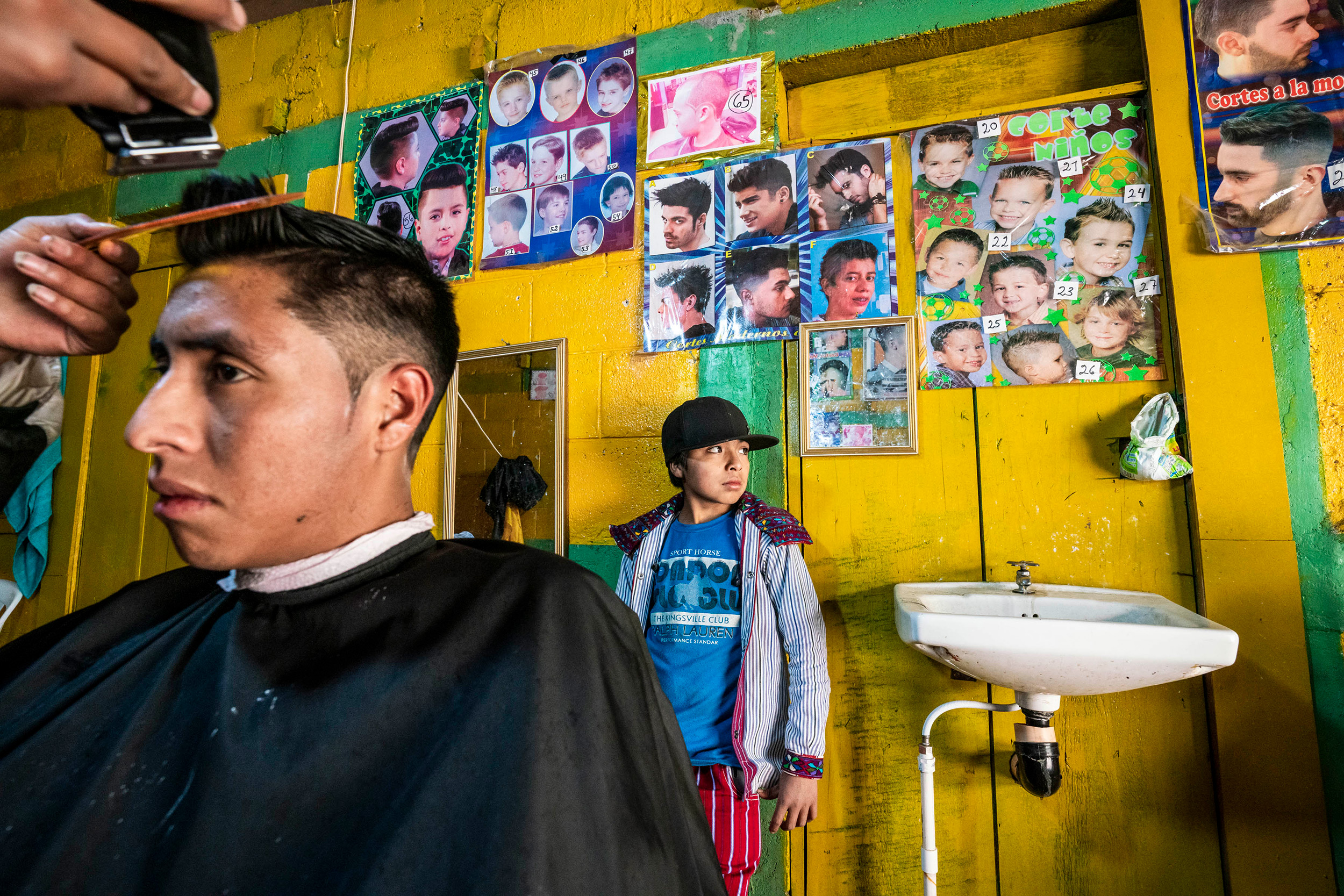 © Natan Dvir | Sony α7R III + FE 16-35mm f/2.8 GM | 1/200s @ f/7.1, ISO 2500
“Some moments make great individual photos, but you don’t understand the whole story from just one.” He adds, “Combining the pictures creates a different impression, a complete experience of what is happening.”
Featured products


Natan Dvir | Israel
"Being a photographer is not what I do, it's who I am"


