
Wildlife to the Limits
Antonio Liebana
Wildlife photographer Antonio Liebana has probably taken more photos with the Sony Alpha 7 V than anybody else. “Since November, I have been using the camera to its full capacity. It’s been with me to the Masai Mara, Kenya, where I spent 15 days, shooting 4,000-5,000 images a day using only a single battery. To Kerkini, Greece, in search of the Dalmatian pelican, and to Peñalajo, Spain, where I spent days in an Iberian Lynx hide.”
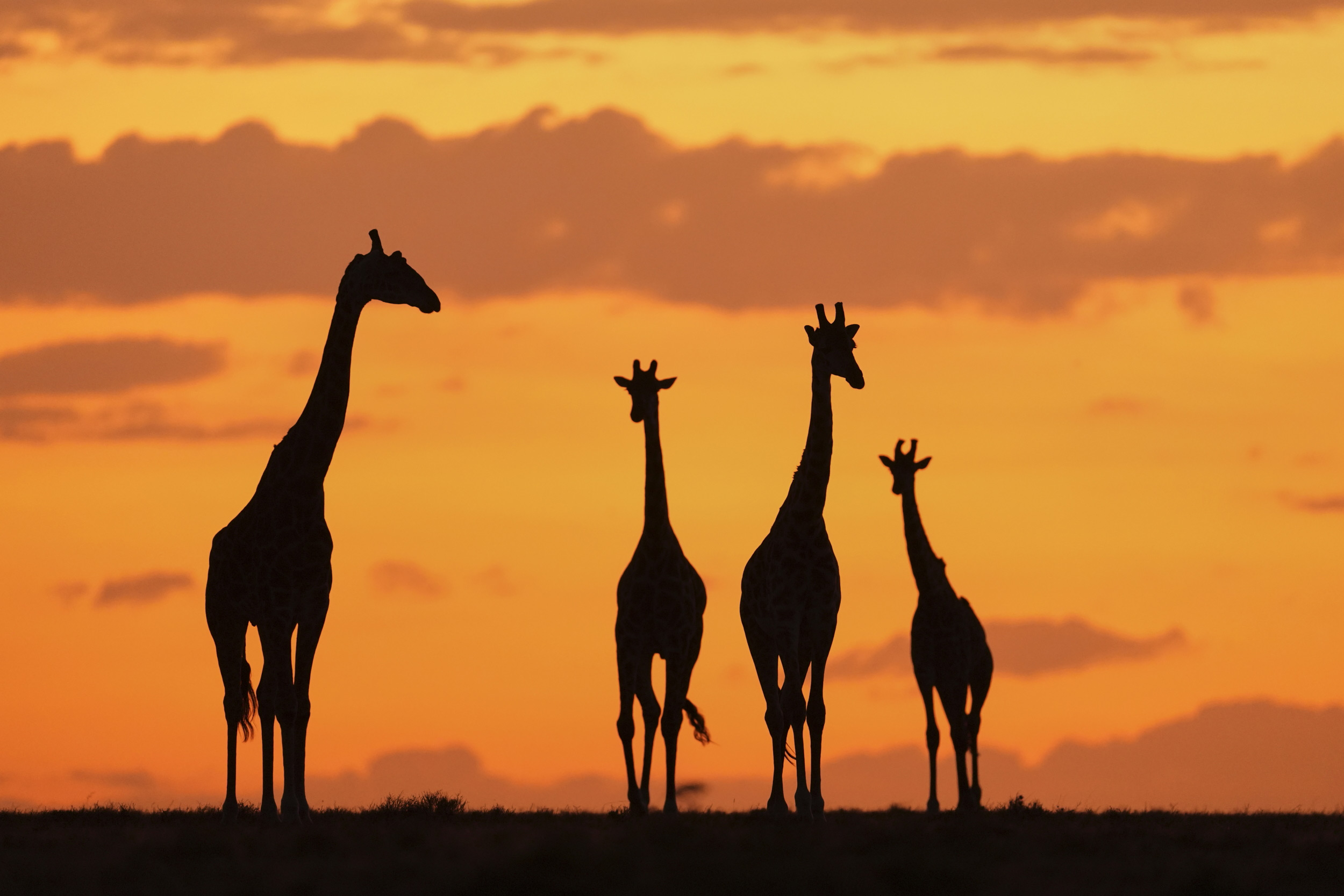 © Antonio Liebana| Sony α7 V + FE 600mm f/4 GM OSS | 1/100s @ f/4.0, ISO 3200
Antonio has shot more than 130,000 images with the camera, taking it to the limits of its capabilities. “I have tested it in warm, hot and dry, humid and cold, snowy environments. My goal was to push all the equipment to the limits to see how well the camera performed.”
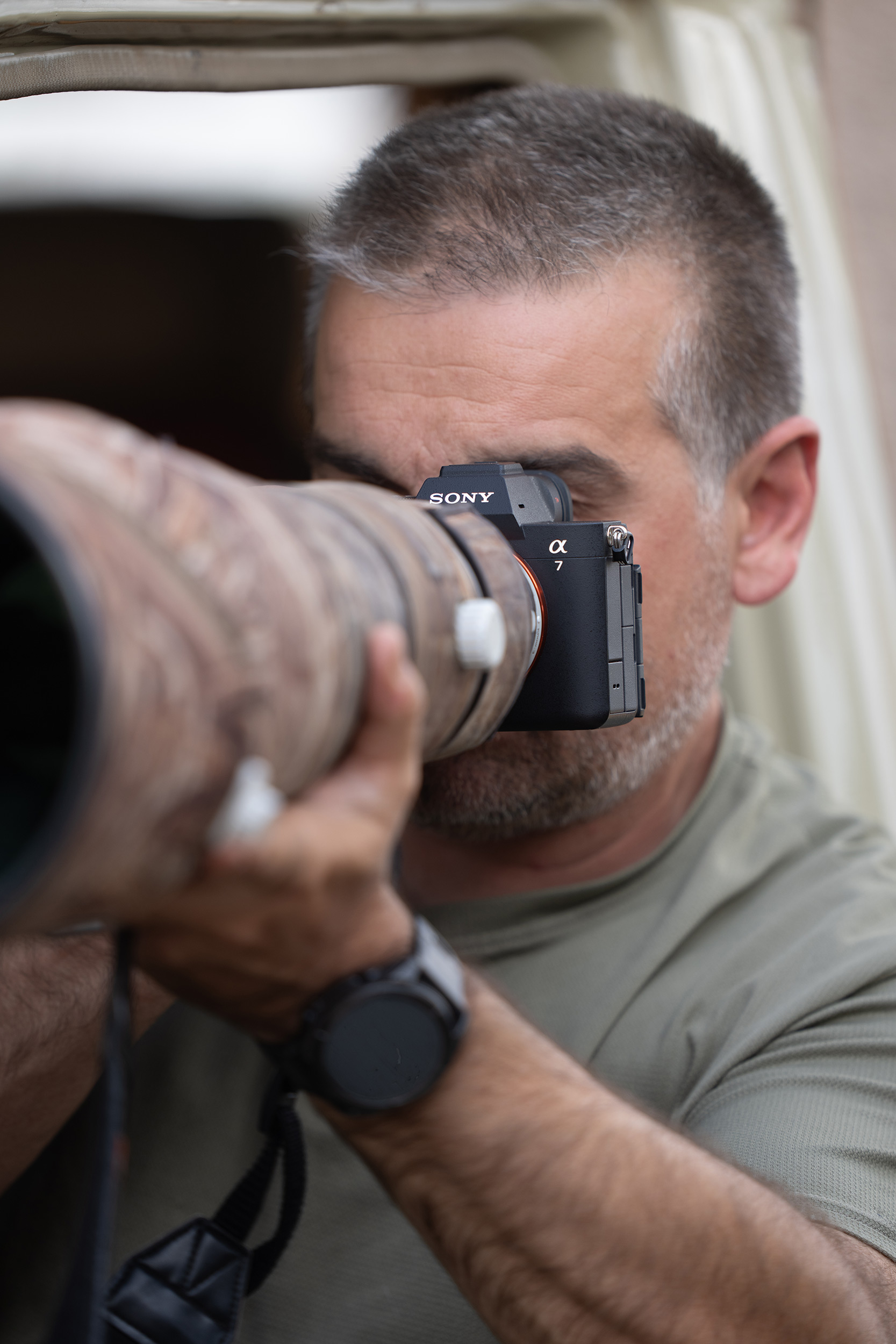 © Antonio Liebana
The Sony Alpha 7 V performed exceptionally well, with the images Antonio shot now used in books, magazines, and photographic exhibitions. “The final results couldn't be more satisfying. In a current photographic exhibition in Madrid, I've produced prints measuring 2.10 meters on the longest side with truly amazing results. Similarly, in my latest book, images of safaris and pelicans were perfectly captured by the Sony Alpha 7 V’s 33 megapixel 14-bit colour, a welcome feature given the colour depth you're looking for when seeking quality in your prints.”
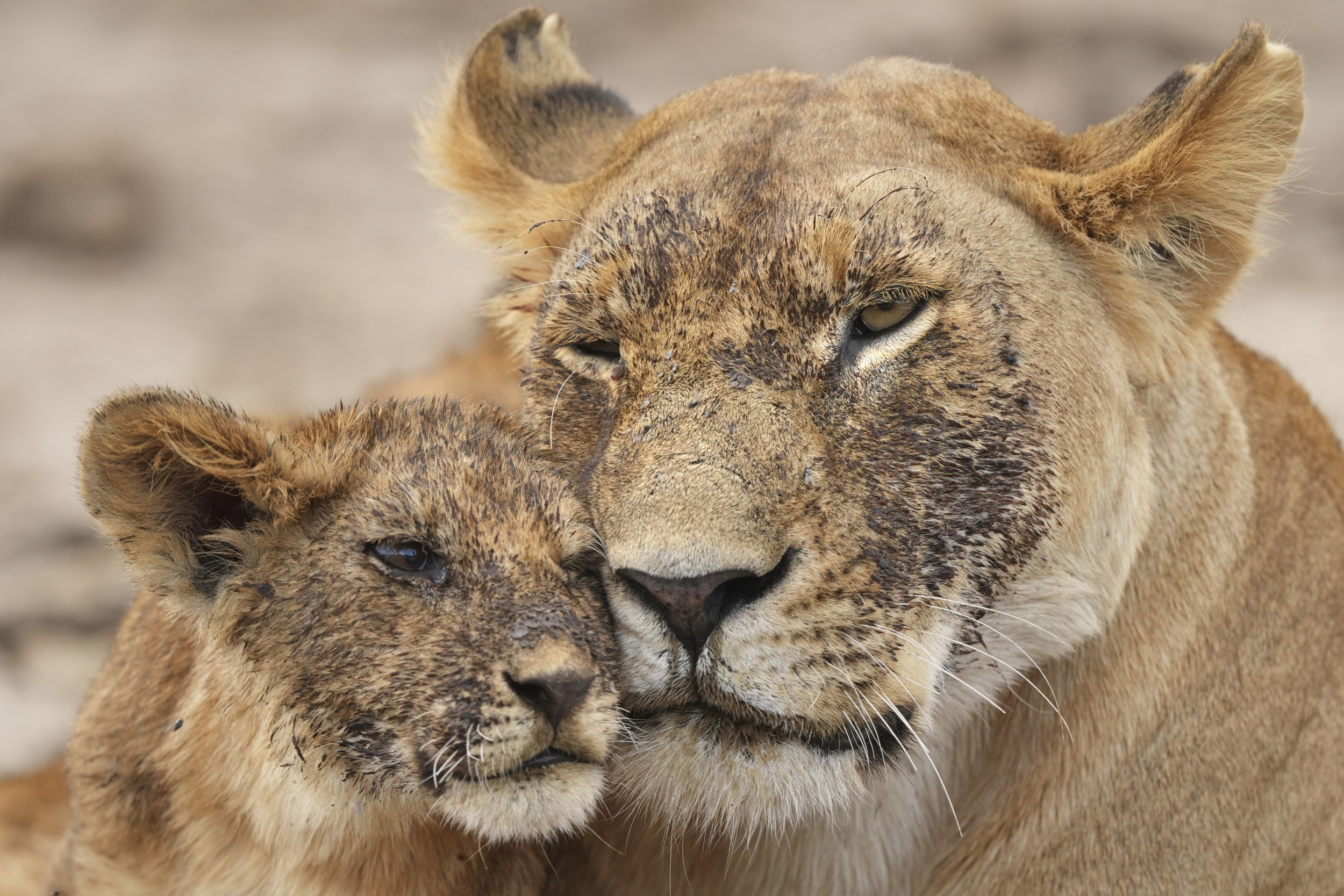 © Antonio Liebana| Sony α7 V + FE 600mm f/4 GM OSS + 1.4x Teleconverter| 1/500s @ f/5.6, ISO 1600
For over 30 years, Antonio has travelled the world taking wildlife images. The Spanish photographers' work also has a purpose, helping to inform the public about the importance of wildlife and their habitats. Over the years, Antonio has worked on campaigns for the WWF (World Wildlife Fund) and other conservation projects, including one in Peñalajo, Ciudad Real, Spain, which concentrates on the Iberian Lynx.
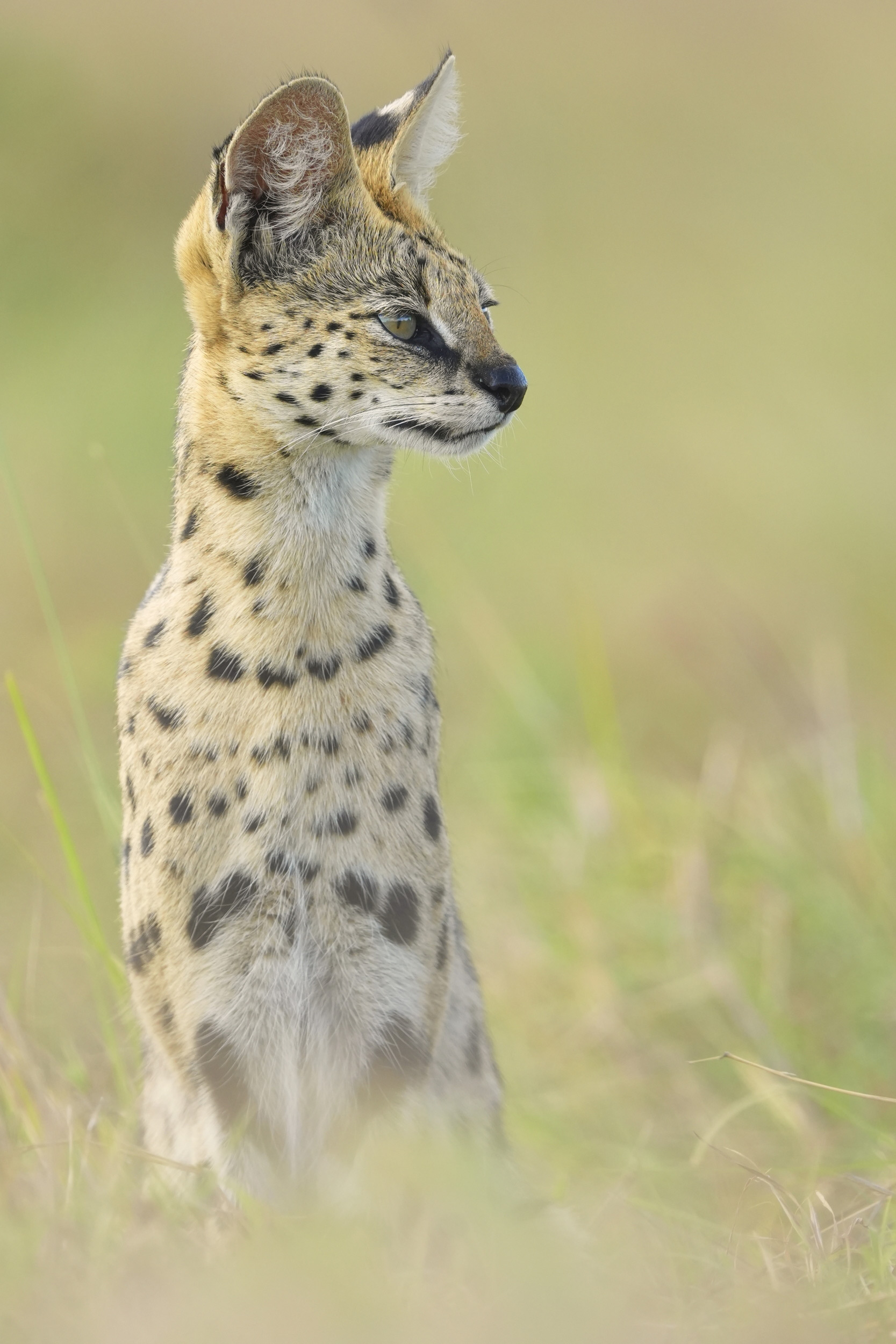 © Antonio Liebana| Sony α7 V + FE 600mm f/4 GM OSS + 1.4x Teleconverter| 1/1000s @ f/5.6, ISO 1250
Peñalajo provided Antonios favourite images of the thousands he shot with the Alpha 7 V. “As the Technical Director of Peñalajo, it’s a real pleasure to see how the lynx cubs I saw two years ago, timidly approaching the waterholes, are now adults. Like Vigo, a beautiful two-year-old male who has settled in the hide area and will surely be the father of a new litter this year.”
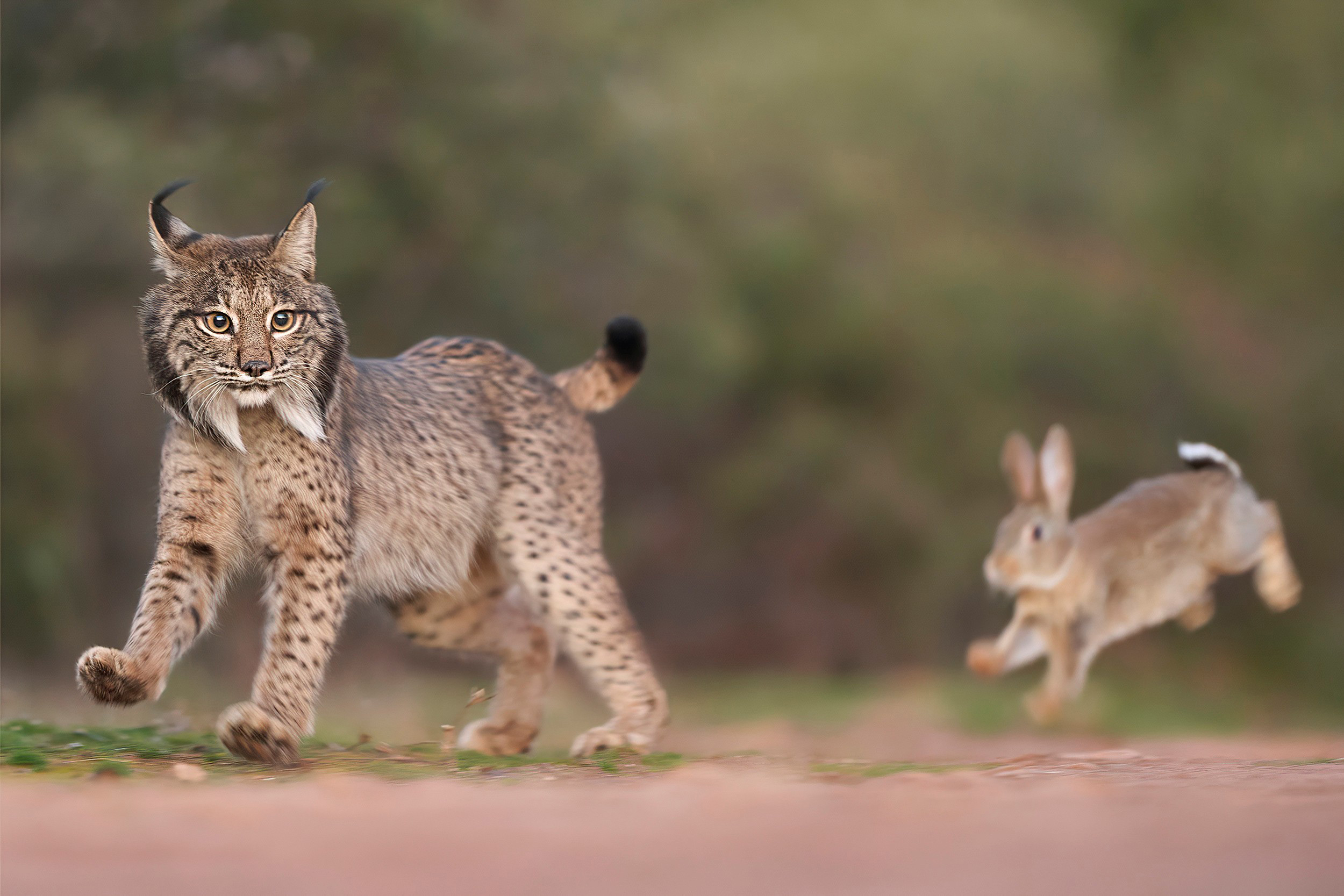 © Antonio Liebana| Sony α7 V + FE 400mm f/2.8 GM OSS | 1/500s @ f/2.8, ISO 1600
Watching through the viewfinder from the concealment of a hide, Antonio was photographing Vigo when a rabbit suddenly leapt right in front of the cat. He instinctively tried to pounce, though without success. Being able to shoot at 30fps with the Alpha 7 V is invaluable in moments like this where every frame counts.
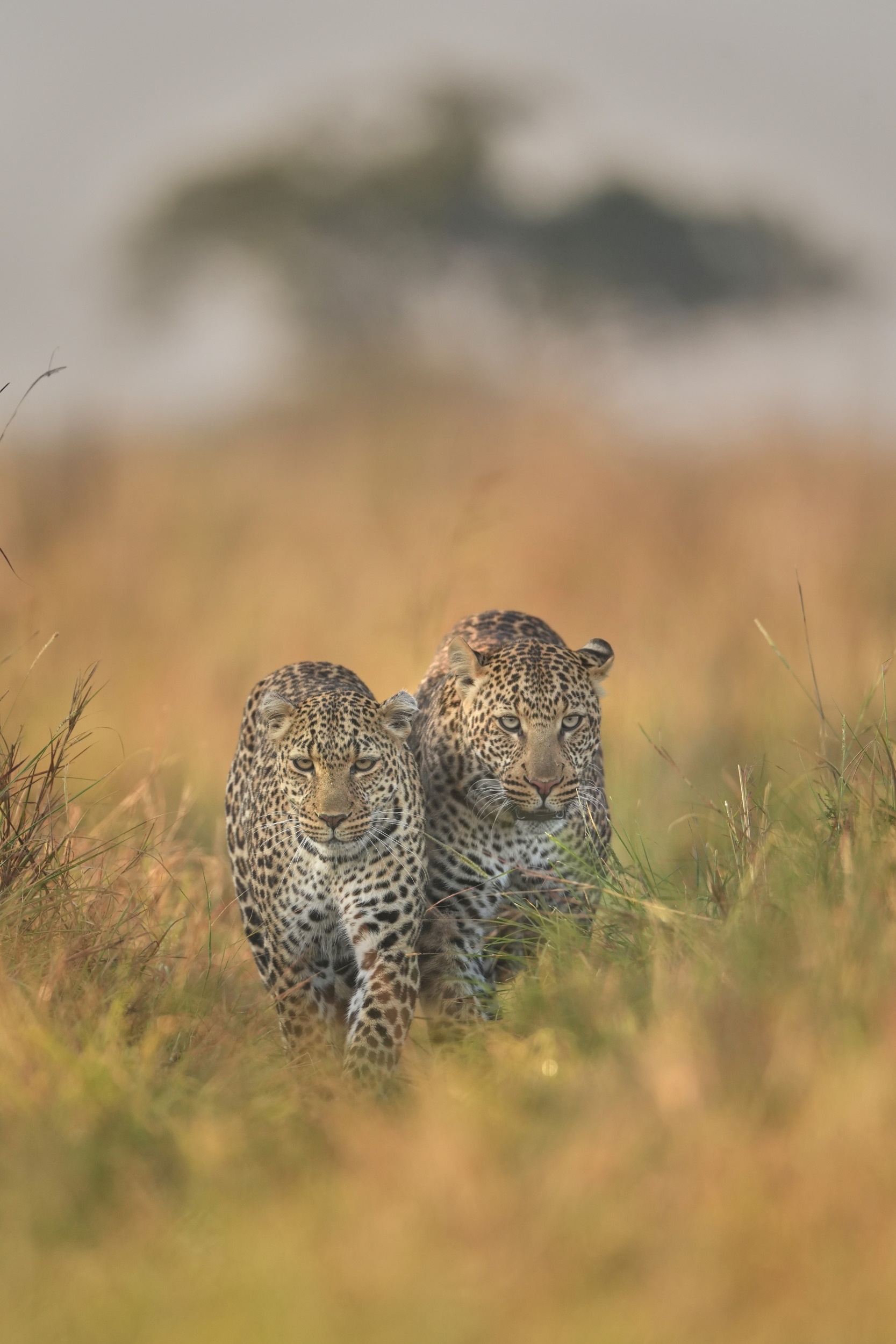 © Antonio Liebana| Sony α7 V + FE 400mm f/2.8 GM OSS | 1/4000s @ f/4.0, ISO 1600
Most of the time, Antonio would be using his class-leading Sony Alpha 1 II. But in many ways, the Sony Alpha 7 V can match its performance. “The autofocus of the Alpha 7 V is closer to the Alpha 1 II than any other camera I have tested, making it a real pleasure to work with. It is virtually flawless thanks to its AI systems. Even with species like leopards, whose ocelli - the pattern on their ears that looks like eyes - can be problematic for many detection systems.”
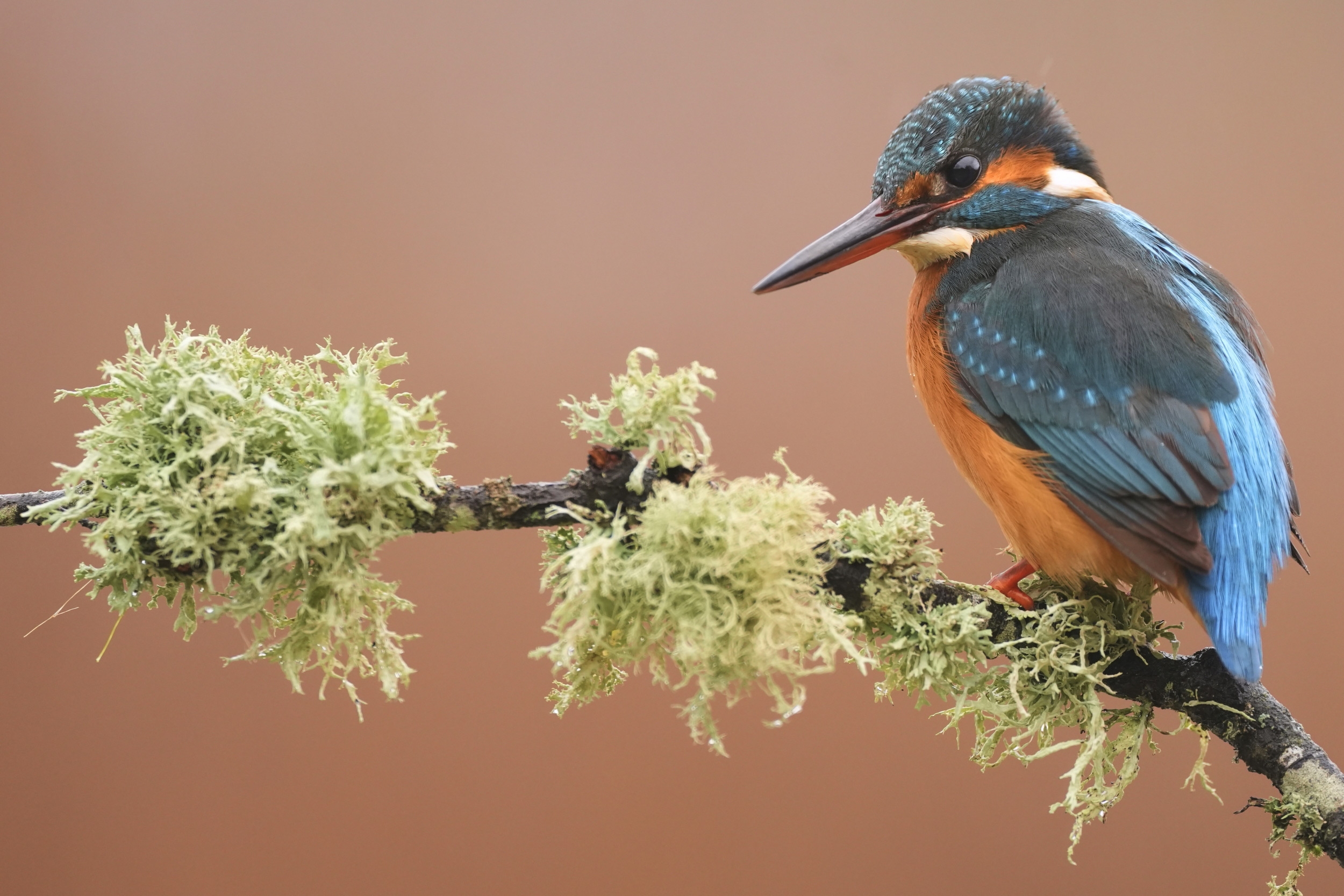 © Antonio Liebana| Sony α7 V + FE 600mm f/4 GM OSS | 1/500s @ f/4.0, ISO 1600
Over his time with the camera, Antonio shot with a range of elite telephoto lenses, including the FE 600mm f/4 GM OSS, FE 400mm f/2.8 GM OSS, FE 300mm f/2.8 GM OSS, and the FE 50-150mm f/2 GM. “Thanks to the processor, the Sony Alpha 7 V is a much faster camera; start-up time, focus acquisition, tracking fps, pre-capture, and more. I wanted to test all these features with the most demanding lenses; achieving lightning-fast focus when shooting at f/2.8 or even f/2 is very different to f/6.3 - the shallower the depth of field, the less margin of error there is.”
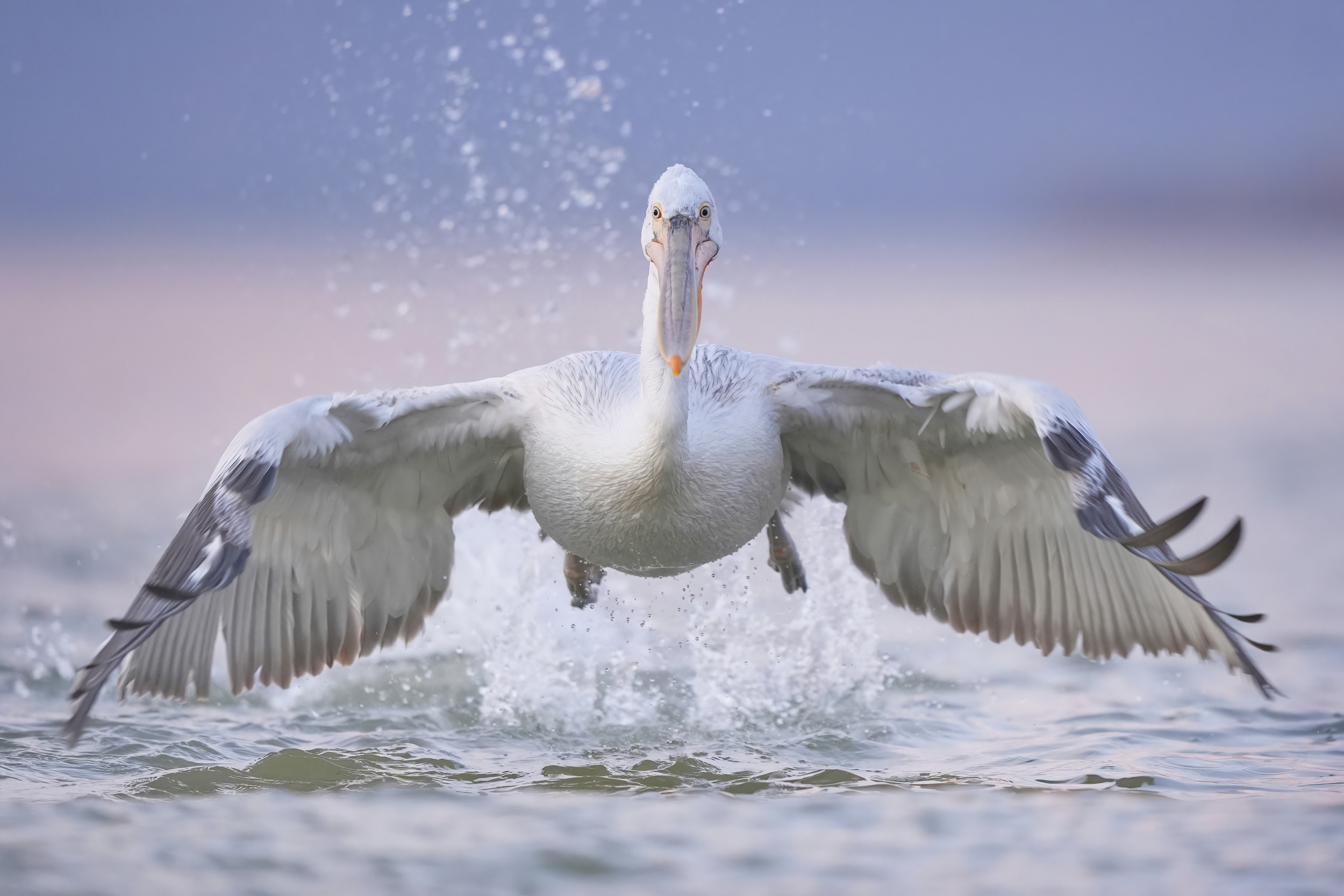 © Antonio Liebana| Sony α7 V + FE 400mm f/2.8 GM OSS | 1/1250s @ f/2.8, ISO 2500
All the features of the Alpha 7 V work perfectly in sync and combine in ways that allow Antonio to get some incredible shots, such as a Dalmatian pelican approaching his camera. “That shot is taken handheld, from a moving boat, where waves were battering the small vessel. The detection system maintained focus whilst I was using SteadyShot stabilisation. The AI recognition fine-tuned the focus on the pelican’s left eye. The bird decides to take flight, and thanks to pre-capture, I have a bit more leeway in case I don’t react in time. From there, the blackout-free viewfinder burst mode lets me see what’s happening at every moment, not a simulated movie of the photos I take. All of this is happening in real time, without delay.”
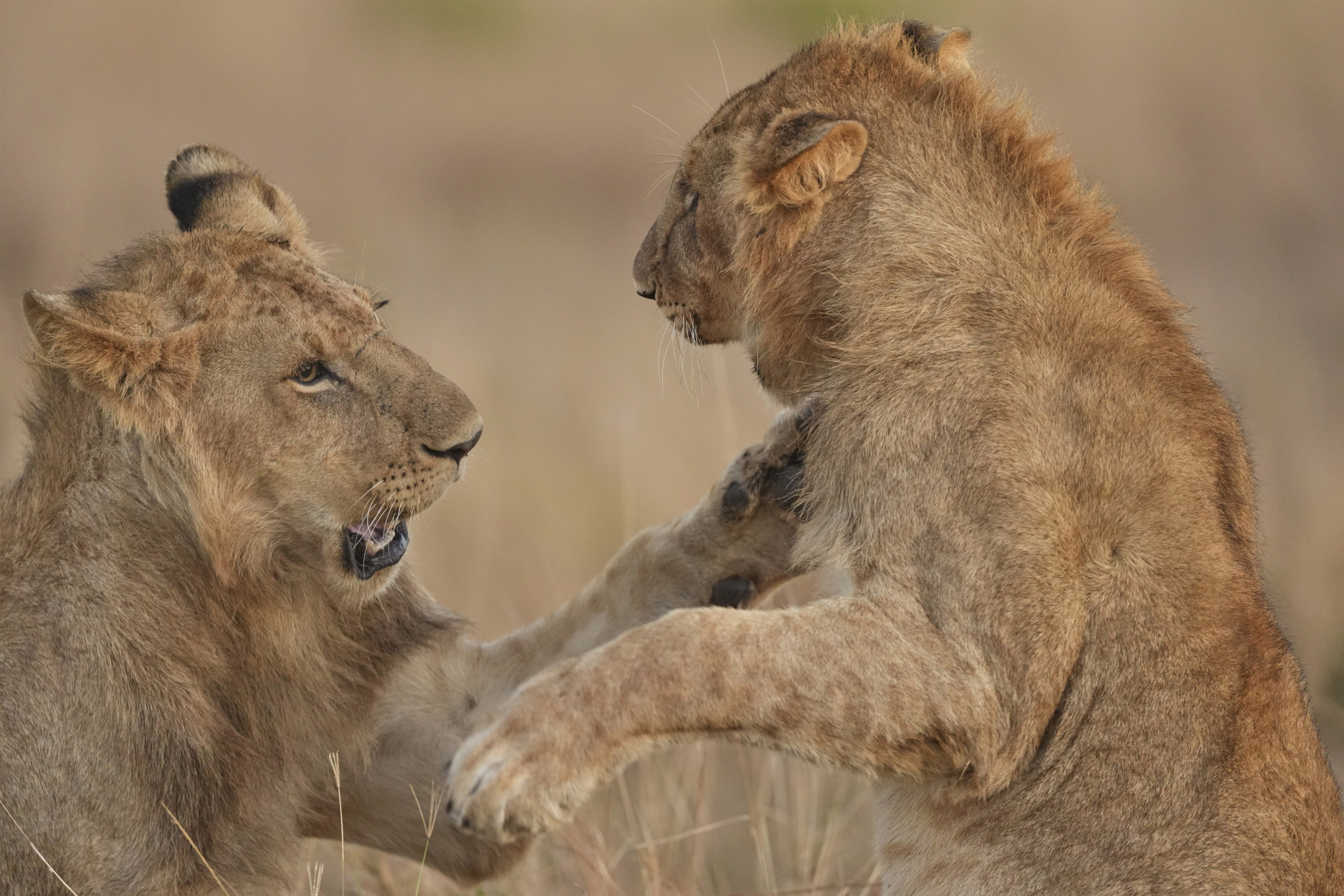 © Antonio Liebana| Sony α7 V + FE 600mm f/4 GM OSS | 1/640s @ f/4.0, ISO 4000
The evolution of the Sony Alpha 7 V has redefined expectations for what a camera in its price bracket should be capable of, with Antonio’s images showing that it can hold its own alongside top-of-the-range professional-level cameras. As Antonio summarises, “Going from 10fps to 30fps is already a huge leap, but if you also add a much-improved autofocus system and an upgraded processor, with the Sony Alpha 7 V you can shoot photos and video with virtually no operational limitations.”


