
A Once-in-a-Lifetime Journey
Andrea Astarita
My name is Andrea Astarita, a travel and lifestyle content creator. My vision is to challenge creative standards and push boundaries everywhere I go.
At the end of last year, my team and I embarked on a five-week expedition to explore Venezuela, following the trail of Mount Roraima, exploring the wildlife in Los Llanos and discovering different shades of blue surrounding Los Roques archipelago, making this a once-in-a-lifetime journey. We were lucky enough to witness some of the most breathtaking landscapes and natural wonders in the world
The journey started at Mount Roraima, which is a flat-topped mountain, typical of the Guyana Shield, with an elevation of about 1,200 meters. It offers incredible views to capture unique landscapes and wildlife, but it is definitely not an easy hike, considering the altitude and steep trails.
My personal mission for this trip was to find the perfect setup that allow me to capture both photo and video in any situation, with no compromise in quality.
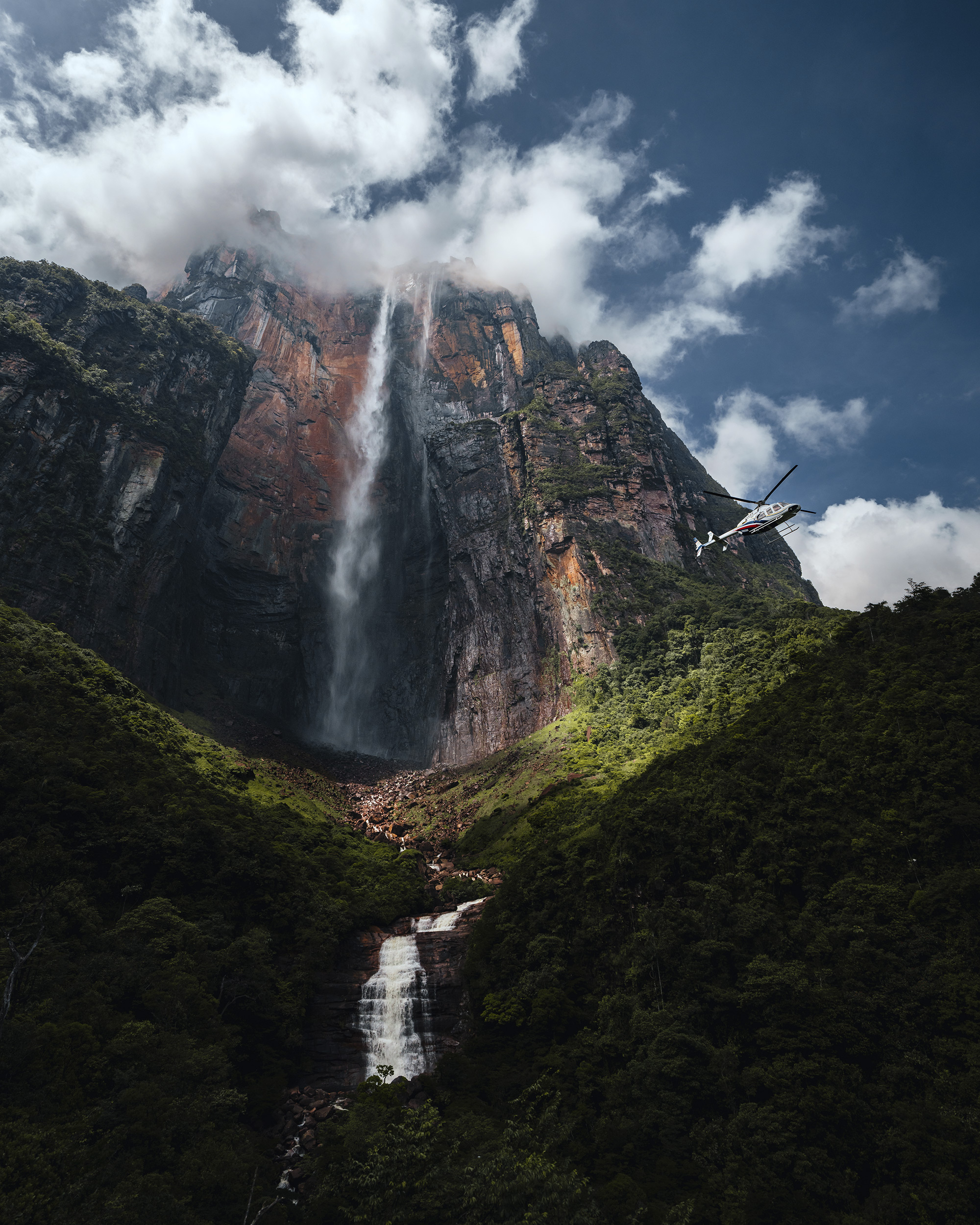 © Andrea Astarita | Sony α7R V + FE 16-35mm f/2.8 GM II | 1/8000s @ f/2.8, ISO 400
The obvious choice was Sony’s crown jewel. I decided to upgrade to the Sony Alpha 1 because of its high-end hybrid capabilities, paired with the second-generation f/2.8 G Master lens trinity: the FE 16-35mm f/2.8 GM II, FE 24-70mm f/2.8 GM II and FE 70-200mm f/2.8 GM OSS II.
I was immediately captivated by the versatility of the Alpha 1. For starters, it allows me to switch from capturing stills at 50.1MP to recording 8K footage in no time. Coming from an Alpha 7R IV, I thought that I would miss those 10 extra megapixels, but to be honest, it’s very hard to notice the difference. When running a one-camera setup, speed is key, so having additional features like a drive mode dial in the camera instead of a menu system it’s a great way to have faster to access and response to the action around.
 © Andrea Astarita | Sony α1 + FE 16-35mm f/2.8 GM II | 1/400s @ f/2.8, ISO 100
I was mostly impressed by the form factor of the lenses, especially of the 24-70mm. Compared to the previous version, this lens feels a lot lighter and compact which means it’s way easier to carry around and takes up less space in my camera bag. For the Mount Roraima expedition, it was very important to have all three Mark II lenses, as saving weight was critical due to the tough road ahead, but also, to cover all key focal lengths to capture all the different views along the way.
The next part or the journey led us to Los Llanos, where I had the opportunity to test the animal eye tracking in a safari. I found it really useful being able to pick between focusing on the right or left eye depending on my preference. The AF speed was extremely fast and accurate in tough situations, allowing me to capture the exact shot I have envisioned.
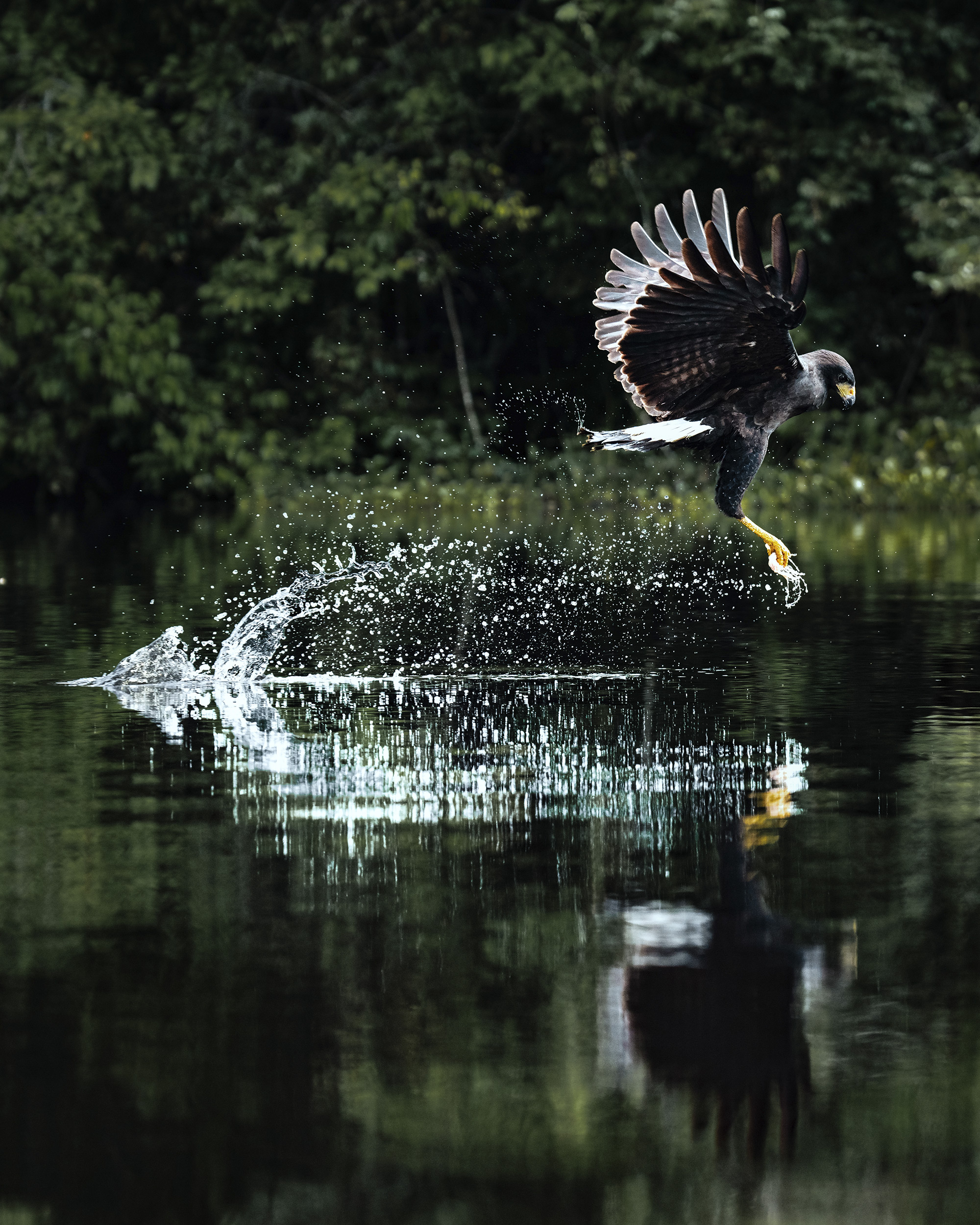 © Andrea Astarita | Sony α1 + FE 70-200mm f/2.8 GM OSS II | 1/1600s @ f/4.0, ISO 640
The balance between the camera and lenses was great and I found this second generation of lenses to be much more comfortable and lighter, making it perfect for this project. Another advantage of this kit is it makes the most of the AF speed, becoming extremely fast when paired with a high burst mode it ensured that I got the shot every time.
My favourite still image was by far the falcon shot in Los Llanos as I really had to push the camera to the limit, fully utilising the AF speed and resolution. Having 50.1 megapixels in full frame allowed me to resize the image to obtain the exact framing I was looking for as the shooting situation was not ideal, since the subject was quite far away. It was not possible to bring my composition to life without further cropping, but I manage to obtain the result I was looking without compromising the quality.
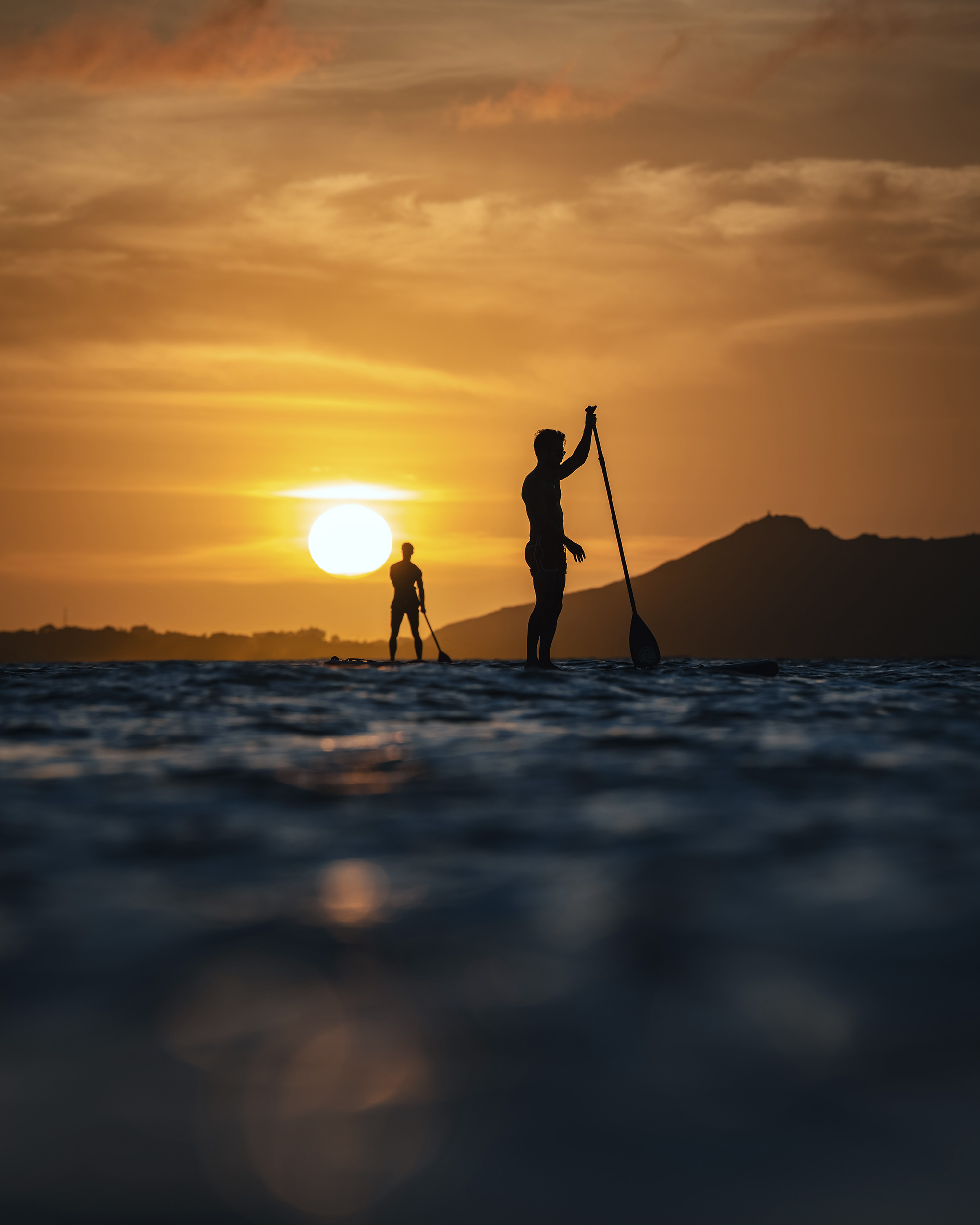 © Andrea Astarita | Sony α1 + FE 70-200mm f/2.8 GM OSS II | 1/800s @ f/5.6, ISO 64
The final stop was the Los Roques National Park which is an archipelago around 160 kilometres north of the capital Caracas in the Caribbean Sea. It is a protected area composed by around 300 islands and cays which it is the perfect place for snorkelling, scuba diving, and water sports. I decided to use the 4K at 120fps video setting paired with the 16-35mm to shoot the motion of kitesurfing as a cinematic piece.
As a content creator, having this premium gear allows me to easily switch from photo to video, which is essential to bring my vision to life. This was a demanding experience both logistically and physically, which made me realise how travelling lighter can make a huge difference in and expedition. I can focus on creating the content without being exhausted.
From my experience, the best camera is the one that you have at hand, so make a plan, pack as light as you can and focus on the adventure ahead.


