
Top Tips: Shooting Weddings
Wedding photography allows little room for error. The moments that make up a day cannot be repeated, and you cannot always control the light, the weather or the location. Fortunately, Sony Alpha cameras are packed with features to help ensure you walk away with timeless images.
Preparation
Visiting the venue beforehand is invaluable. It helps you understand the lighting conditions, form backup plans if the weather turns, and check for any restrictions on movement or flash. Charge all batteries and format your memory cards the night before so you are ready to go.
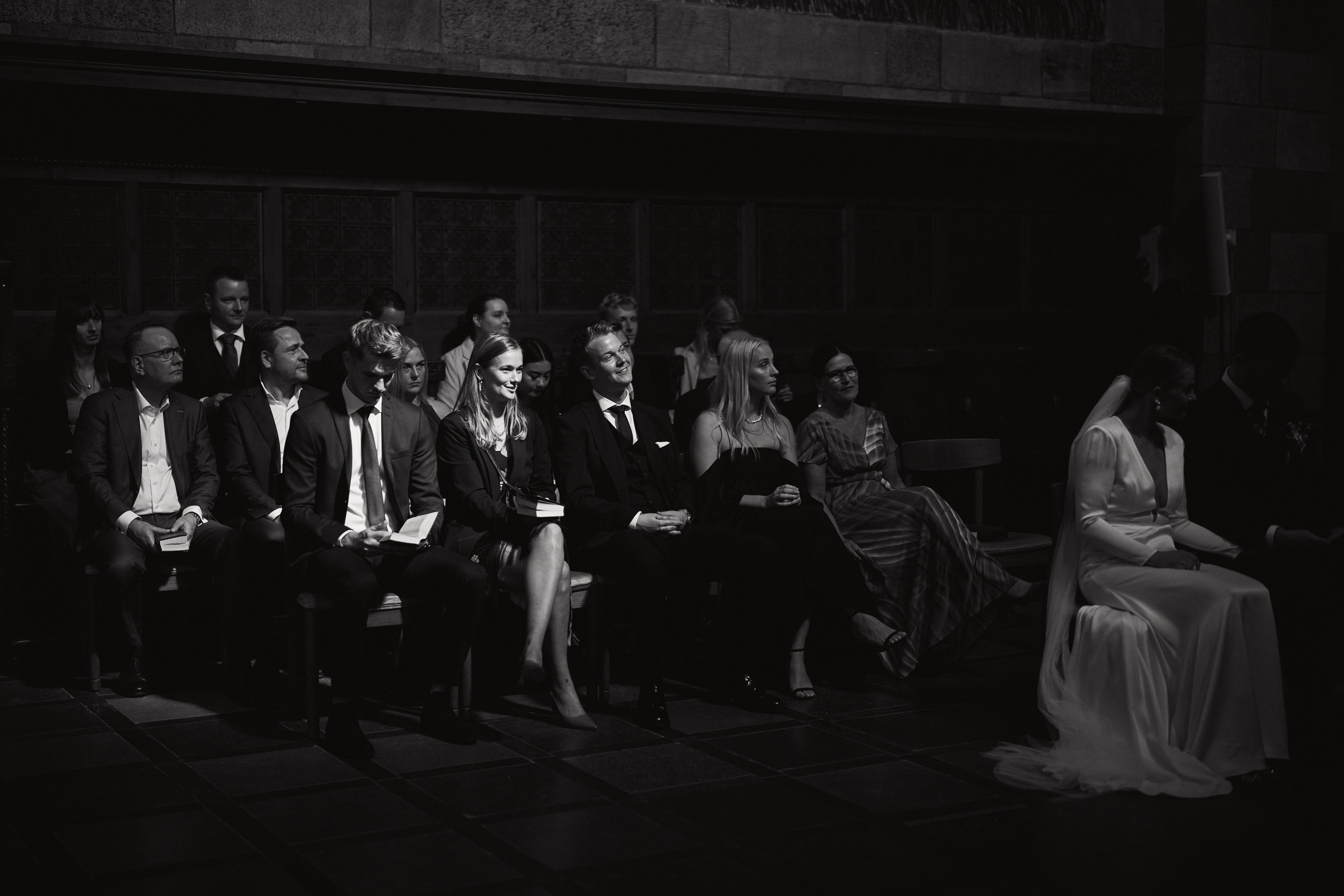 © Nicolai Brix | Sony α1 + FE 50mm f/1.2 GM | 1/2500s @ f/1.2, ISO 1000
Face Registration and Eye AF
Sony Alpha cameras let you register specific faces so the camera prioritises them for autofocus over all others. Before the wedding, photograph the couple and register their faces via Face Registration in your camera's AF settings. With Registered Face Priority on, the camera will prioritise them in group shots and crowd scenes, keeping focus on the couple even when surrounded by guests.
Combine Face Registration with Eye AF to keep your focus locked on the right subject, ensuring accuracy during the most crucial moments.
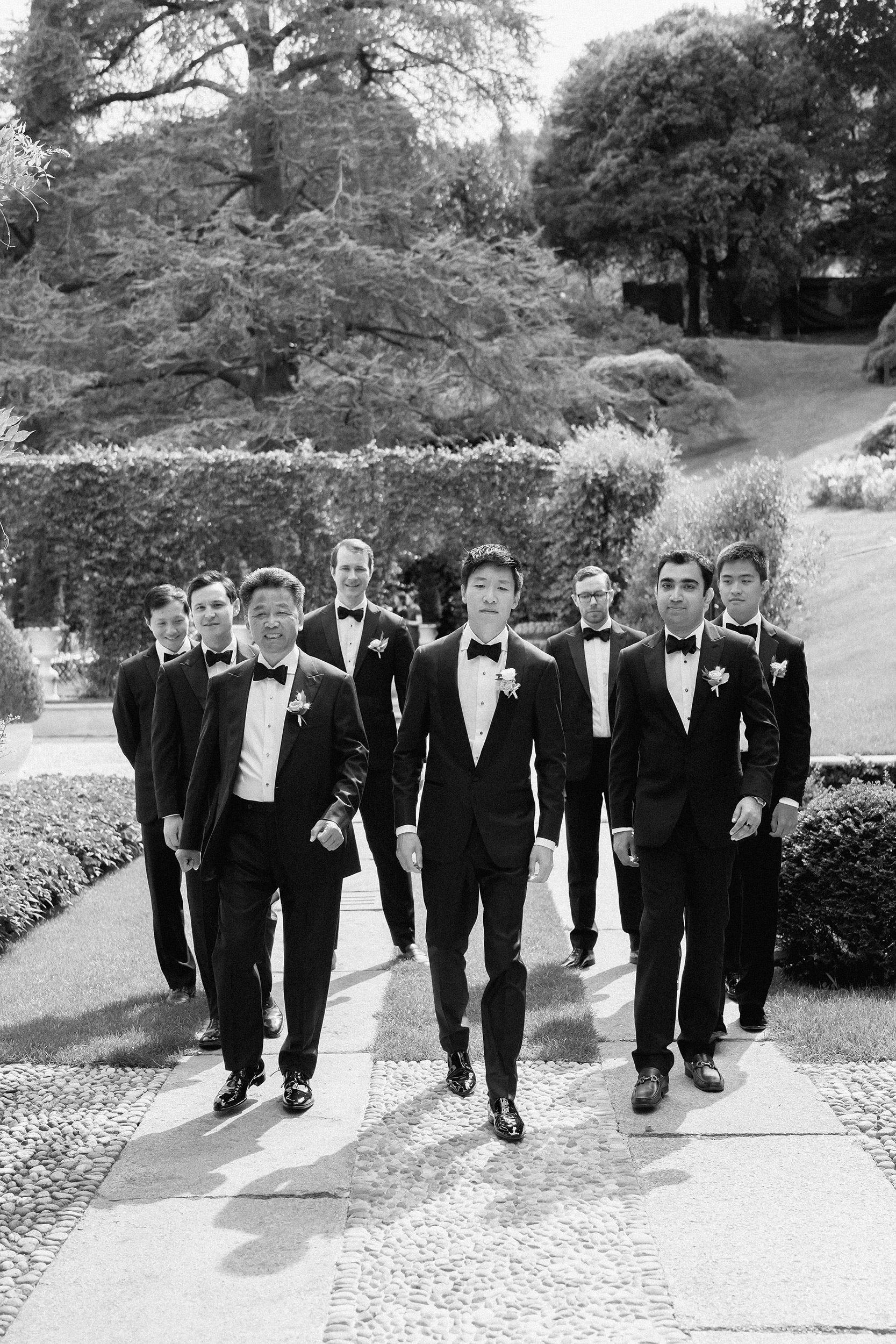 © David Bastianoni | Sony α7 IV + FE 50mm f/1.2 GM | 1/8000s @ f/3.2, ISO 1250
Face Priority Metering
Getting skin tones correctly exposed is critical when the finished images will be treasured for decades. Go to Exposure/Colour > Metering > Face Priority in Multi Metering and turn it On. The camera detects faces and biases the exposure towards them, ensuring correct exposure even against a bright window, a heavily reflecting white dress, or a dark interior that could otherwise fool the meter.
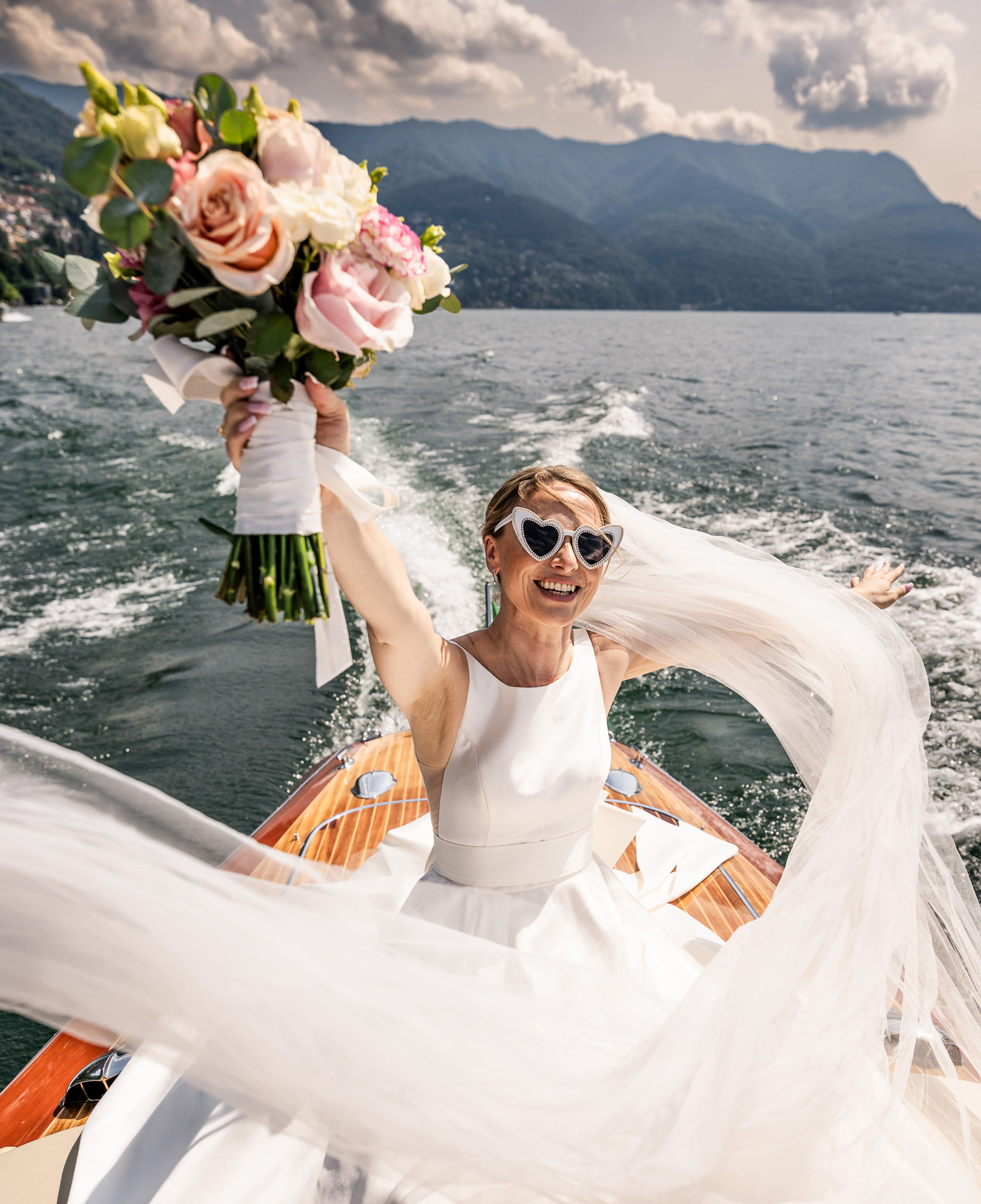 © Cristiano Ostinelli | Sony α1 + FE 12-24mm f/2.8 GM | 1/2500s @ f/2.8, ISO 100
White Balance
A white wedding dress can appear cream or ivory under warm venue lighting if Auto White Balance makes its own decisions. Use Custom White Balance to capture the colour temperature of the location: point the camera at a neutral grey card under the venue lights and select Custom White Balance from the menu. Shooting in RAW also gives you complete control in post-production editing.
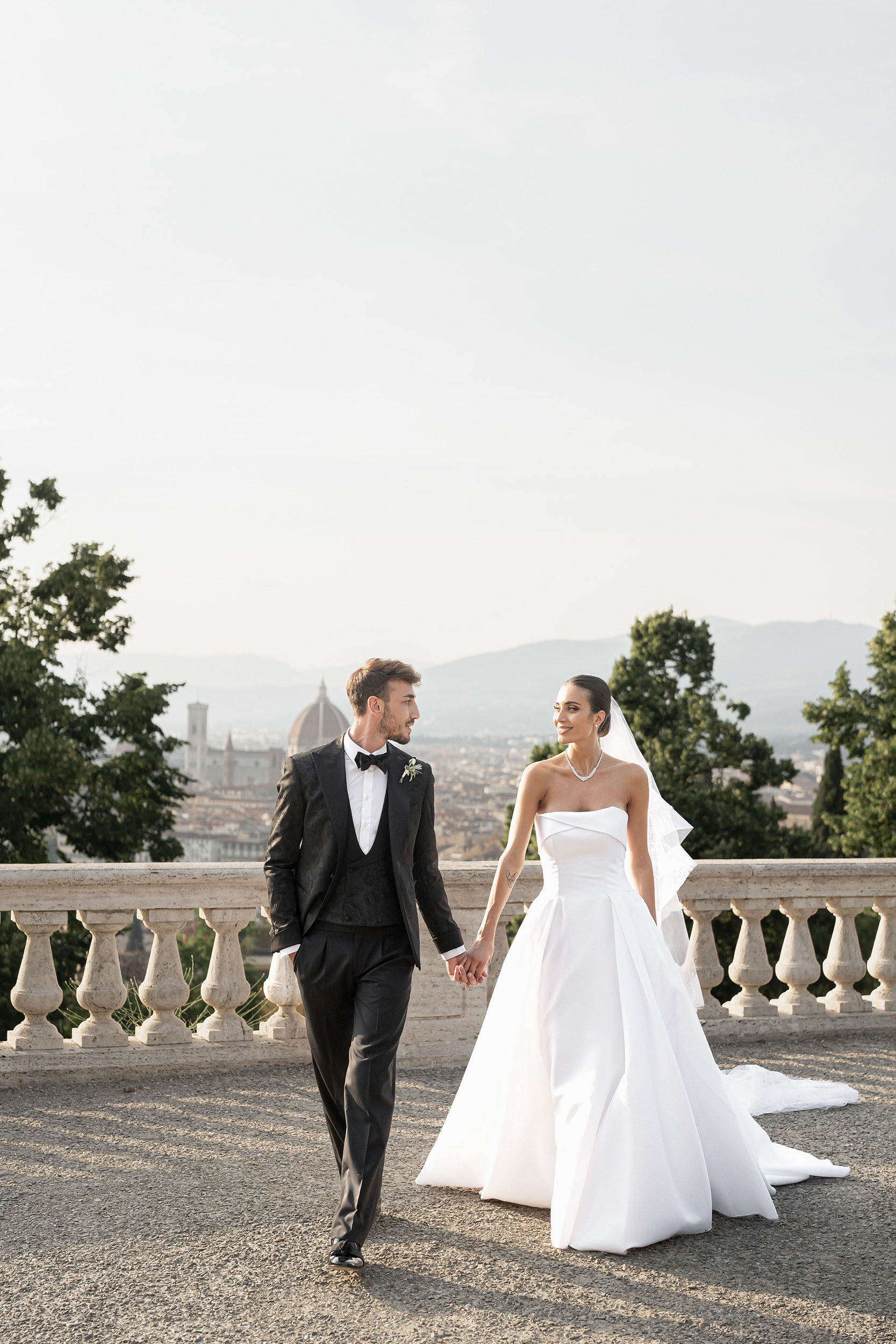 © David Bastianoni | Sony α7 IV + FE 50mm f/1.2 GM | 1/4000s @ f/3.2, ISO 800
Silent Shooting
Nothing disrupts a ceremony like the sound of a shutter or autofocus beep, particularly in a large, echoey space. Turn Silent Shooting (or Silent Mode) on in your camera's menu to shoot without disturbing the wedding. Electronic shutter can cause banding under certain artificial lighting conditions, so test beforehand and enable Anti-flicker Shooting if needed.
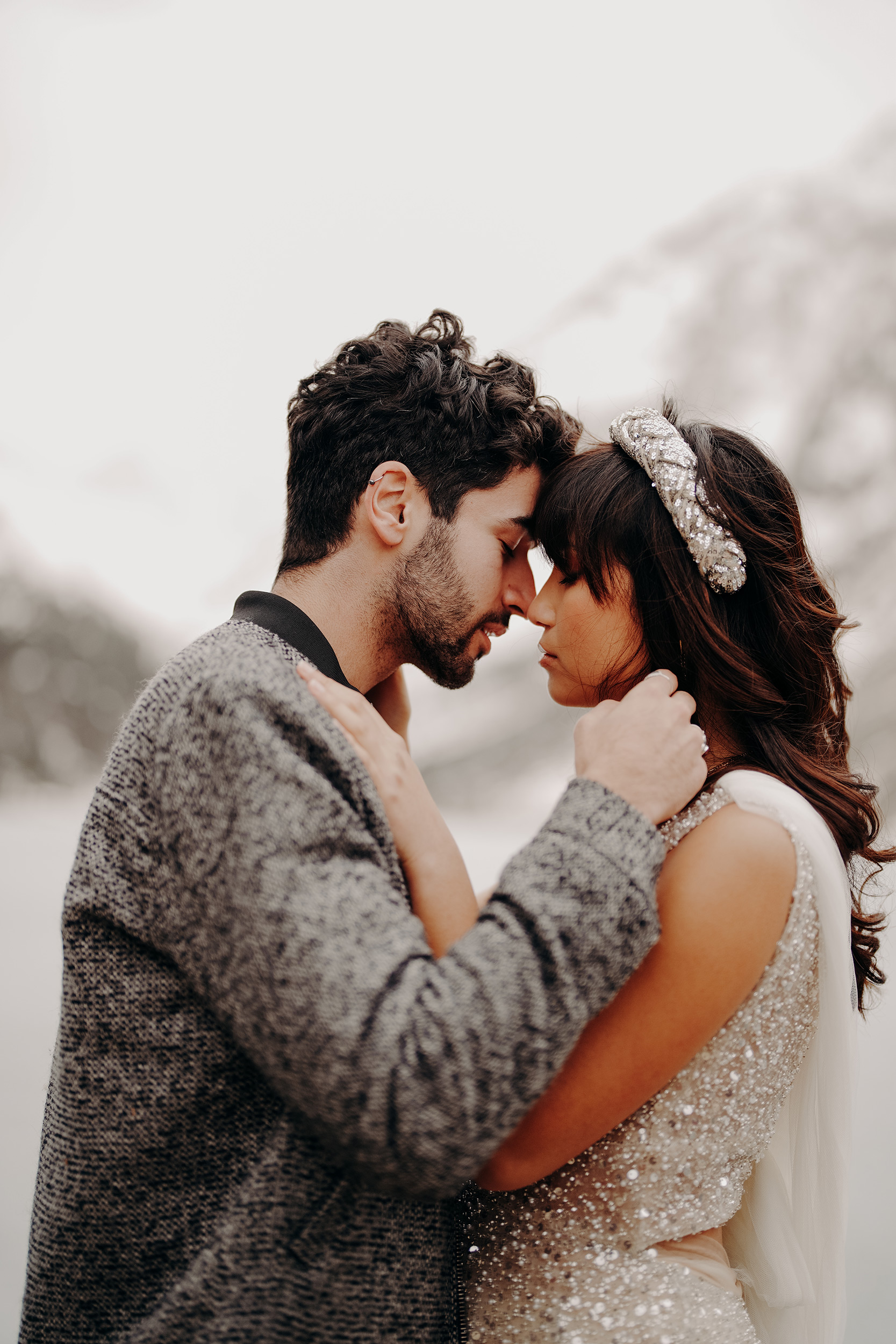 © Béatrice de Guigné | Sony α1 + FE 50mm f/1.2 GM | 1/1250s @ f/1.2, ISO 200
High ISO
Dark churches, candlelit receptions and softly lit evening rooms are a constant challenge. Sony Alpha cameras are well-suited to these conditions, delivering clean, usable files at ISO 6400 and above. Don't be scared to set your camera to Auto ISO with a maximum of ISO 6400, or even ISO 12,800. Combine this with shooting raw images so you can adjust as needed afterwards.
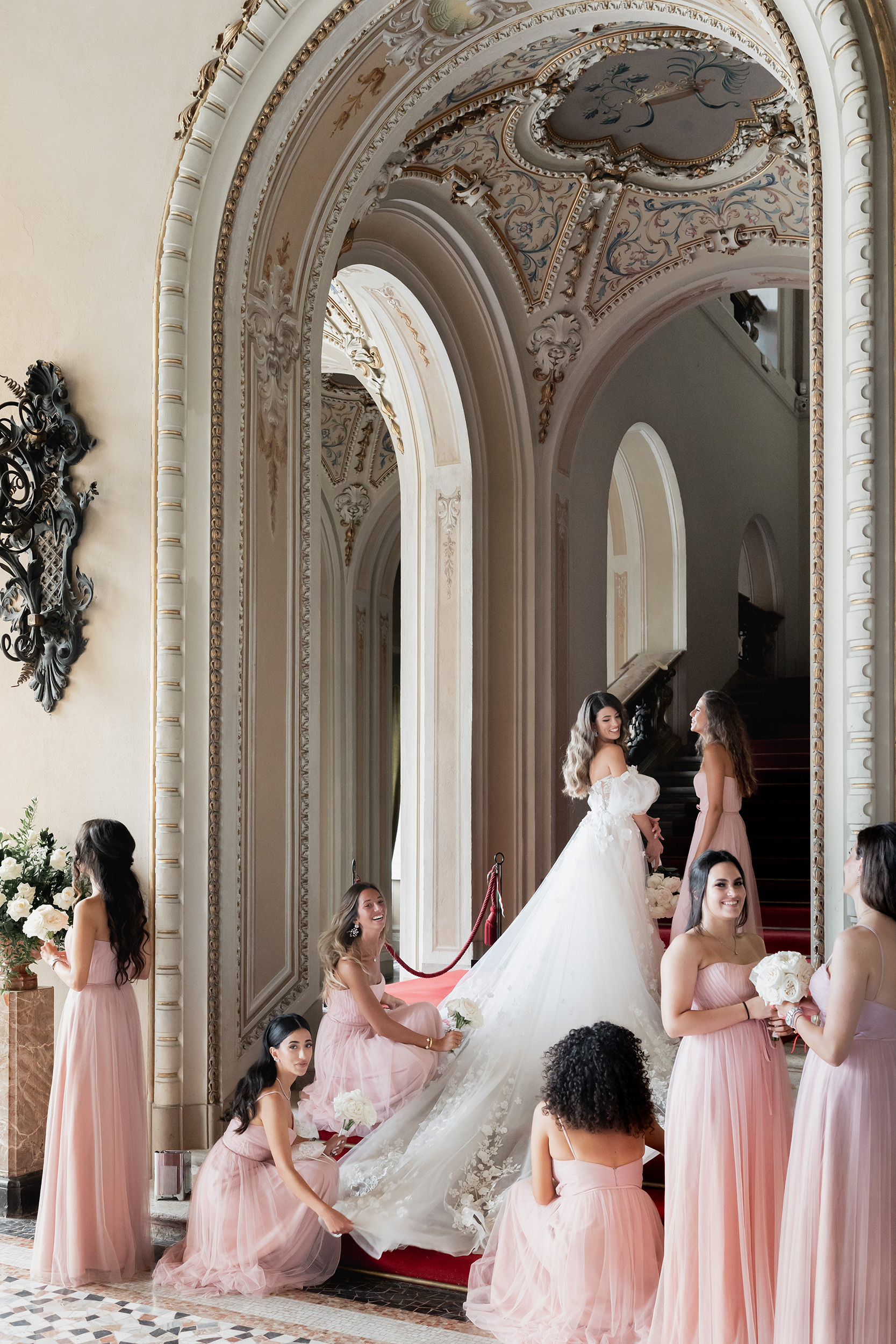 © David Bastianoni | Sony α7 IV + FE 35mm f/1.4 GM | 1/125s @ f/4.0, ISO 3200
SteadyShot
Sony's SteadyShot in-body image stabilisation is invaluable at a wedding, allowing you to shoot handheld at slower shutter speeds when flash would be intrusive or inappropriate. Make sure it is turned on in-camera, and if you have a lens with optical SteadyShot, turn this on too. The combination of both systems allows for up to 8 stops of stabilisation, enabling you to capture the atmosphere of the venue, even in low light.
Continuous Shooting
Key moments, such as the first kiss, the confetti throw, and the cake cutting, happen in a matter of seconds. Set your camera to Continuous Shooting to shoot at between 10fps and 30fps depending on your Sony camera. Set the camera's Drive mode to Hi, anticipate the moment, and begin shooting early to ensure you capture the decisive frame.
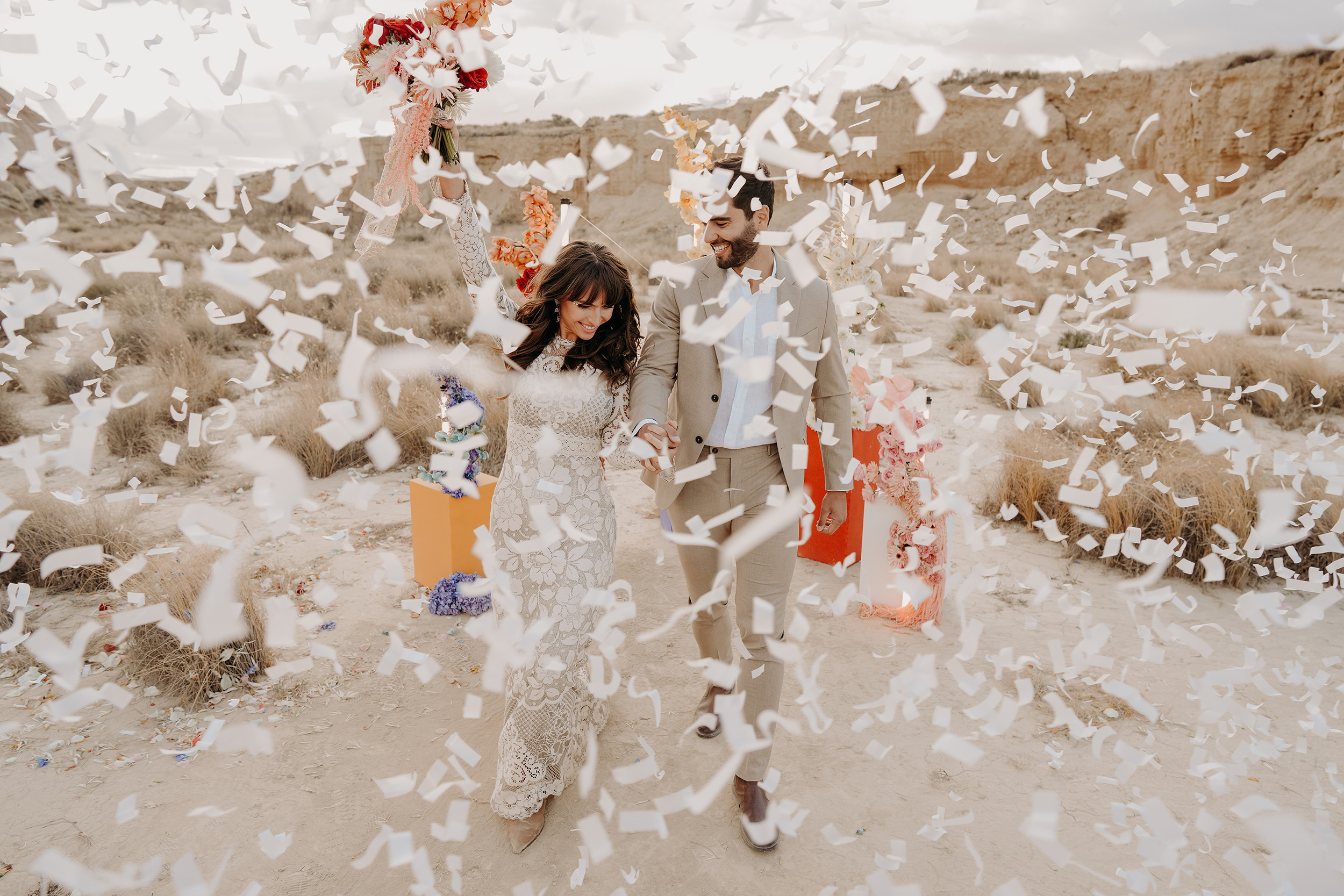 © Béatrice de Guigné | Sony α7R V + FE 24mm f/1.4 GM | 1/640s @ f/4.0, ISO 400
Dual Card Slots
Many Sony cameras, such as the Alpha 7 V and Alpha 7R V, feature Dual Card slots. Make the most of this ability by making sure every shot you take is saved to both cards simultaneously. Should the worst happen and one of the cards fails, you have a second card with all the images, so those once-in-a-lifetime moments are still safe.
Flash
Sony's high-ISO performance means you can often work entirely with available light, but flash makes a significant difference for outdoor couple portraits and evening receptions. The Sony HVL-F46RM and HVL-F60RM2 flashguns mount via the Multi Interface Shoe and integrate fully with the camera's metering system. Use them to add a little fill light when shooting outside, or bounce flash off ceilings for soft results that complement the ambient light rather than flatten it.
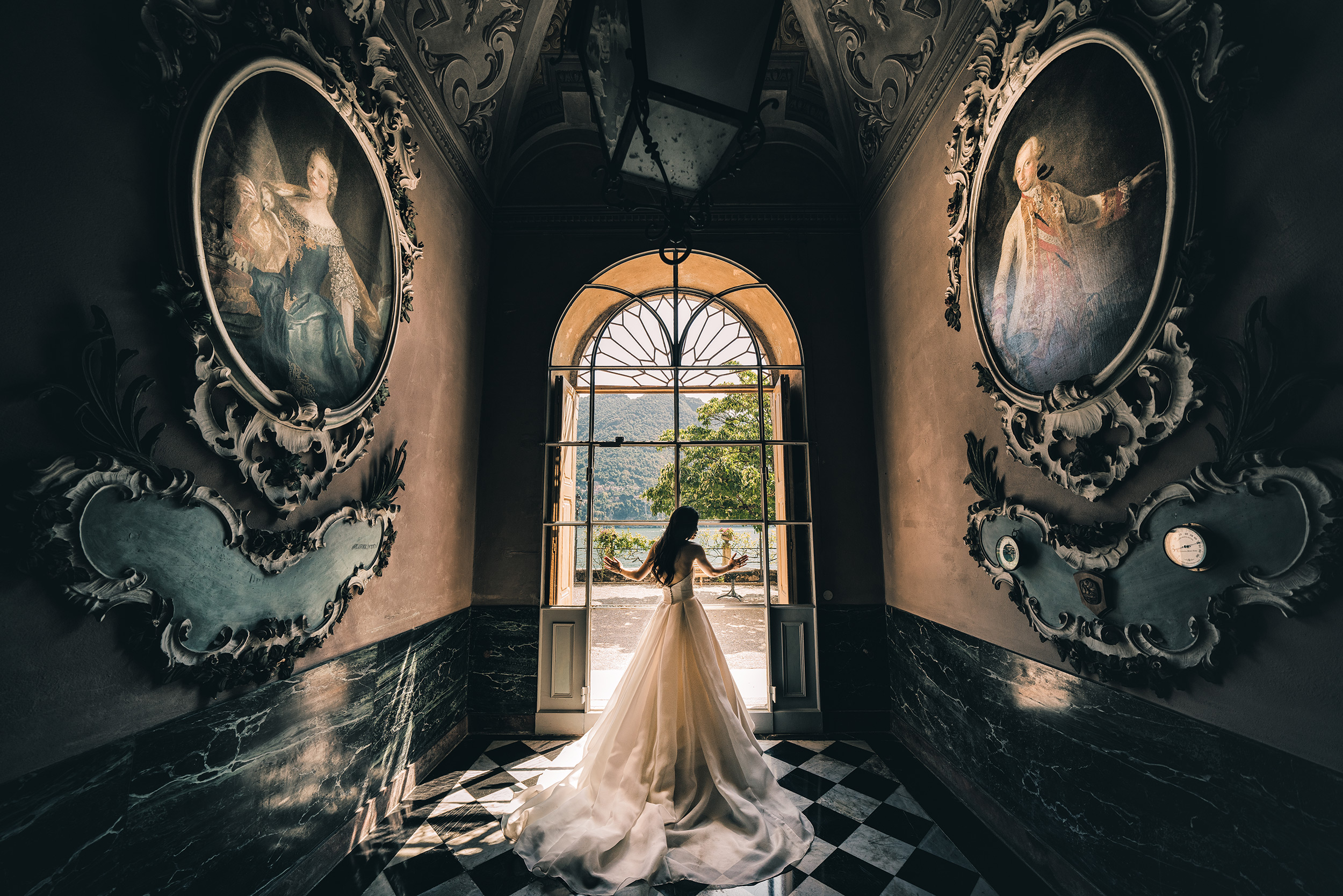 © Cristiano Ostinelli | Sony α7R III + FE 12-24mm f/4 G | 1/125s @ f/5.0, ISO 200
Lens Choice
The classic FE 24-70mm f/2.8 GM II and FE 70-200mm f/2.8 GM OSS II pairing covers the vast majority of a wedding day. They handle everything from wide group shots and formal portraits to documentary coverage of the first dance and candid moments between guests, with the shared f/2.8 aperture keeping exposure consistent.
However, the more recent FE 50-150mm f/2 GM offers an alternative. Its f/2 aperture excels in the typical low-light conditions you may have at a wedding - the evening reception or a candlelit first dance - whilst the focal range covers environmental shots at 50mm, flattering portraits at 85mm, and telephoto reach for candid shots. It can be paired with the FE 12-24mm f/2.8 GM for dramatic wide shots of the venue or sweeping shots of the crowd. This alternative two-lens combination covers an extraordinary range whilst keeping your kit simple.


